
Today we will be looking at a very important, but often misunderstood sentence particle, the が (ga) particle.
This one can really cause a lot of confusion for Japanese learners, but hopefully we can make sense of things here today.
Page Contents
が(Ga) Particle – The Subject Marker
The が (ga) marker shows us the subject of the sentence, so really whatever comes before this marker is the person/thing that is doing whatever is descried after.
猫が食べる – The cat eats
here the がis showing us that in this sentence, the cat is the subject of the sentence …and after the が, is what they are doing, which is …eats.
In simple little sentences like this it is easy to follow.
The がputs emphasis on the subject, it is like pointing a finger at someone/thing so that you know whatever is next in the sentence, was done by them. So in the above sentence, the が is pointing at the cat and telling us that whatever is about to be said next, is all about the cat.
Placing emphasis like this also has the effect of ruling everyone/everything else out of the situation. The が tells us who it was, so it can’t be anyone else.
Maybe in the example above I was also just talking about dogs. Using theが marker makes it very clear that it’s only the cat I’m talking, the dogs and anything else are not involved here, this information about “eating” is ONLY about the cat.
The Zero が(Ga)
The zero が is where things start to get a little blurry for English speakers.
If we look at many Japanese sentences it can seem like there is no subject and you kind of have to guess what is going on through context.
This is sort of true, but really, every sentence in Japanese has a subject. Japanese grammar is very logical and if you remember back to what I said on Day 1 …you can have two types of sentence in Japanese.
No matter how complex things get, it can all be boiled down to either; A is B, or A does B …This means there is always a subject, no matter what. Japanese doesn’t work otherwise.
The problem is that you can’t always see the subject, so while it looks it’s not there, it is. of course the reality is that it is implied, but in a linguistic sense, it’s there.
This probably sounds more confusing than it should be, but really if you take a sentence where the subject is implied, you can still place it into one of the two sentence types, it’s just “invisible” as such, since it’s implied
This means that every sentence does have a が …it just might be invisible/ implied and when this happened, we call it the Zero が. I guess as it has zero visibility, but either way, this is what we call it.
When you start looking at these sentences with seemingly no subjects and you add in a zero が and the invisible subject, it can really help untangle things as suddenly a vague sentence is now following the basic rules that you would expect from other simple sentences.
This whole concept may be a little advanced for day 8 of your studies, but I think it is good to know.
This aspect is often not taught to learners and I think that is a disservice as it can end up causing more confusion as it can seem like some sentences just don’t follow the simple rules, when they do, even if it’s in an invisible way.
が(Ga) Is Always There
As I’ve already mentioned over the last few days, you can sometimes get a Japanese sentence that is just one word and it seems like the subject is missing and you just get it from context.
As I’ve just explained above, the reality is that the subject will always be there and it will be marked with an invisible a Zero が.
If we think of English, we will drop words form sentences all the time and context allows things to still make sense. If some asked you “What happened to the cat?” you would reply “It ran away” you wouldn’t say “the cat …ran away” the context of question allows you to just replace the subject (the cat) with the word “it” or you could even have no subject and simply reply “ran away”. This would be perfectly fine.
The same can happen in Japanese, you could just answer that question with “ran away”. There would be no need to add “the cat” or even “it”. It would all be implied through context.
However, on a grammatical level, the Japanese answer is still referring to a subject. The sentence is really “the cat が …ran away” the first half of the sentence is there in theory, just not in practice, It is invisible …so there will always be a が in a sentence, even if there isn’t.
This tends to confuse people, but just think about it like how we drop things in English, the only difference is that that the Japanese use particles to mark things, such as the が, but the idea of implying the subject through context is still the same.
Try to not let that overwhelm you, as people can get really caught up on this. If it isn’t clicking now, it will at some point.
The Confusion Between the は(Wa) and が(Ga) Particles
The real issue for learners is that は(Wa) and が(Ga) can often seem like the same thing and if you add a sentence into a translator and just replace these two letters …the translation is the exact same.
However, they are very different and it really comes down to what they are marking and what is being emphasised in the sentence.
は(Wa) marks the topic of the conversation, where as が(Ga) marks the subject. I know this sounds the same, but it’s not. So let’s look at an example that will hopefully clear things up.
は(Wa) will mark whatever is before it, as the topic … but the emphasis is on what comes after it.
猫は大きいです – The cat is big …you should see this is more as “we are talking about a cat …IT IS BIG”
が(Ga) is the opposite, it the emphasis is on what comes before the particle.
猫が大きいです this would also be “the cat is big” …but you should see this more as “THIS IS A CAT …that is big.
This type of sentence, using the が would make more sense if someone asked you “what is something that is big?” and you would reply with “the cat is big”, emphasising that it’s the cat … that is big.
がGa Is Used With Question Words
As I just mentioned, you are likely to see が being used when a question is involved, in both asking and answering.
Any time you hear the question words – Who What Where Why When, it is usually followed by が, as the emphasis needs to be on that.
For example: If you wanted to ask who was coming in Japanese, you would probably want to say – “WHO が is coming?” – it makes more sense to use a が here as you want to emphasise the who part of the question, rather than using a は, which would be more “who は IS COMING?” It wouldn’t make sense in English and it certainly wouldn’t make sense in Japanese.
Always remember that は marks a topic and something unknown can’t be a topic …which is why we are asking a question, we don’t know the topic yet …so it has to be the が particle that is used in questions.
(Return To: The Full List of All The Japanese Lessons)
Today’s Vocabulary
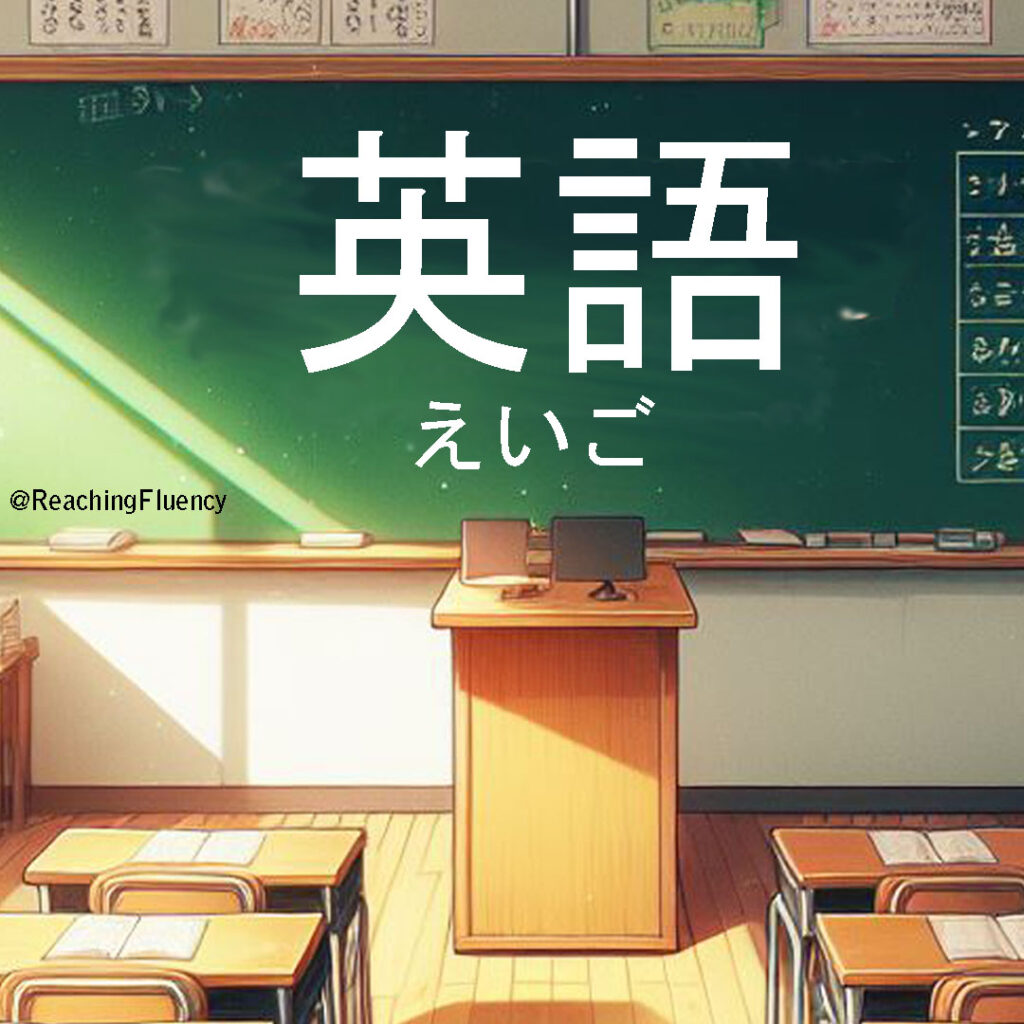
英語 (えいご – English
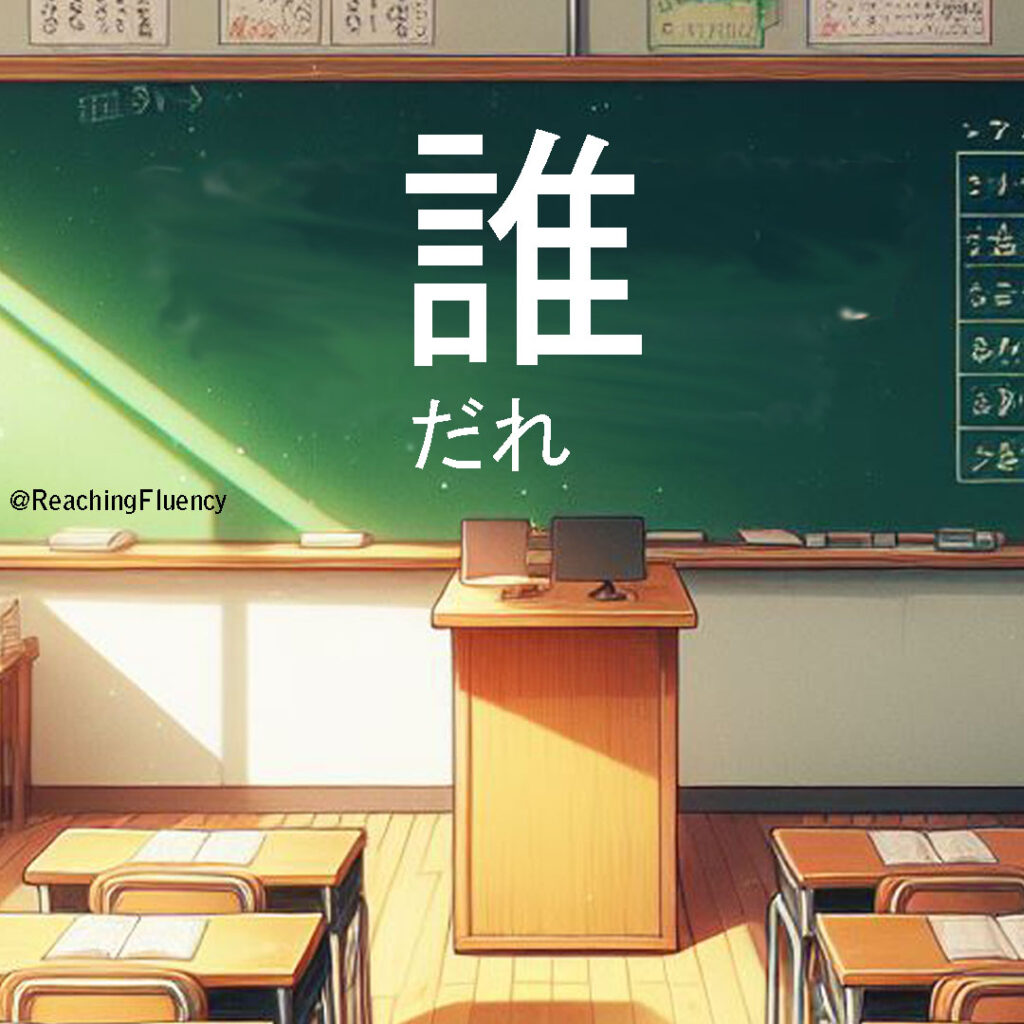
誰 (だれ) – Who
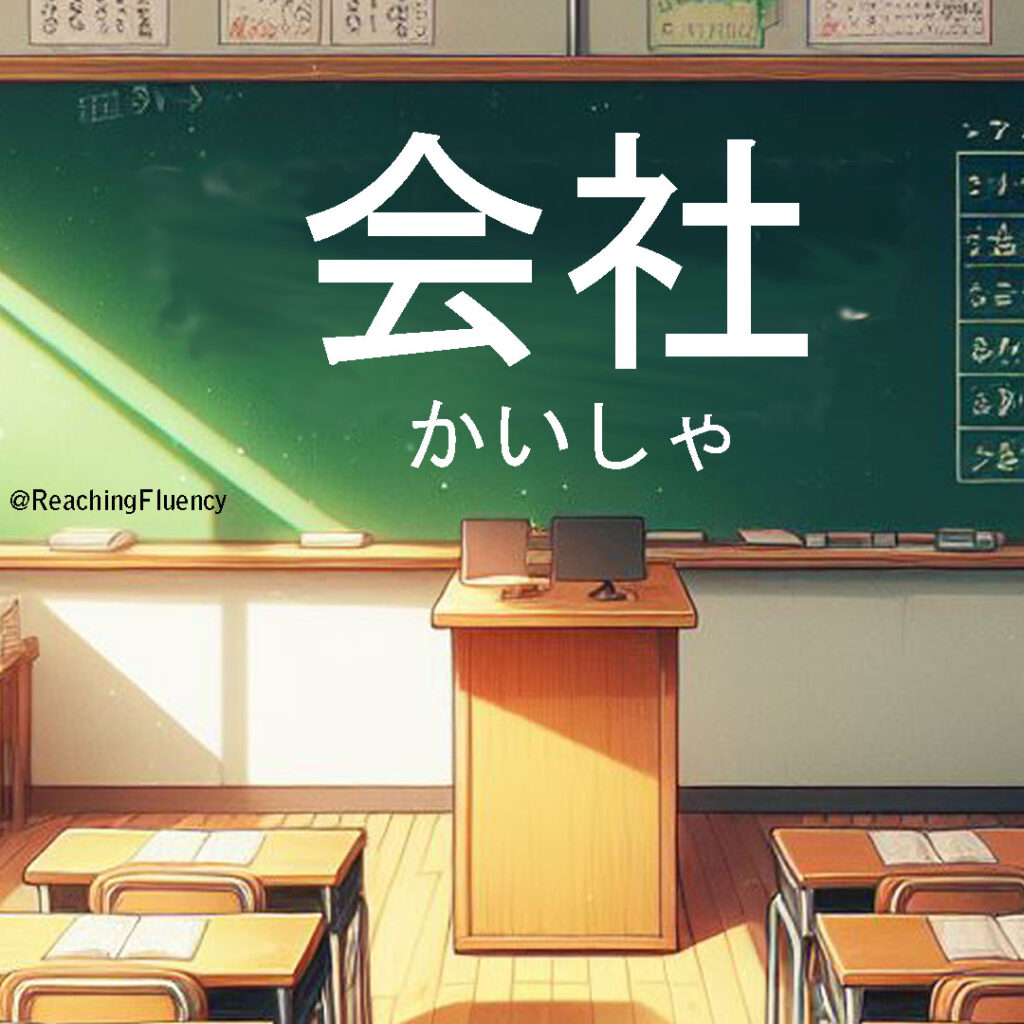
会社 (かいしゃ) – Company/corporation
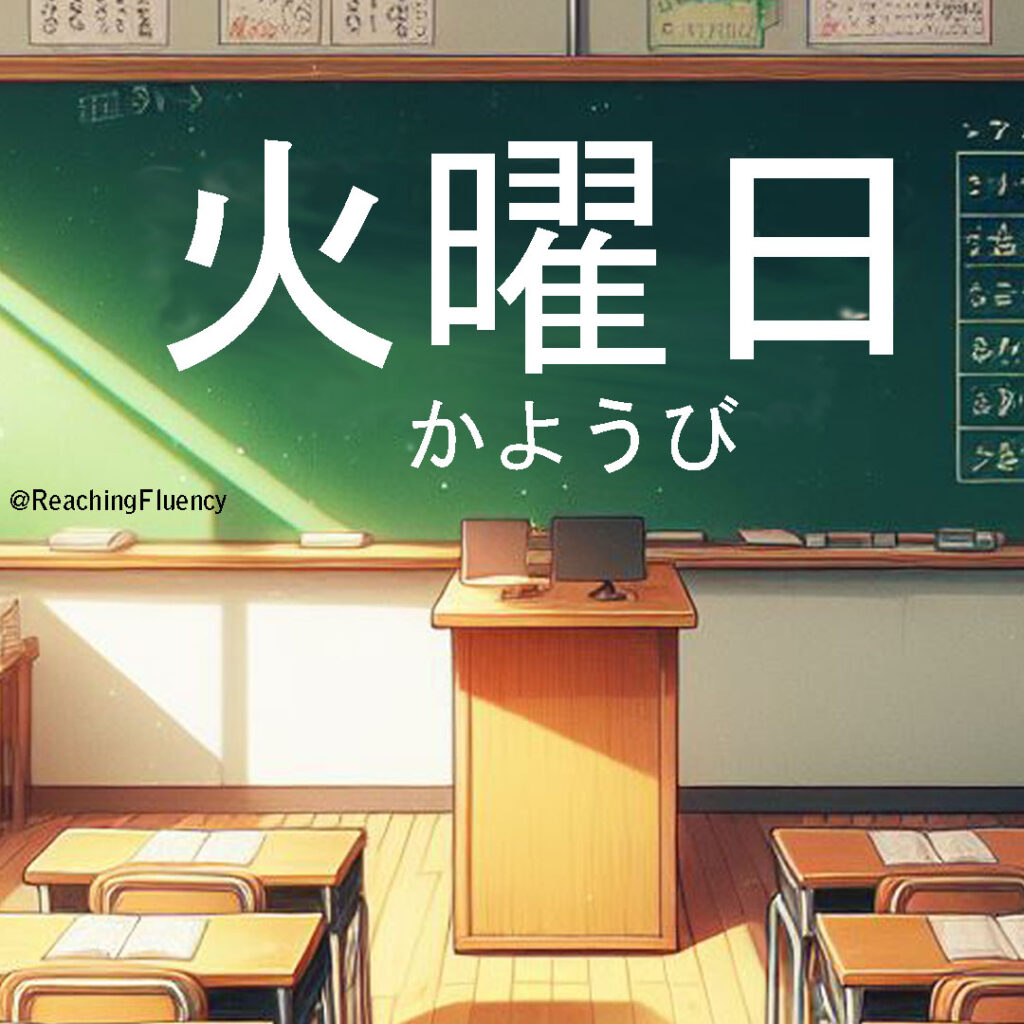
火曜日 (かようび) – Tuesday
ひらがな – Hiragana
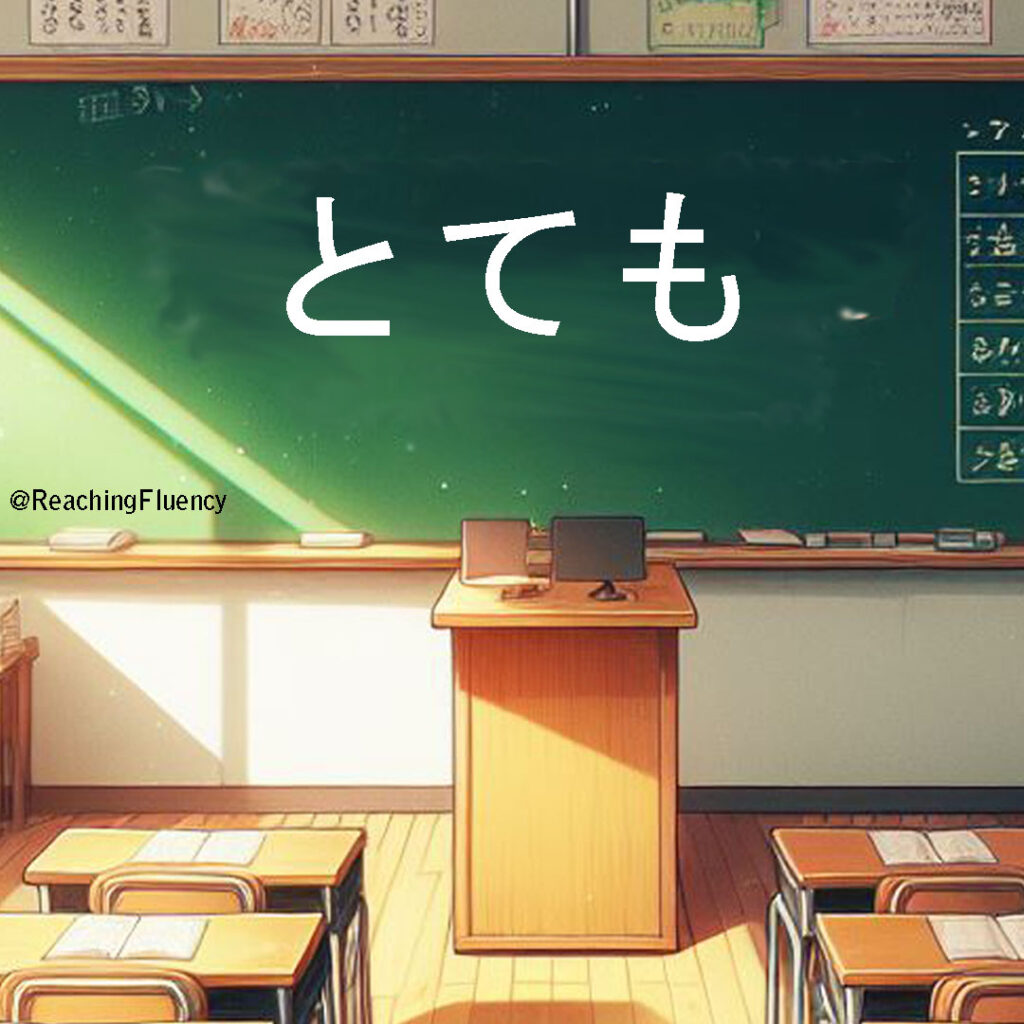
とても– Very
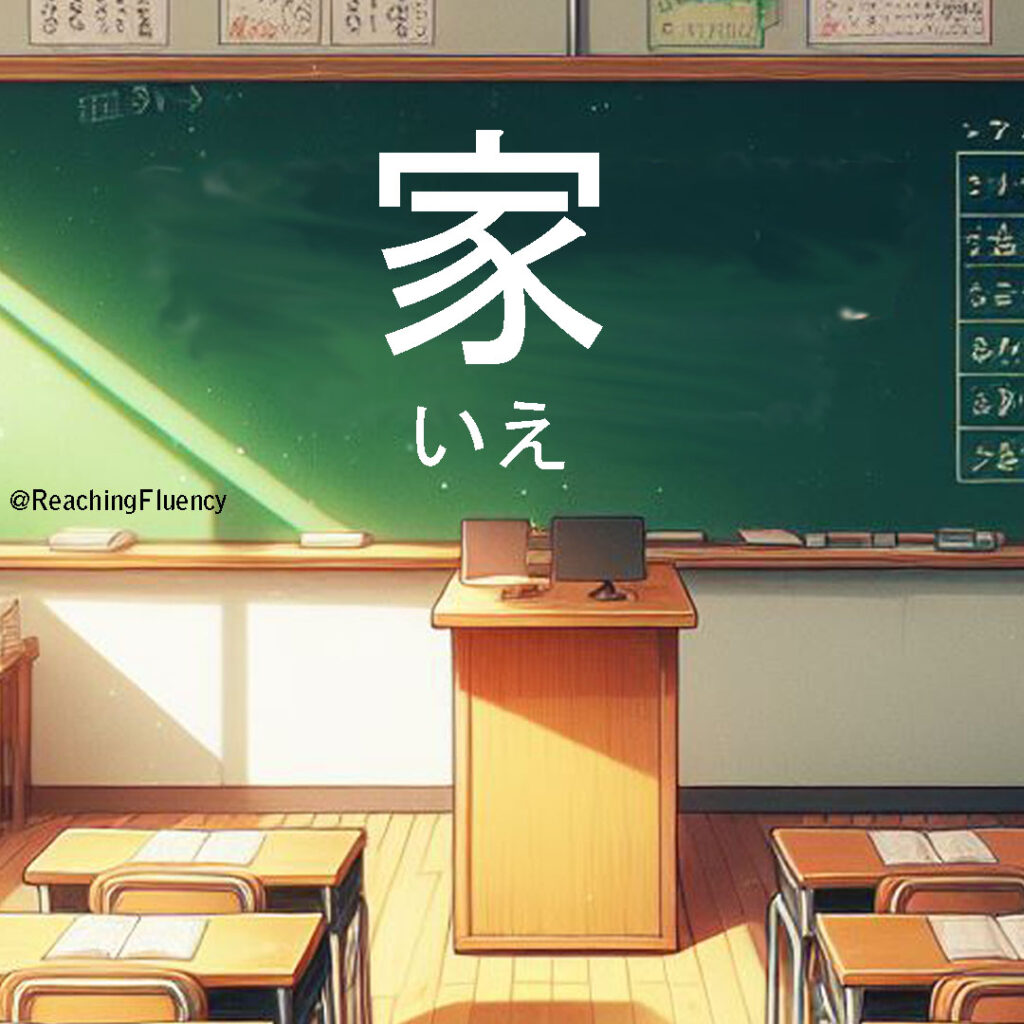
家 (いえ) – House
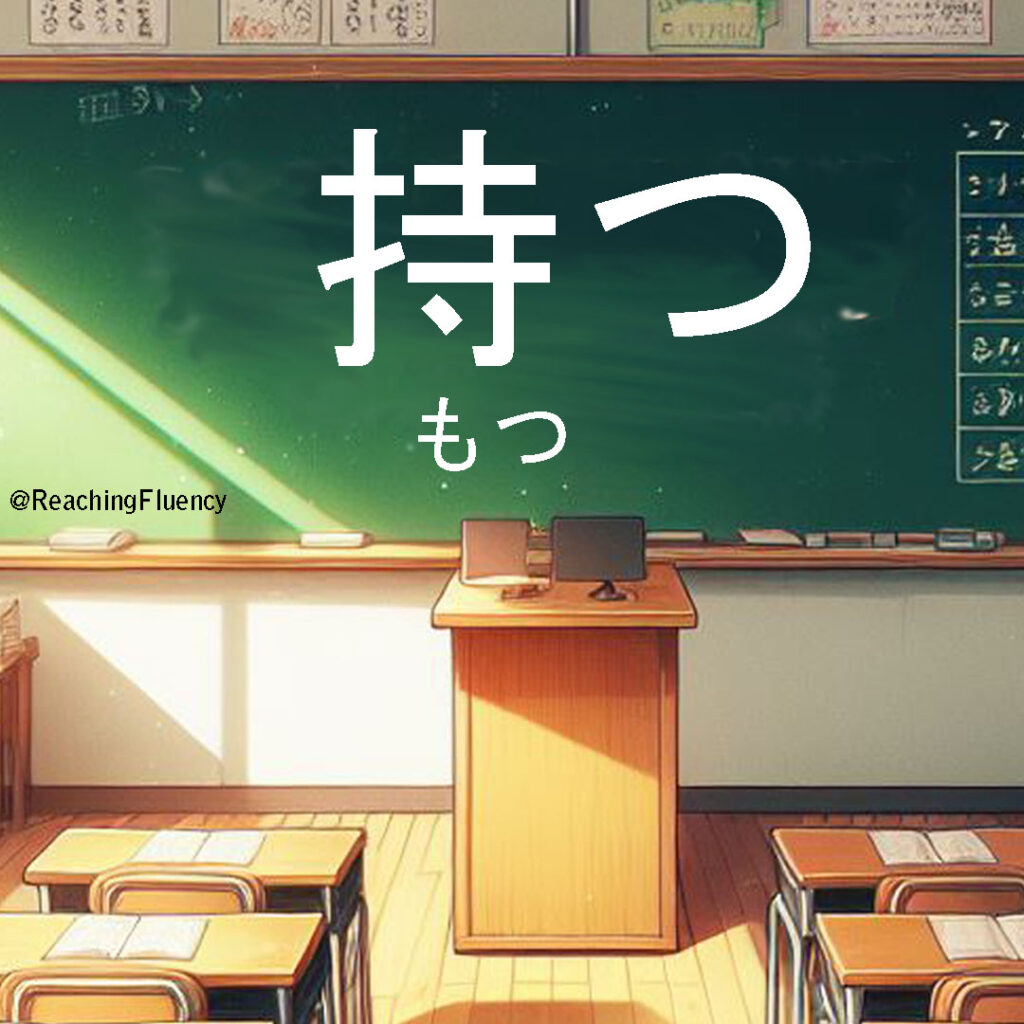
持つ (もつ) – To Hold
Today’s Immersion Videos
It is taking me time to find/add more immersion videos. This section will be updated shortly!
(Go To The Next Lesson: Day 9 – だ and です (Da and Desu))

Ian is the owner and main writer of Reaching Fluency. He is a native English speaker, French speaker and Japanese learner and general lover of language learning.
You can read more about him on his Authors Page or link with him on social media
日常英会話メール
ニュースレターを購読してください! - 参加無料
メールリストに参加すると、少なくとも週に 1 回 (場合によってはそれ以上) メールが届きます
メールは毎日の英会話で、読んで勉強することができます。
メールは短いですが役に立ちます。いつでも停止できます

