
Today we are looking at da and desu, which are very common and important parts of the Japanese language. This little bit of grammar is pretty straightforward, but as it is a little different to what you might find in English, it is often not explained every well and hopefully we can make sure that doesn’t happen today,
Page Contents
だ/です (Da/Desu) In Japanese
You don’t need to listen to much Japanese before you start to notice the constant use ofです (desu) at the end of sentences and if you listen carefully you will also hear だ (da) too.
I am not sure if です(desu) is just easier to notice, or if it is actually used more, but either way, both of these words are very important in Japanese.
They both mean the same thing, and of course which one is used all comes down to the situation and what level of formality and politeness is required.
It can be a little confusing as だ/です(da/desu) are actually Copulas, which sort of means “something exists” but I will explain this in more detail below.
For know it is important to know that だ (da) is the basic form of the copula, and this is replaced with です (desu) which is the more formal/polite version.
You can actually get even politer versions, but that’s for a different lesson, we will keep it simple here.
(and before you ask, yes you can swap them around, but don’t …Japanese is more complex than simply “formal and polite” and while だ/です (da/desu) both mean the same thing linguistically, using them has all sorts of social implications and people might think you are rude if you use over the other, so if you are unsure …be polite)
…so let’s look what this all means and find out what exactly a copula is.
What Is A Copula?
Copulas are not found in English, but basically they connect things in the sentence. If you can speak Spanish, you will understand the concept of them, as they are used in this language.
The word “copula” comes from Latin, and it kind of sounds like “coupler” …it couples words together …so it connects them.
I know this all sounds wishy washy, but bare with me. A lot of this comes down to what I said in the first few days where translating from Japanese to English has to be a bit loose so things make sense.
The copula will be translated over to fit in our language, even if we don’t really have an exact equivalent, but we can still work out what is going on.
A copula can only be used with nouns and they are kind of like an equals sign in Japanese, so it’s kind of like A=B or ….as as we would say “A is B”
The confusion comes from the fact that “is” is a verb in English, it is the verb – to be. The difference is that in Japanese they have both the copula, and also the verb “to be”. They may look identical to our English eyes, but they are not.
People will wrongly assume that a copula means “to exist/ to be” and often it can look like this way, so it’s an easy mistake to make, but it’s wrong …although it does often get translated this way, which is why it can be really confusing for us.
If you actually wanted to say something exists, you would need to use the verb “to be” to do that, not the copula.
When we look at Japanese we will see that a copula just links two nouns. In more complex sentences the other nouns will be marked by the が(ga) particle, which again muddies the water, but after a while you will start to notice this happening and you will start to notice what the だ/です(da/desu are actually doing in the sentence.
Copulas and The Zero が (ga)
Yesterday I talked about the Zero が(ga) and how it is invisible and hopefully that made some sort of sense.
An excellent example of this in action is with this だ/ですcopula. You may see this copula accompanying one noun, which goes against what I just said about it linking two nouns …and this, can all be explained by the Zero が.
A common thing you will hear is someone introducing themselves by just saying their name followed by desu like – イアンです.
So my name is a noun, and the desu is linking it to … well it looks like nothing and this is not helped by this being translated as “I am Ian”.
The reality is that this sentence should really be translated as “speaking of myself, I am Ian”.
The です is coupling with the invisible “myself or I” to make things make grammatical accurate, so while we can’t see the “myself” the です is still linking it and my name together to create the A is B ( I is Ian kind of thing). It just happens that this is all invisible and merely implied through the context.
Understanding that this is actually going will help you immensely, as simply thinking だ/です(da/desu) means “I am” or “is” can be wrong.
You may have heard the classic joke that everyone talks about – the Japanese learner is in a restaurant and they order eel by saying- うなぎです.
This is wrongly translated as “I am an eel” and everyone has a big laugh … but really this sentence is fine in Japanese and in English it should have been translated to “it’s eel”
…although you could say this is still a confusing translation. However, when you look at the full context it makes sense. The person has been asked what they want to order, and they have replied “it’s eel” really meaning …in regards to what I want to eat …it’s eel …which makes perfect sense.
The です is again linked to the invisible Zero が …it all makes much more sense when you realise that is what is going on.
Don’t just see “desu” as “I am” or “is” …even if that is how it ends up getting translated most of the time. Take a step back and ask what the “A is B” in the statement is, and even if it is partly invisible, it will make more sense this way.
だ/です Can Mean Different Things
Hopefully you understood how the だ/です works from the above expatiation, but as I mentioned, things get loosely translated and the Japanese kind of gets shoehorned into English for it to make sense.
This does mean you will see だ/ですbeing translated into a few different things, such as I am, is, it is She is, He is, They are and things like this.
If you can understand how the copula works, you can get away with these slightly different translations. A lot of textbooks don’t teach this and they also don’t really mention だ at all, which is really where a lot of the confusion comes from.
You will see things like desu mean x,y,z rather than just explaining what I did above. I know it is a little heavy duty, but once its clicks, things become a lot clearer and you are not looking at a sentence confused about why you were told it was one thing, when it seems like another.
い Adjectives Already Contains A Copula
I’ve already touched on this on Day 3 when I introduced い-adjectives, but it’s good to go over it again here.
So, い- adjectives have a built in copula, theい at the end is a copula and means that the adjective like – かわいい is not just “cute” it is more…”is cute”
This means you can’t add だ (da) to the end of this, otherwise you are now doubling up the copula and it makes no sense “is is cute”
…although you can add です(desu), and while that goes against everything I just said in the previous sentence, it is the way it is. Basically the です(desu) is just seen as more of a mark of politeness here, rather than its actual function of a copula. this means かわいいですstill just means “is cute” but it is more polite.
It can seem a little confusing, but it’s easily remembered and it’s one of the very few minor exceptions in Japanese.
(Return To: The Full List of All The Japanese Lessons)
Today’s Vocabulary
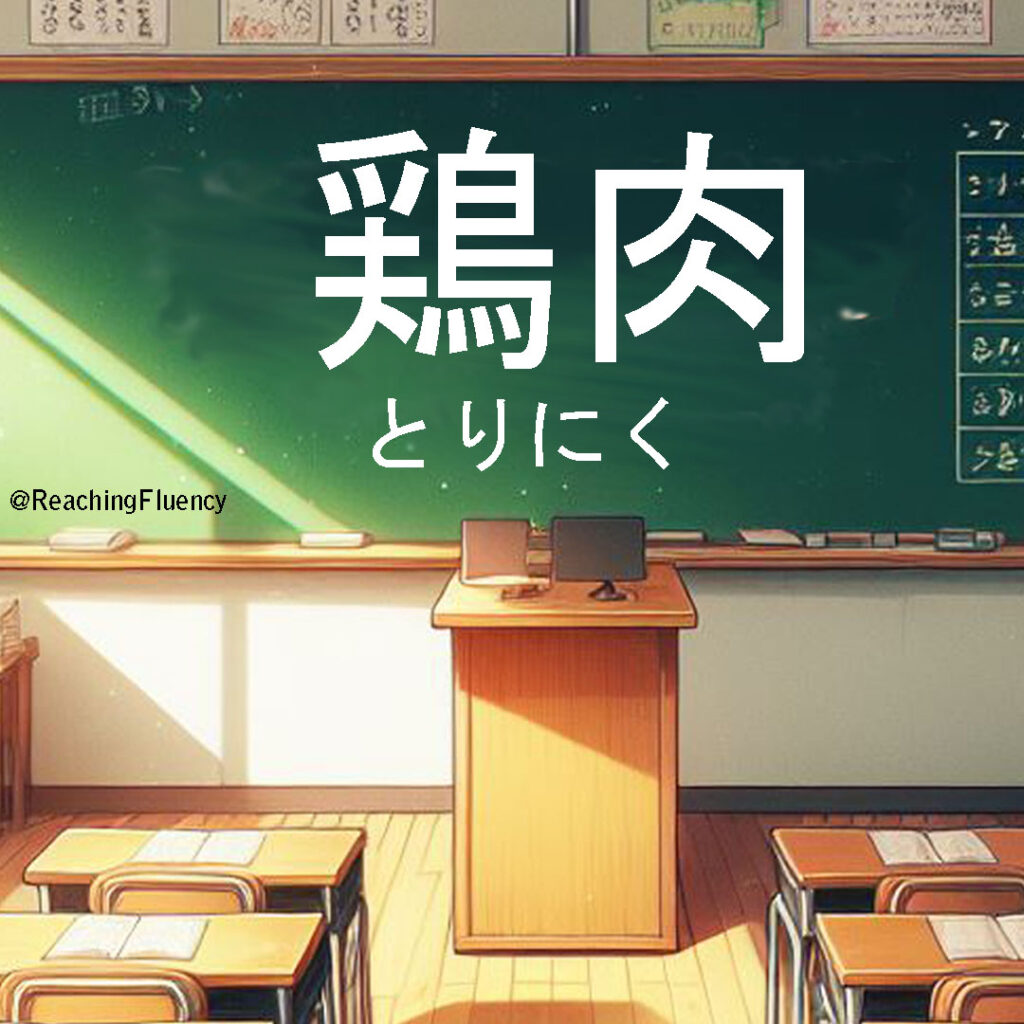
鶏肉 (とりにく) – Chicken (meat)
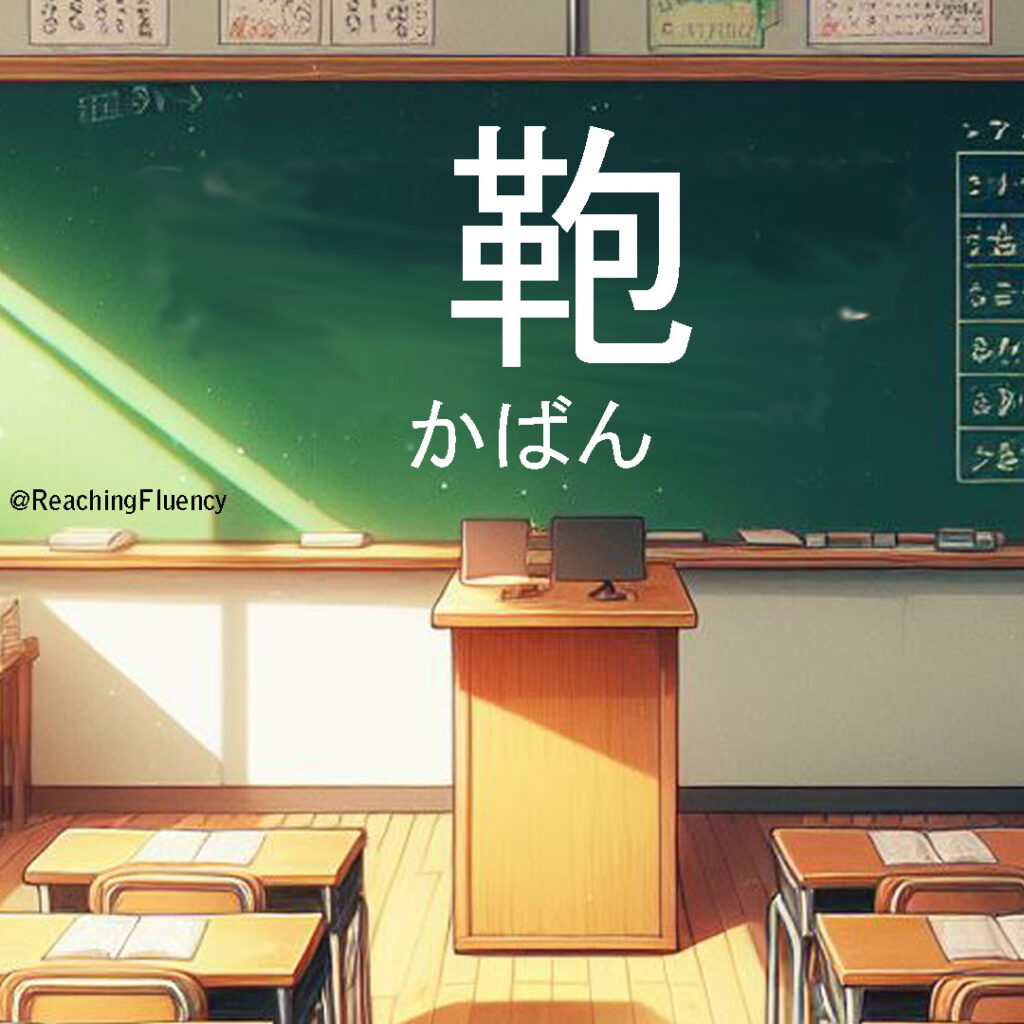
鞄 (かばん) – Bag
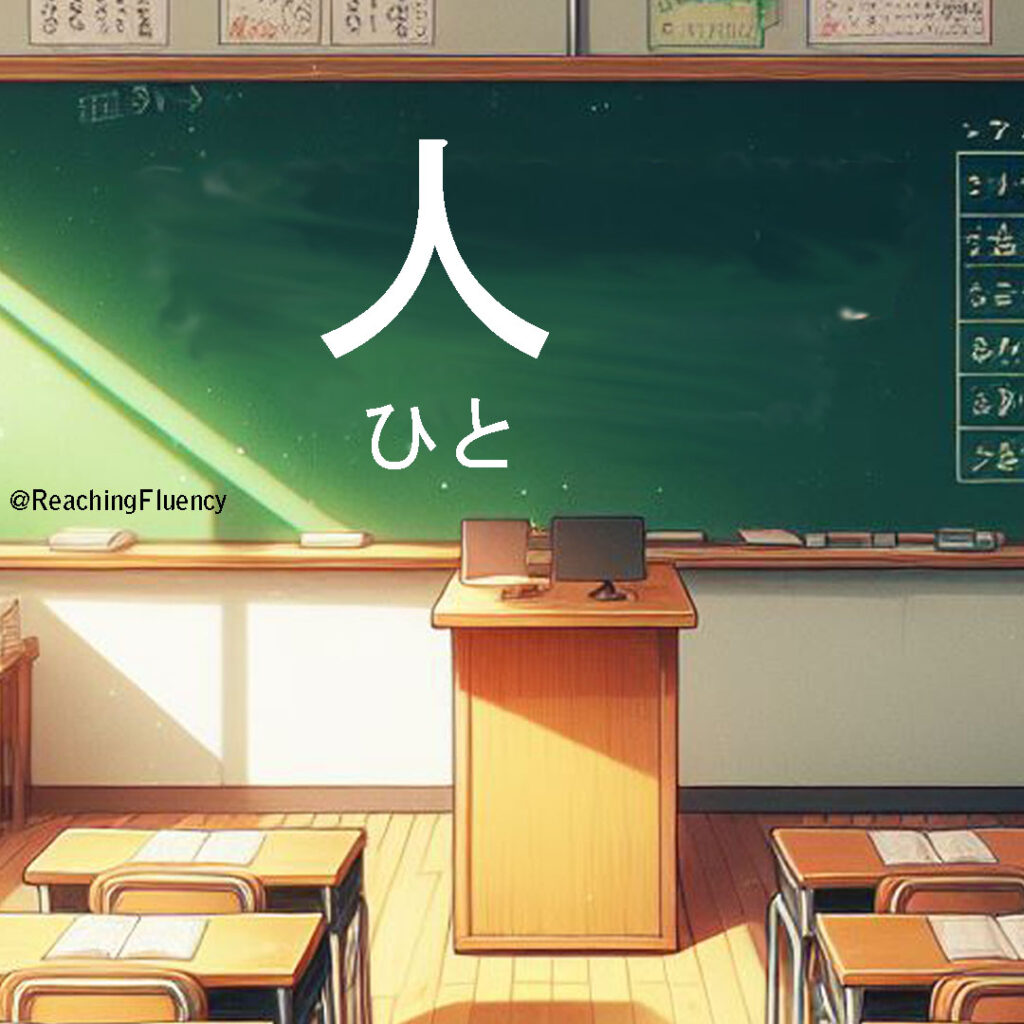
人 (ひと) – Person
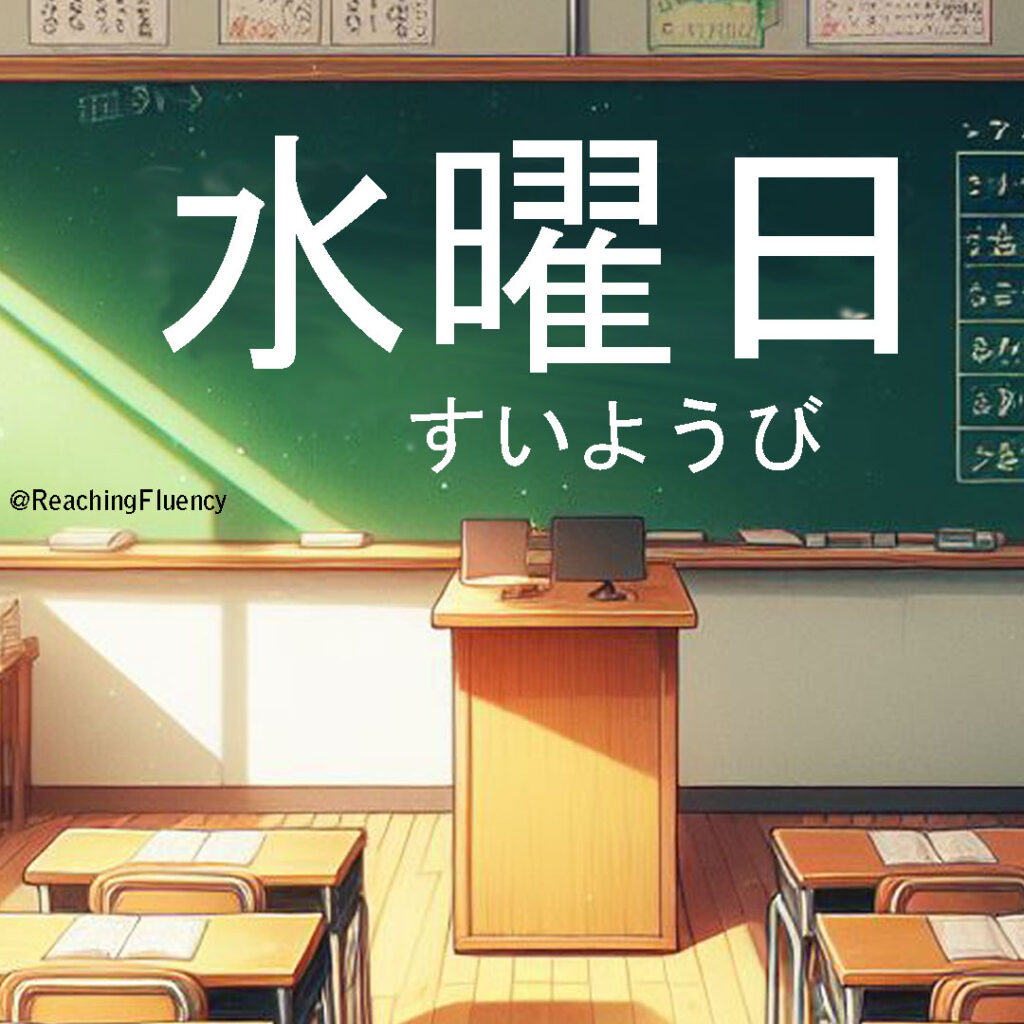
水曜日 (すいようび) – Wednesday
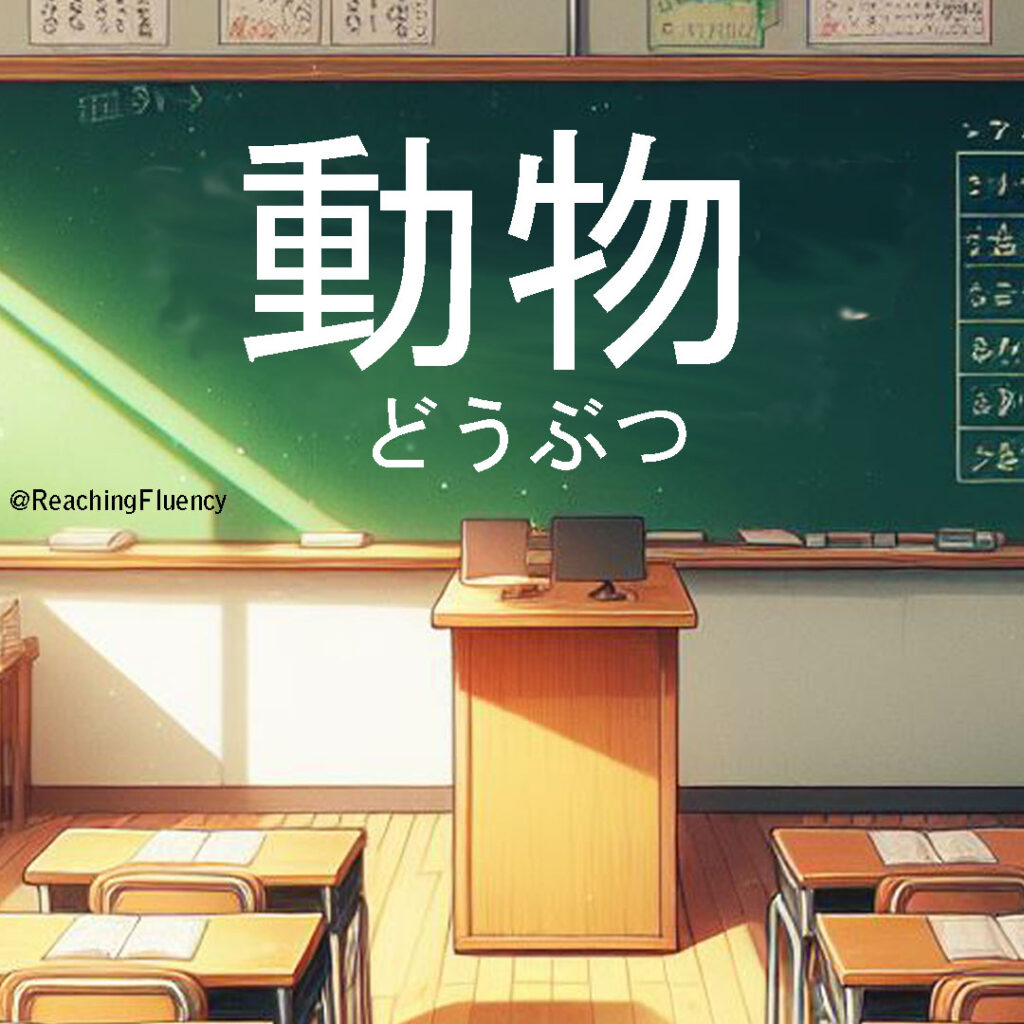
動物 (どうぶつ) – Animal
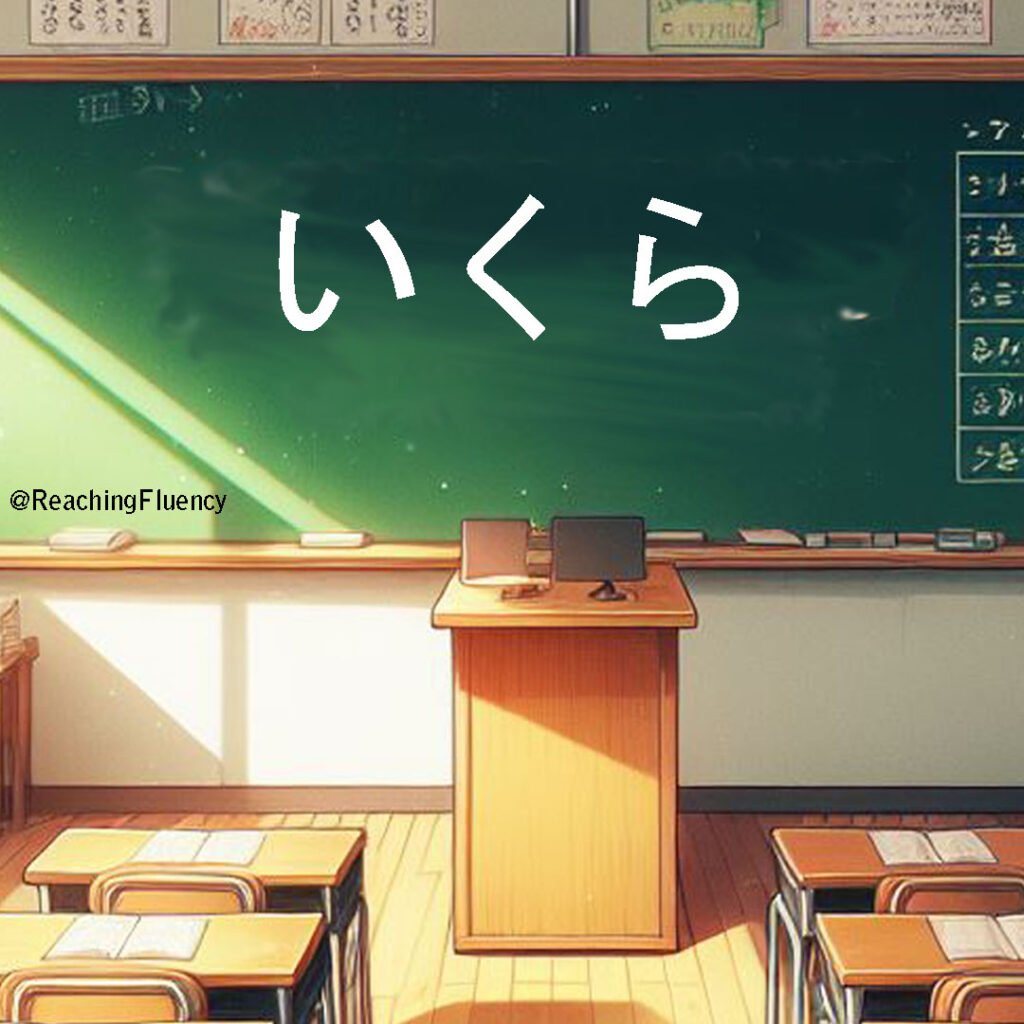
いくら – How Much
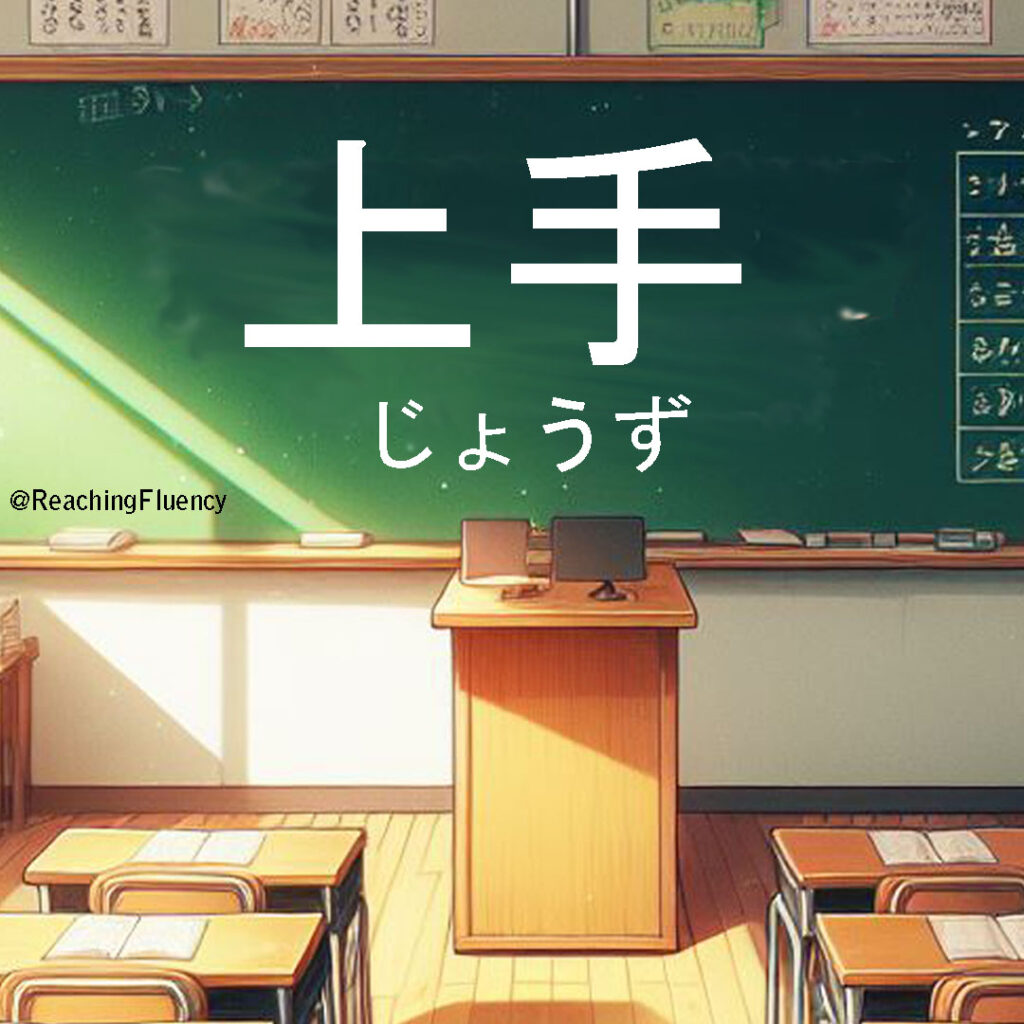
上手 (じょうず) – Skilful/ Good at something
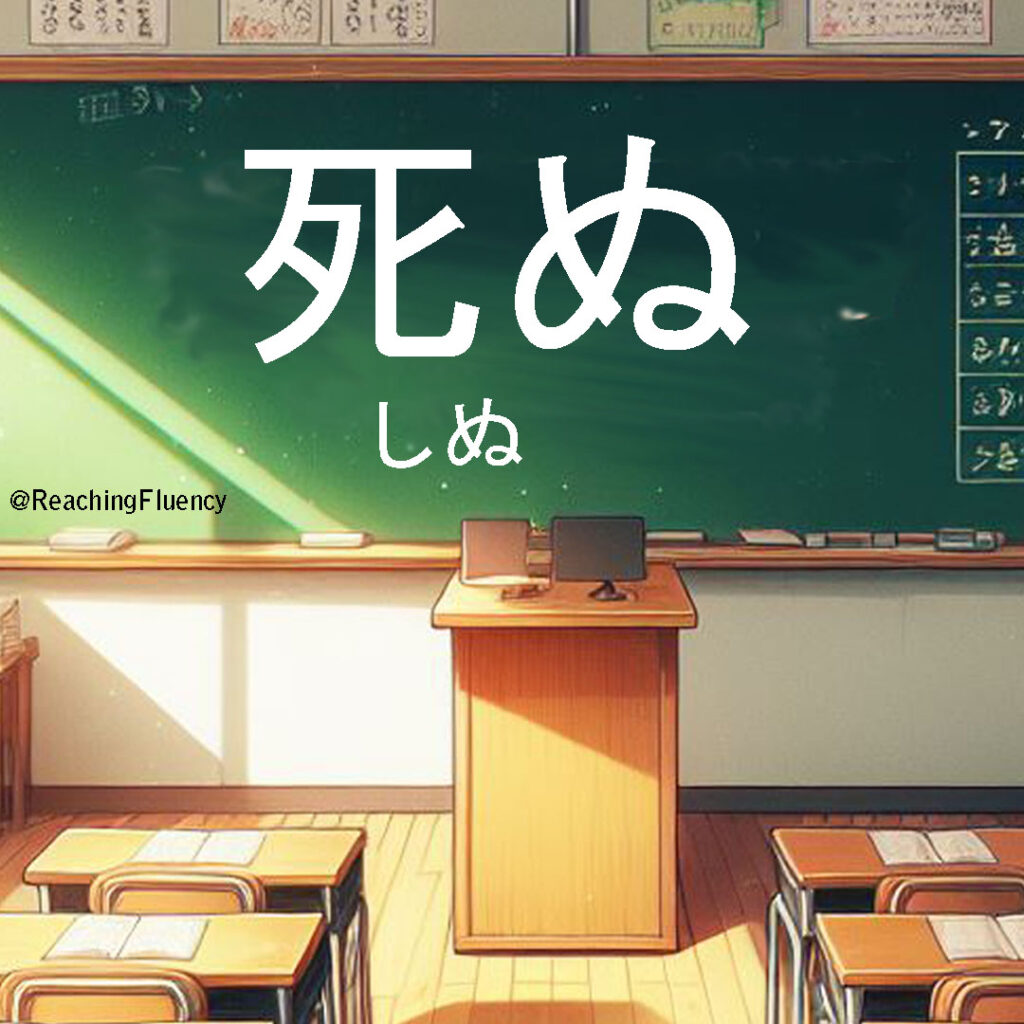
死ぬ (しぬ) – To Die
Today’s Immersion Videos
It is taking me time to find/add more immersion videos. This section will be updated shortly!
(Go To The Next Lesson: Day 10 – 人 (Jin) and 語 (Go))

Ian is the owner and main writer of Reaching Fluency. He is a native English speaker, French speaker and Japanese learner and general lover of language learning.
You can read more about him on his Authors Page or link with him on social media
日常英会話メール
ニュースレターを購読してください! - 参加無料
メールリストに参加すると、少なくとも週に 1 回 (場合によってはそれ以上) メールが届きます
メールは毎日の英会話で、読んで勉強することができます。
メールは短いですが役に立ちます。いつでも停止できます


Pingback: Japanese Day 8- The が (Ga) Particle - Reaching Fluency