
Today we will be looking at theの (No) Particle, which is another common particle you will find in Japanese sentences and then we will have a quick look at some phrases you will hear at meal times.
Page Contents
The Possessive の (No) Particle
The No particle – の – is something you will see a lot in Japanese sentences and it sort of works in the same way an apostrophe ‘S does in English, which really means it shows possession.
It’s a very simple particle and it just shows who owns what in the sentence.
タナカの犬 (tanaka no inu) – Tanaka’s dog
これはタナカの犬です(kore wa tanaka no inu) – This is Tanaka’s dog
You will mainly see this particle being linked to nouns, to give it more detail. You will normally find that the final noun in the sentence is the “main noun” and everything before it, “belongs” to this noun, to give us the detail.
In the above example, Tanaka is the owner of the dog …but in the sense of language, Dog is what we are talking about. Dog is main noun… but who’s dog? …well, it is the dog which belongs to Tanaka.
It’s a little backwards, like a lot of things in Japanese, but really just understand that the owner of the information is at the end and everything before it, “belongs to it” which really means it is giving it more detail. I guess you can kind of see it as the information belongs to (or is possessed by) the main noun.
Let’s Look At Some More Examples
I feel like this is whole concept is either going to click immediacy or seem very confusing for a while, so let’s look at some more examples so you can get the idea that certain nouns posses more information.
私 の 名も(watashi no namo) Here the word名も(name) comes after the のso we can say that it is the “main noun” and it possesses everything before …which is the word 私 (I, also means “me”).
This means that we can see this as “the me that belongs to the name” or “the name that posses me” – or as we would actually say in normal English …“my name”.
私 の 友達 (watashi no tomodachi) – here we have the word友達(friend) after the の particle, so what information does it own …again the word 私 (I, also means “me”).
This can be said as “the me ….that belongs to the friend” or “the friend that posses me” – or as we would say in normal English “my friend”.
日本の 映画 (nihon no eiga)- Movie映画 is the main noun here, as it is after the の … and the “Japanese” 日本 that comes gives us more detail about it. The Japanese belongs to the movie or the movie posses the Japanese …so it’s a Japanese movie.
As you can see, it’s always the last noun that is the “main part” of the sentence and everything before the の particle is just extra information about it. The examples I have shown are not exactly apostrophe ‘S, but hopefully you can see how it can still be a form of possession, even if it is only within the context of the language.
の can mean “of”
You will find that the の (No) particle can sometimes mean “of” …which doesn’t quite make sense in English, but if you break it down to Japanese thinking, the “of” is really extra information showing what the noun is.
名前の本 (namae no hon) This would translate into English as “book of names” … it is a book and the “more info” is that it is full of names.
You could still use the same logic as above and say it is a book that posses names, or that the names belong to the book.
It all sounds weird but still makes sense when you get a bit loose with the translations. As I keep saying throughout these lessons, you kind of need to get a general idea of what the Japanese is saying rather than try and directly translate it.
You Can Have Multiple の ( No) Particles In A Sentence
You will often see this のparticle multiple times in a sentence. Really The more detail that is being given, the more you will see it.
If we look at: 私の友達の水 (watashi no tomotachi no mizu)
This would mean “my friend’s water” and the same logic from above applies. The last noun is the main one, and everything before is information that belongs to it.
The water (水) is the main thing here, but the details are that it is owned by a friend (友達) …of me (私) or as we would say “my friend’s water”
If you have a big list of nouns all joined with the の particle you can sort of work backwards and collect all the information and sort it out in your head. In this example we have the water, which belongs to a friend … then we work backwards one more step, the friend belongs to me, so now we have water that belongs to a friend, who belongs to me …which means it is my friend’s water.
There may be some slight mental gymnastics having to occur here to get everything in a logical order, but it does get easier with practice and more exposure to Japanese.
Other Uses Of The の (No) particle
You will occasionally hear の (No) at the end of a sentence, and if you do, it’s a type of question maker.
I know have already told you カ(ka) is the question marker, and it is …but sometimes in very informal speech, のcan be used to form a soft question. It’s not that common, most times it will be カ(ka), but look out for the occasionalの in your immersion.
The context will also help you know it’s a question, so don’t worry too much about this, but it is always good to be aware.
Phrases At Japanese Meal Times
If you have watched any videos that include anything around food in Japanese, then you may have noticed that everyone says a little phrase before and after they eat, which is what we look at here.
Before A Meal
You will quickly notice that Japanese people will often put their hands together in a prayer like way, and say頂きます- itadakimasu before eating.
This is really giving respect and thanks to the meal they are about to eat. You could probably write a whole book around what this all means both linguistically and culturally, but really just understand it is important and if you are in Japan you should do it too.
You can translate it as “let’s eat” or “I humbly receive this” type of thing and you will hear it a lot so it is worth knowing this phrase.
After A Meal
After the Japanese finish eating they will always sayご地租様 – Gochisosama.
This is kind of like the same thanks they give before …but after. It’s basically “Thank you for the meal”.
I could again go into depth about where this phrase comes from linguistically and culturally, but I don’t think that matters right now, just know that once you finish eating, you say this as a thank you.
So look out for these two phrases in your immersion.
(Return To: The Full List of All The Japanese Lessons)
Today’s Vocabulary
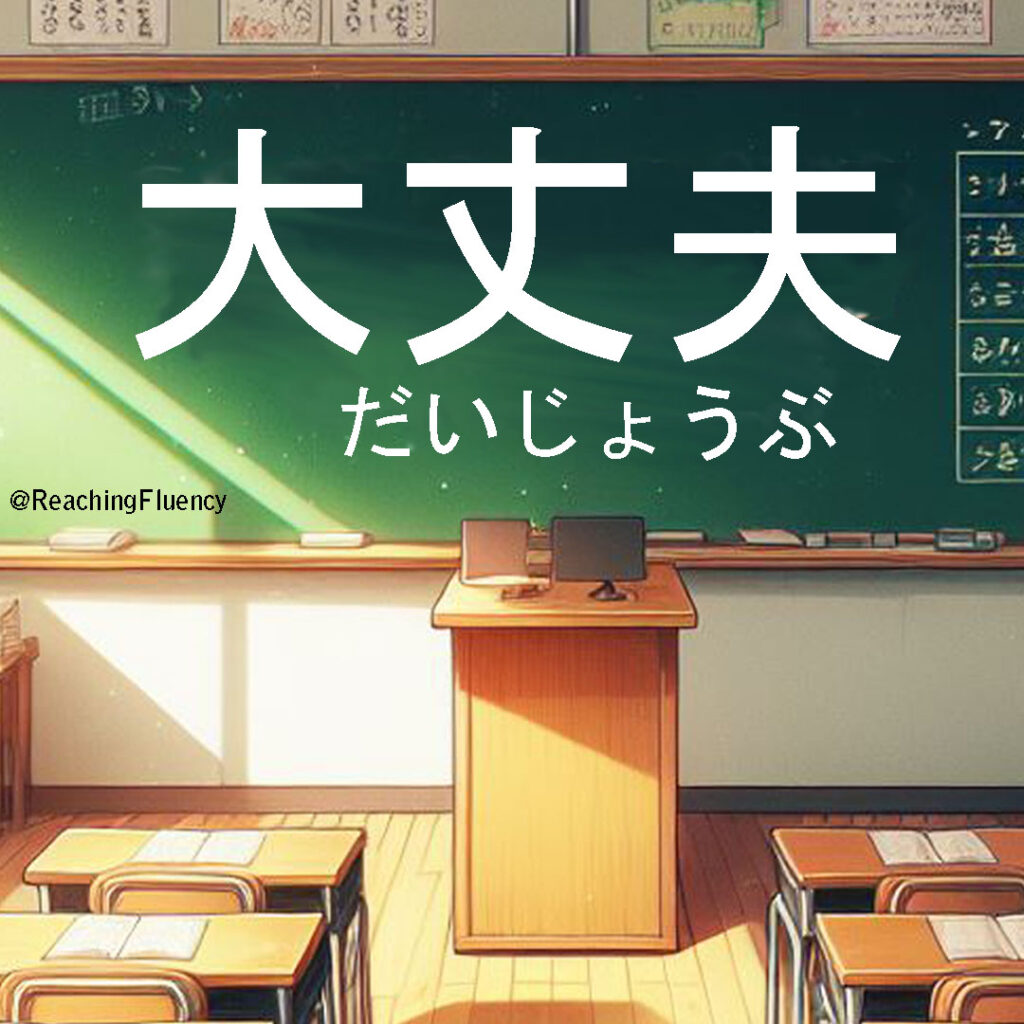
大丈夫 (だいじょうぶ) – Alright/ Okay
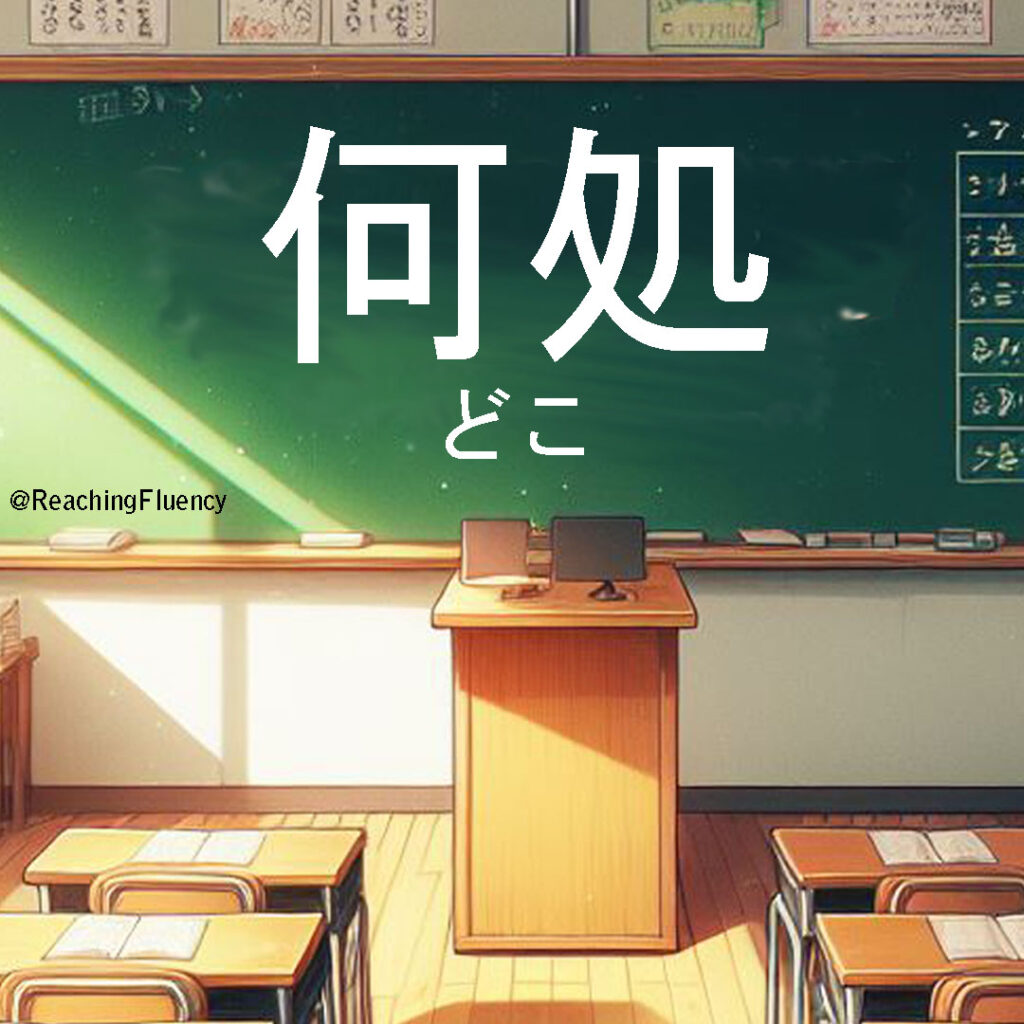
何処 (どこ) – Where (what place)
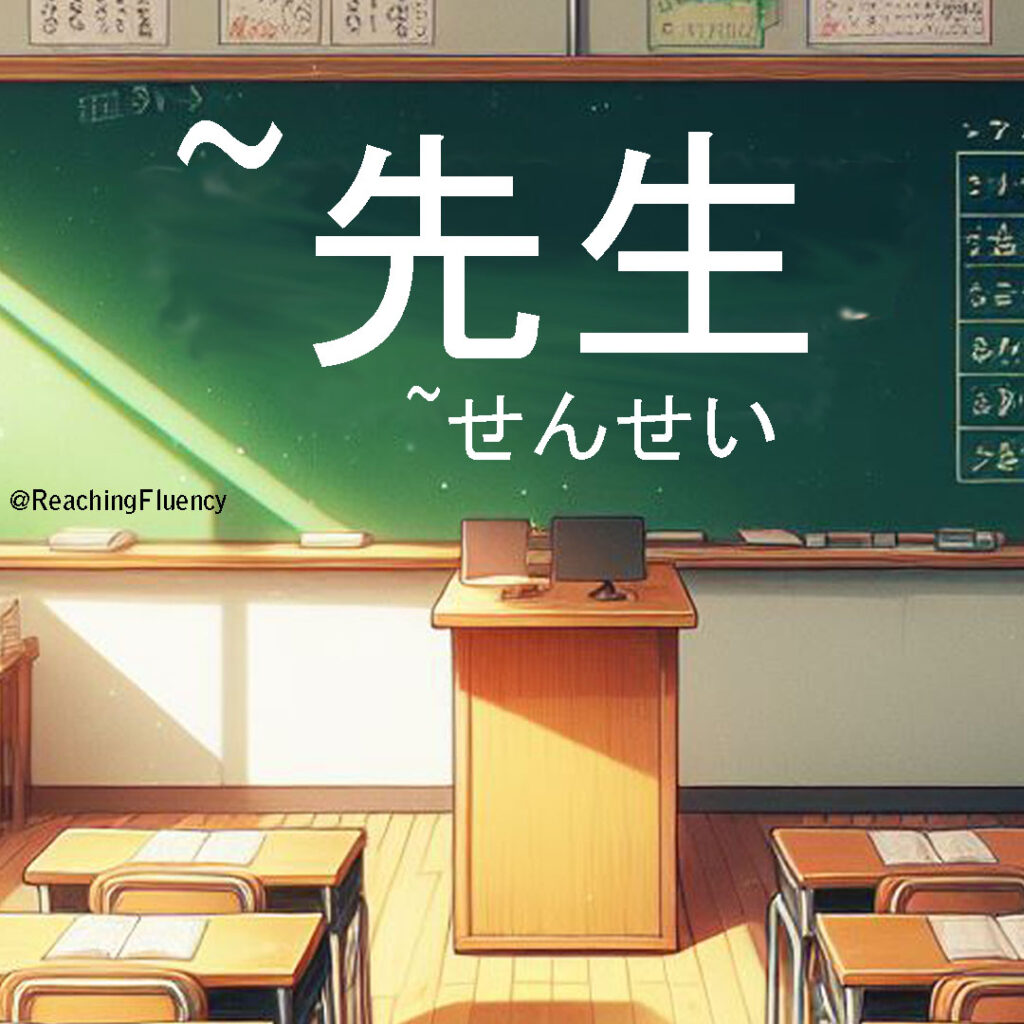
~先生 (~せんせい) – Teacher
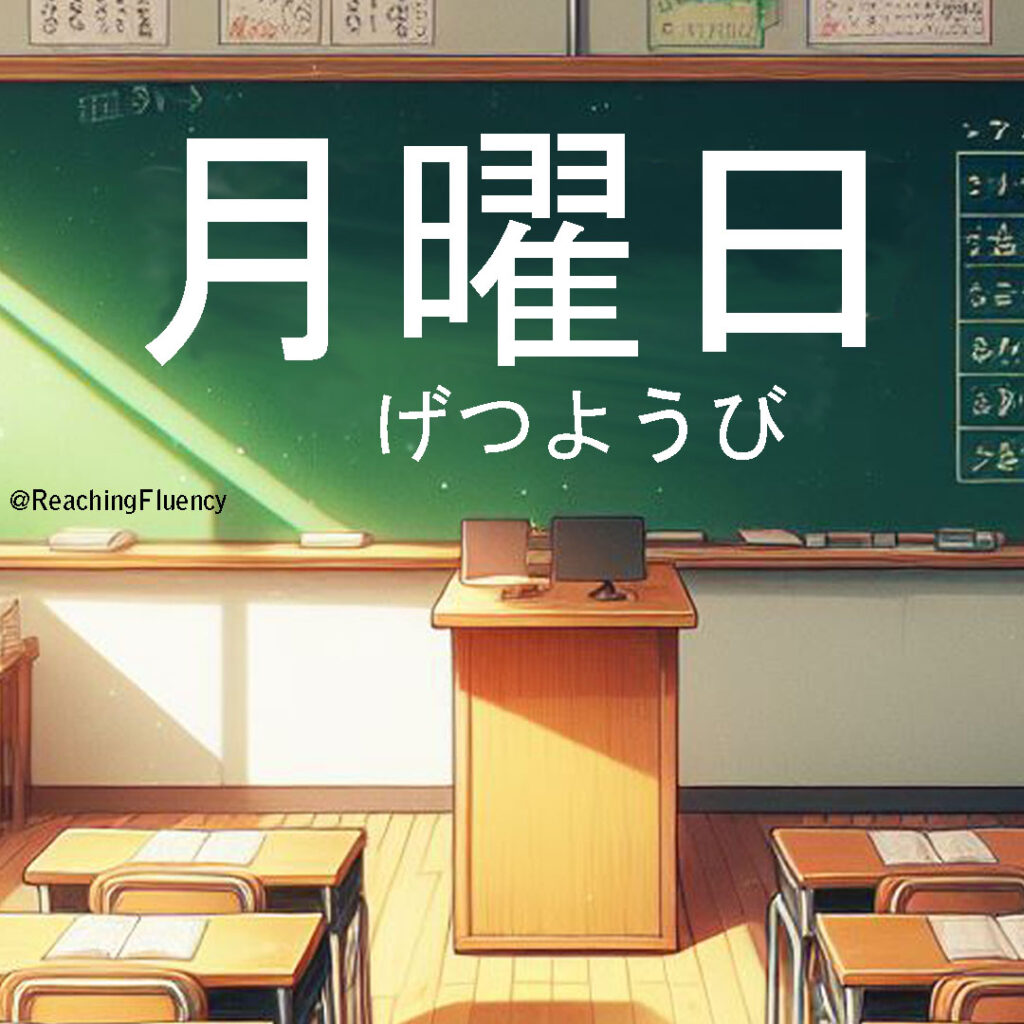
月曜日 (げつようび) – Monday
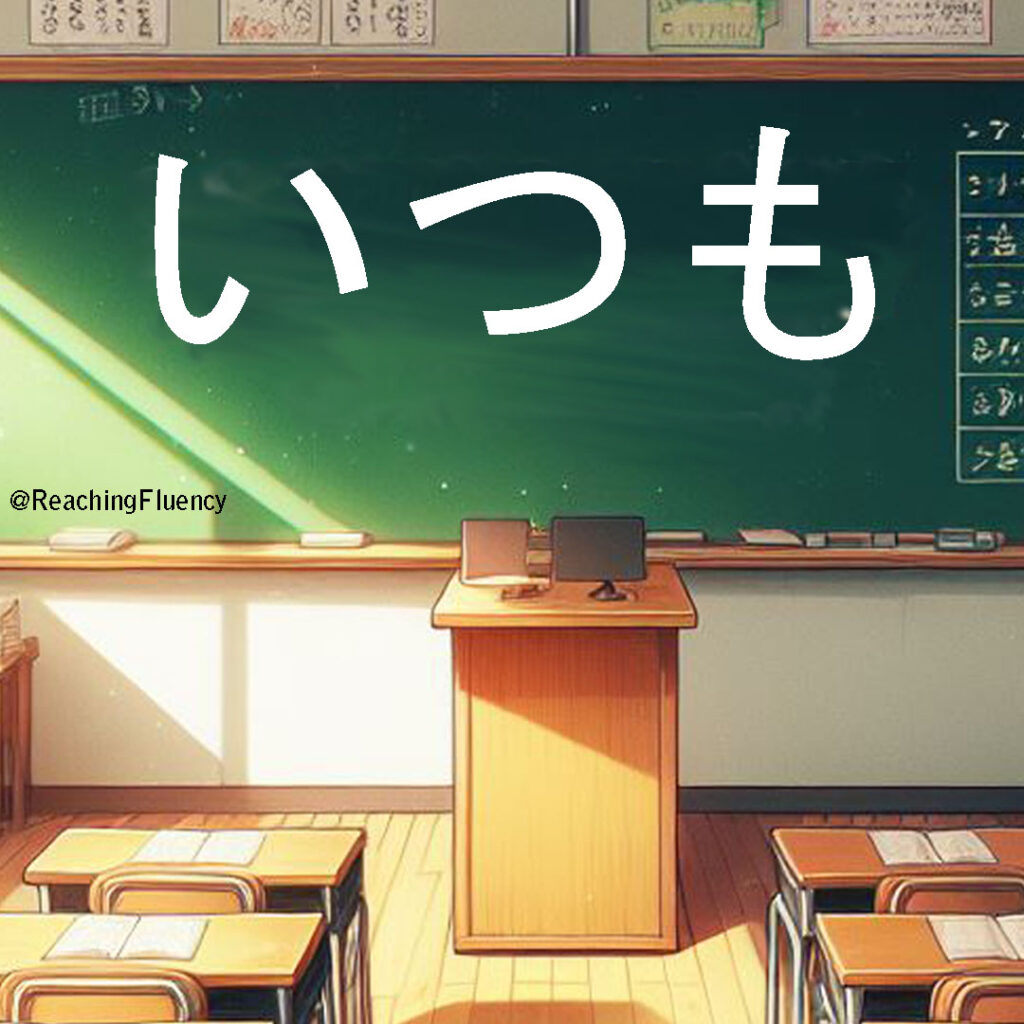
いつも – Always
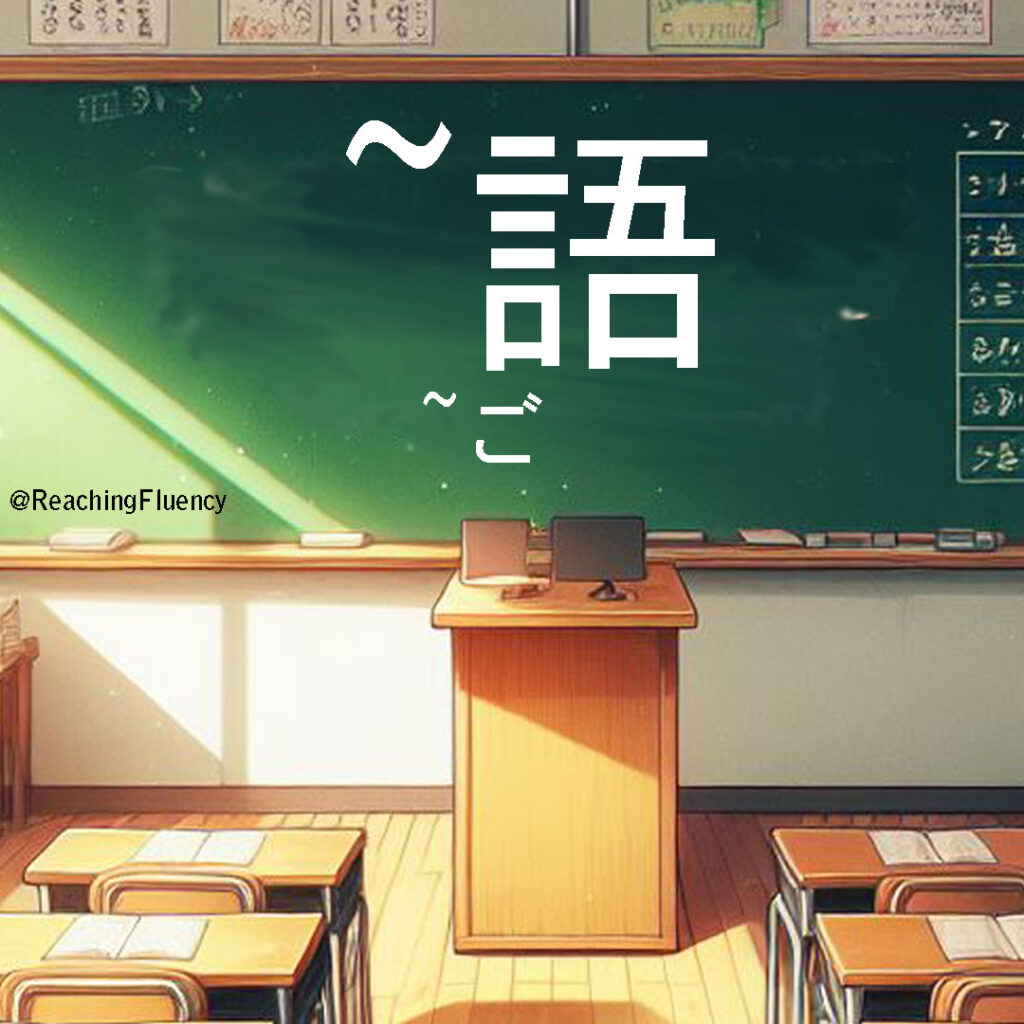
~語 (~ご) – Language
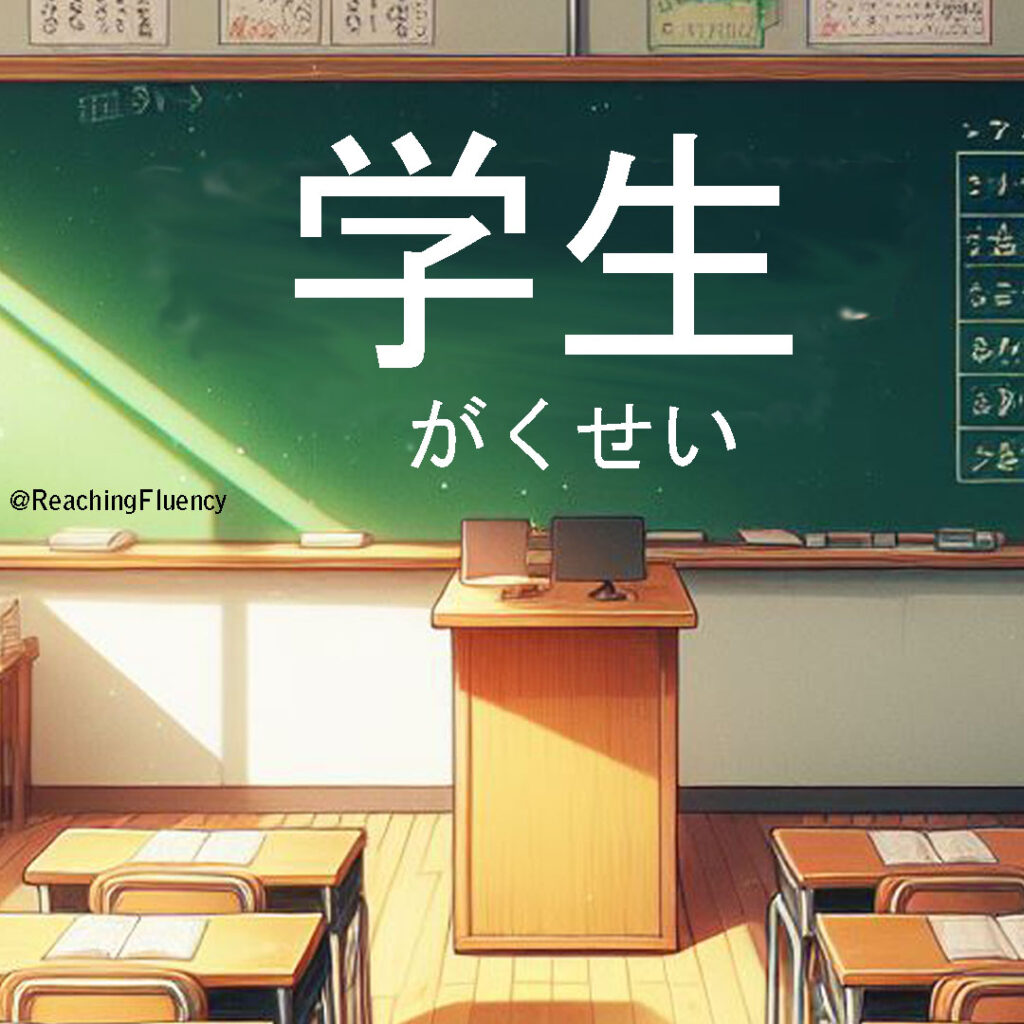
学生 (がくせい) – Student
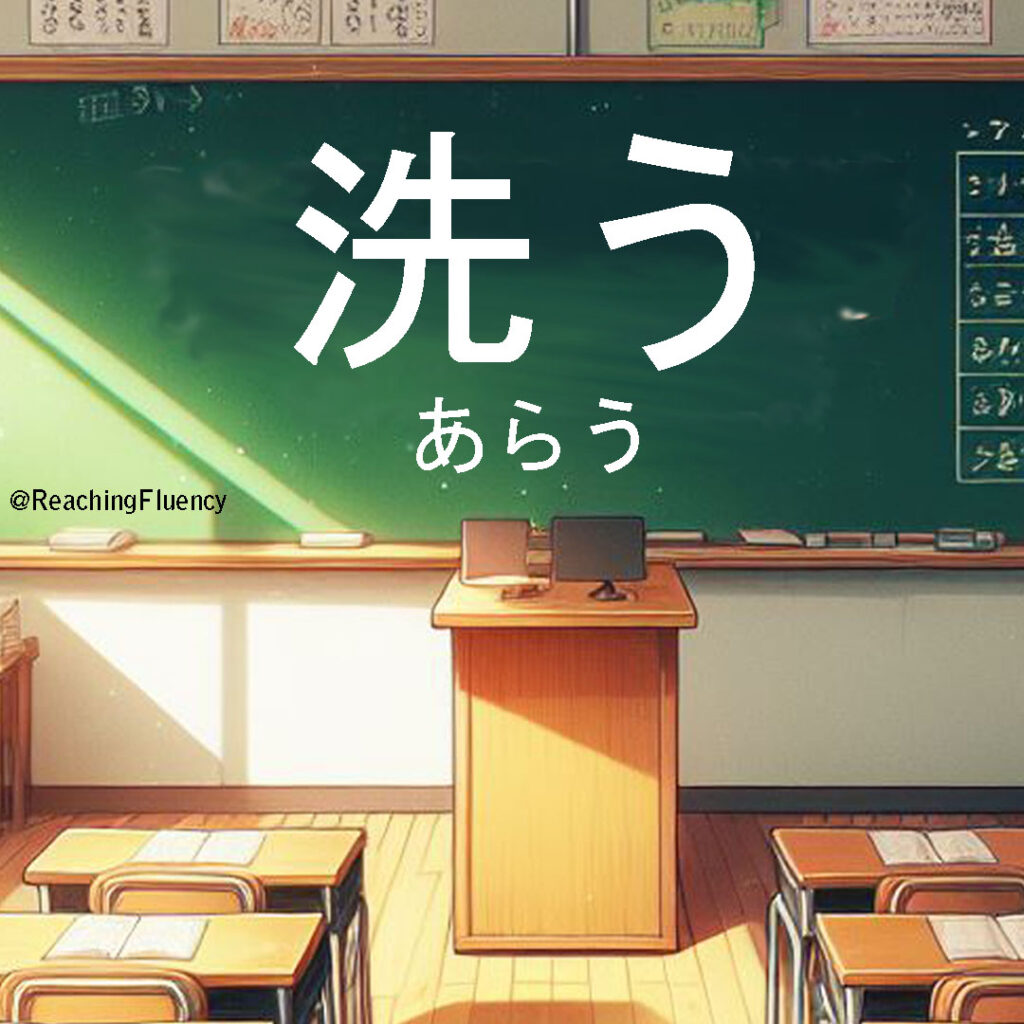
洗う (あらう) – To Wash
Today’s Immersion Videos
It is taking me time to find/add more immersion videos. This section will be updated shortly!
(Go To The Next Lesson: Day 8 – The が (Ga) Particle)

Ian is the owner and main writer of Reaching Fluency. He is a native English speaker, French speaker and Japanese learner and general lover of language learning.
You can read more about him on his Authors Page or link with him on social media
日常英会話メール
ニュースレターを購読してください! - 参加無料
メールリストに参加すると、少なくとも週に 1 回 (場合によってはそれ以上) メールが届きます
メールは毎日の英会話で、読んで勉強することができます。
メールは短いですが役に立ちます。いつでも停止できます


Pingback: Japanese Day 6 - Pitch Accent and "Please" - Reaching Fluency