
Today we are looking a small, but might piece of Japanese grammar, the は (wa) particle. This really is one of the cornerstones of Japanese.
The particles are really important and this one is one of the most used, so understanding this is going to help us a lot. Luckily it’s pretty straight forward.
Page Contents
The は (wa) Particle
Before we look at は being used as particle, we need to realise it is pronounced differently.
When learning hiragana, you will have learned this letter as Ha, which is correct …except when it is a particle …then it’s pronounced Wa. This is one of the very few exceptions in Japanese.
This particle appears so often! I swear it must be used in 99% of sentences, so you will get use to this slight change pretty quickly.
I have actually found that I sometimes see this is in a word, and read it as Wa, even though in this instance it should be the original Ha …so that is annoying, but it’s not too much of a problem.
Anyway, let’s get on with explaining how this particle works in sentences.
Using Theは (wa) Topic Marker Particle
In a Japanese sentence we need to make it clear what we are talking about and we do this by marking the topic …and we do this by saying whatever the topic is, followed by the は (wa) particle.
You will hear some words, then は …basically everything before this is the topic, and it makes more sense if you see thisは as a flag, that is saying “as for”. If we look at a simple sentence it will make more sense.
これは犬です (kore wa inu desu) – This is a dog
If we break this down directly into English, it is going to sound a bit backwards, but that doesn’t matter for now, we are just looking at how the particle would work in Japanese.
The sentence litreally reads: This は dog it is …and as I’ve just said, you should see the は “as for”.
When you do this, the sentence looks more like this – This, As for it …it is a dog
It still sounds very strange to us, but the important thing to note is that that everything before the は is the topic, so here “これ” is the topic. The Topic we are talking about is “THIS”.
Everything after これ is either a question or a statement about the topic …so the sentence example here is saying …the topic I am trying to talk about (this) …is a dog.
The other day when I said you need to be kind of loose with some of the translations, this is exactly why. You can see how this simple sentence sounds so strange, but really “This, As for it …it is a dog” would be just “THIS is a dog”.
If we look at another example you can see this happening again:
私はイギリス人 (watashi wa eigojin) I am English – but this is really saying – As for me, I am an English person.
As you can see the word “I”, which is 私, comes before the はso the topic of this sentence is “I” and everything after is information about this. It is telling you that I am an English person.
The same happens here:
タナカさんは日本人 (tanaka-san wa nihonjin) …literally means – Tanaka, as for… Japanese person
Here we are saying Tanaka is the topic, we are talking about him …and “he is Japanese” is the information we are adding to this topic.
Saying “Tanaka, as for… Japanese person” is not really correct English, we would just polish this up and say “Tanaka is Japanese” however, if you can see the sentence in this more direct translation, you can see the function of how things actually work in Japanese.
Remember That Japanese Works Differently To English
It is really important to remember that Japanese is Japanese. When they say “Tanaka, as for… Japanese person” This is just how they speak, this is normal to them.
In their grammar, this structure makes sense. When we try and shoehorn it directly into English it sounds so bizarre, which is exactly why you have to be loose with the translations.
As long as you can get the just of what is being conveyed, you can polish it up to fit with English grammar. English and Japanese do not swap back and forth directly; you need to meet it in the middle. Work out what it is trying to say, then adjust it to try and sound more “English”.
Eventually you will just get comfortable with the Japanese structure and you will not need to change it, you will just understand it is.
Anyway, as I mentioned, this is は particle going to be in nearly every sentence you hear and if it’s not there, it’ because the topic/ thing you are talking about is very obvious from the context and therefore doesn’t need mentioned.
Using は(Wa) As A Contrasting Particle
You may also see the は particle being used in the middle of a sentence, to denote some sort of contrast between two topics.
Really it is still kind of still marking a topic, but it will be something like …Topic 1 は (but, in contrast) Topic 2.
These are going to be more complex sentences, and this is not really something we need to worry about for now, but it is good to just be aware of it, in case you stumble across this in your immersion.
The は (Wa) and が(Ga) Particles
You are also going to see the は (Wa) and が (Ga) particles being used in sentences. It can look like they are doing same thing and this can cause real confusion for learners.
Many people think they are interchangeable, but they are not. There is logic to when to use either, but we will go through that on another day.
For now, just understand that you may see these two being used in what seems like a similar way, but they are different, even if you can’t see that for now.
(Return To: The Full List of All The Japanese Lessons)
Today’s Vocabulary
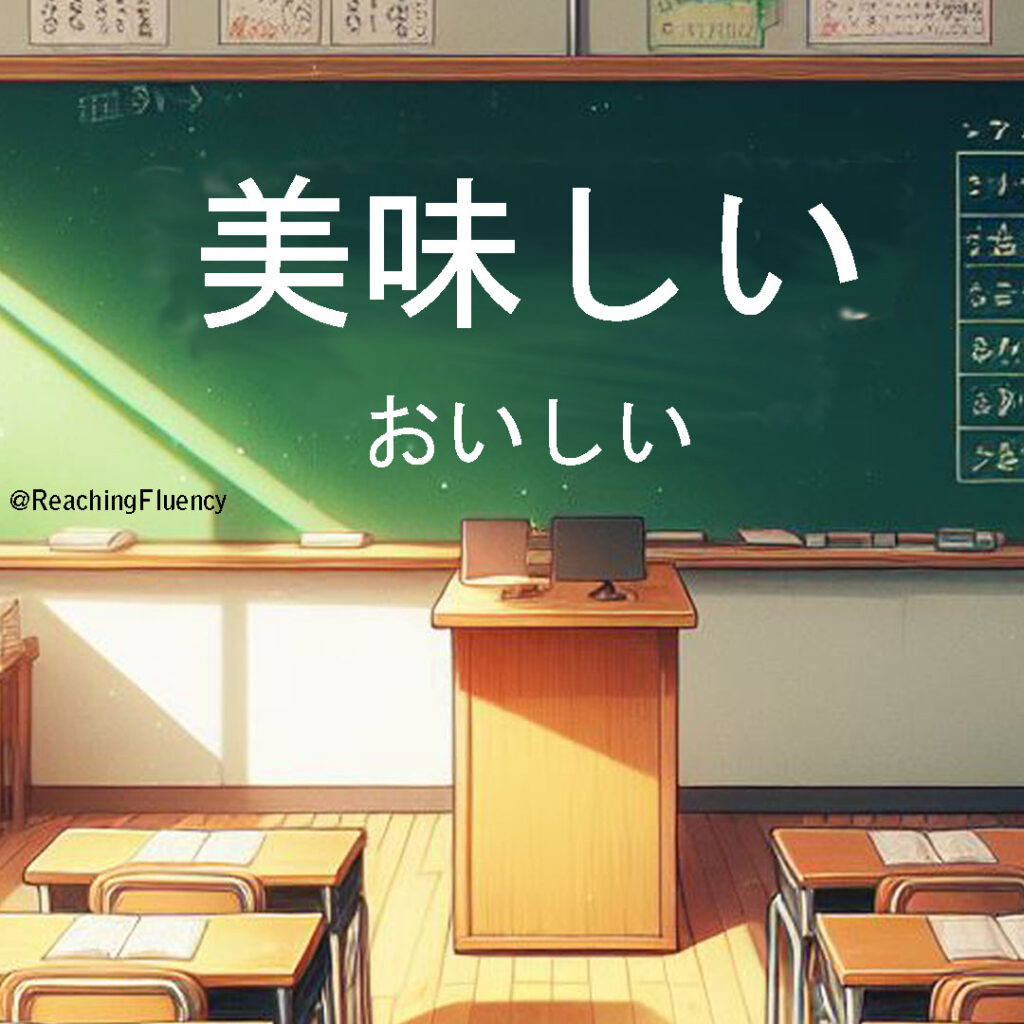
美味しい (おいしい) – Delicious
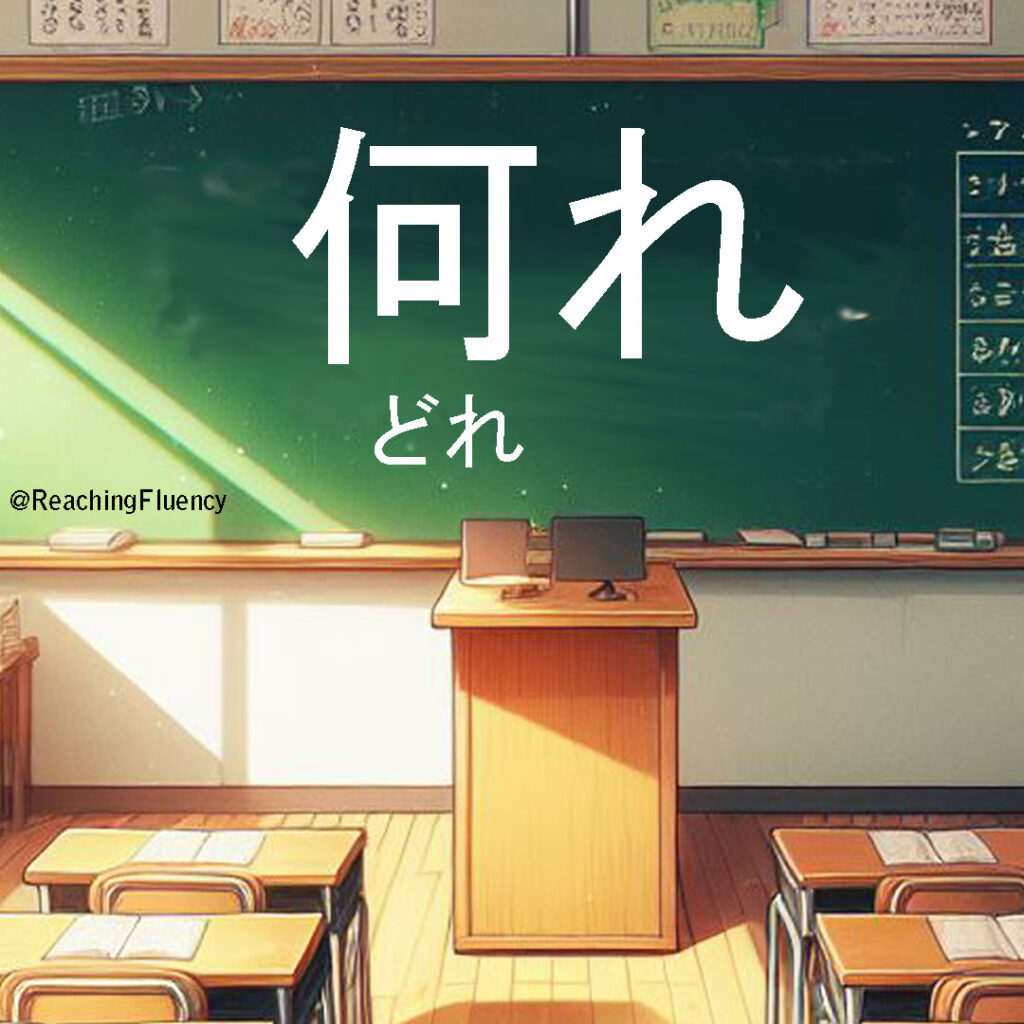
何れ (どれ) – Which
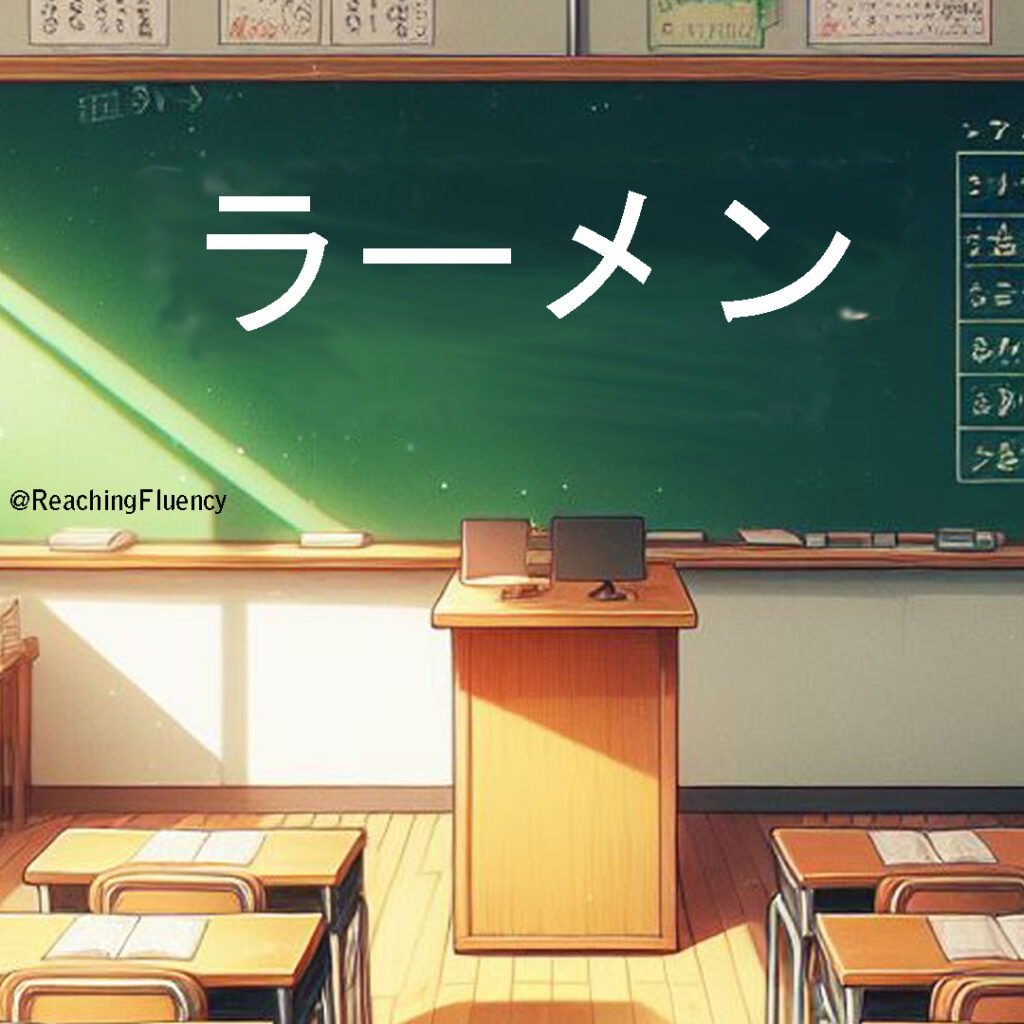
ラーメン – Ramen
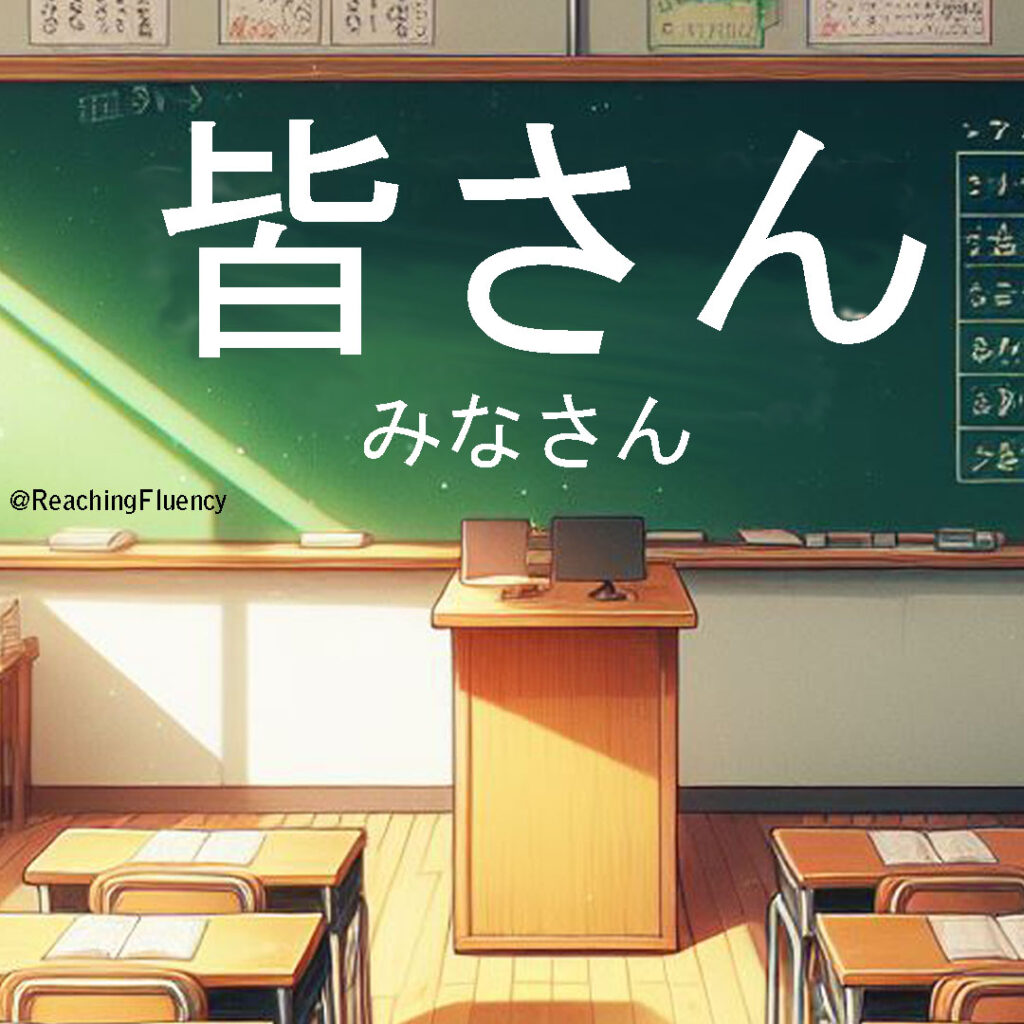
皆さん (みなさん) – Everyone /All
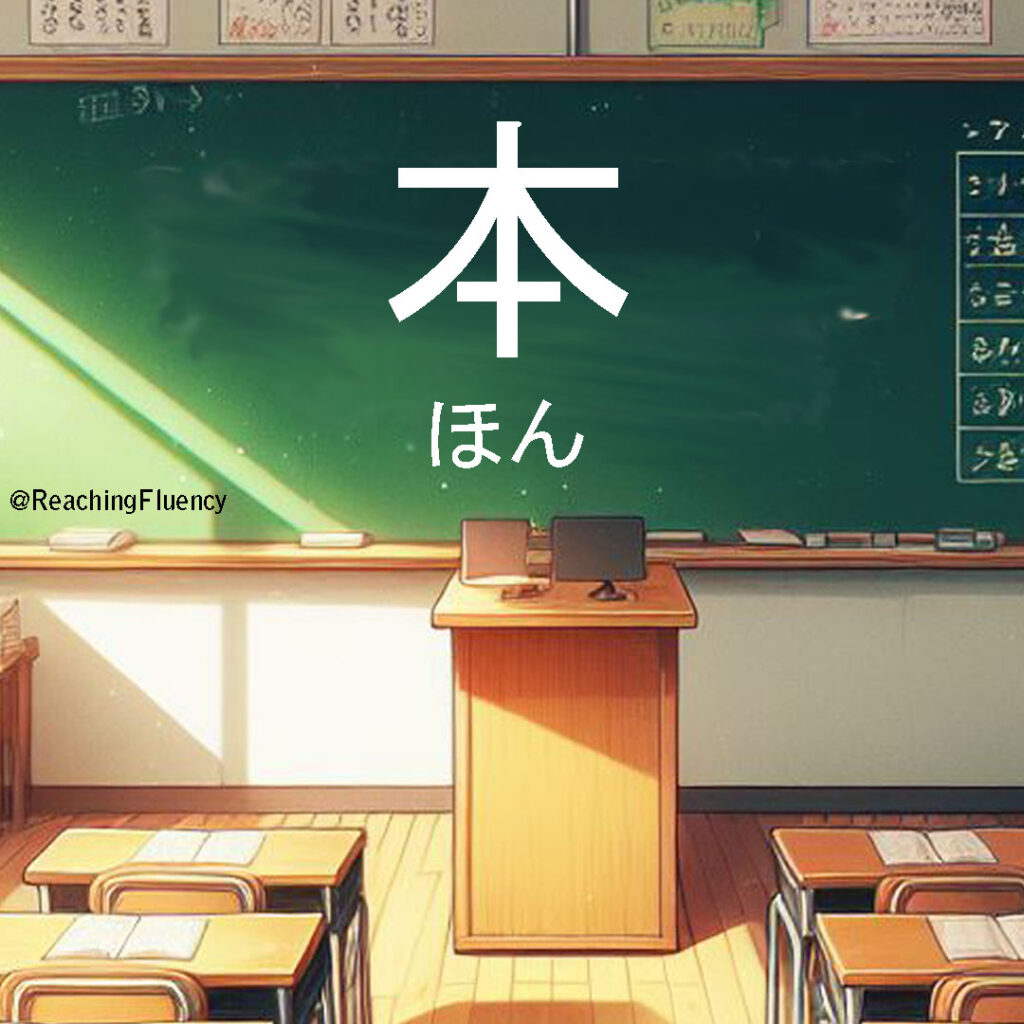
本 (ほん) – Book
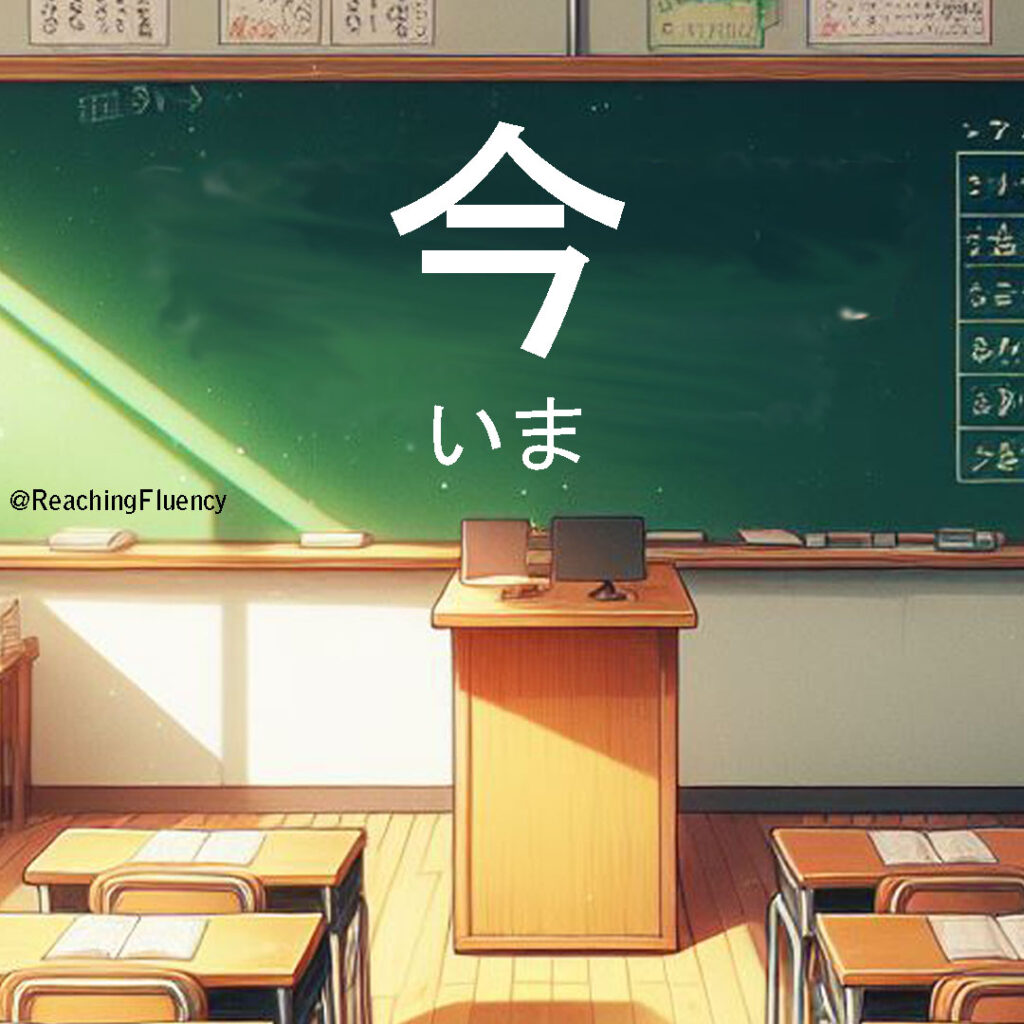
今 (いま) – Now
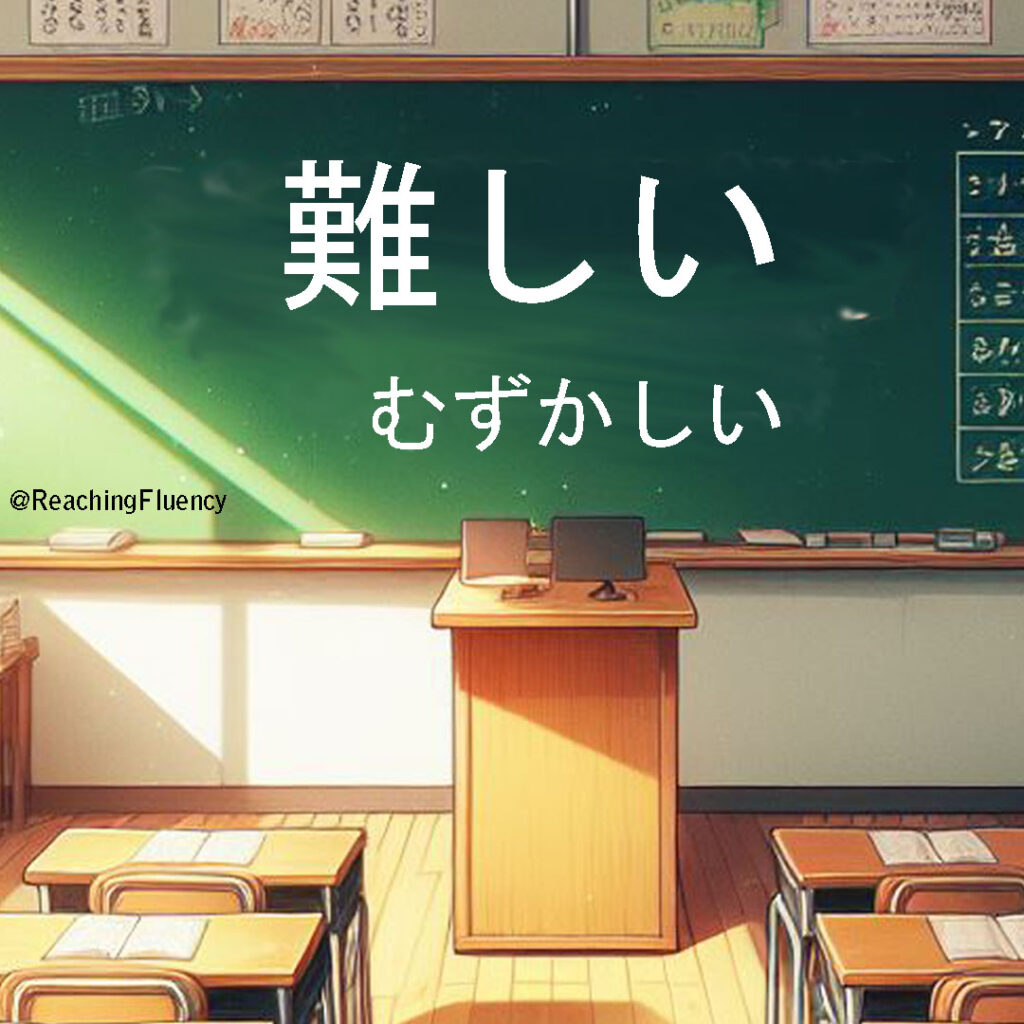
難しい (むずかしい) – Difficult
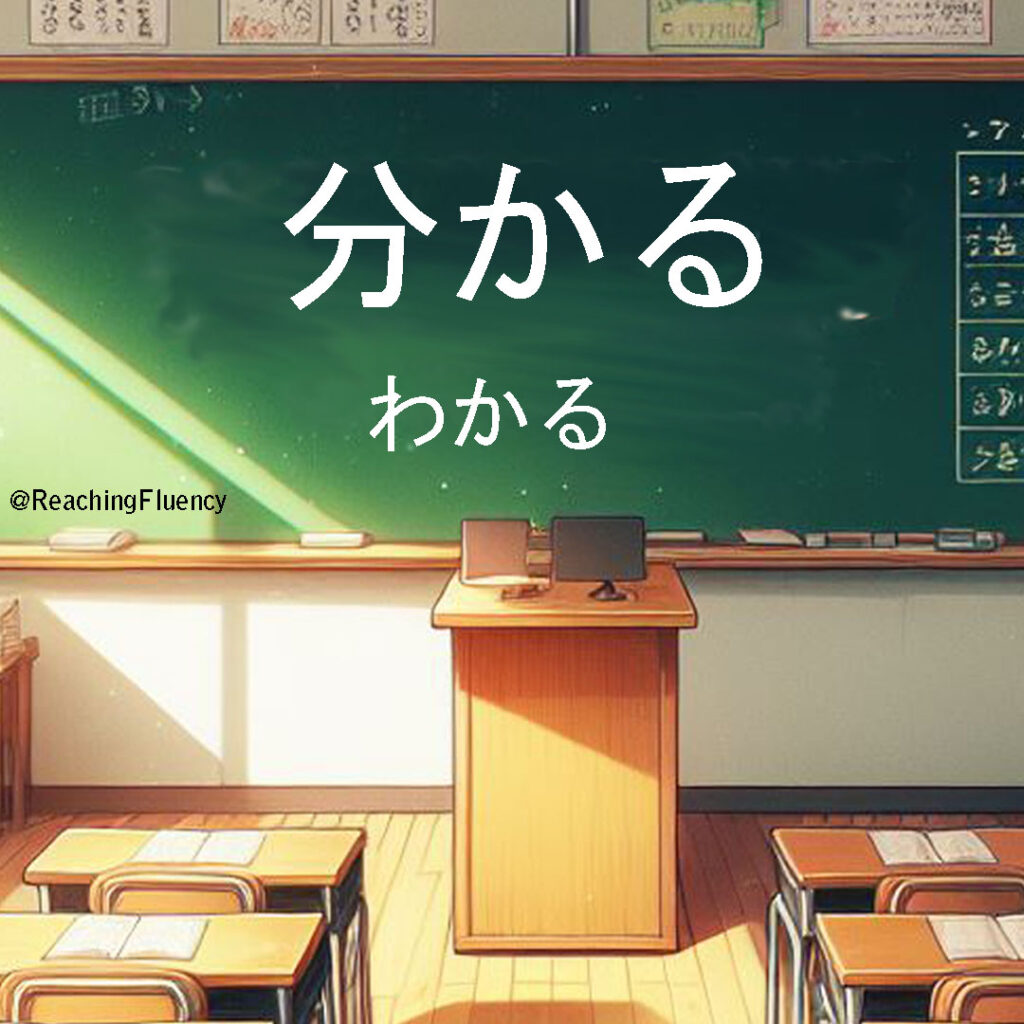
分かる (わかる) – To Understand
Today’s Immersion Videos
It is taking me time to find/add more immersion videos. This section will be updated shortly!
(Go To The Next Lesson: Day 6 – Pitch Accent and “Please”)
Ian is the owner and main writer of Reaching Fluency. He is a native English speaker, French speaker and Japanese learner and general lover of language learning.
You can read more about him on his Authors Page or link with him on social media
日常英会話メール
ニュースレターを購読してください! - 参加無料
メールリストに参加すると、少なくとも週に 1 回 (場合によってはそれ以上) メールが届きます
メールは毎日の英会話で、読んで勉強することができます。
メールは短いですが役に立ちます。いつでも停止できます


Pingback: Japanese Day 4 - Saying "This and That" - Reaching Fluency