
Today we are looking going to look at how the Japanese say “This” or “That”. This may seem like a waste of time as it’s such a small thing, but it is actually important.
They do things a little differently and this is something you will hear a lot in daily conversation, so it’s a good little piece of grammar to unlock.
Page Contents
“This” and “That” In Japanese
Saying “this” or “that” when referring to something can seem a little confusing as there is a few ways to say this in Japanese, but it’s actually not too bad.
The three words we will look at today are:
これ (Kore)
それ(Sore)
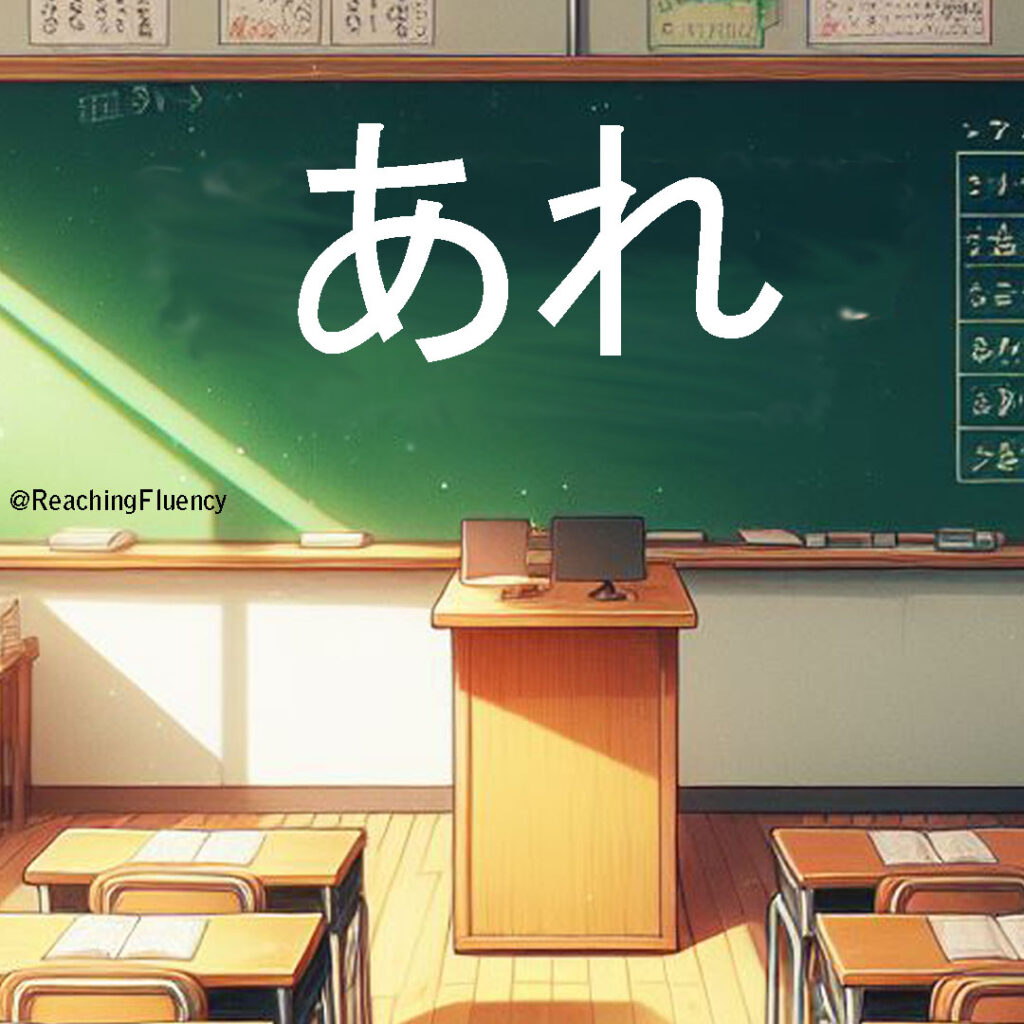
あれ(Are)
I know the first question is going to be around how do you know the difference between them, and we will get to that below, but really the difference is where the object is in relation to you and whoever you are speaking to.
In the vocabulary I have shown you over the last few days, you should have learned 何(nani) for “what” and you might have heard 何ですか(nan-desu-ka) – “What is it?” or you will heard in the video I linked in the day 1 immersion – 名前は何ですか (namae-wa-nandesuka) – “What is your name?”
However, if you want to be more precise and say “what is THIS?” or “what is THAT?” rather then you will be able to with Kore, Sore or Ore
これ は何ですか –What is this? (kore nandesu ka)
それ は何ですか –What is that? (sore nandesu ka)
あれは何ですか – What is that? (ore nandesu ka)
So let’s look at when you we each one, but first, a quick reminder of how this works in English, as it will help us.
“This” and “That” In English
Saying this or that in English is so basic we have probably never thought how to tell the difference between the two, we just know. However, there is a difference, and if you are learning English, you need to know this in the same way we are about to learn it in Japanese.
If we think of any object, we can refer to it as either This or That …and which word we pick will depend on where the object is.
If we are holding it, or it’s very close to us …we are going to point to and say “what is this?”
Then the opposite is true, if someone else is holding the object, or it is not as close to us, we are going to point to it and say “what is that?”
All pretty simple, right. Well Japanese follows a very similar logic, they have these same conditions, they just have one extra one, which we will see now.
これ (Kore) – This
これ is going to work the same way as “this” in English. You are going to use this word when you are talking about object close to you.
Imagine you are holding something in your hand and you hold it up to your friend. You would use これ Kore to ask what it is.
これ は何ですか – What is this? (kore nandesu ka)
I try to remember it by saying “ko…klose to me” which is kind of dumb, but its helps me remember Kore is for close objects.
それ (Sore) – That
それ(Sore) is the opposite ofこれ (Kore). It is used to say “that” when the object you are talking about is close to the person you are speaking to. It’s just like in English, the object is not close to you, so you would refer to it as “that”.
Imagine your friend is holding something and you want to know what it is. You would use それ(Sore) to ask what is in their hand.
それ は何ですか – What is that? (sore nandesu ka)
I again use a stupid little saying to help me remember : “so-mething they are holding” …Sore is something they have.
あれ (Are) – That
The third option (which sounds a bit strange when you consider we only have two words in English) is あれAre.
This is again going to be used like “that”, but the slight difference fromそれ (Sore) is the object we are talking about isn’t near you …AND isn’t near whoever you are speaking to.
Let’s say we are both walking down the street together, side by side and over on the other side of the road we seen something. If I want to ask you “what is that…over there, far away from us both” I would use あれ(Are).
あれは何ですか – What is that? (ore nandesu ka)
So a very small difference, but it is important. If the object is near the person you are speaking to, it’s それ …if it’s far from your both, its あれ – They both mean “that” but there is a difference, so look out for it.
The silly reminder I use for this is “look at that A-re there”. I’m probably scraping the barrel with that one, but it sort of helps, the other two reminders are maybe better …and as I always say. The more exposure you get, the easier things become.
Keep Listening Out For These Three Words
Hopefully this all made sense and while you might get a little muddled for a while but just try and use my stupid reminders and you will get more confident the more you hear these three being used.
Also, not to worry you, but there are some more ways to say this and that in Japanese, such as kono, sono, ano or koo soko asoko …but this is something for another day. Just listen out for these three basics versions for now, you should see it appear a lot in your immersion.
(Return To: The Full List of All The Japanese Lessons)
Today’s Vocabulary
すみません – Sorry
元気 (げんき) – Lively/Energetic
これ– This
それ – That
あれ – That
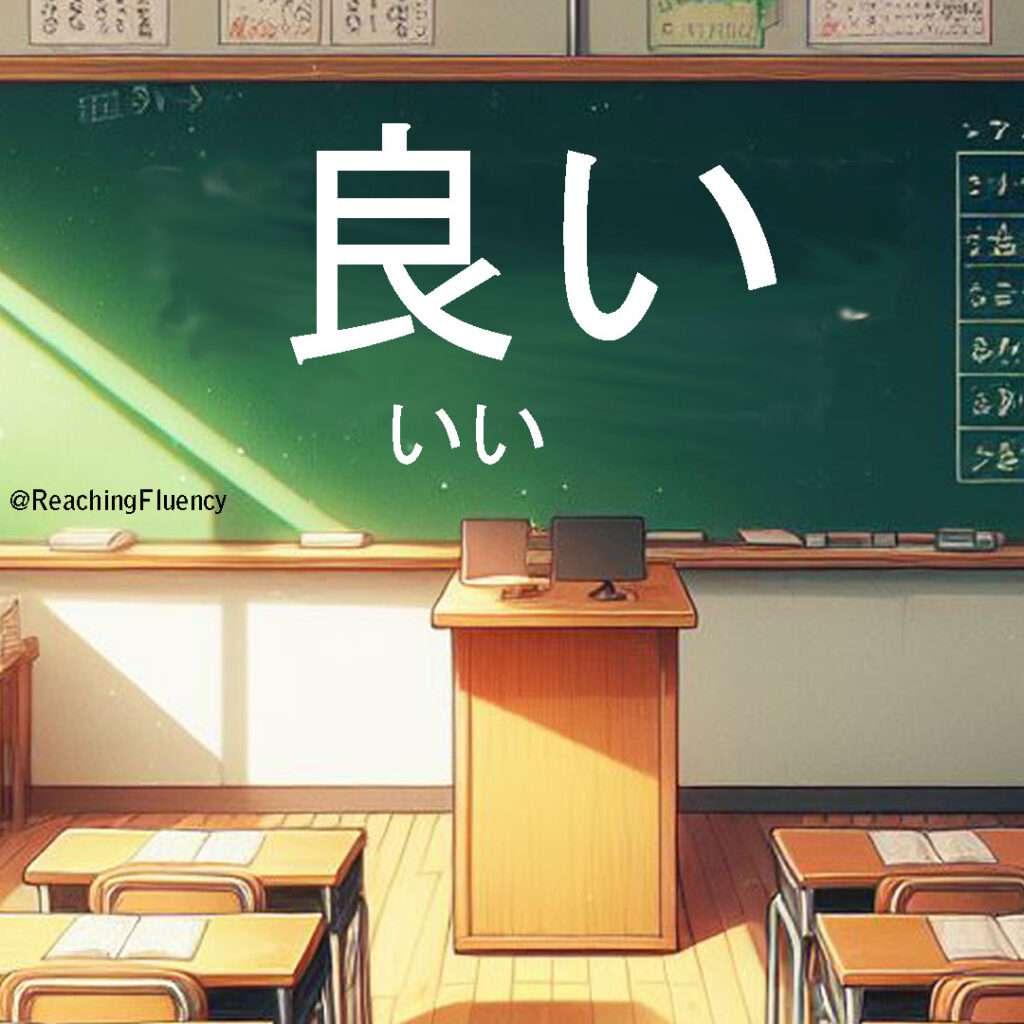
良い (いい・よい) – Good
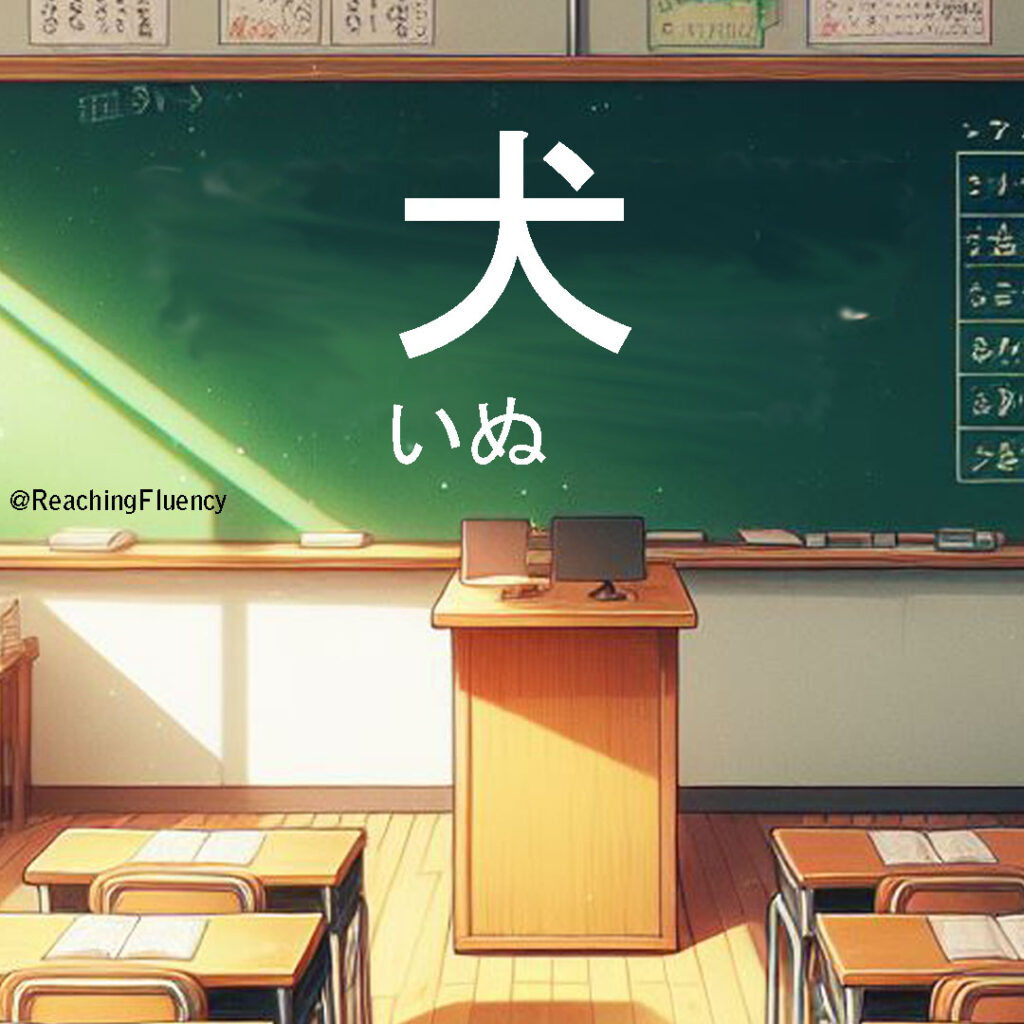
犬 (いぬ) -Dog
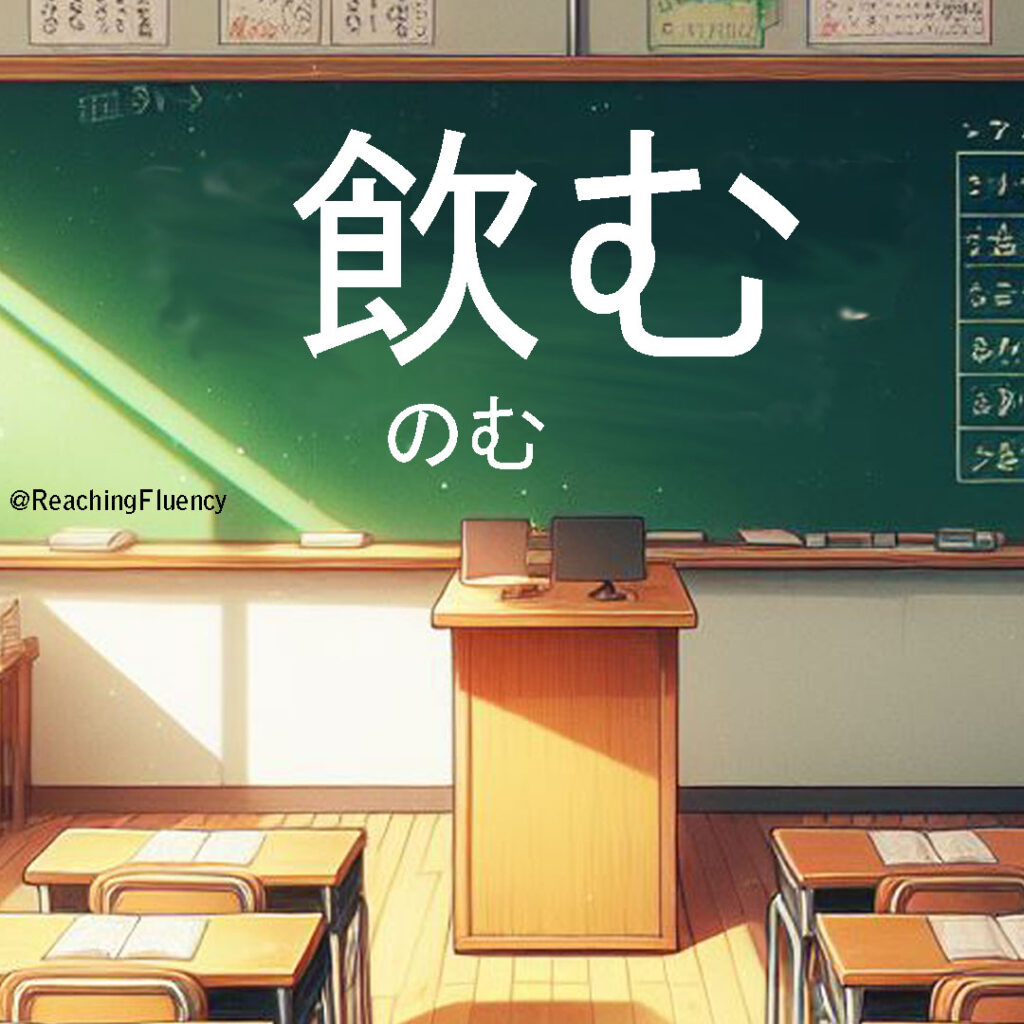
飲む (のむ) – To Drink
Today’s Immersion Videos
It is taking me time to find/add more immersion videos. This section will be updated shortly!
(Go To The Next Lesson: Day 5 – The は (Wa) Particle)

Ian is the owner and main writer of Reaching Fluency. He is a native English speaker, French speaker and Japanese learner and general lover of language learning.
You can read more about him on his Authors Page or link with him on social media
日常英会話メール
ニュースレターを購読してください! - 参加無料
メールリストに参加すると、少なくとも週に 1 回 (場合によってはそれ以上) メールが届きます
メールは毎日の英会話で、読んで勉強することができます。
メールは短いですが役に立ちます。いつでも停止できます

