
Today we are looking at “like” and “dislike” in Japanese, which work a little differently compared to English.
This is just one of the cases where you need to think in Japanese, not English and really it’s rather simple, just a little strange at first.
Page Contents
Like And Dislike Are Adjectives In Japanese
Like and Dislike as are adjectives in Japanese, not verbs like they are in English. They are in fact な-adjectives, so we just treat them exactly like the rest of these.
Like – 好き (suki)
Dislike – 嫌い(kirai)
Because these two words are verbs in English, we may be expecting to see them at the end of Japanese sentences like other verbs in Japanese, but of course this won’t be the case as they are adjectives, they can often be found just before whatever word they are being used to add description to.
However, this isn’t always the case, and you can still find them at the end of the sentence, making them look like Japanese verbs.
I will go through a common format you may see these two words, but just have your wits about you, you may spot them popping up in different locations throughout sentences.
To Like
A common way to see something being “liked” is by using the sentence structure:
Like – 好き (suki)
Xは Y が 好きです(X wa Y ga suki desu)
私はケーキは好きです – I like cake
You don’t always need the topic if it is clear from context, so you would need to already be talking about something, so here, I’ve just mentioned I like cake, which means you could just say – ラーメンが好きです(ramen ga suki desu) I like ramen, and this would make sense in the context as we are both talking about food.
As with most things in Japanese, the ですin these examples is optional, it just adds a layer of politeness, so it can always be nice to add it.
To Dislike
To say you dislike something can be done the same way. The structure is the same, but of course the word is different, its – 嫌い (kirai)
X は Y が 嫌いです(X wa Y ga kirai desu)
私はケーキは嫌いです – I dislike cake
Again you can drop the topic, if context allows, so ラーメン嫌いです (ramen ga kirai desu) would make sense and also the polite ending of です isn’t always needed.
Hate and Love
If you want to step up your likes and dislikes into Love and Hate, you will find that structure is the same, but with one alteration.
Basically you just have to add the kanji for “big” before either like or dislike.
大 which is pronouncedだい (dai)
It’s a bit strange, but you are basically saying you have a big like (love) or a big dislike (hate) and while that sounds strange to us, that’s how it works in Japanese …but apart from that it’s the same.
X が大 好き- (x ga dai suki) – Love
X が 大嫌い- (x ga dai kiari) – Hate
(Return To: The Full List of All The Japanese Lessons)
Today’s Vocabulary
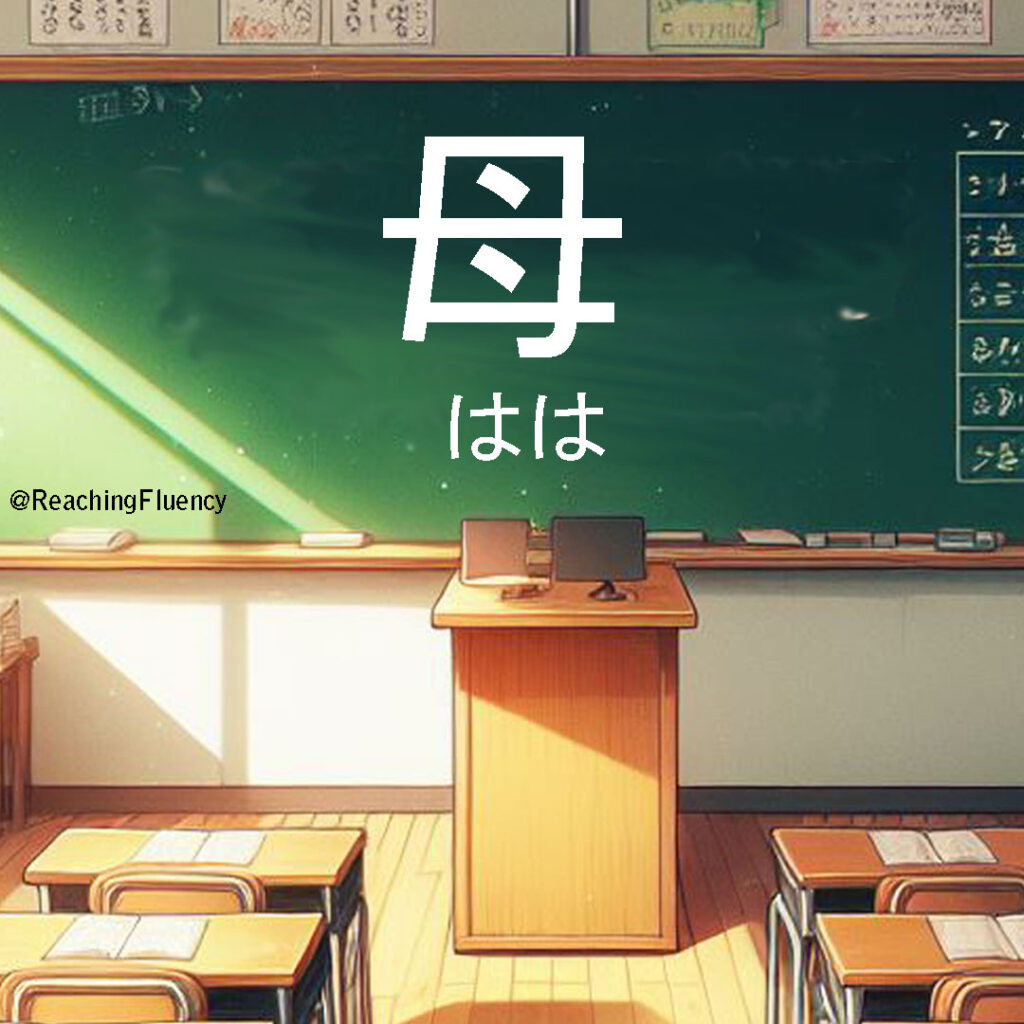
母 (はは) – Mother
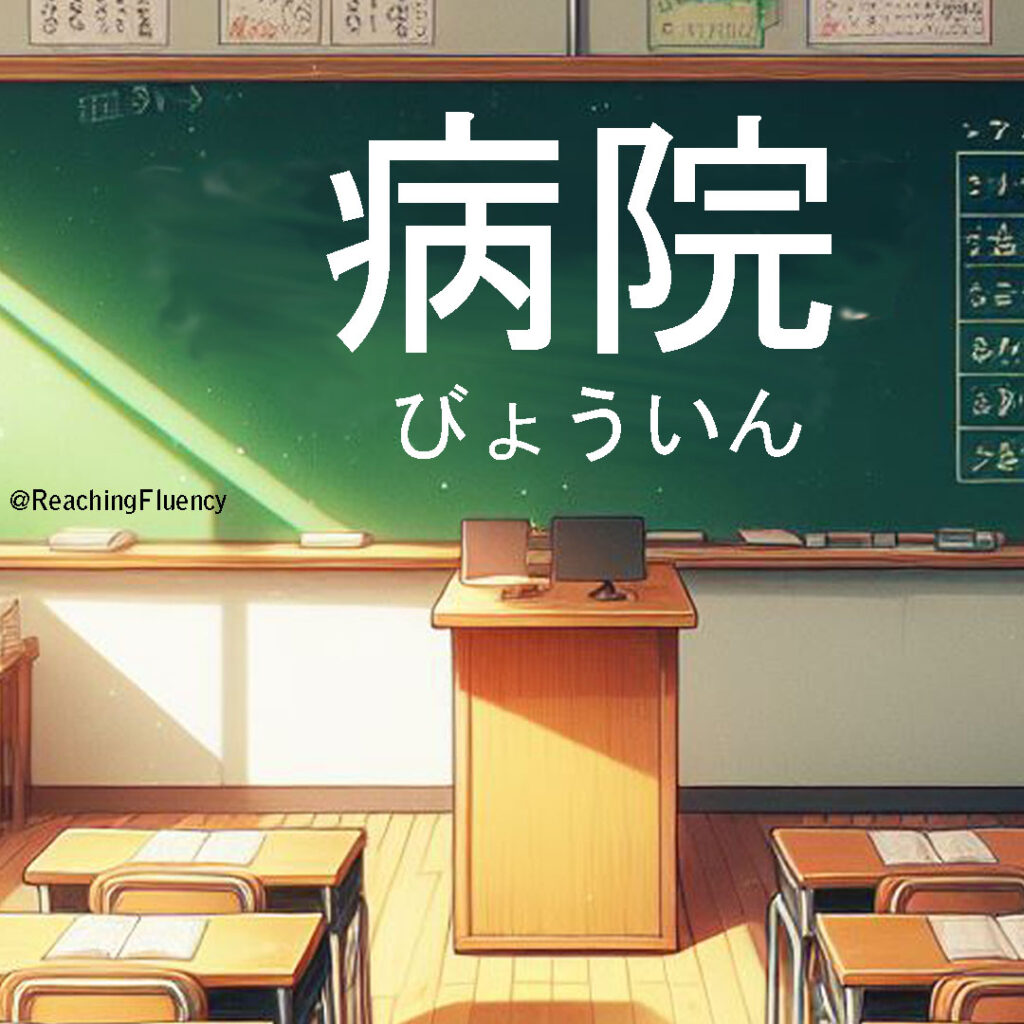
病院 (びょういん) – Hospital
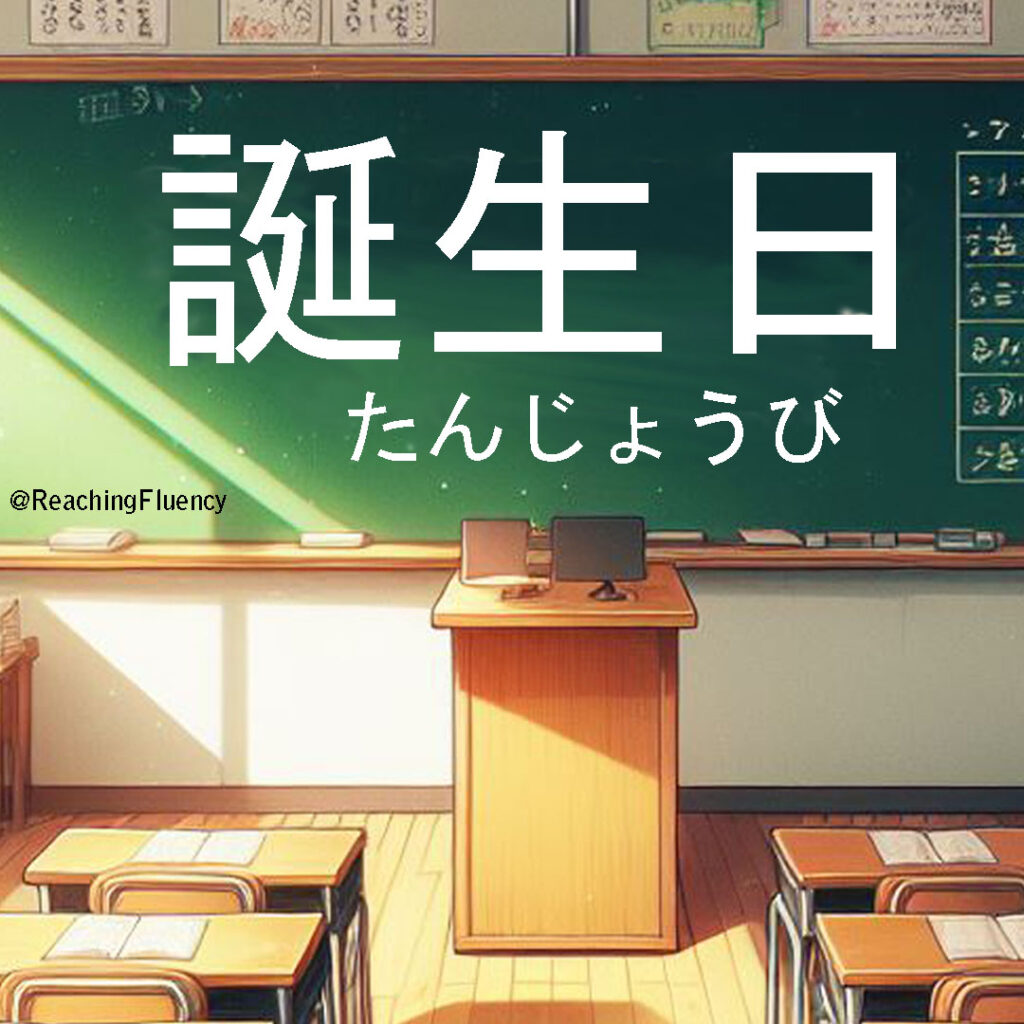
誕生日 (たんじょうび) – Birthday
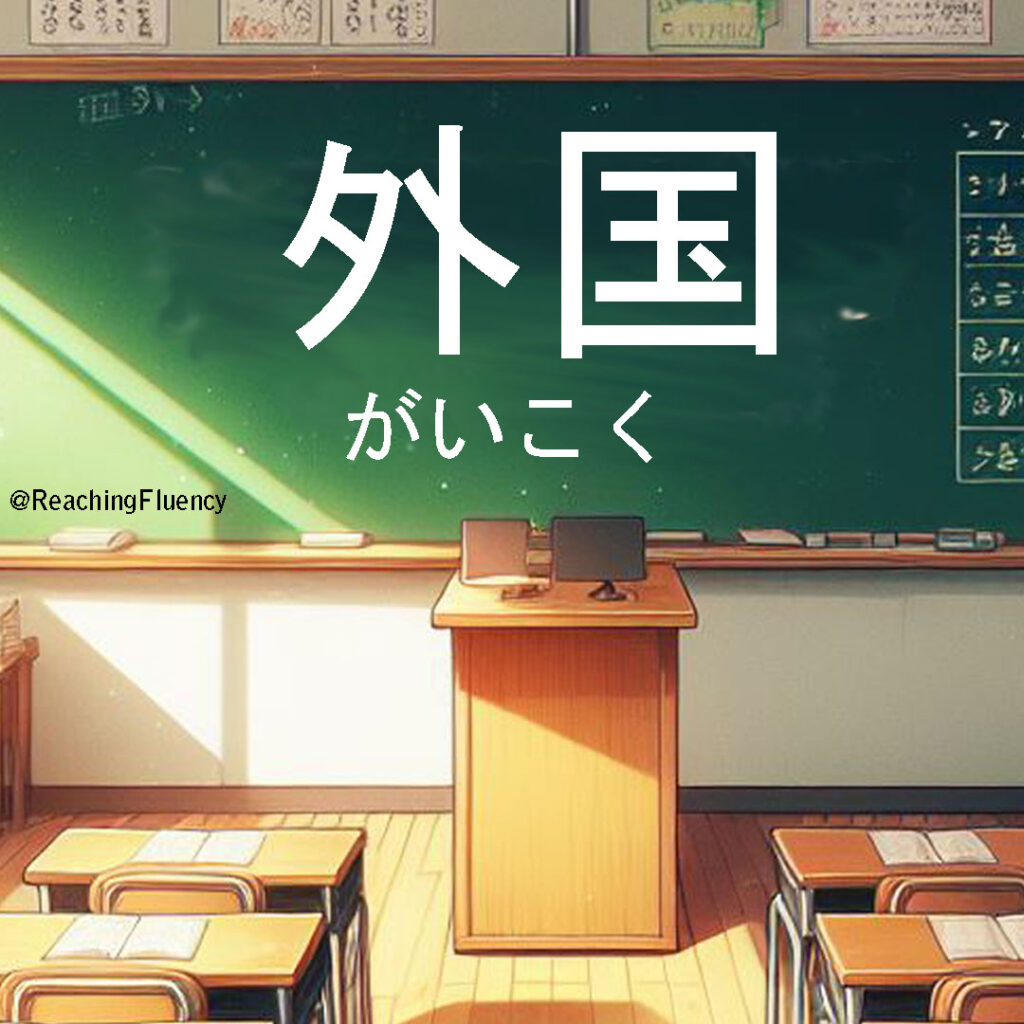
外国 (がいこく) – Foreign Country
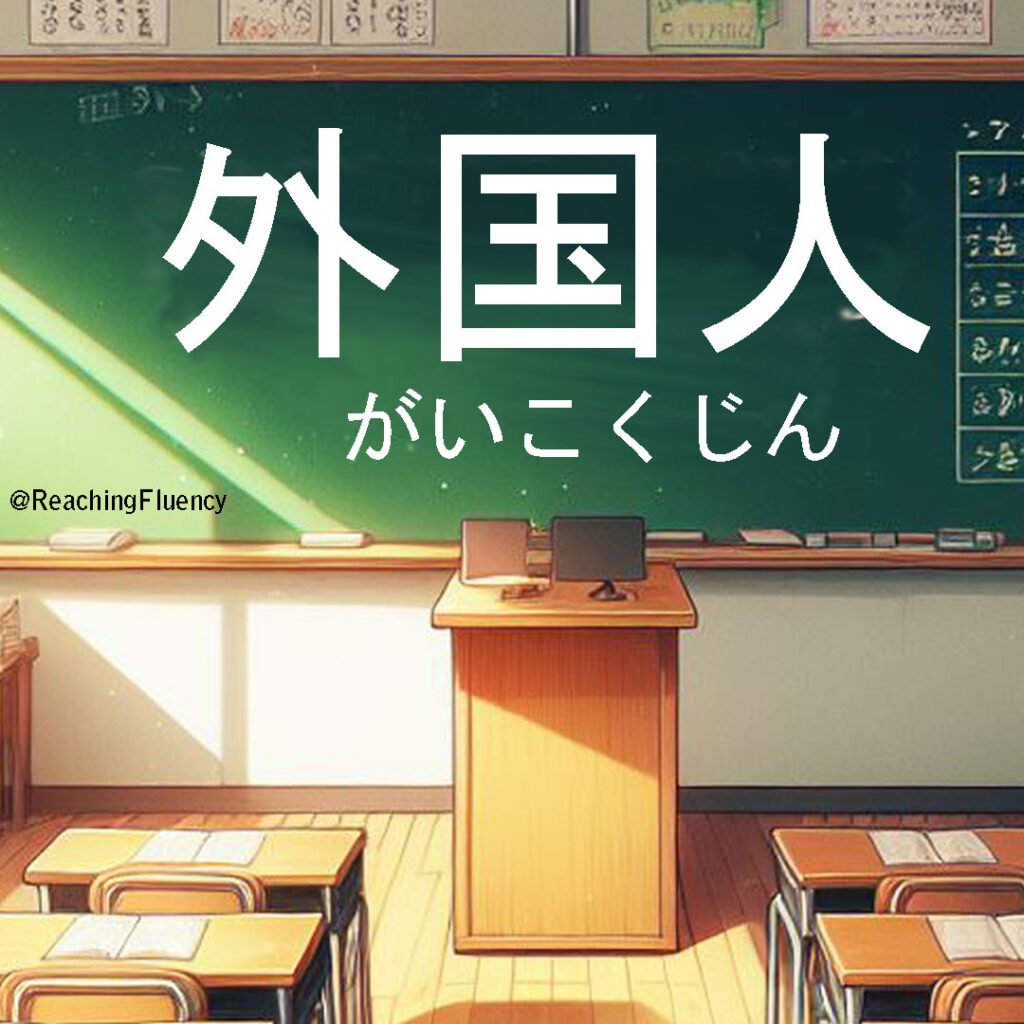
外国人 (がいこくじん) – Foreigner
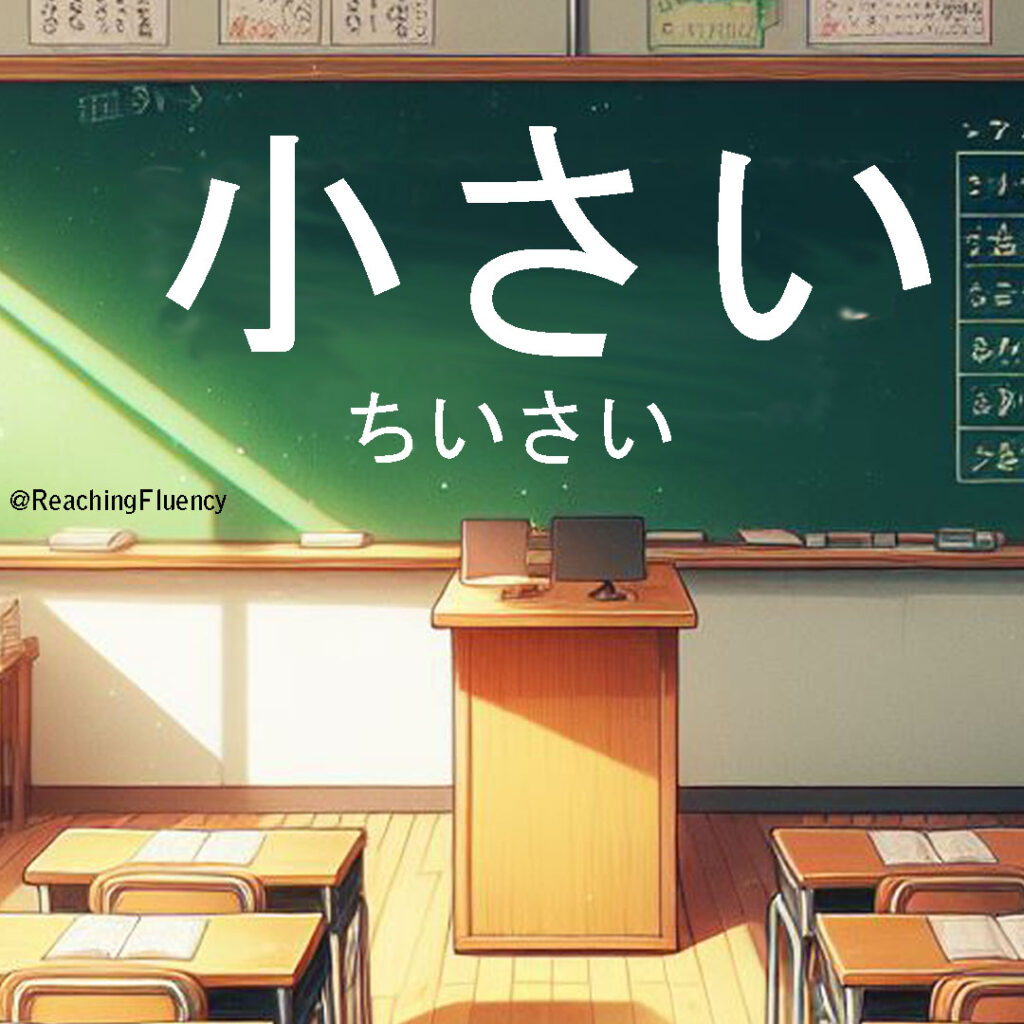
小さい (ちいさい) – Small
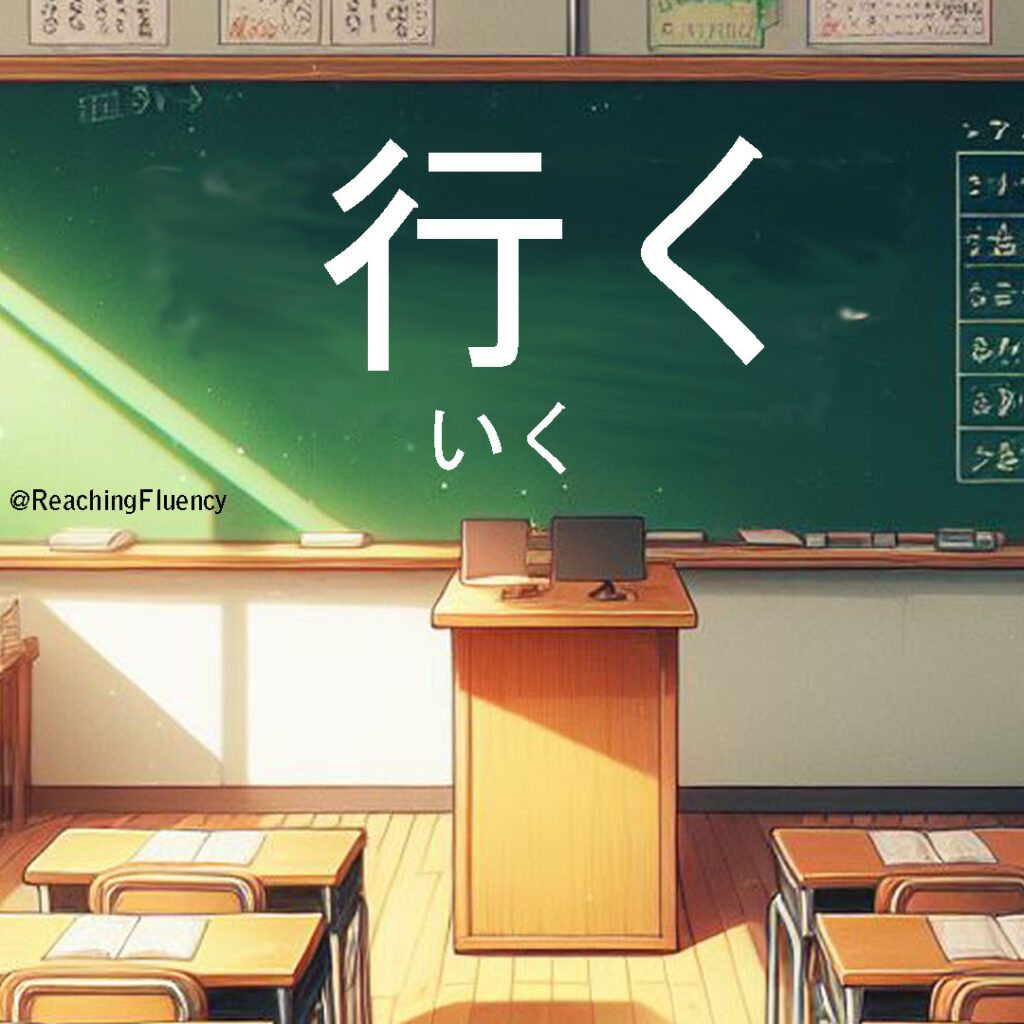
行く (いく) – To Move
Today’s Immersion Videos
It is taking me time to find/add more immersion videos. This section will be updated shortly!
(Go To The Next Lesson: Day 15 – Everything You Need To Know About Verbs)

Ian is the owner and main writer of Reaching Fluency. He is a native English speaker, French speaker and Japanese learner and general lover of language learning.
You can read more about him on his Authors Page or link with him on social media
日常英会話メール
ニュースレターを購読してください! - 参加無料
メールリストに参加すると、少なくとも週に 1 回 (場合によってはそれ以上) メールが届きます
メールは毎日の英会話で、読んで勉強することができます。
メールは短いですが役に立ちます。いつでも停止できます


Pingback: Japanese Day 13 - Adjectives In The Past Tense - Reaching Fluency