
I have covered both the い -adjectives and な -adjectives already, but you have probably noticed I missed one thing out …how to use them in the past tense, which is what I will be going over here today.
Again there are slight differences between the two types of adjectives, but it’s all very straight forward, so let get to it.
Page Contents
い Adjectives In The Past Tense
To createい adjectives the past tense, we simply have to remove the final い from the end and replace it with the ending that will form the past tense, which is – かった ka- (small) tsu- ta.
This will now allow you to say that an adjective “was” something, like “was cute” “was big” and so on.
赤い – red
赤かった – was red
If you need to make this more polite, you can of course just add です(desu) as needed.
The Past Negative
You might want to say an い adjective “was not”, which is both in the past, and a negative.
If you remember, to form a negative withい adjectives, you just have to drop theい and addedくな (kunai)
A similar thing happens for the negative in the past tense, you drop the い and instead of くな, you add くなかった (kunakatta)
And then as always, you can make this more polite by adding です.
赤 – red
赤くなかった– was not red
Quick Recap:
Remove the い from the word , and then add one of the following endings:
くない(kunai) – is not (negative, present tense)
かったよ(katta) – was (past tense)
くなかった (kunakatta) – was not (negative, past tense)
The Exception – “Good”
I already discussed this exception when I introduced you to い adjectives, so it should be no surprise that “good” is showing up again when we want to put things into the past tense.
If you remember the adjective for “good” is いい, but this is a sort of modern adaptation of the word, which organically comes from the older version – 良い (yoi) and when we want to change the form of the word “good” …even if it is the modern いい, we treat it like the older original word, and apply the rules to this version.
This does mean things are straight forward; we just need to remember that the word goes back to the original version before we do anything and then we simply remove the い and add on whatever ending we need.
良い (yoi) – good
良かった (yo-katta) – was good
良くない (yokunai) – not good
良くなかった (yokunakatta) – was not good
As it is only this one word, it is probably just easier to learn it and its various version, but also it does follow the normal rules, you just have to remember to use the older version of the word as such.
な Adjectives In The Past Tense
When it comes to な adjectives in the past tense, it is also pretty straight forward.
As these are technically nouns, it means we just need to add on the ending which will make it the past tense, which is:
だた (tada) which is less formal or でした (deshita) which is more polite
簡単 (Kantan) – easy
簡単だた(kantandata) – was easy (casual)
簡単でした (kantandeshita)- was easy (formal)
The Past Negative
If you want to say a な adjective “was not”, which is both in the past, and a negative, then this again is pretty simple as we treat な adjectives like a noun.
To remind you, to create a negative な adjective in the present tense, we just add janai. じゃない
簡単 (Kantan) – easy
簡単じゃない (Kantan janai )- not easy
To create a negative な adjective in the past tense, we just addじゃなかった (janakatta)
簡単じゃなかった (Kantan janakatta) – was not easy
So in this way, it is similar to the いadjectives, there is just some minor differences.
Quick Recap:
Add one of the following to the end of the word:
だた (data) – was (casual past tense)
でした (deshita) – was (formal past tense)
じゃない (janai) – is not (negative)
じゃなかった (janakatta) – was not (negative, past tense)
Making Adjectives More Descriptive
Adjectives by themselves are descriptive words, which give more detail to a sentence …but you can make these even more descriptive by adding a few extra words, like the following.
You will notice these all the time in your immersion, so they are good to be aware of and they simply just go before the adjective.
ちょっと(chotto) – little
とても (totemo) – very
すごく (sugoku) – extremely (can also mean “very” …as in “very much” …so “extremely”)
(Return To: The Full List of All The Japanese Lessons)
Today’s Vocabulary
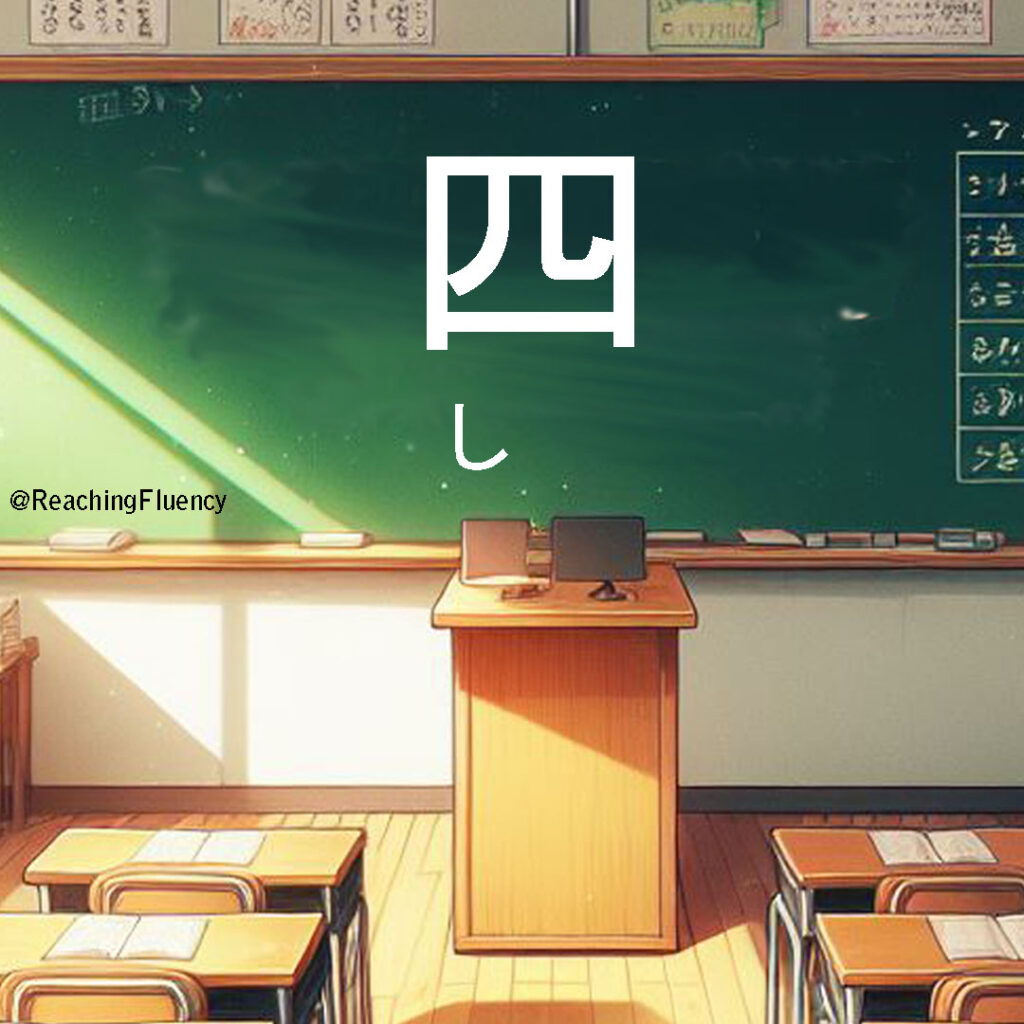
四 (し, よん, よ) – Four
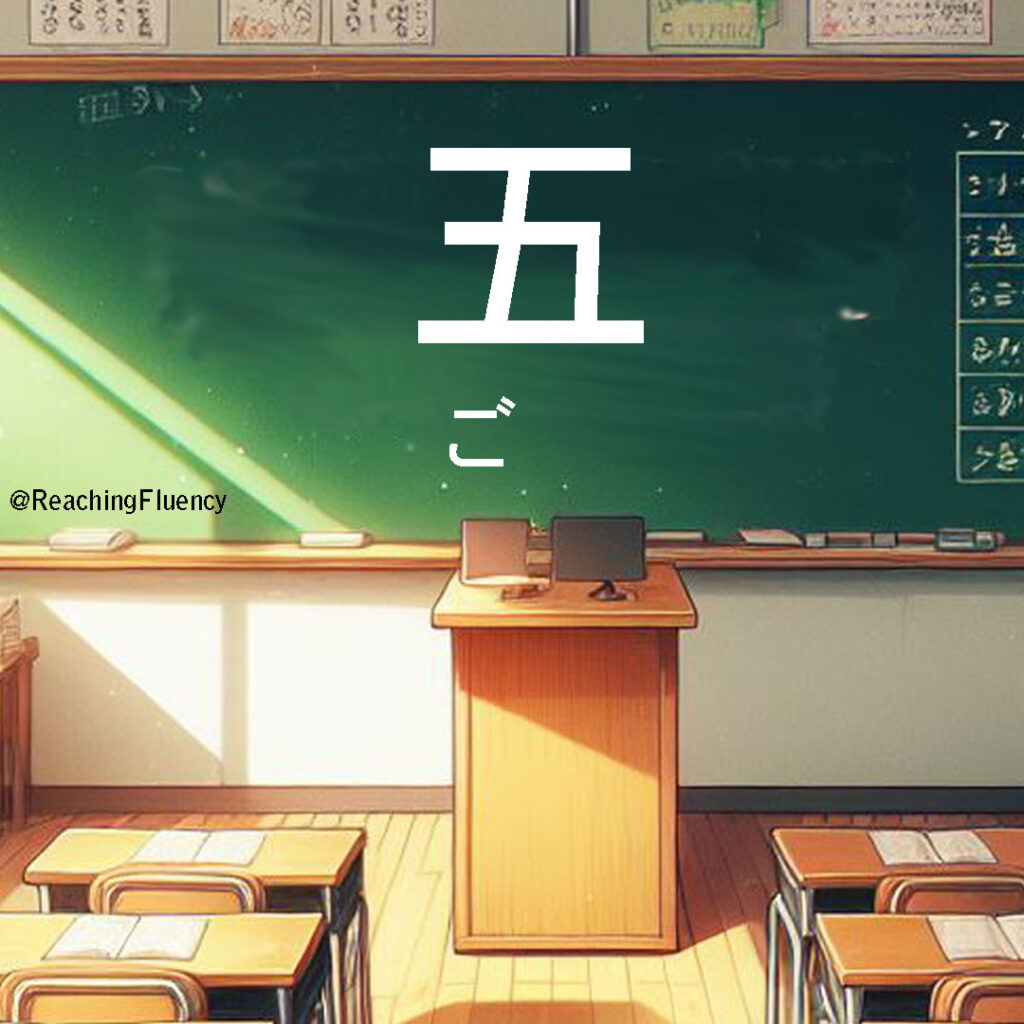
五 (ご; いつ; い) – Five
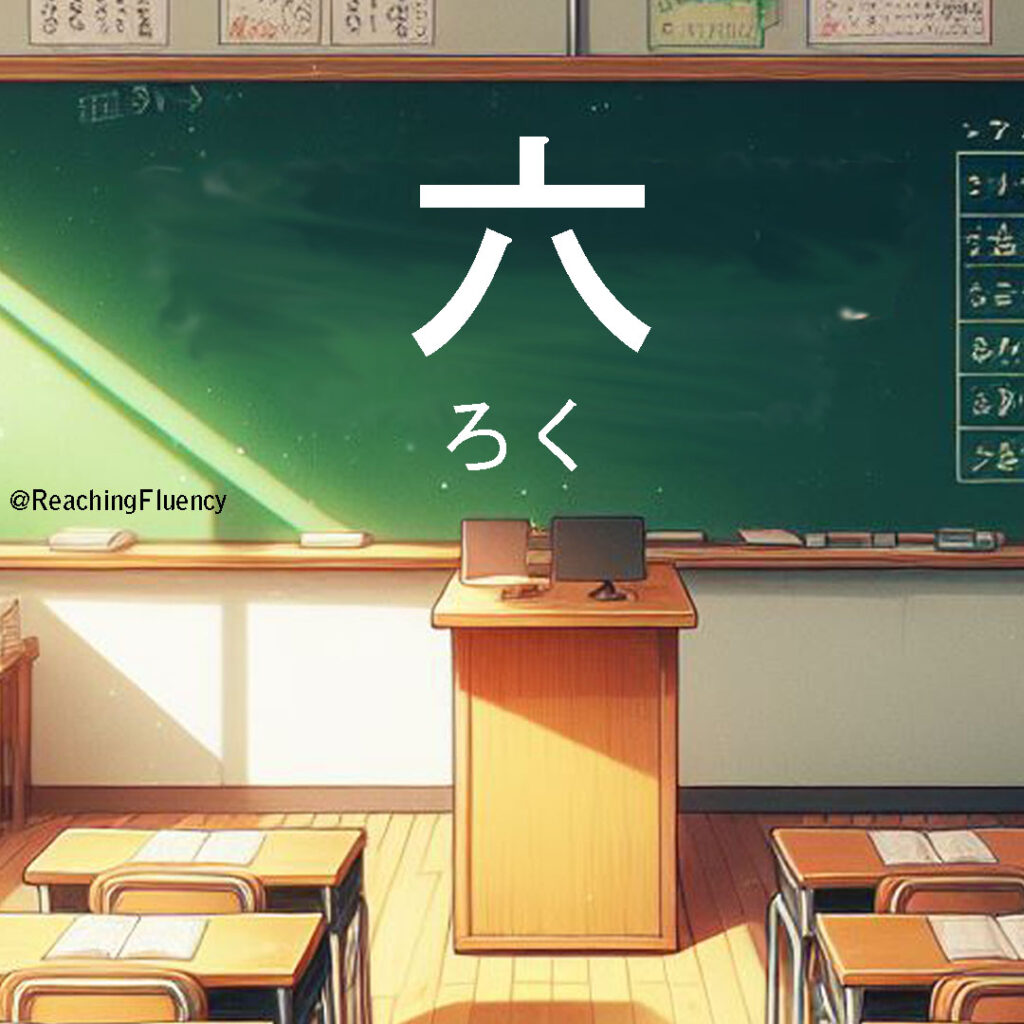
六 (ろく) – Six
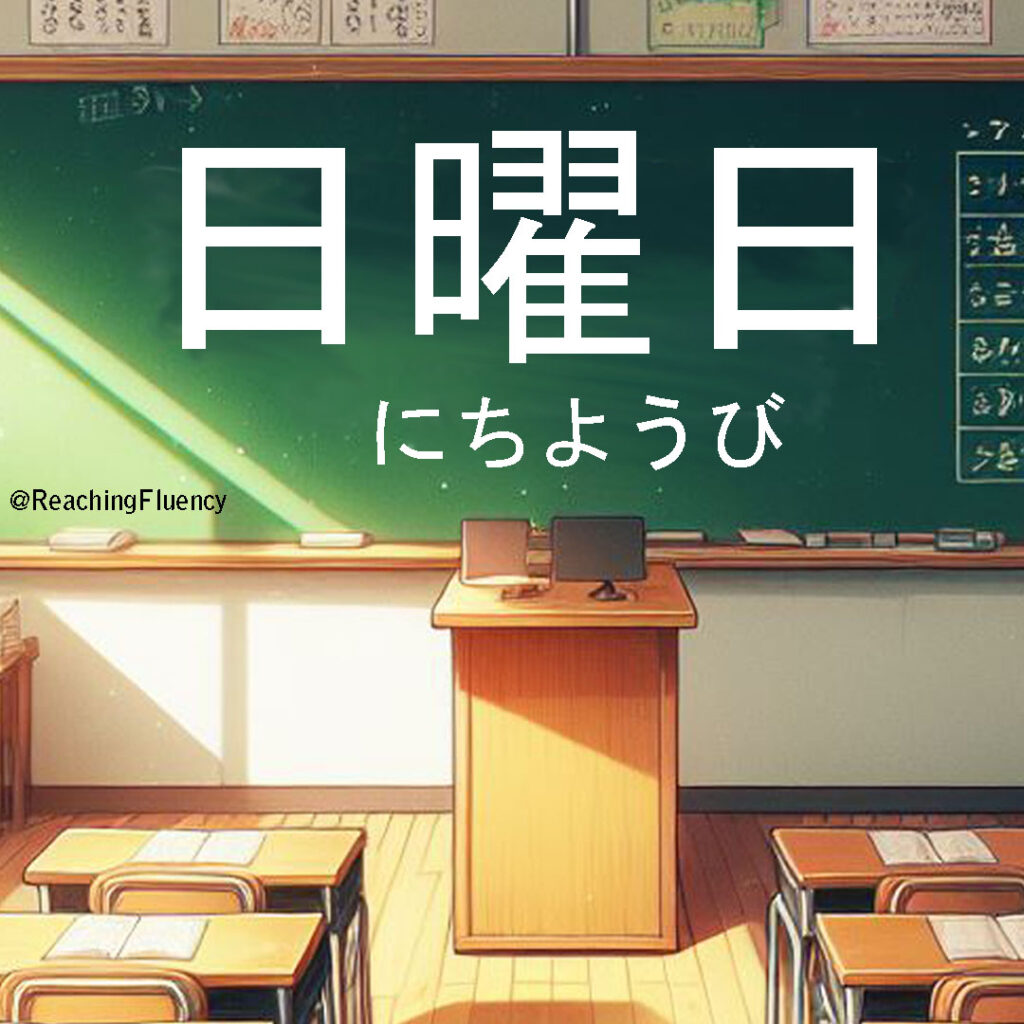
日曜日 (にちようび) – Sunday
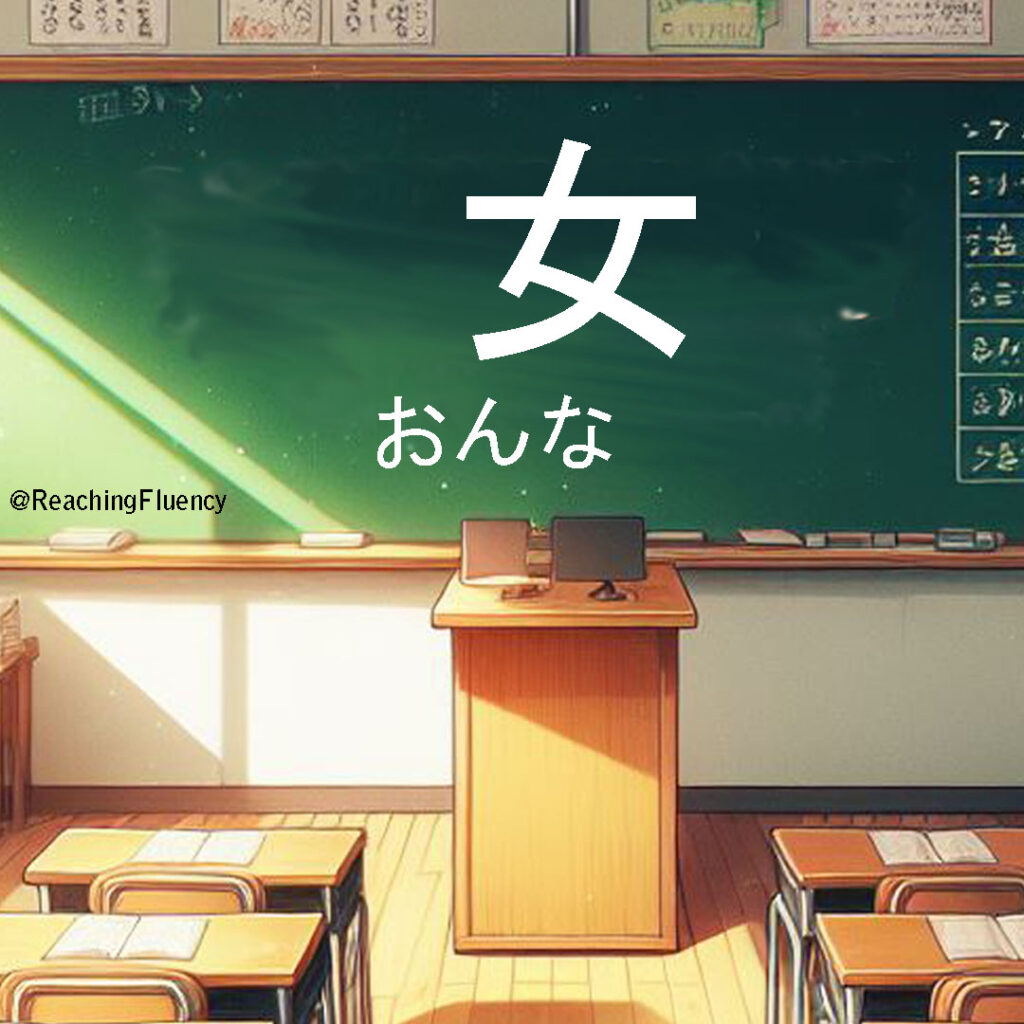
女 (おんな) – Woman
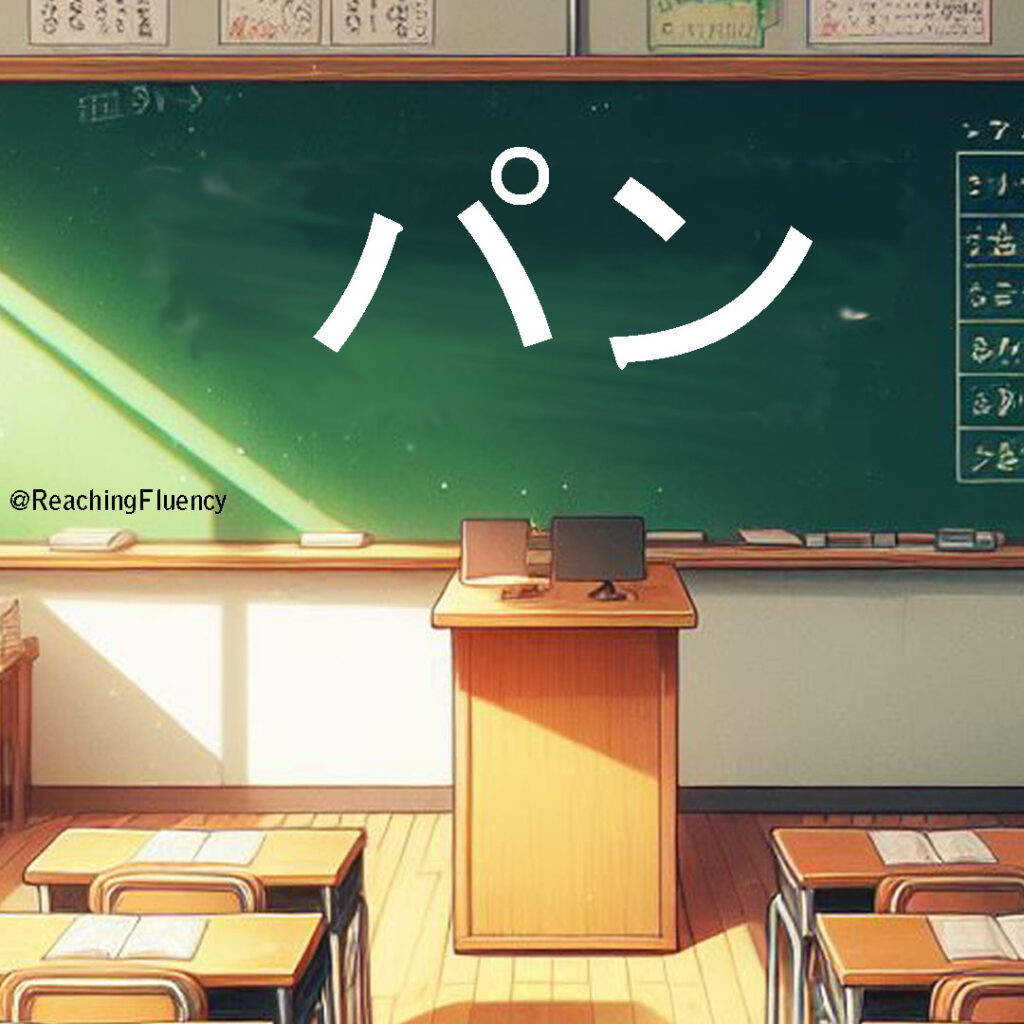
パン – Bread
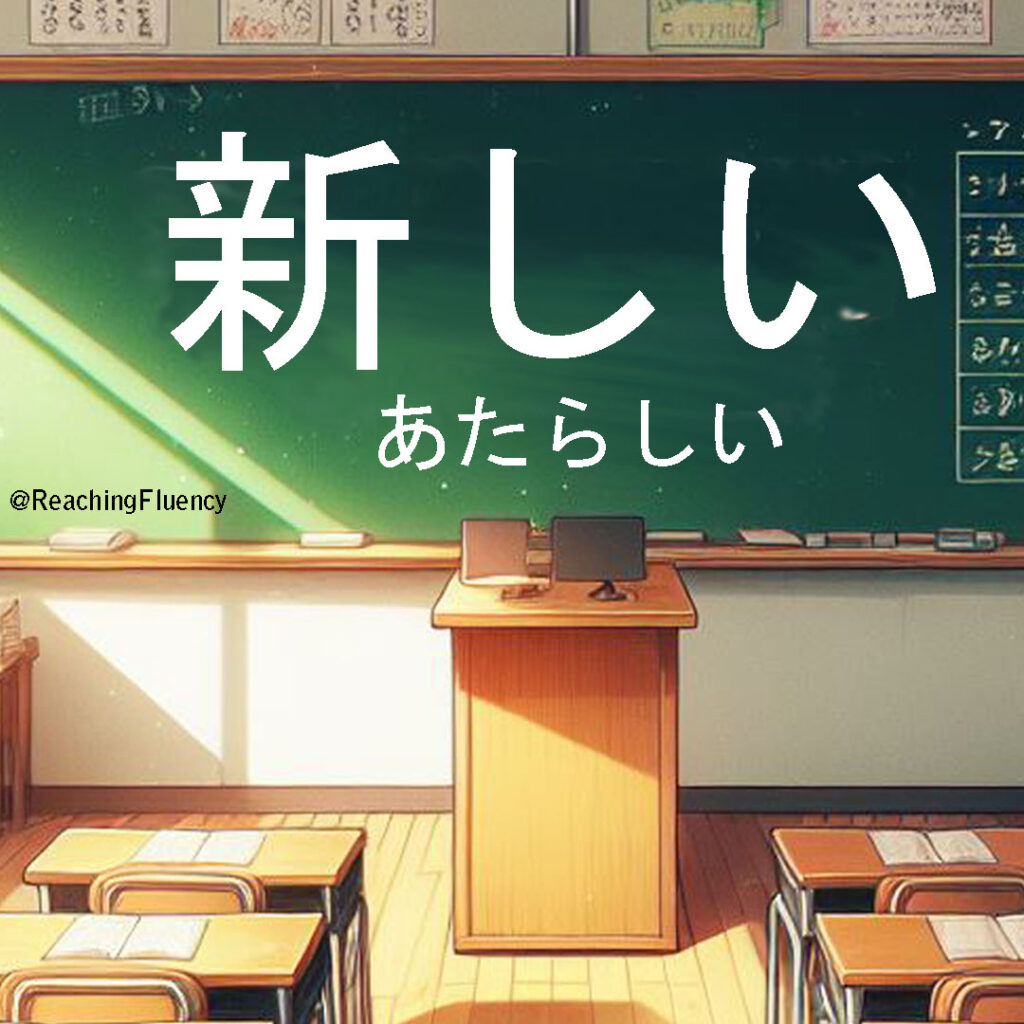
新しい (あたらしい) – New
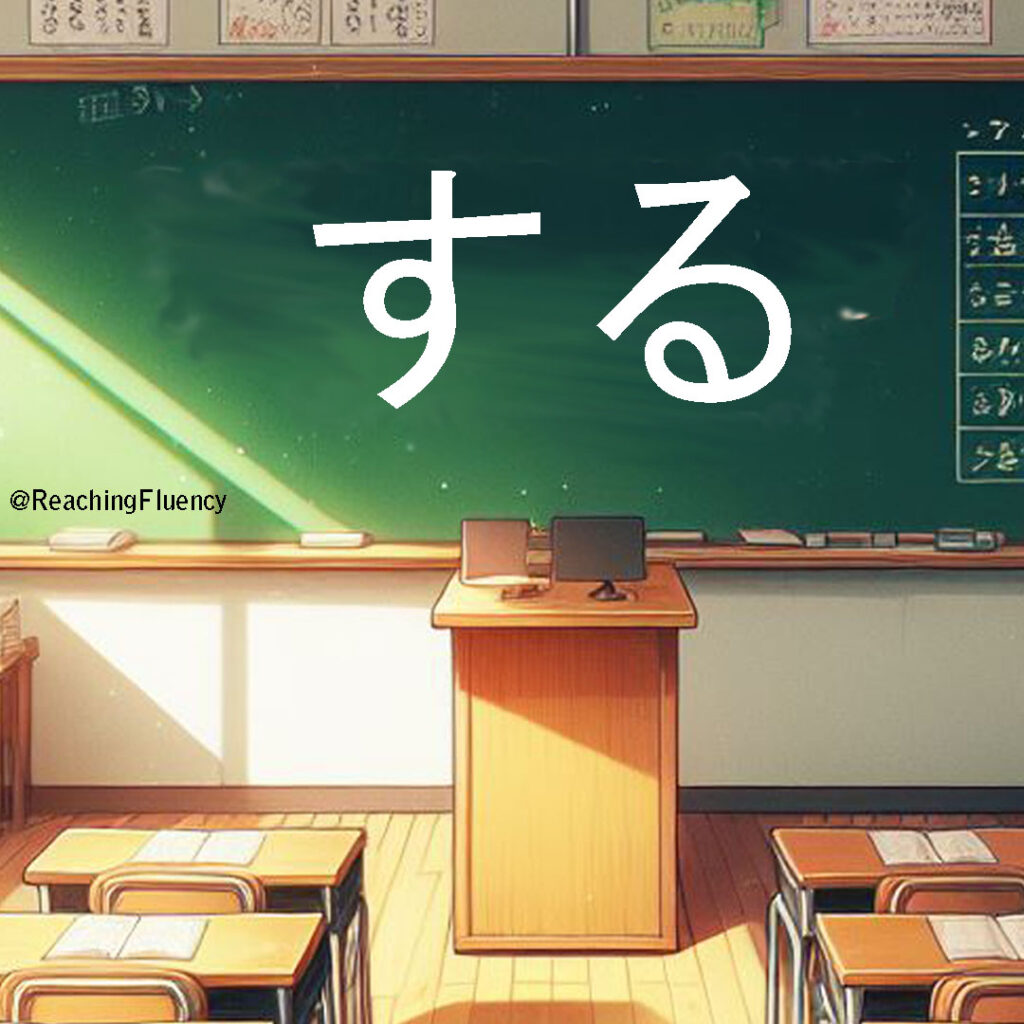
する – To Do
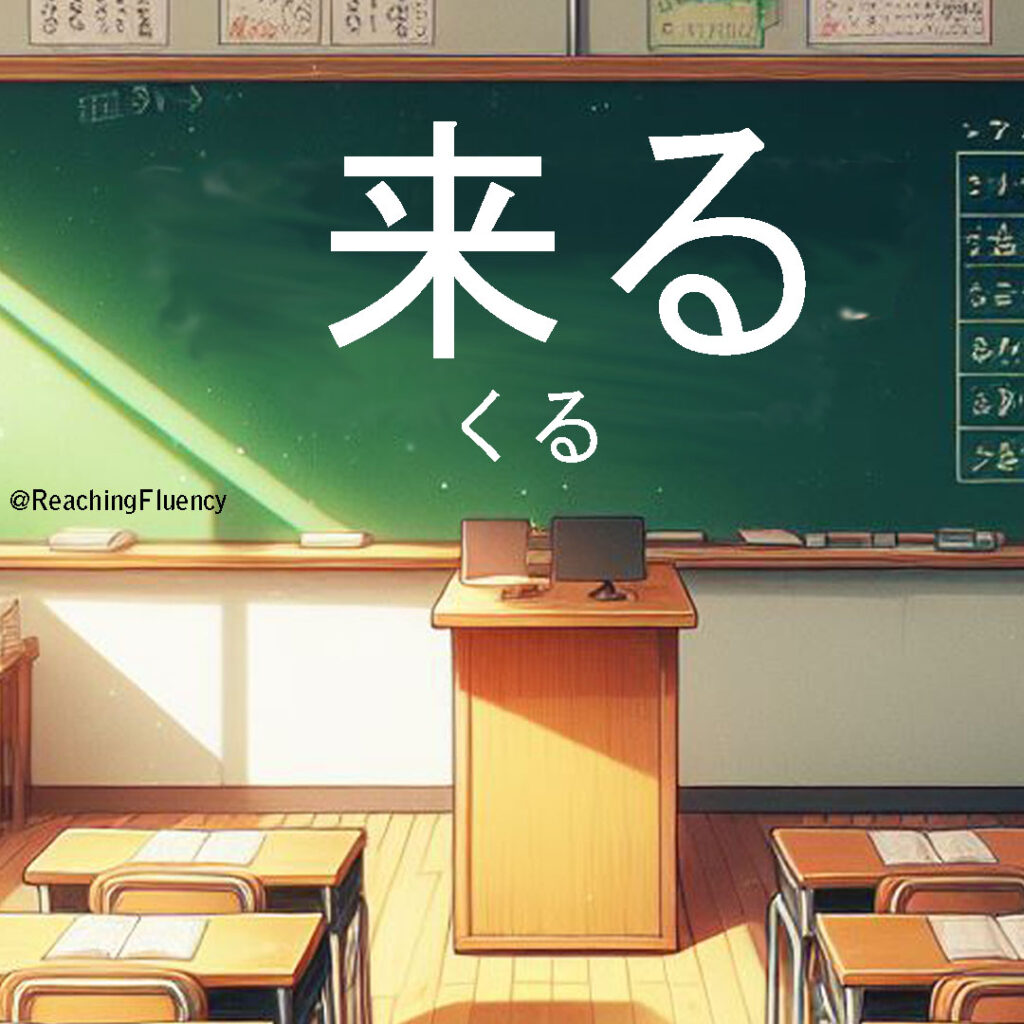
来る (くる) – To Come
Today’s Immersion Videos
It is taking me time to find/add more immersion videos. This section will be updated shortly!
(Go To The Next Lesson: Day 14 – Like And Dislike)

Ian is the owner and main writer of Reaching Fluency. He is a native English speaker, French speaker and Japanese learner and general lover of language learning.
You can read more about him on his Authors Page or link with him on social media
日常英会話メール
ニュースレターを購読してください! - 参加無料
メールリストに参加すると、少なくとも週に 1 回 (場合によってはそれ以上) メールが届きます
メールは毎日の英会話で、読んで勉強することができます。
メールは短いですが役に立ちます。いつでも停止できます

