Learning fatigue is something you are going to face when learning a language, especially at the start when you are not used to studying.
It’s nothing to worry about and just means that you have pushed yourself too hard, but I will go through what it actually is and how you can try to avoid it.
Page Contents
What Is Learning Fatigue?
Learning fatigue is when you overdose on studying a language in a short period of time and become exhausted. Basically it’s not very pleasant. It can also happen if you are practicing a lot, especially if you are speaking at length in your target language.
You will start to feel tried and find it difficult to concentrate. You will start to struggle and make simple mistakes. It can feel like all your ability has been drained away and you just can’t operate normally.
You can commonly get a sore head and feel so tired that you almost feel ill or dizzy and may also struggle to see straight.
(You can read more about – Why Does it Feel Like I’m Getting Worse At My Target Language?)

Why Does Learning Fatigue Happen?
Learning fatigue is exactly like physically fatigue; it’s just that it is your brain that gets tired. If you put yourself under a high cognitive load, it will make you fatigued, which is exactly what language learning is.
It may not feel like it, but you can put yourself through extremely long periods of intense focus while studying. This is even more likely if you are speaking a lot. You will be going from your target language to your native and translating back and forth, which takes a lot more brain power than other tasks.
This can really drain you of energy and it’s kind of like running a marathon, but in your head. If you actually ran a marathon, without much training you would be completely ruined by the end.
This is exactly what happens when someone decides to learn a language, they are just not quite ready for the mental overload they are about to put themselves though and it can really tire them out very easily.
This is why you feel tired and hungry after you study. You have literally spent all your energy on brain power trying to process the language.
Is Learning Fatigue The Same As Burn Out?
Burnout is different to learning fatigue. Burn out is more of a long term, serious problem. Learning fatigue is when you just smash yourself during a single session and completely overload your brain to the point of exhaustion. If you have a good night’s sleep, you will wake up fully recharged and ready to go again, learning fatigue is a short term issue.
Being burned out is more like you have lost your passion or motivation and you may need a few weeks break to relight that fire.
Burn out is basically when get sick and tired of studying all together; the thought of actually having to do it just annoys you. You just want to give up and stop studying your language completely.
Repeated days of fatigue can lead to this feeling. You can just be so drained that you don’t want to carry on with your studies, so you do need to try and avoid always pushing yourself to fatigue.
How To Prevent Language Learning Fatigue?
As I’ve just explained, if you are fatigued too often, it can lead to burn out, which is really not what you want. You want to always be making progress, so anything that interrupts this is certainly not ideal.
You will also just find that learning fatigue is not very pleasant. I am sure some people like the feeling of being totally drained at the end of the day, it might make them feel like they have studied hard, but in general it’s not nice.
Nobody likes being so tried that they make really basic mistakes, so I will go through some ways that you can try and prevent language learning fatigue.
Don’t Overwhelm Yourself, Go At A Slower Pace
Language learning really is a tortoise and the hare type race. Slow and steady will get you there. I know it’s frustrating and you want to see progress, but this is how you end up tiring yourself out.
Take your take and study fewer topics at a time. It is easy to feel like you are making progress and then try to study a lot of different things in the same day. You will quickly find you are overwhelmed and drain your brain of energy.
You will have to play around with this and see where your sweet spot is. You of course want to push yourself to make progress, but you need to work out where that line is and when you stop being productive.
If in doubt, just remember, slow and steady wins the race. Take your time and you will see the progress.
(You can read more about – Why Is It Hard To Concentrate When Learning A Language?)
Be Organised
If you want to make progress and avoid fatigue, then be organised. You need to know what you are doing and when you will be doing it.
Having some structure to your learning will allow you to space it out and make sure you will not be overwhelmed. You can pace yourself properly and go at a more manageable speed, which is going to be sustainable make sure you do not tire yourself out.
Take Breaks
You should take breaks both during your sessions and just in general.
We get fatigued as we are studying for long sustained periods. Just stop for 5 minutes and walk away from your study. This will just give your brain a second to relax before having to focus again. You could also go and get a snack in this time, to refuel your energy to make sure you can carry on working at a high level.
I am a big fan of learning a little every day, but it is okay to take days off from studying. You need to allow yourself time to rest and digest what you have learned.
You won’t lose all your language skills if you take a day or two off; in fact being well rested will probably benefit you.
While I do not take breaks myself, I do drastically reduce my study efforts some days, almost down to nothing. I might just do a quick 5 minute Duolingo practice lesson and that its.
A few days of this is more than enough to allow yourself to fully recharge so that you can sit down and do a proper fully focused session without getting fatigued.
Do Things You Enjoy
On of the quickest ways to fatigue yourself is study something you are not enjoying. Making sure you study something you find interesting is going to be so much more enjoyable. You won’t get stressed or tired nearly as quickly and you will find it so much easier to actually focus of longer.
If you have to force yourself to slog through something dreadful like grammar tables you will quickly get tired and really hate it.
I know this can be unavoidable in the early days, as you do need to cover some basics, which are boring, but as soon as you can, start studying some things that actually interest you.
Make Language Friends
Making language friends leads nicely on from doing things you enjoy.
If you have friends, you are going to be having a lot more fun with the language and it will seem like you are doing less actual work, so you should end up feeling less fatigued at the end of the day.
Talking to someone in your target language can still drain your energy, but if you are relaxed and enjoying what you are talking about you will find that you can focus a lot longer than when you are doing some other things in the language.
(You can read more about – Language Exchange Partners)
Conclusion
As you can now see, language learning fatigue is just when you push yourself too hard and become exhausted.
If you ever end up with a sore head after a study session, then you know you have become fatigued. Just rest and you will be fine and ready to go again tomorrow, but just make sure you do not reach this state too often, as it can make you feel burnt out and might make you want to stop learning you language all together.
Just pace yourself. Language learning is slow, but you will get there, it just takes time.
(You can read more about – Why Do So Many People Give Up When Learning A Language?)
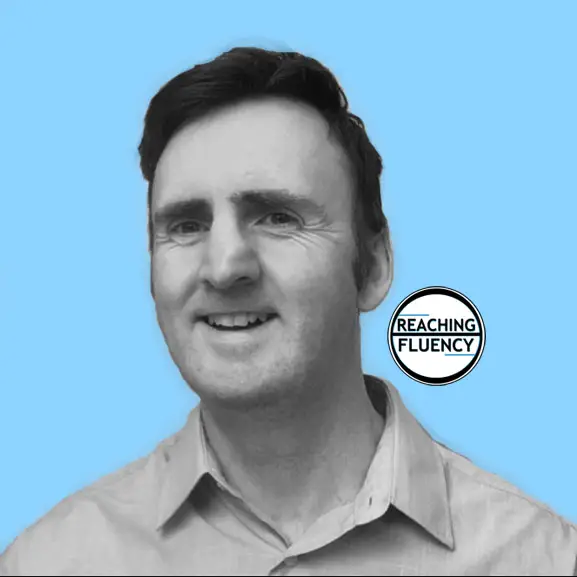
Ian is the owner and main writer of Reaching Fluency. He is a native English speaker, French speaker and Japanese learner and general lover of language learning.
You can read more about him on his Authors Page or link with him on social media
日常英会話メール
ニュースレターを購読してください! - 参加無料
メールリストに参加すると、少なくとも週に 1 回 (場合によってはそれ以上) メールが届きます
メールは毎日の英会話で、読んで勉強することができます。
メールは短いですが役に立ちます。いつでも停止できます