
Speaking in your second language is not easy, but you will reach a point where it becomes a very important skill for the progress for your overall language ability and you will encounter all sorts of different problems doing this.
You must be prepared to push through these challenges and keep improving your speaking skills, so I will go through some of the main challenges you will face when you start speaking in your new language, and some ways that you can try and overcome these.
Page Contents
Speaking In A Second Language Can Cause Social Anxiety
The biggest challenge with speaking in your new language is just actually doing it.
For some reason we all become totally petrified the second we think about just speaking to someone. This is mainly due to the fact that we are worried about looking stupid. It makes sense; our brain is only trying to protect ourselves.
We know we are not great at the language, since we are still learning, and we don’t want to embarrass ourselves in front of a native speaker. The only problem is that this causes a lot of anxiety and really can stop our progress.
To get good at speaking, we need to speak more. We need to practice and we need to make mistakes and learn from them. Being so anxious about actually speaking that you do not speak is a real problem and it is extremely important that you fight through these awkward feelings as otherwise you will make no progress.
(You can read more about – How To Overcome The Fear Of Speaking A Foreign Language)
Speaking Can Cause You To Be Overwhelmed
It can be quite common for speaking in your new language to be overwhelming. When we look at what is happening it is easy to see why this can happen. We have to listen to someone speak, and then process this and decide if we understand or not, then work out how we will reply and then finally speak.
There is a lot going on when you have a simple conversation and it can use up a lot of cognitive resources. The problem is only made worse by the fact that the pace is going to be pretty quick. If someone asks you a question you need to basically understand it and reply almost instantly.
This is what is expected from you, just think about conversation in your native language, this is exactly what happens.
However, if you are not that confident, or your skills are not very strong, then this will be difficult. It can be hard to understand the conversation and formulate a reply quickly …then you add on the social anxiety I just mentioned above and the problem gets even worse.
You start to panic and think that you are taking too long to answer and the next thing you know your brain is overwhelmed and shuts down, which is never a nice experience.
This will happen and its okay, it just means you are not quite ready for conversations yet and need to go and work your other individual language skills before you try and use them all together in a conversation.
You can read more about – Why Does My Brain Freeze When Speaking To A Native Speaker?
You Will Forget Words When Speaking In Your Second Language
Probably one of the most frequent challenges you will have is just forgetting words. You will open your mouth and nothing will come out, then you stop and think …and it’s just blank.
Our memories are pretty strange systems and they seem to just randomly decide that certain words will be forgotten about …exactly when you need them the most.
It is extremely frustrating when this happens but there is not a lot you can do about it. The word will come to you eventually.
Usually this happens with words you do know very well, so you just have to keep using that particular word and it should start to get stronger in your memory …although forgetting words can really happen at any time with any words. Just look at your native language and think about how often you forget random words.
It just happens, so don’t get too annoyed by it. Keep practising and it will happen less often.
(You can read more about – Is It Normal To Forget Words You Have Learned In Your New Language?)
You Will Use The Wrong Words When Speaking In Your Second Language
You will also find that you will use the wrong words when you are speaking. Much like forgetting words, our brains are equally as good at muddling words up.
This is very annoying, but you will realise it has happened as whoever you are speaking to will just look confused and probably as you to clarify.
I think this actually happens when you learn similar words at the same time. I have this problem with hot and cold in French. I always get the two muddled up and I believe this is because I learned these two words on the same day.
If you want to avoid this, try not to learn pairs of words/groups of words like hot and cold, or all the colours on the same day. It seems kind of strange, but it will help you in the long run.
(You can read more about – How To Stop Getting Confused Between Similar Words When Learning A Language)
You Will Use The Wrong Grammar When Speaking In Your Second Language
Probably one of the most common challenges you will face is using the wrong grammar. Grammar is tricky and it can be hard to get it perfect, but this does mean you are speaking incorrectly.
It will really depend on the language you are speaking, but I am certain the grammar will trip you up. This is just something you need to work on and practice, but it is also extremely important that you do not stress too much about this.
Just think of people learning English, they use grammar incorrectly all the time, but we still understand them. They may say something like “I go to shop now” …totally grammatically wrong, but you also know exactly what they mean. You can still understand them.
So while it is something you need to aim to get better at …don’t worry, you will still be understood if your grammar is a little wonky.
You Will Not Have Enough Vocabulary To Express Yourself When Speaking In A Second Language
You may find that you just do not have the words in your brain to actually express yourself. This is pretty common and is usually caused by people trying to jump into speaking too early.
There are no set rules for when you should start speaking, some people like to do it right at the start, but I would always recommend that you focus on getting input through immersion first.
Spend the time to actually understand the language, then when you can actually grasp what is going in most situations, and then you can try and speak.
This will also help you with understanding what is being said to you, which is also a huge challenge you will face as often we will not understand the native speaker.
This approach does mean you may start learning a language and not actually say a word for a long time, maybe even the first few years. This can seem counterproductive, but this is exactly what babies do in their native language. They can understand a lot, and then decide to try and start speaking.
When you do this as an adult learner, you will find that you can say a lot, very quickly when you do start speaking, simply because you have such a strong understanding already and you will also find it much easier to grow your vocabulary quickly when you try this approach, again because you already have a strong understanding of the language.
(You can read more about – What Is The Best Way To Learn New Vocabulary When Learning A Language)
You Will Have Issues With Pronunciation In Your Second Language
A big challenge with a new language is trying to make the sounds of the language. When we actually look at what is going on, we can see that speakers of different languages use their tongues in different ways.
This means that you, as a learner, need to relearn how to move your mouth and tongue and this is actually pretty hard.
This is exactly why you need to actually speak to get better. Speaking is a form of physical exercise; you need to actually train the muscles to move slightly differently to make the correct sounds.
It will be difficult at first, just like exercising any other muscles, but with time it will get very easy and your pronunciation will improve.
(You can read more about – How To Improve Pronunciation When Learning A New Language)
Conclusion
As you can see there are a lot of different challenges you can face when you start speaking in your language.
Luckily none of them are that serious and so long as you keep studying, you will avoid these issues.
As I mentioned above, focus on understanding the language through immersion, and when you feel ready to speak, this base understanding of the language is really going to help you to make fast progress.
(You can read more about – Frequently Asked Questions About – Speaking In Your New Language)
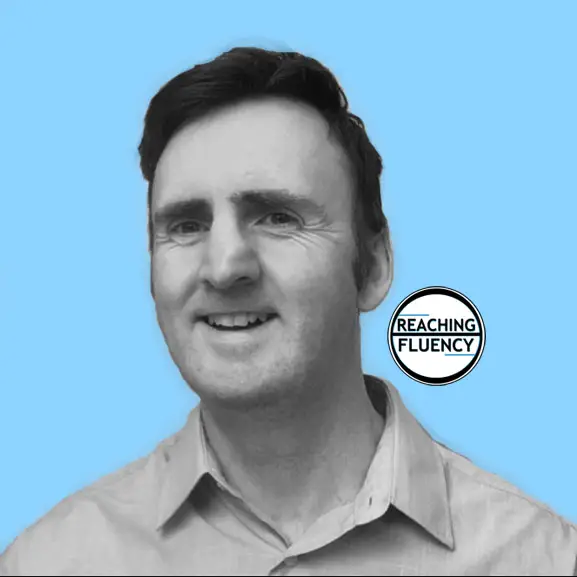
Ian is the owner and main writer of Reaching Fluency. He is a native English speaker, French speaker and Japanese learner and general lover of language learning.
You can read more about him on his Authors Page or link with him on social media
日常英会話メール
ニュースレターを購読してください! - 参加無料
メールリストに参加すると、少なくとも週に 1 回 (場合によってはそれ以上) メールが届きます
メールは毎日の英会話で、読んで勉強することができます。
メールは短いですが役に立ちます。いつでも停止できます


Pingback: Why Is Speaking A New Language So Difficult? – Reaching Fluency
Pingback: Is Speaking The Best Way To Learn A Language? – Reaching Fluency
Pingback: Why Does My Brain Freeze When Speaking To A Native Speaker? – Reaching Fluency