
If you are starting to learn French, or you’ve already started, you will need a plan. I will be going through how and why you need to make one below and giving you some pointers to make sure you cover everything that you need.
Page Contents
Why Do We Need To Make Our Own French Study Plan?
Making a study plan for your French learning is something that you need to make for yourself, so that it can fit into your life.
Everyone one is different, and we all have different interests and goals when it comes to learning French, so I can’t just make a plan for you.
It’s not as easy as “Learn this today and learn this tomorrow” that might work for some people, but for most of us it won’t. We need to study in a way that works for us and at a pace that works for us, so it’s just better to do your own thing and make your own plan.
Being told exactly what to learn is how school worked, and I’m sure can you remember how bad that was!

What Areas Of French Do You Need To Focus on?
French, like any language, can be basically split into 4 main areas. Listening, Reading, Writing and Speaking.
While all 4 are equally important overall, at the beginning they might not be as important as each other. You can split these 4 into two groups, Input and Output.
Input would be anything you take in, so listening and reading, meaning of course that output is anything you send out, which would be writing and speaking.
It is important to first get the French language inside you, then when you have a good understanding of it, you are going to be able to output much more easily.
This doesn’t mean you should ignore speaking until you can read fluently, you should still focus on everything, but just put more emphasis on input at the beginning.
Making A Study Plan For A Beginner in French
As a beginner you need to focus on input. You need to get French inside you. The quicker you can do this, the quicker you will start to grasp what is happening with the language.
Grammar
A very good idea is to start by having a basic look at how the grammar works. I know many people will argue against this, but really you do not need to be studying this hard, but merely going through it and just trying to grasp the concepts.
You can read through My Basic French Lessons or watch lessons on youtube. I’d probably do both to be honest and just go through them all a number of times. It’s okay to repeat this stuff over and over until it makes sense.
Now when you are listening or reading simple French, (I will talk about this more in a minute) you will start to notice the verb conjugations, the genders, the particles. You might not understand anything, but you can start to see how the language works more clearly.
I will be honest, it will feel like you are in way over your head, but just keep going over the basics and things will start to make sense, this is why you might need to repeat a few basic grammar lessons.
Vocabulary
As a beginner you also need to learn vocabulary. This will be one of your biggest issues …you don’t know any words. The more words you learn, the more French will start to make sense.
You should dedicate some time everyday to using Anki and just trying to get learn as many words as you can handle. Just pace yourself, as it’s easy to do too much and end up confusing yourself.
Use Language Apps
Apps like Duolingo are not going to really teach you, but you can still learn some basics and get some practice using the language. It’s also a fun way to practice, so you should be using it.
Apps like this will ask you questions and you can see this as your French output. It’s really not a lot, but this is fine at this point. Most of your studies should be about input anyway.
Immersion
You should be spending most of your study time on listening and reading in the beginning. You can almost ignore writing and speaking for the first few weeks as you will not be able to produce anything.
You should focus a good amount of your time to immersion, which really means just watching French videos, or listening to anything French
(It’s best to focus on videos at the start as you can listen and read the subtitles at the same time)
This will be hard, almost impossible until you learn some basics. However, if you are doing some basic grammar studies and learning vocabulary, you will start to make sense of things.
It is also important that you are immersing with really basic stuff. You want to focus on listening to French that is very simple and slow and is designed for new learners. This will make it comprehensible, which is very important. You need to roughly understand what you listening to or it is pretty pointless.
It is also okay to find a couple of good videos and just watch them over and over again until you can really master them. Even if you learn all the words in the video, that is fine. To focus on a few videos very intensely can often be better than focusing on a lot of different videos.
(You can read more about – How To Find Comprehensible Input for Learning French)
Typical Study Plan For A Beginner in French
This is what I would do, but you are free to change this to however you see fit. This is two hours a day, so a pretty big commitment, but you can space it out throughout the whole day.
- 30 minutes focused on reading about grammar/watching actual French lessons on youtube
- 30 minutes of Anki/Duolingo
- 1 hour of immersion, which would be watching videos.
How Long to Do This For?
This really depends on you and the pace you are going at. If you keep at this simple routine for 6 months you will see results.
You will start to grasp the basics and start to feel comfortable. You will probably feel like there is a lot you don’t know and full native content will see like too much, but that is fine.
The feeling like you are downing in confusion should start to fade. Just keep powering through until you feel like you know what is going on. It’s hard, but things will get easier.
(You can read more about – How Often Should You Study French?)
Making A Study Plan For An Intermediate In French
Once you think you are an intermediate, you will basically be doing more of the same.
You will probably stop going over the grammar, you should have a solid basic understanding of it now and instead you can spend the time just getting better at what you already know.
As an intermediate input is still king, so you will be doing plenty of listening and speaking. However, you should be at a point where you feel more comfortable and can start looking at writing and speaking properly.
Vocabulary
You should still be doing Anki, but now you will be looking to learn a lot of less common words as well as really mastering the most commonly used words. This is also a good time to really start getting your pronunciation right.
As a beginner you can get away with sloppy pronunciation, now you are comfortable with a lot of words you can focus on saying them correctly.
Immersion
At this stage you should be doing a lot of immersion. You are probably going to be able to stray away from the material that is aimed at French learners and start looking at some things that are actually for natives.
You can still very easily get out of your depth here, but you will be able to dip your toes in a little more. This is also where you will be solidifying your grammar knowledge as you will be seeing it used in real life, rather than in a lesson format.
Language Exchanges
You should also now start to talk to people on language exchange apps. This can be scary, but you need to do it as its going to allow you to form simple sentences yourself. You can do both writing and speaking, which is now an area you need to start increasing your focus on.
Just keep it simple, but do lots of it. It’s fine if you feel you are speaking like a baby, just keep doing it. The more you repeat things the easier it will get. You will become stronger and stronger. This also helps solidify your memory so it really helps.
Having the same conversations over and over again is extremely important, much in the same way that watching the same videos during your immersion can be very beneficial. You are just drilling this French into your brain and once it’s there, it will never leave.
You will also notice that your knowledge can be narrow, but the good thing is that what you do know is strong. This is okay; having this solid foundation will make it easier for you to learn more in the future.
(You can read more about – Language Exchange Apps)
Typical Study Plan An Intermediate In French
This plan is again very simple and is a little longer than the beginner stage at 2.5 hours, but as I said before, you can spread this out throughout your day.
- 30 minutes of Anki/Duolingo
- 30 minutes focused on reading
- 1 hour of immersion videos
- 30 minute language exchange (which will probably be spread out over the day)
How Long to Do This For?
It’s hard to say how long you will be at this stage of French. It can seem to last a long time for most people. I would say at least a year, which means you should now have been studying at least 18 months from zero.
You may stay at this point much longer; it just depends on how you feel and what pace you are going at. There is no rush, just keep at it and you see you confidence grow.
Making A Study Plan For An Advanced Learner In French
Once you feel like you are pretty comfortable in the language you can call yourself an advanced learner.
You still might not be that high over all. You should only be a B1/B2, but you should feel you have a good grasp on the basics and comfortable with roughly what is going on.
When you reach this point, it’s again, time to do more of the same really.
Vocabulary
You are probably going to reach a point where you feel you don’t need to learn any more vocabulary. You should be able to function with what you have, but of course there will always be areas you have weakness and new topic areas to explore.
How you go about this will really depend on how you feel. Some people will want to stay on Anki and just learn some really obscure words, or you can just pick up new words from your immersion.
You will start to be able to pick up little bits of slang and know a lot of synonyms. Basically you will be really beefing things up at this point and trying to catch up with a native speaker.
Immersion
Immersion is still extremely important and you will find you can watch more native content at this point and feel more and more comfortable with it, but you can still pick up a lot of new words from immersion. (Which is why some people feel comfortable stopping Anki)
Your grammar skills should feel very strong and natural at this point and now the only way to improve things is to focus on more output.
Output
At this stage of your French learning your output and input efforts should be about equal.
Increasing your output is going to really solidly what you know and just make you stronger and faster at producing French while the input is going to keep you progressing and picking up new things.
You should be having very good conversations with French natives and you should start to feel like you can almost communicate fully.
Just keep talking to and writing to people and you’re going to get stronger.
Use The Language
At this point you can basically use French as a language. It’s now not just something you are studying. You can use it for what it’s designed for, to communicate.
Once you reach this level, you almost don’t need to study, you just use French. You can watch what you want and speak to whoever you want. Just using the language is all the practice you need.
Typical Study Plan An Advanced Learner In French
As I’ve just said, you will be doing a lot less studying at this stage and just using the language.
You will never be able to stop studying fully. You will always find areas of weakness, or find new things out, so you will be studying in a way, it may not just be as obvious or as structured.
Really all you need to do at this stage is immerse yourself fully and do more language exchanges, just use the language and enjoy it.
General Things To Look Out For When Making A Study Plan
No matter what level you are at French, you should just look out for these common problems, to make sure you plan is actually going to work and is something you can stick to.
Keep Your French Study Plan Realistic
If you are taking on the challenge of learning French you need to be realistic. You need to look at your day and see where you can fit this in to. If you can only dedicate 30 minutes, then that is fine, just do that.
There is no point making a plan for 8 hours of study if you do not have this time free. Only plan for what you can commit to.
You also need to understand that your brain will be overloaded when you start studying and it will take a while to digest everything you have learned. You need to be realistic and understand that learning French is a long slow grind.
You may spend months and months doing similar things every day, while not seeing many results. This is painful, but it is the realistic truth. However, it will work in the long run, so you have to plan for this misery, to keep yourself going.
Study Consistently
Consistency is the key to learning French. If you can stick to it every day you will make progress.
Your brain needs repeated exposure to get comfortable with the language. It also needs a long time to digest things and build neural pathways between all the new information.
If you stay consistent, this will happen. If you have huge gaps in between your study periods, you will get nowhere.
Mix Things Up
After you make your plan and start studying, don’t be scared to mix things up. You can make changes or adjustments to things as you go.
Basically should be flexible and be willing to change things. However, I think you need to also give your plan a chance. Don’t study for 3 days and decide it’s not working. Give the plan time to work and give it time to see if it suits your life and how you study.
I guess it really depends what you want to change, some things you will know right away need adjusted, while others, you should give them the benefit and give them time to see how they work out.
Conclusion
Hopefully now you should be able to make your own French study plan, no matter what level you are at.
As you will see they are nothing to crazy, it’s really just try and drill down the basics, learn words and immerse yourself. This is all you really need to do and if you can do some of this everyday it will work.
Studying French is a long hard task and it may feel like you are getting nowhere at times. Just stick to your plan and you will see results.
(You can read more about – Advice For Anyone Learning The French Language)
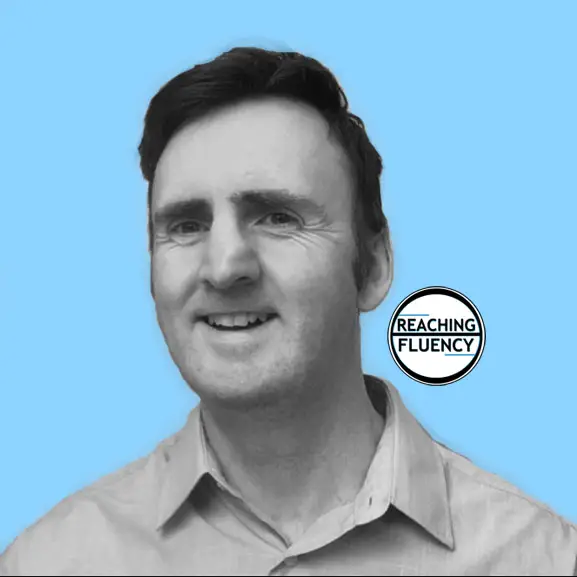
Ian is the owner and main writer of Reaching Fluency. He is a native English speaker, French speaker and Japanese learner and general lover of language learning.
You can read more about him on his Authors Page or link with him on social media
日常英会話メール
ニュースレターを購読してください! - 参加無料
メールリストに参加すると、少なくとも週に 1 回 (場合によってはそれ以上) メールが届きます
メールは毎日の英会話で、読んで勉強することができます。
メールは短いですが役に立ちます。いつでも停止できます


Pingback: How Often Should You Study French? – Reaching Fluency