
Today we are looking a couple of different ways will hear the Japanese speculate on things. It will get clearer as we go through things, but you will notice these little bits of grammar popping up in conversations all the time, so it’s going to be worthwhile being able to recognise and understand them as it can change the tone of what is being said and take things form a statement to something being speculated upon.
Page Contents
でしょう (Deshou)
Let’s start with でしょう (deshou) which roughly means – I think/it seems/probably/right? and can even mean “I believe or assume”.
This sounds very vague, but the general context of the conversation will help you work out exactly which meaning it is, although you should really see it more as something you are speculating on, which is why words like “I think” or “it seems” and “probably” or “right?” are how it is translated.
You will see it used in sentences like this:
明日来るでしょう – It will probably come tomorrow.
You don’t know if it will come tomorrow, but you are speculating that whatever it is, will come.
You should see でしょう (deshou) more as a general feeling and really any of the English words I mentioned before could be used here instead:
“I believe it will come”
“I think it will come”
“It’s going to come, right?”
You are not 100% sure, and you can’t know definitely …so saying “It will come tomorrow” is a very different statement compared to “It will probably come”. and でしょう (deshou) is what allows you to do make this difference
To use でしょう (deshou) you just add it to the end of nouns, verbs or adjectives (even if they are in the negative), and it kind of adds the “I assume/think/believe” type vibe to the statement.
You might also see this as でしょ (desho), which means the exact same thing, it is just slightly less informal.
Using でしょう(Deshou) or ね (Ne)
If you remember the ね (ne) particle (day 26), it can be added to the end of a sentence to kind of ask for agreement to the statement you just made, like saying “it’s good …right?”
Using でしょう(deshou) is the exact same, so you may see one or the other being used in this context, although as I mentioned above, you are more likely to see でしょう(deshou) when speculating about something, but you should look out for it being used in this “right?” kind of way too.
でしょう(Deshou) with Questions
You may also see でしょう (deshou) being used with a question word, which just adds an extra formality to the question.
This is just a classic case of the Japanese people being quite indirect. They use でしょう (deshou) to soften the question and show that they are not assuming anything and instead showing they are not sure about something …which is surely why they are asking the question in the first place.
Seems over the top, but this is what they do, so look out for it.
だろう(Darou)
You may also see だろう being used, and this just means the exact same thing as above.
だろう(Darou) is just an informal version of でしょう (deshou), and is used in the exact same way. You can add it to nouns, verbs or adjectives and it gives that same feeling of speculation and the same “I think/I believe/probably” type translation I discussed above.
You are going to spot this in more casual conversations, so it’s good to know these different variations.
(Return To: The Full List of All The Japanese Lessons)
Today’s Vocabulary
村 (むら) – Village
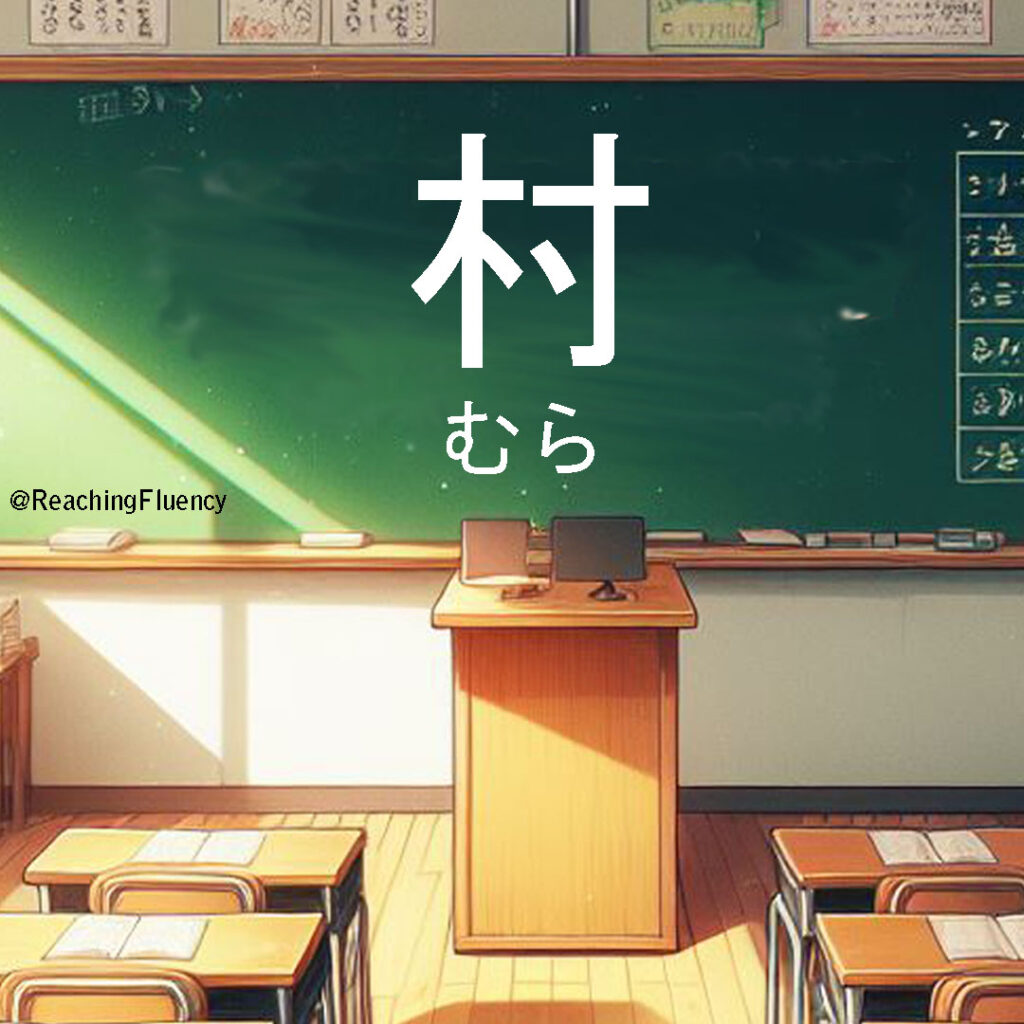
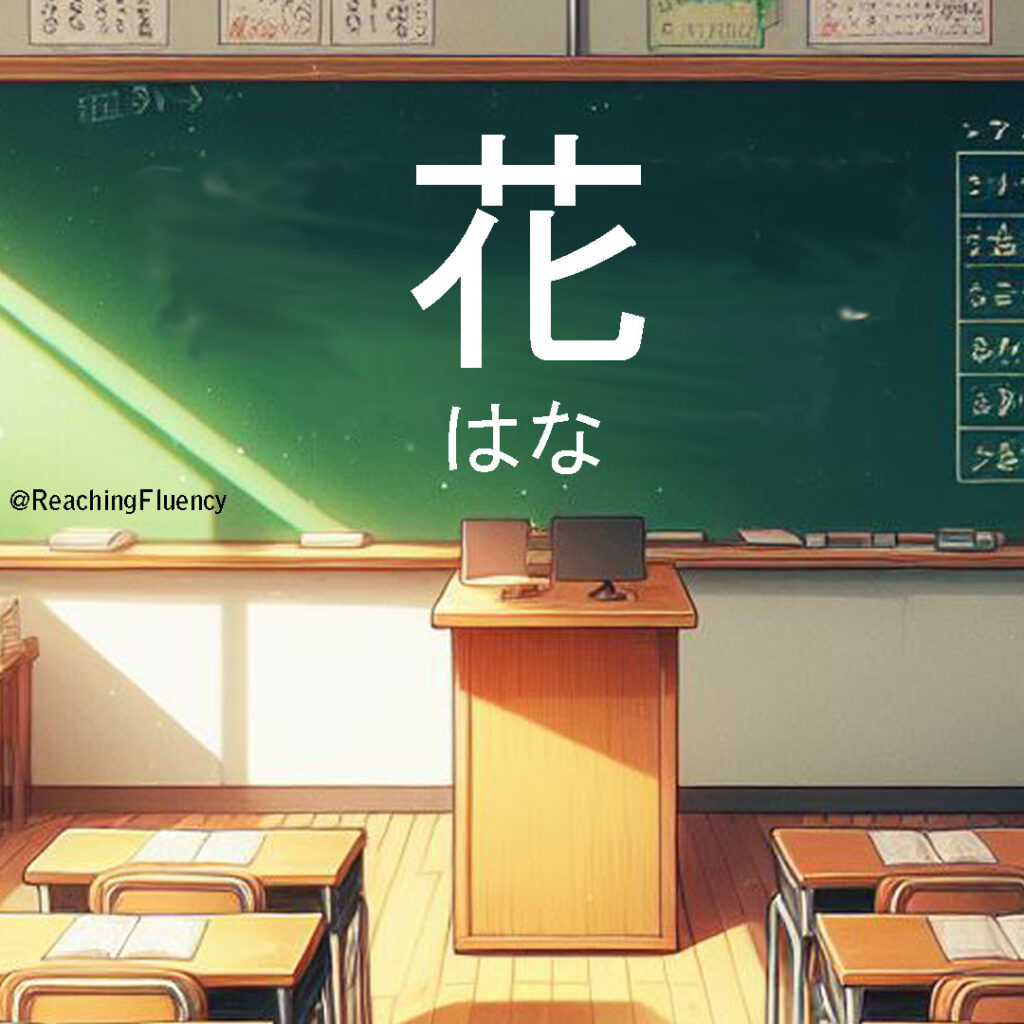
花 (はな) – Flower
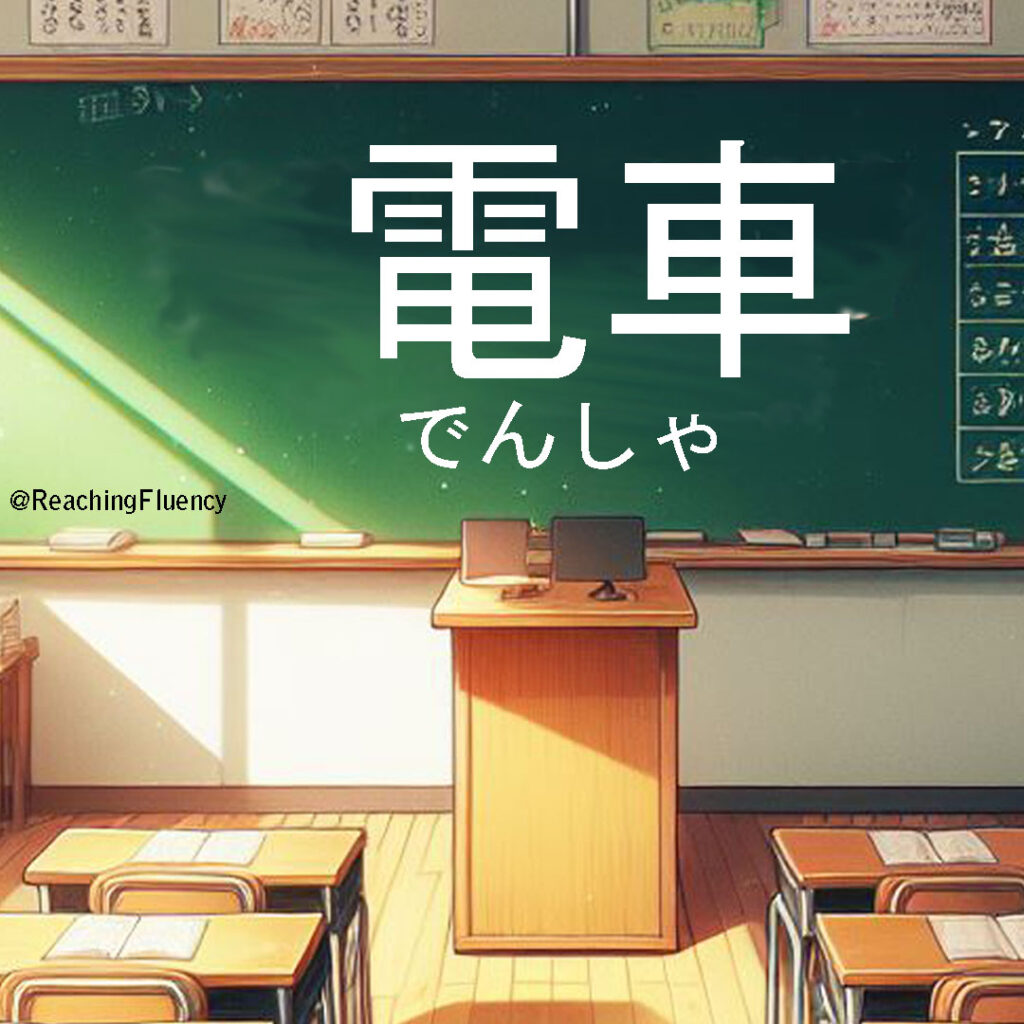
電車 (でんしゃ) – Train
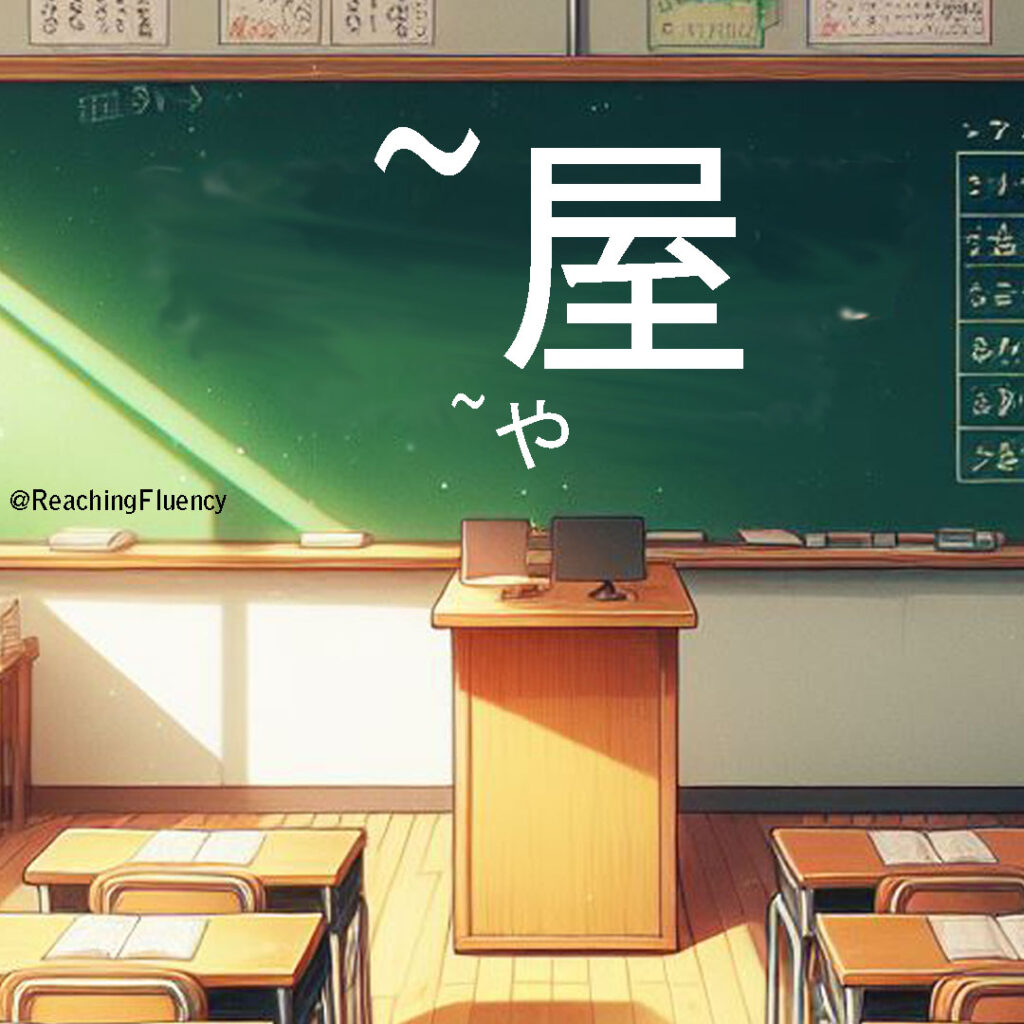
~屋 (~や) – ~Shop
車 (くるま) – Car
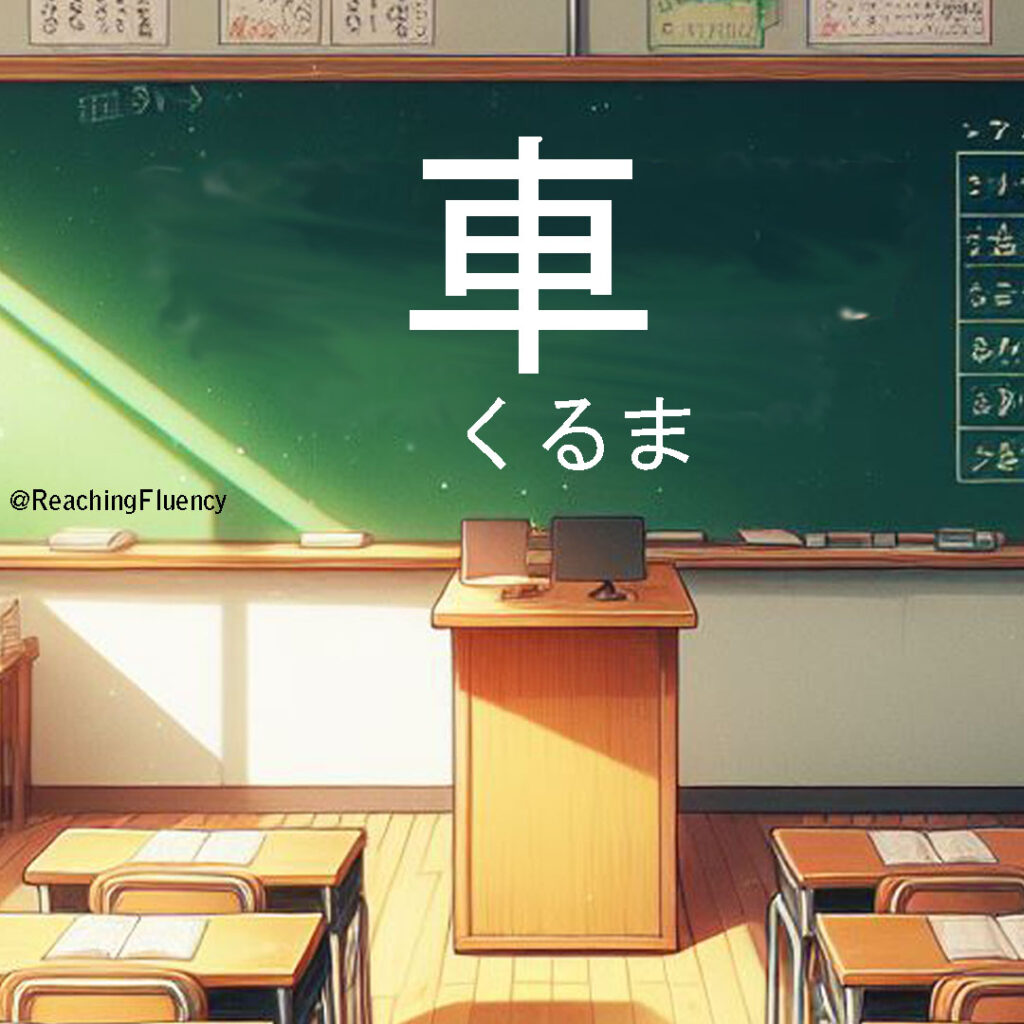
天気 (てんき) – Weather
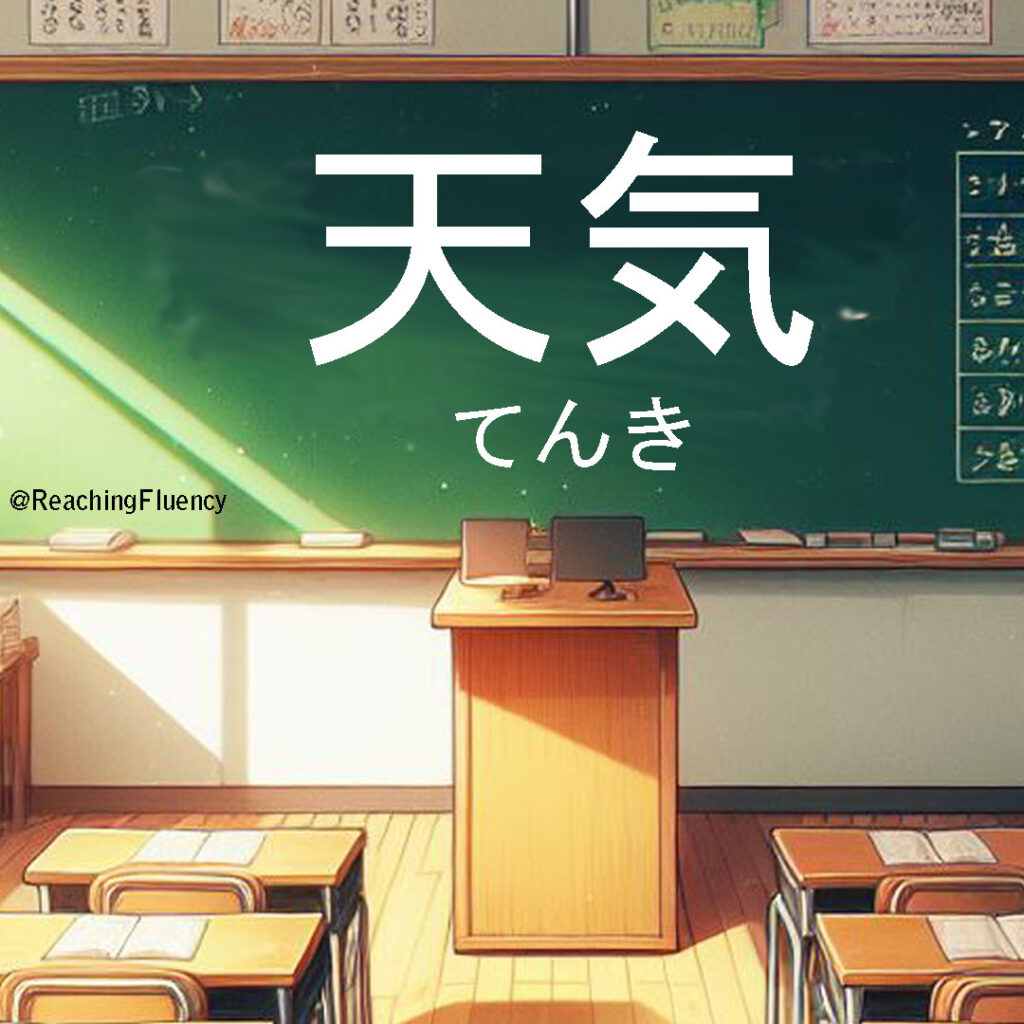
お酒 (おさけ) – Alcohol/Sake
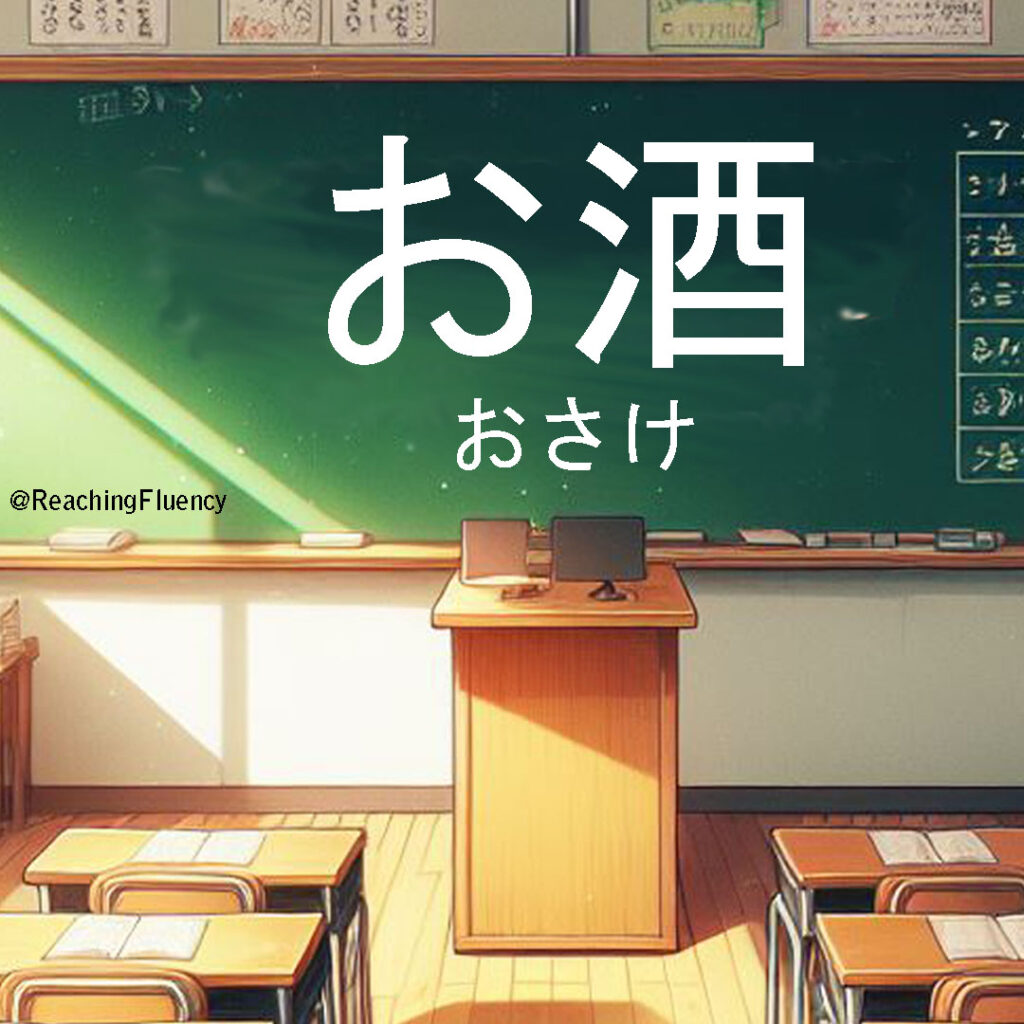
会う (あう) – To Meet
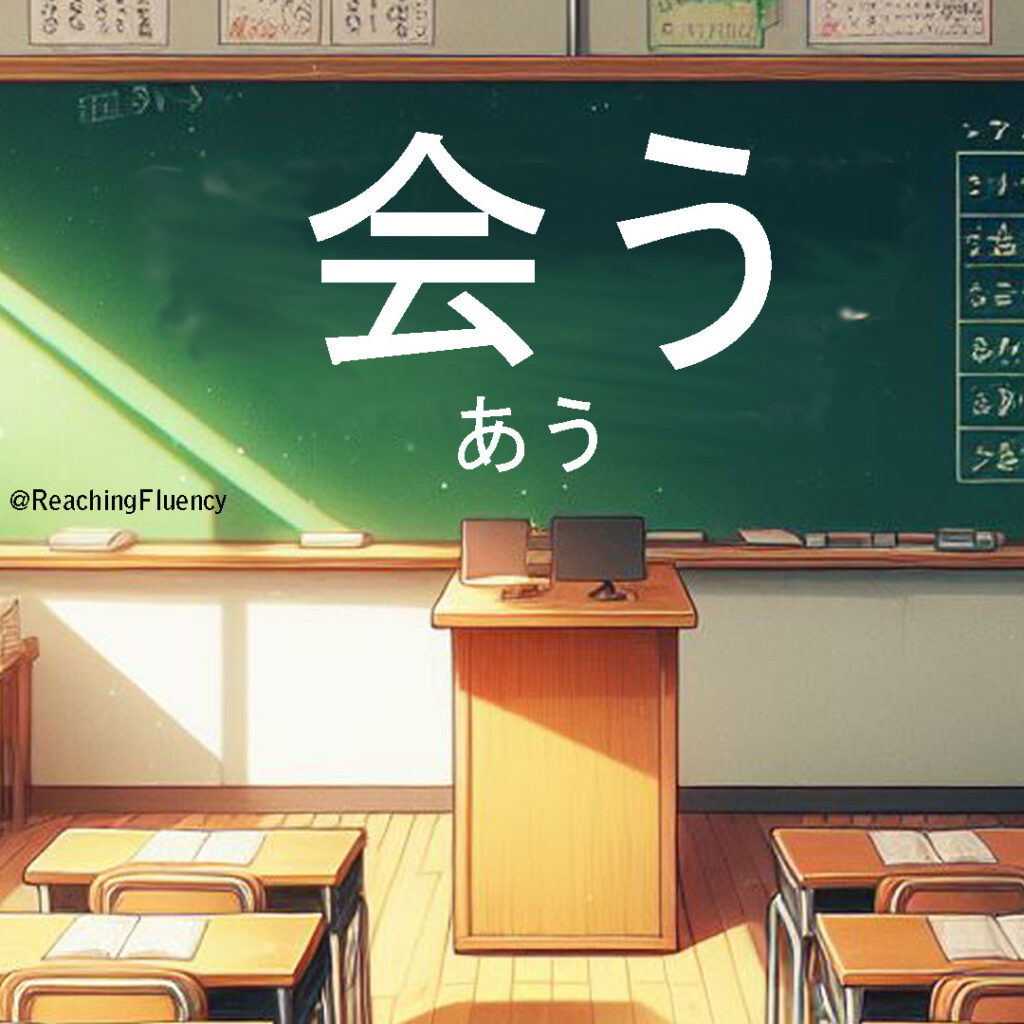
Today’s Immersion Videos
It is taking me time to find/add more immersion videos. This section will be updated shortly!
Go To The Next Lesson: Day 32 – Saying “The Best” In Japanese

Ian is the owner and main writer of Reaching Fluency. He is a native English speaker, French speaker and Japanese learner and general lover of language learning.
You can read more about him on his Authors Page or link with him on social media
日常英会話メール
ニュースレターを購読してください! - 参加無料
メールリストに参加すると、少なくとも週に 1 回 (場合によってはそれ以上) メールが届きます
メールは毎日の英会話で、読んで勉強することができます。
メールは短いですが役に立ちます。いつでも停止できます

