
Today we are looking at how the に (ni) particle can works with other verbs, to create new phrases. This can all get very technical, but if we just step back and look at what is going on it is pretty logically, so lets look at it.
Page Contents
に行く(ni iku) – Go To Do
The first phrase we will look at is に行く (ni iku) which means “go to do” and is also something you will see written in both kanji and hiragana – にいく.
Basically this bit of grammar is the に(ni) particle, which shows you direction (we covered this one day 19) and the verb “to go”, so really it is you saying that you are going “to go and do something”.
You will spot this after a verb, to show you are going to do that verb.
食べに行く- Go eat
I guess you could look at it as “eating is the direction which I will go” or “going to do – eating” …but all that sounds weird, but you can get the concept that you are – going to eat.
You may also see this in a more formal/polite form –食べに行きます (ni ikimasu), which of course means the same thing.
にする (ni suru) – To Decide On
A similar concept can be seen with にする (ni suru), or the more formalにします (ni shimasu)
This combination is used with a noun and means “to decide”
So noun+ni suru = to decide on the noun.
If we again think about に(ni) as the direction particle and する(suru) is the verb “to do” you can see the translation as:
You are going to go in the direction of whatever noun you said, and do it.
If you come to my house and I ask if you would like tea or coffee, you could reply:
コッフェにする (koffe ni suru) – I have decided to go in the direction of the coffee, not the tea you also offered.
or …I will have the coffee, but either way you have “decided on” the noun (which is coffee in this example).
Using にする(ni suru) As A Question
You can also use this にする(ni suru)phrase to ask a question, you could ask:
どれにする (dore ni suru) – which one do you want
You can of course ask this question differently, but this format also works, you are basically saying which direction they want “to do” …meaning to make a choice from whatever you are offering.
This is probably one of those cases where this makes more sense through a Japanese lens, rather than an English one, but hopefully you can grasp the concept of what is being asked.
Using にする(ni suru) “To Make Something” (with na adjectives)
You can also use にする (ni suru) with な(na) adjectives to transform them into “make” or “to do” this is another one of those things that gets a little lost in translation, but also makes sense if you step back.
To do this you take the なadjective and add にする (ni suru) to the end.
If we take: quiet – 静かな – quiet
It will become – 静かなにする – you are making quiet … which is bizarre, but really it is “be quiet” as in – You are making the state of quiet happen.
Remember that する (suru) is the verb “to do” and the に(ni) is the direction particle, so you can say you are “going in the direction of doing quiet”
All very weirdly translated, but hopefully the concept makes sense and you can try and look out for it when listening.
(Return To: The Full List of All The Japanese Lessons)
Today’s Vocabulary
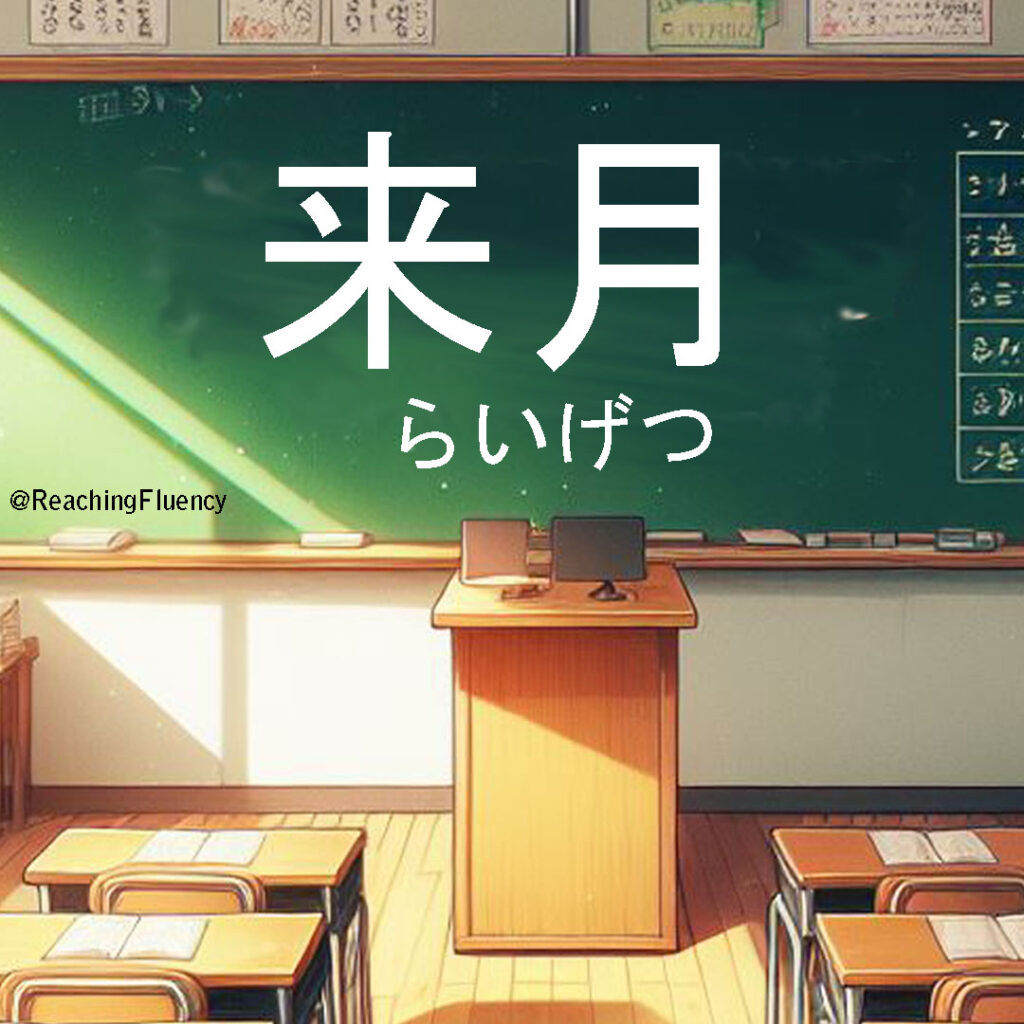
来月 (らいげつ) – Next Month
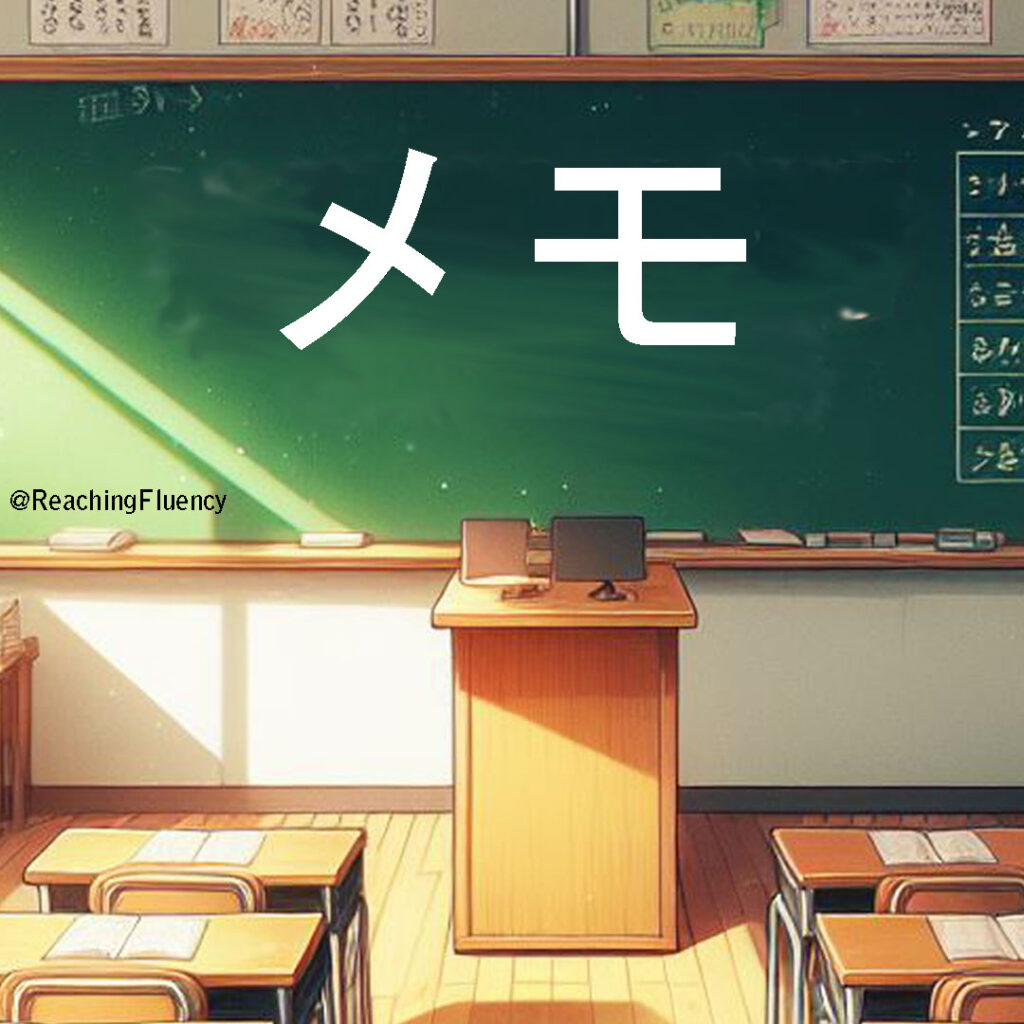
メモ – Memo/Note
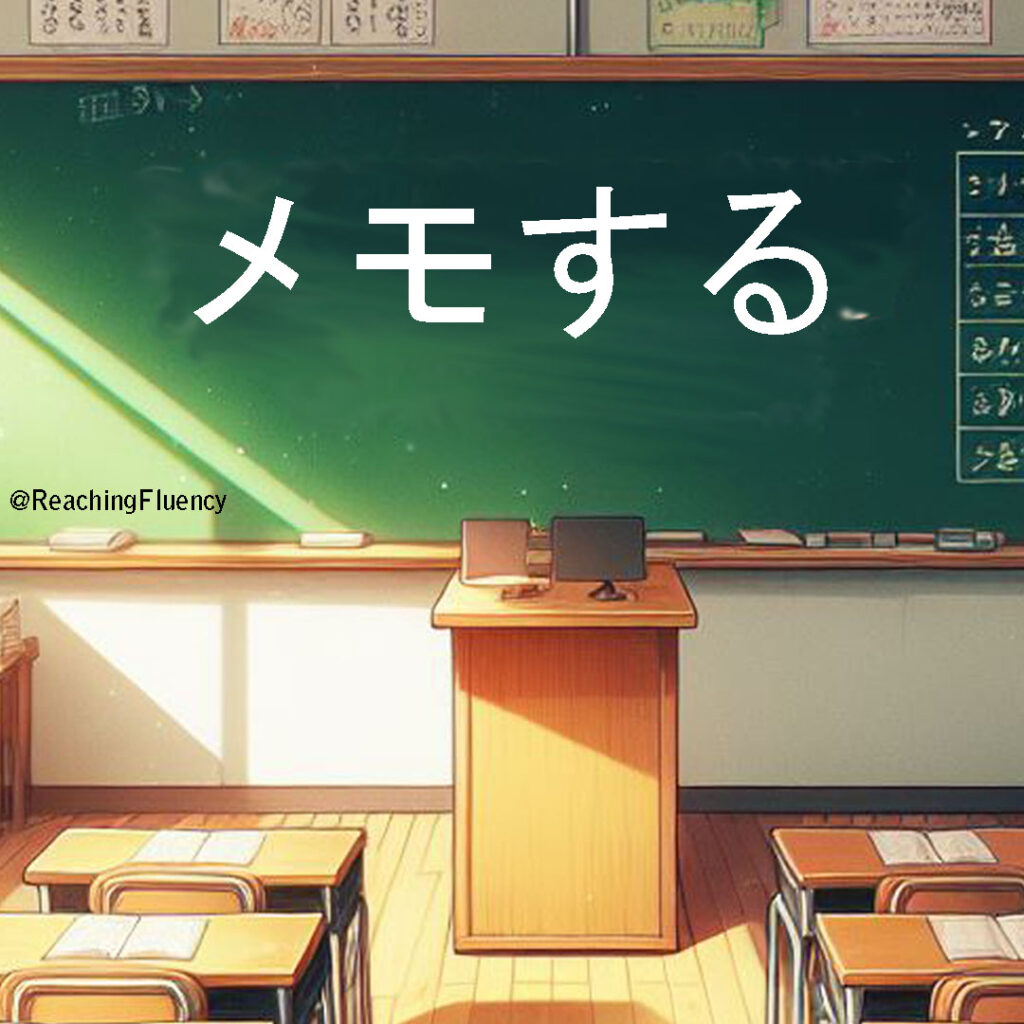
メモする – Make a memo/note
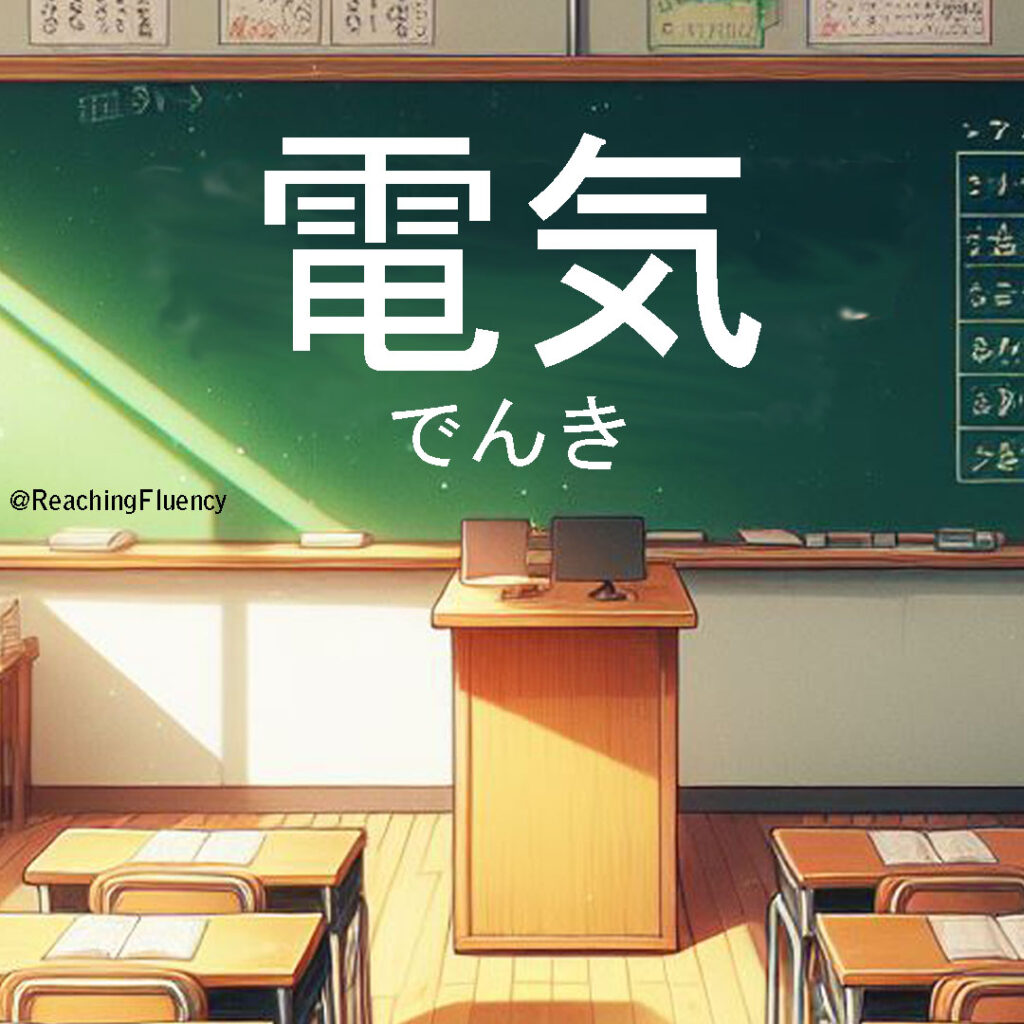
電気 (でんき) – Electricity
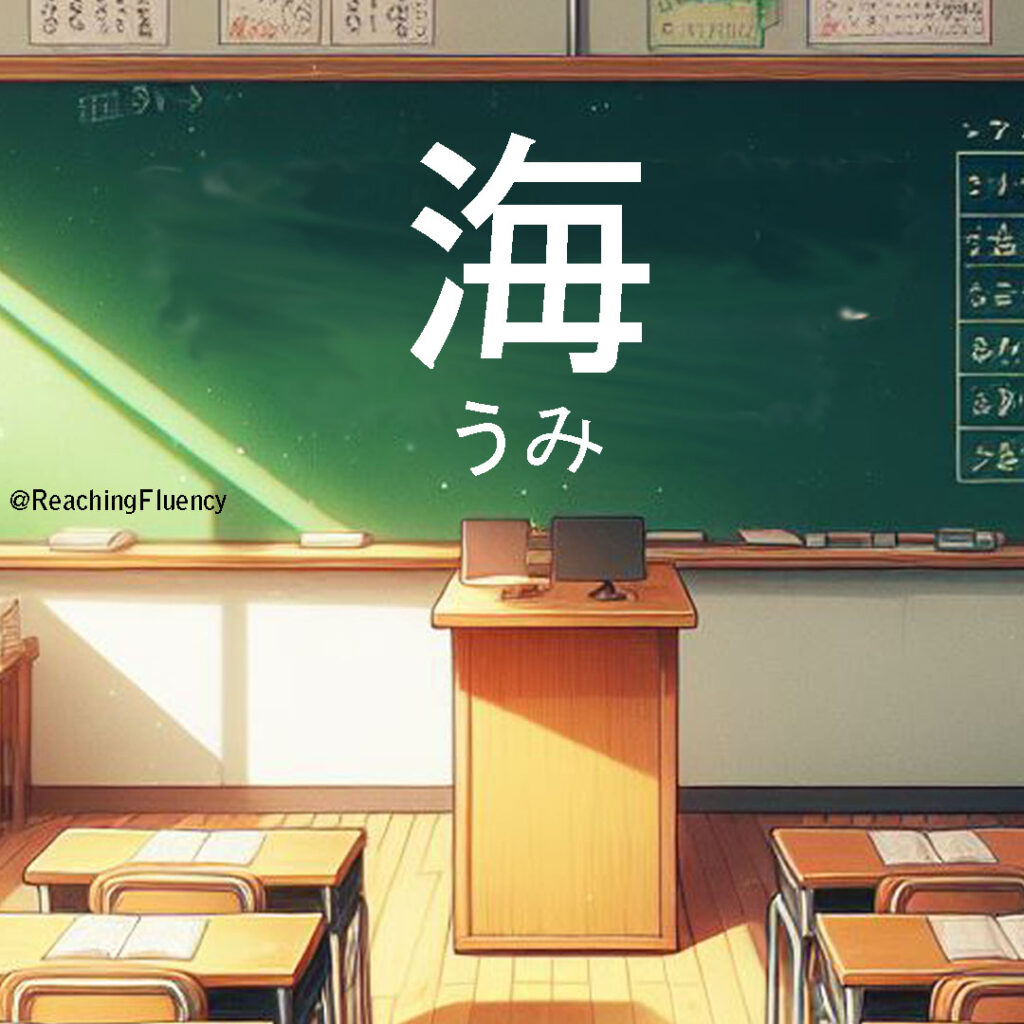
海 (うみ) – Sea
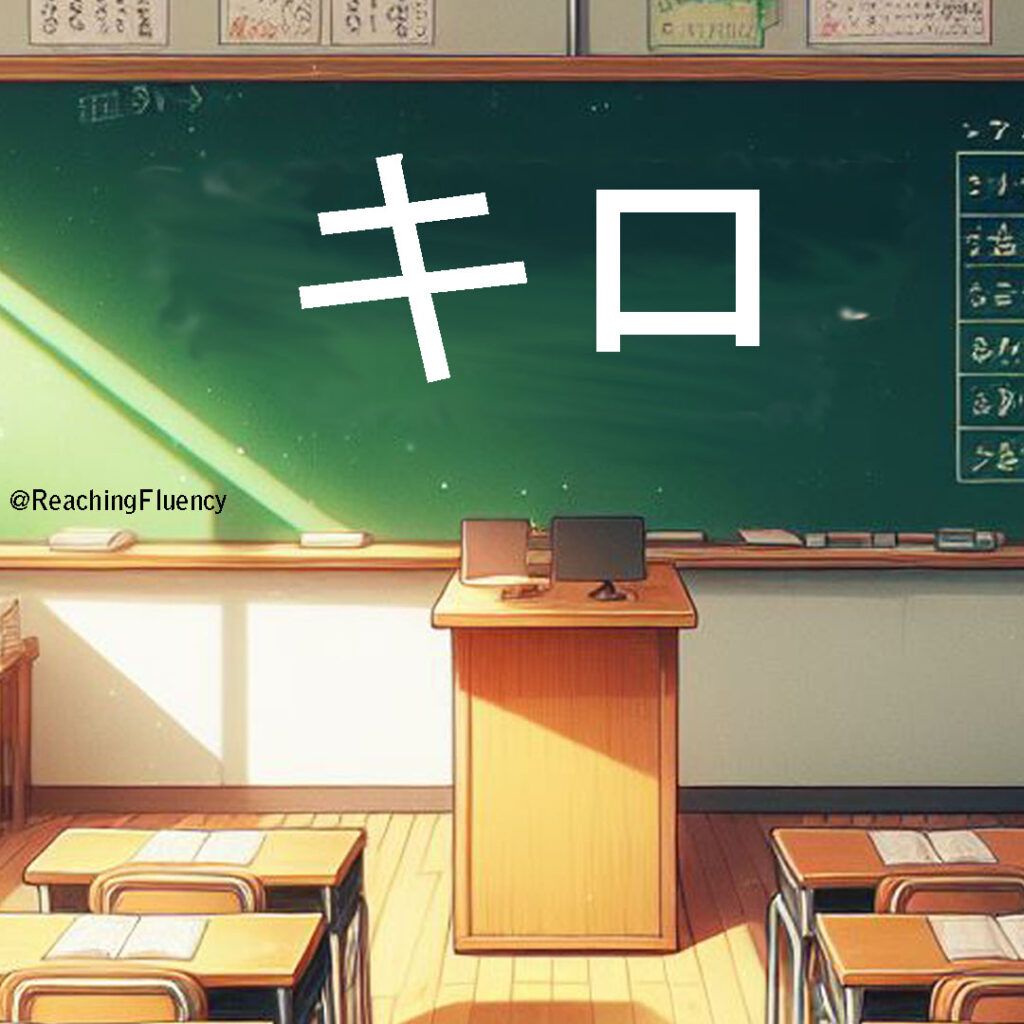
キロ – Kilo
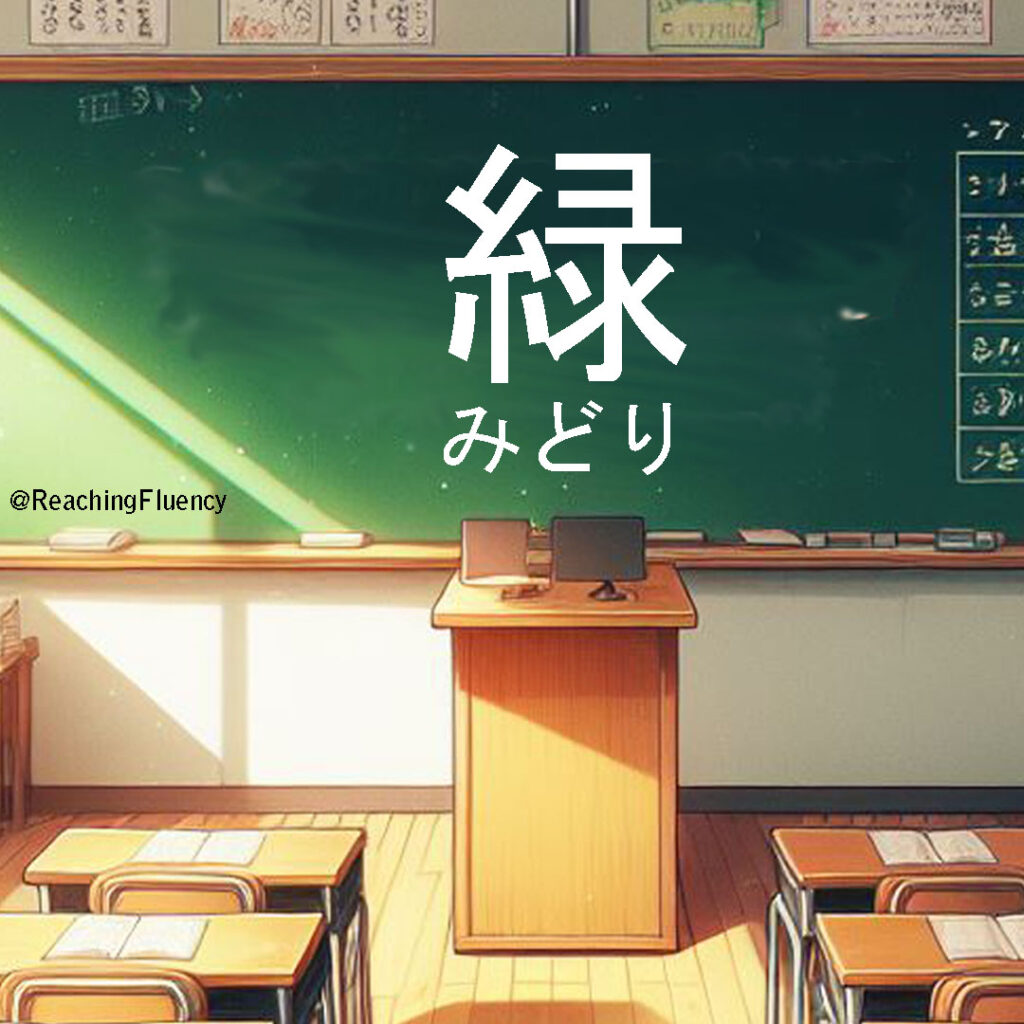
緑 (みどり) – Green
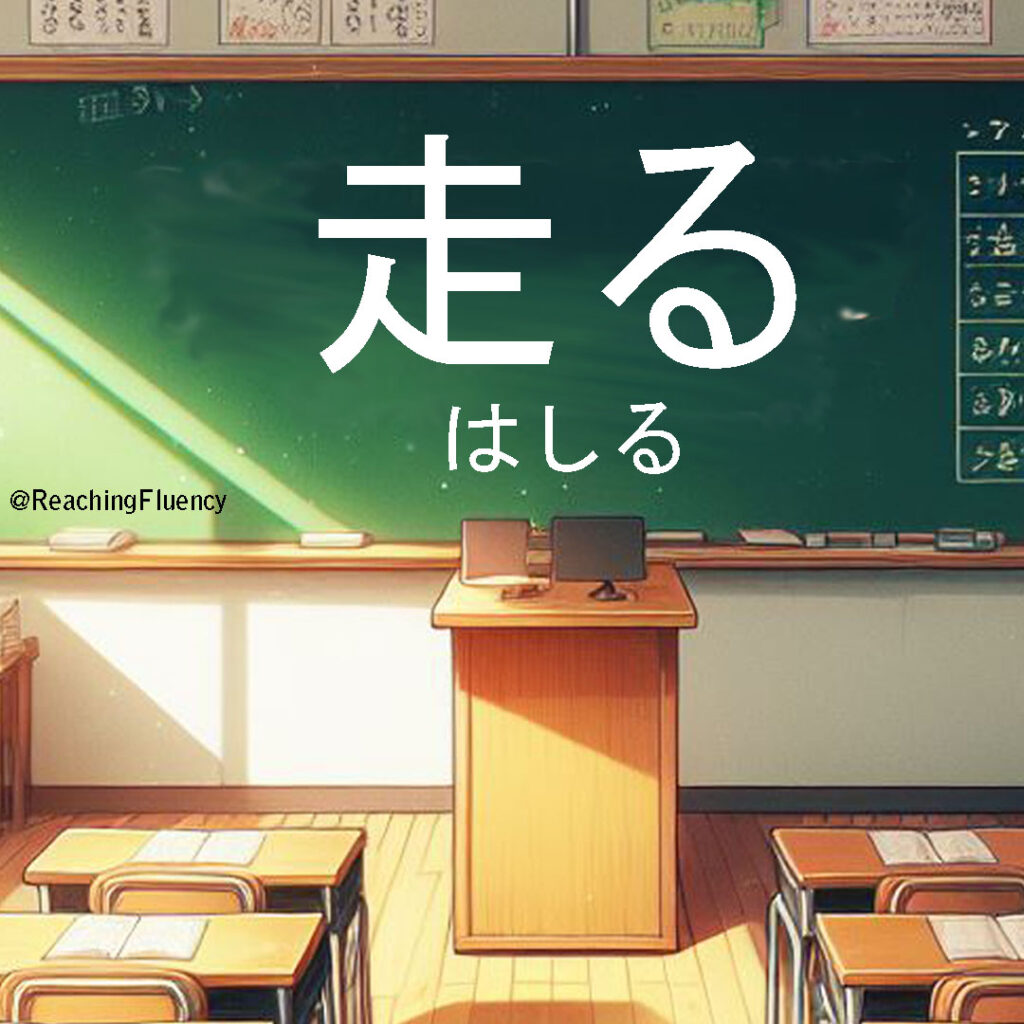
走る (はしる) – To Run (of a vehicle); To Drive
Today’s Immersion Videos
It is taking me time to find/add more immersion videos. This section will be updated shortly!
Go To The Next Lesson: Day 31 – Speculating In Japanese

Ian is the owner and main writer of Reaching Fluency. He is a native English speaker, French speaker and Japanese learner and general lover of language learning.
You can read more about him on his Authors Page or link with him on social media
日常英会話メール
ニュースレターを購読してください! - 参加無料
メールリストに参加すると、少なくとも週に 1 回 (場合によってはそれ以上) メールが届きます
メールは毎日の英会話で、読んで勉強することができます。
メールは短いですが役に立ちます。いつでも停止できます

