
Today we are looking at the word for “why” and like a lot of things in Japanese there are a few different ways to say this depending on the context, so let’s go through how you can do this.
Saying “Why” In Japanese
As I just mentioned, there is more than one way to say “why” in Japanese. The Three you are going to see are:
どうして (Doushite)
なんで(Nande)
なぜ (Naze)
So let’s go through each one in more detail and then look at when you might use either one.
どうして (Doushite)
You will see the wordどうして “doushite” show up a lot and is of course the word for “why”.
This can actually be used on its own like in English and you can also add ですか ( desu ka) to make どうしてですか (doushite desu ka), which is of course just a more formal version of “why”.
Usually you will see this being joined with a verb to form a question – Doushite + Verb + desu + ka
どうして食べ ですか – Why do you eat?
Interestinglyどうしてcan also be translated as “how” or “for what reason” and it will really depend on the context, but in most situations it is usually means “why”.
なんで(Nande)
You will also see なんで (nade) being used too, which also means “why” and again you can also add “desu ka” to make it more polite.
なんでですか
なぜ (Naze)
To ask “why” in a more formal way, you will probably see なぜ (naze) being used.
When Do You The Different Versions of Why In Japnese?
So I’ve just given you 3 different words for why, and I am sure you all now wondering when do you use each one.
While they all mean “Why” they are actually used in different circumstances
どうして (Doushite) – This is used for emotions/ or wondering about something. It is also used when you are asking “how” such as asking for the method to do something.
なんで (Nade) – This is also used to ask about emotions, but is more for kids, so is seen as more informal and you will not see this being used when people are speaking to their superiors.
なぜ (Naze) – This is used when you are doing rational thinking and also when writing. This version is very polite.
Immersion Will Help You
I am always going on about the power of immersion and this is a prime example of when it will help you.
I can explain when you should use these three versions of “why” but really you just need to go and listen to Japanese people speak in all sorts of different contexts and you will slowly pick up when each version is used.
Start looking out for these three “Whys” and see if you can spot the patterns for when they are used. It will take time, but eventually you will get comfortable with how they are used.
(Return To: The Full List of All The Japanese Lessons)
Today’s Vocabulary
牛肉 (ぎゅうにく) – Beef
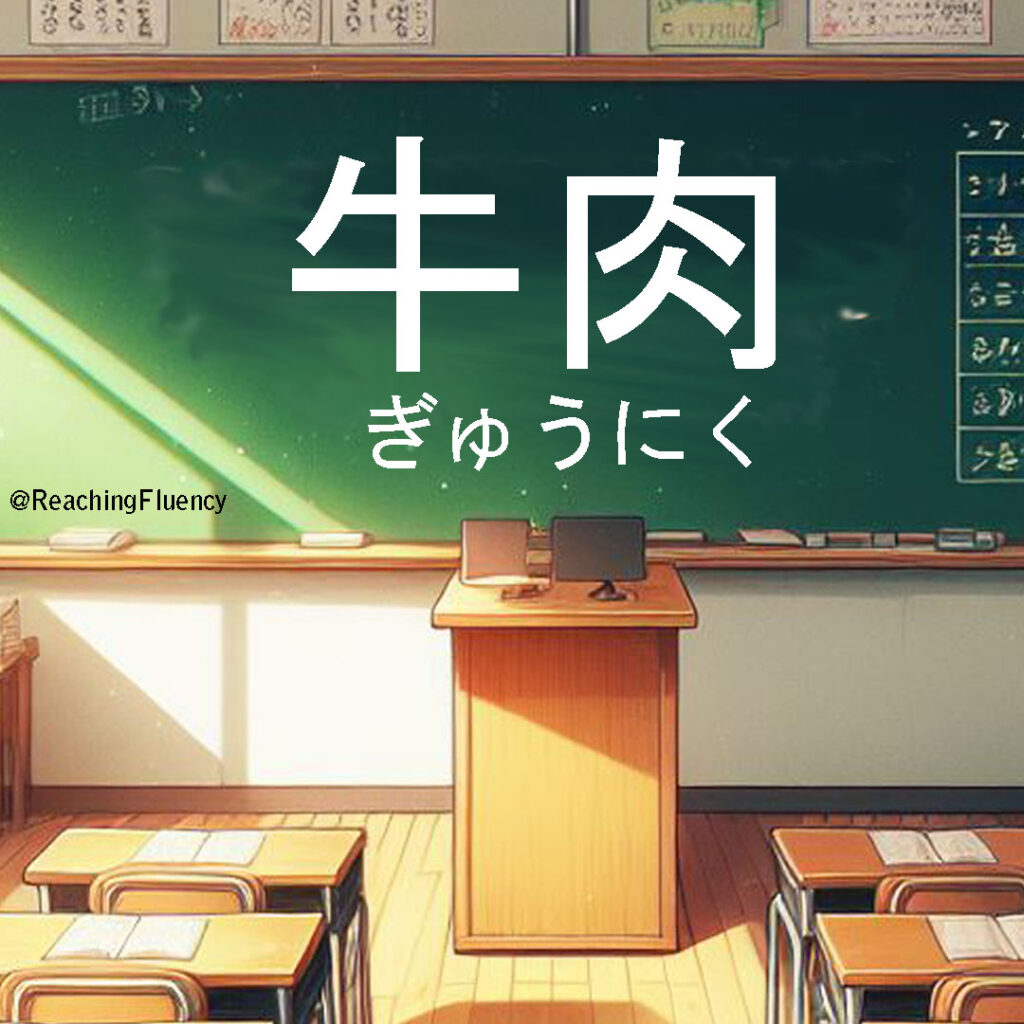
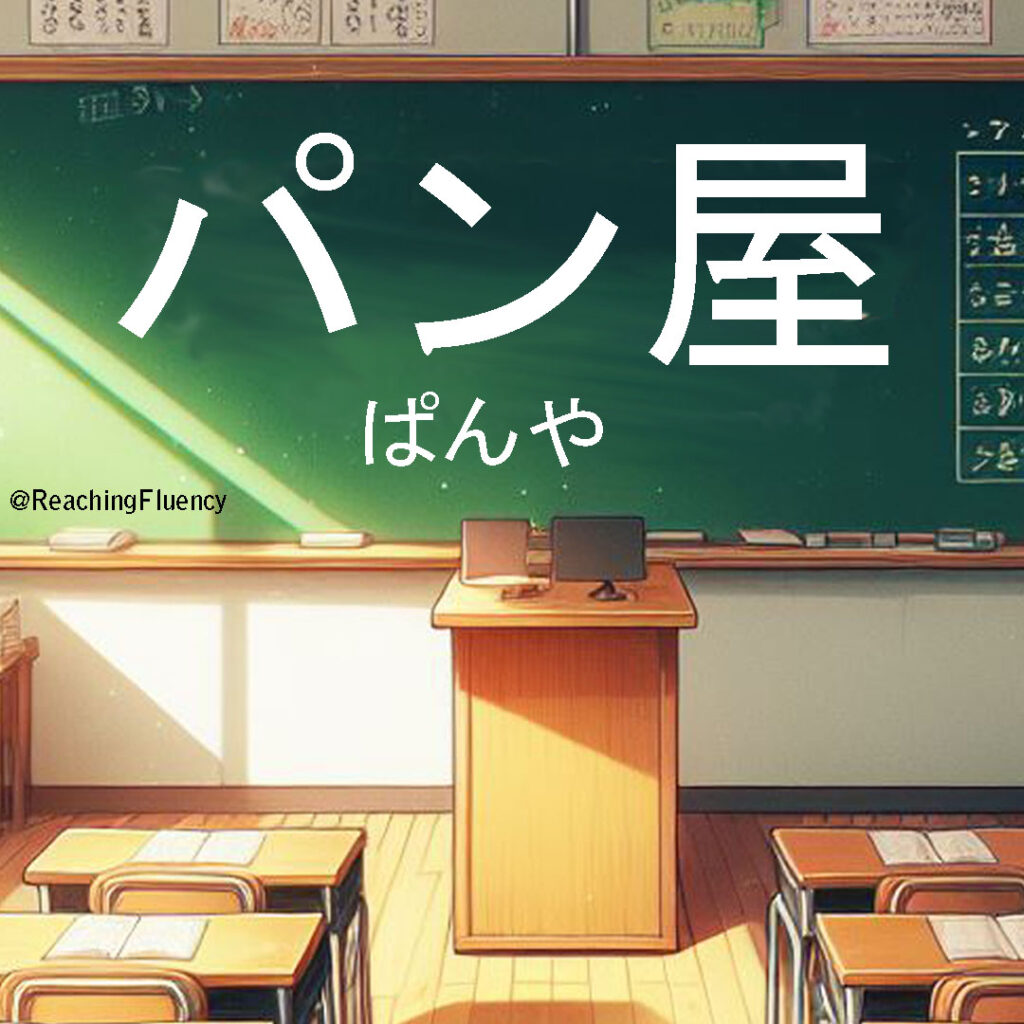
パン屋 (ぱんや) – Bakery
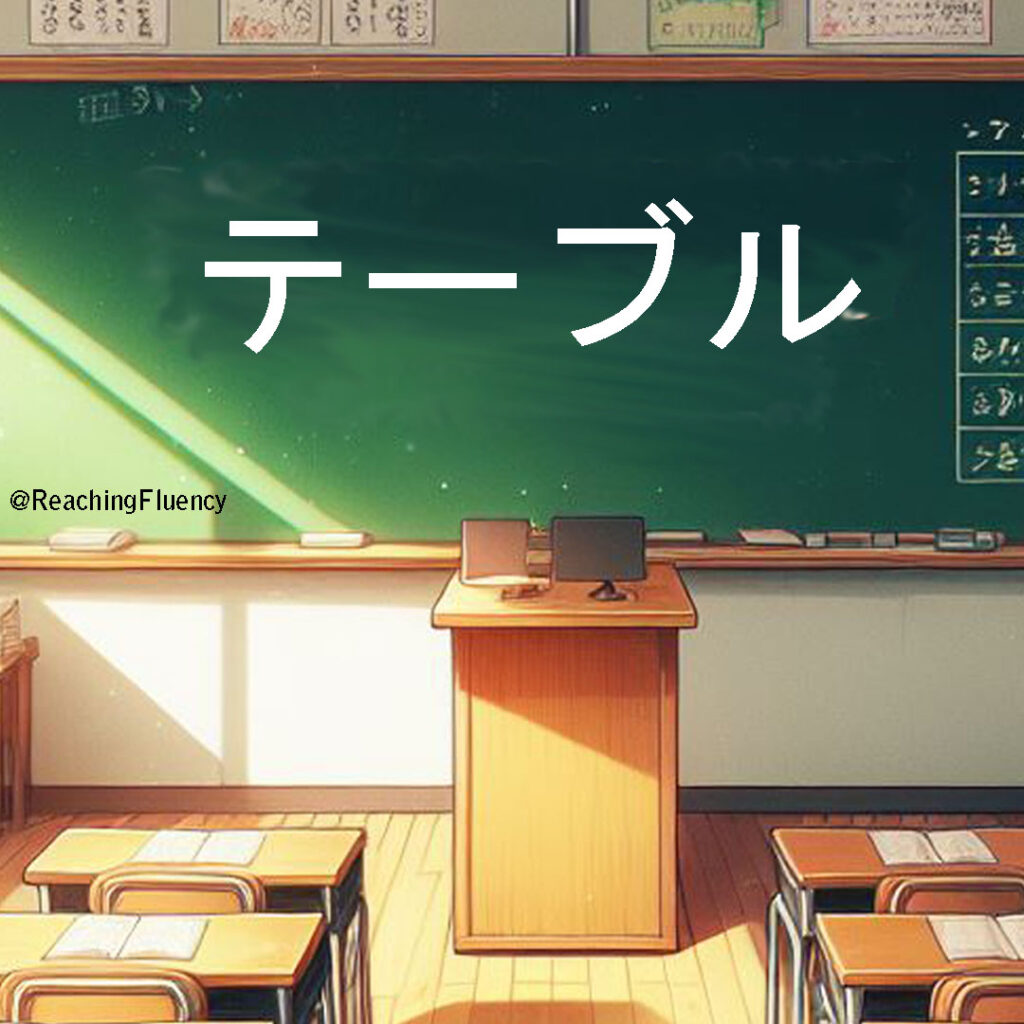
テーブル – Table
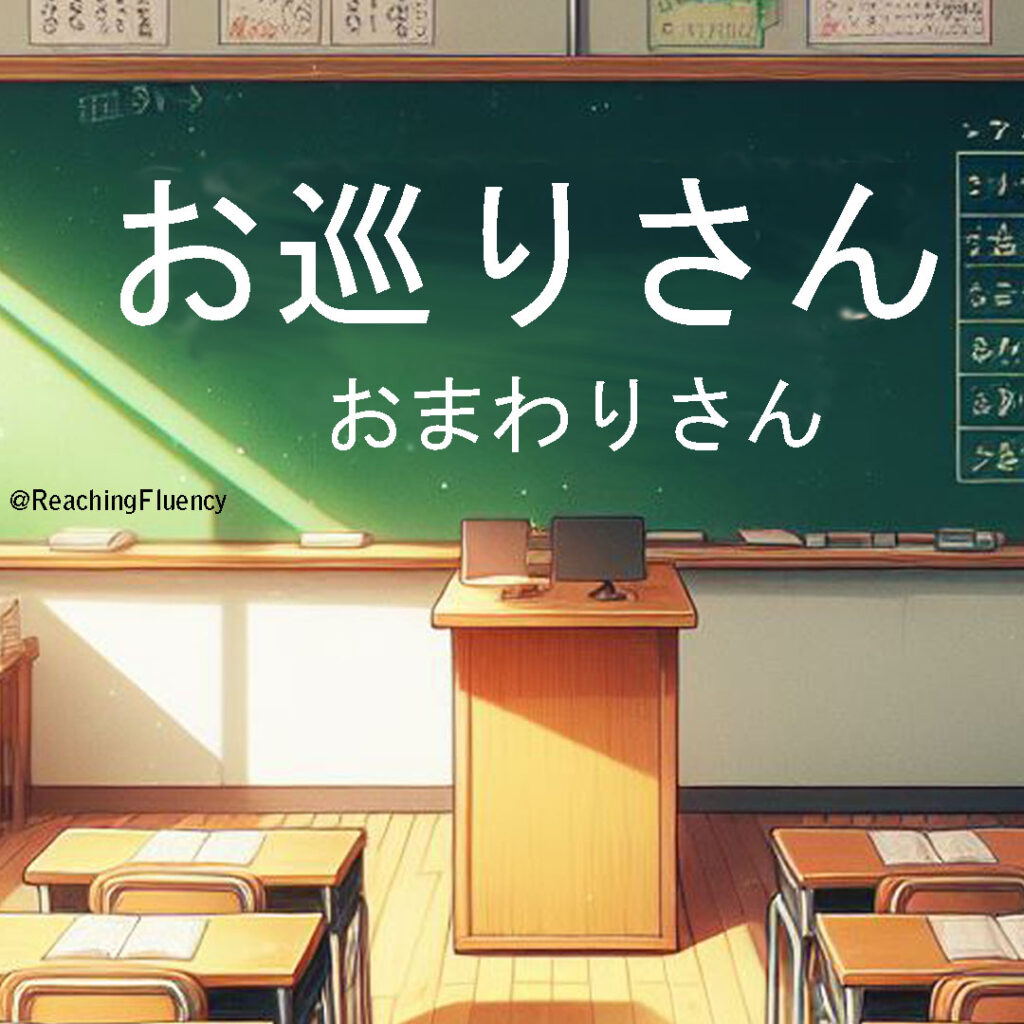
お巡りさん (おまわりさん) – Police Officer
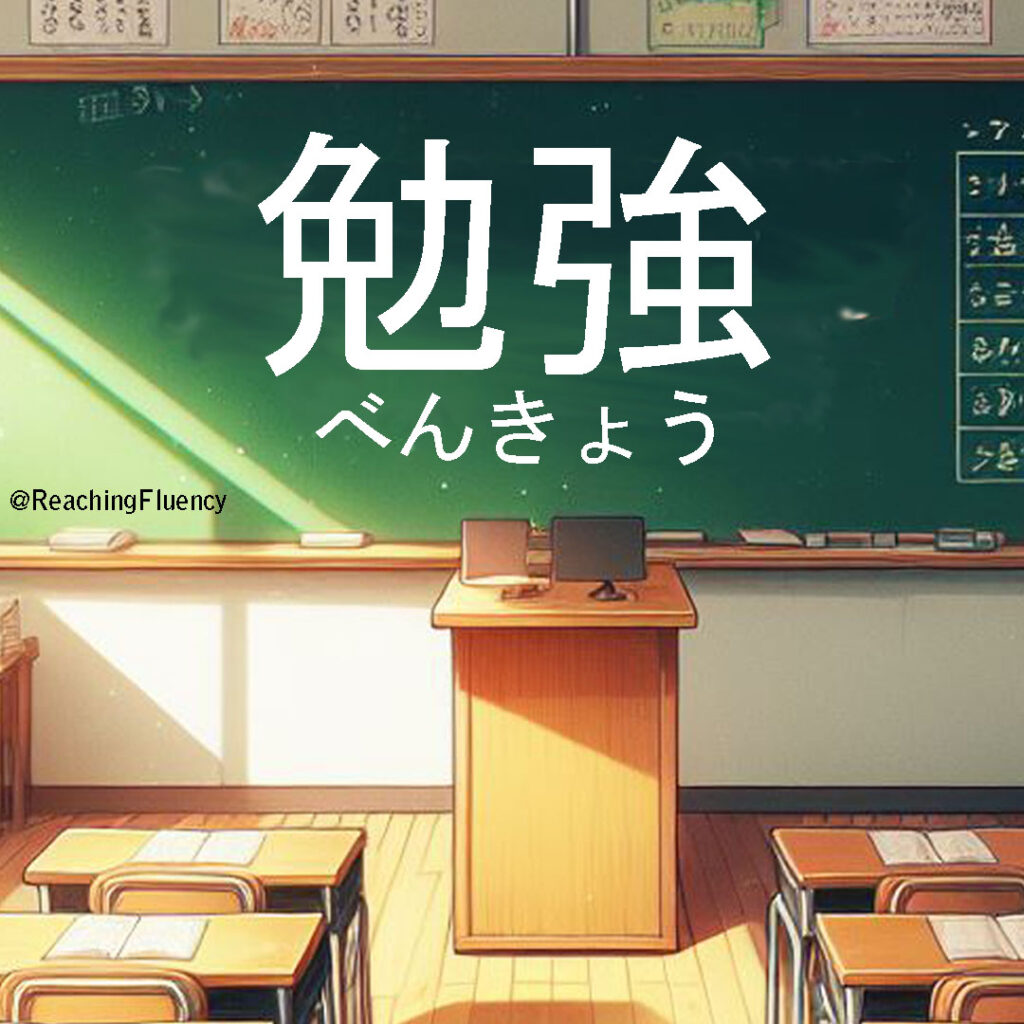
勉強 (べんきょう) – Study
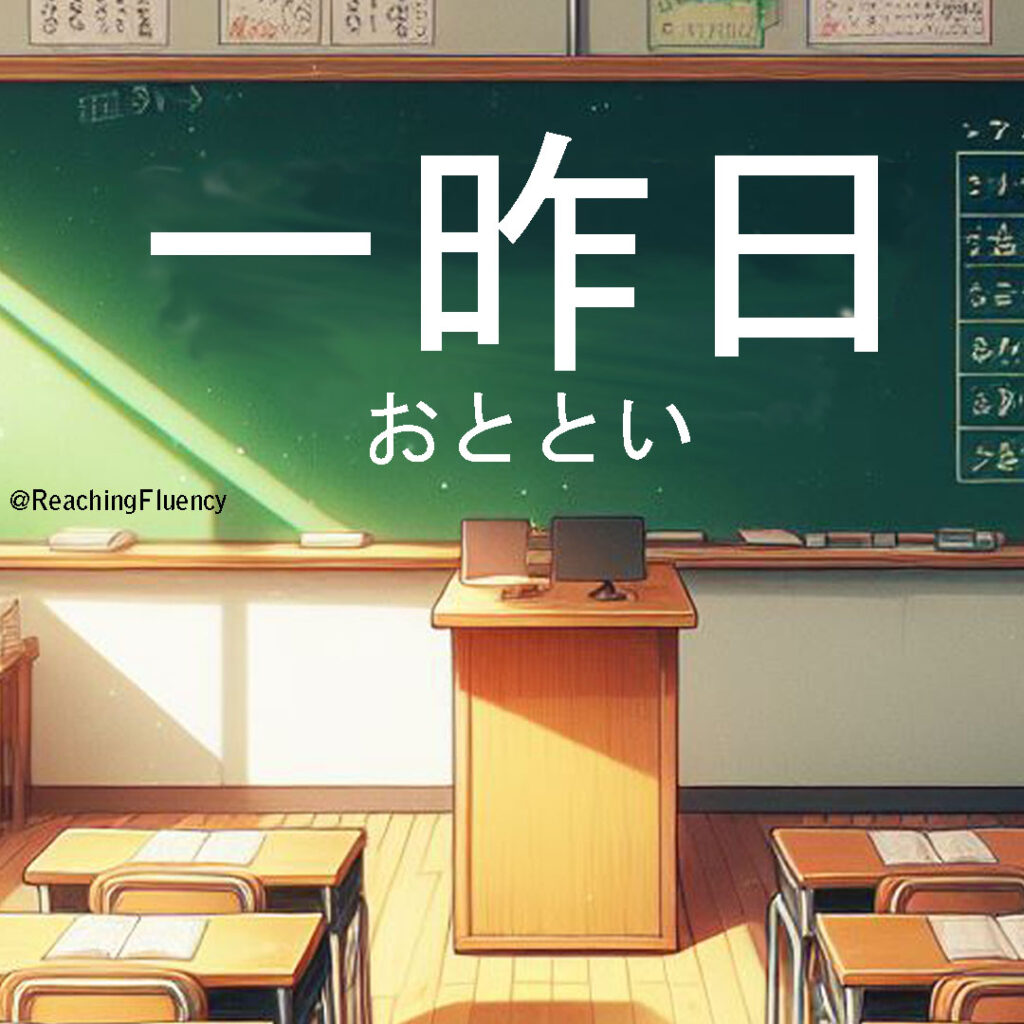
一昨日 (おととい) – Day Before Yesterday
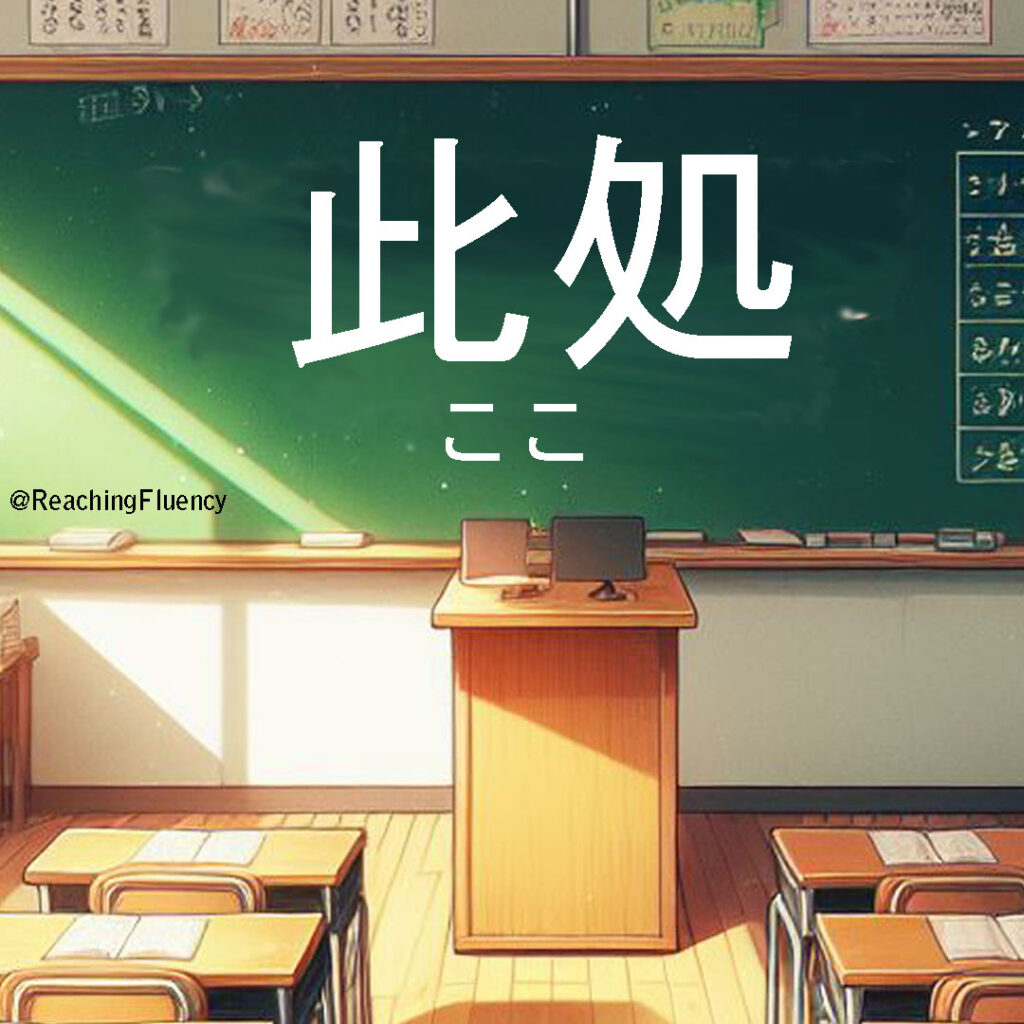
此処 (ここ) – Here
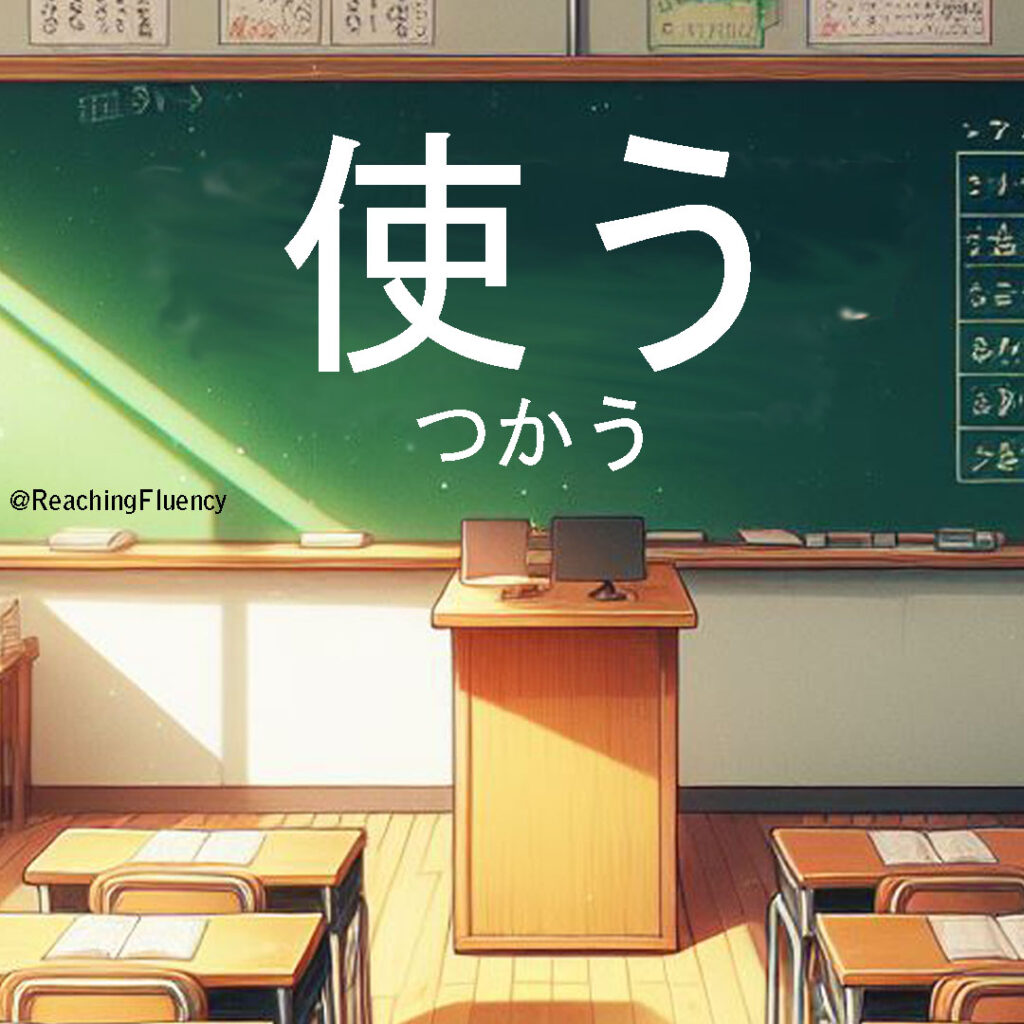
使う (つかう) – To Use (a tool, method, etc.)
Today’s Immersion Videos
It is taking me time to find/add more immersion videos. This section will be updated shortly!
Go To The Next Lesson: Day 29 – The や (Ya) Particle

Ian is the owner and main writer of Reaching Fluency. He is a native English speaker, French speaker and Japanese learner and general lover of language learning.
You can read more about him on his Authors Page or link with him on social media
日常英会話メール
ニュースレターを購読してください! - 参加無料
メールリストに参加すると、少なくとも週に 1 回 (場合によってはそれ以上) メールが届きます
メールは毎日の英会話で、読んで勉強することができます。
メールは短いですが役に立ちます。いつでも停止できます

