
Today we are looking at another of the Japanese sentence particles, the よ(yo) particle. This one is really straight forward, but it can be confused with some other particles, so lets look at it and make sense of things.
Page Contents
The よ (yo) Particle
You will usually find the よ (yo) particle at end of a sentence and is used when you are giving new information to someone …and you know they don’t know it.
I have probably made this sound more confusing that it needs to be, but just understand that if you see this particle at the end of a sentence …see it as kind of “I am telling you” and it is quite a confident statement.
Just imagine we are in the park and I am eating ice cream and I turn and tell you – おいしいよ (oishii yo) – you can see this as “I am telling you that this is delicious. It is a fact!”
You haven’t tasted the ice cream, so you don’t know how it tastes …so when I tell you, its new information to you, so I can use よ (yo) to mark that.
It’s a bit more direct that me just making a statement saying – おいしい – it’s delicious (oishii).
The Confusion Between よ (yo) and ね (ne)
A lot of people get confused being the use of よ(yo) and ね (ne) and really it all just comes down to if the person you are speaking to is able to perceive/know the same thing or not.
In the example above, I am eating the ice cream, you are not …so you can not perceive what it is like. So when I describe it …this is new information to you, so よ (yo) is used.
However, if you are also eating an ice cream, it means you can perceive the same experience as me, so I could use ね (ne). I would say おいしいね (oishii ne) and it would be asking for you to agree with me on what it tastes like …since you are also aware of what it tastes like.
よね (yone)
I think some of the trouble around よ (yo) and ね (ne) comes from the fact that you will see よね (yone) at the end the end of sentences …yes, both particles …together.
This actually pretty straight forward and just takes the above “rules” about perception and follows the same order.
When you see よね (yone), you should see it like the ね (ne) Particle on its own, where it is being used as “that’s right, isn’t it” and is seeking some sort of agreement.
However, what is actually happening is that you are introducing new information to the person, which is why the よ (yo) particle is there too …then instantly you are asking for agreement, since now they know whatever it is …they can now agree with you.
I would consider this a bit of a quirk of Japanese, as usually you would give someone new information and allow them to process it before asking them to agree with it, but it seems in Japanese you can just do it all with the same breath.
Also it is important to note that this only works as よね (yone) … you can’t have it the other way, as that would be illogically. “Neyo” would be asking for agreement, which requires them to know something already …then straight after telling them its new information …how can it be new information, if you have already asked for an opinion on it. So, just don’t get these two the wrong way round.
(Return To: The Full List of All The Japanese Lessons)
Today’s Vocabulary
痛い (いたい) – Painful
背広 (せびろ) – Business Suit
映画館 (えいがかん) – Movie
外 (そと) – Outside
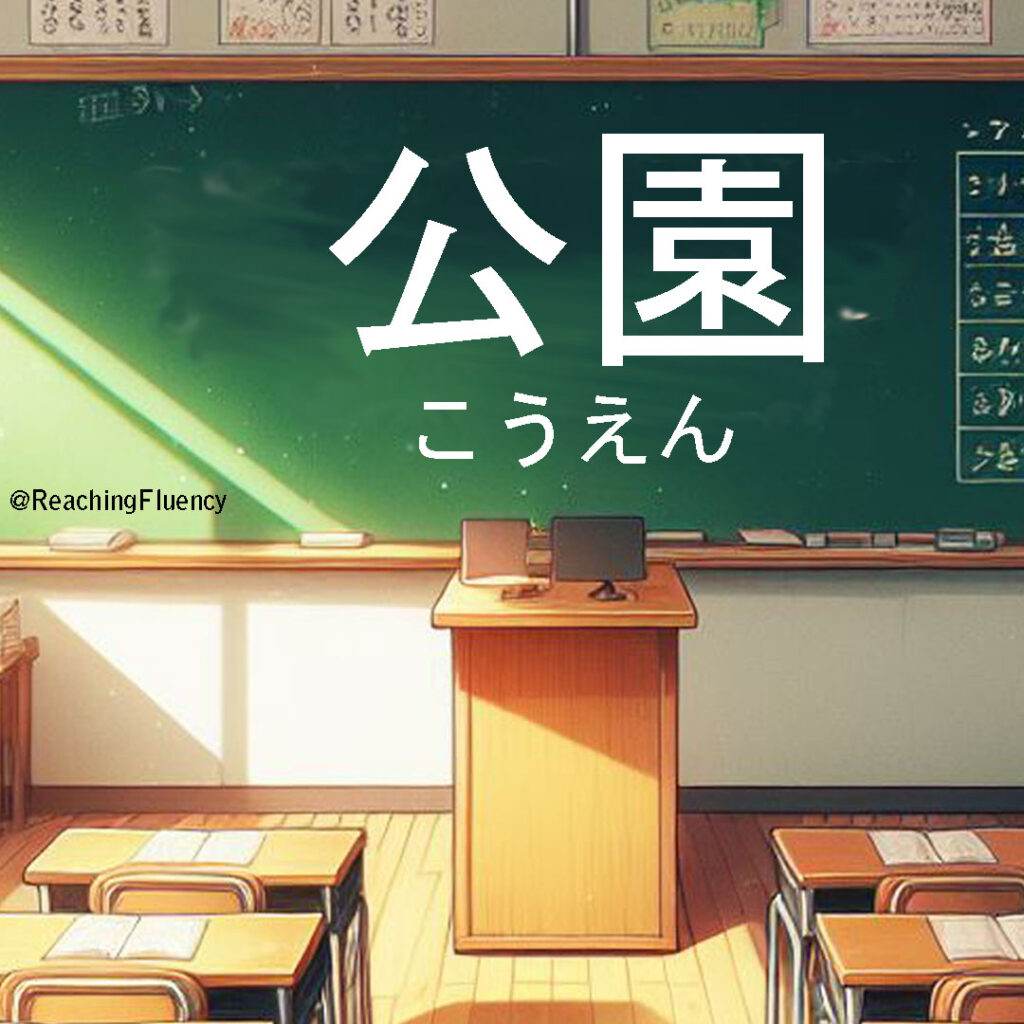
公園 (こうえん) – Park
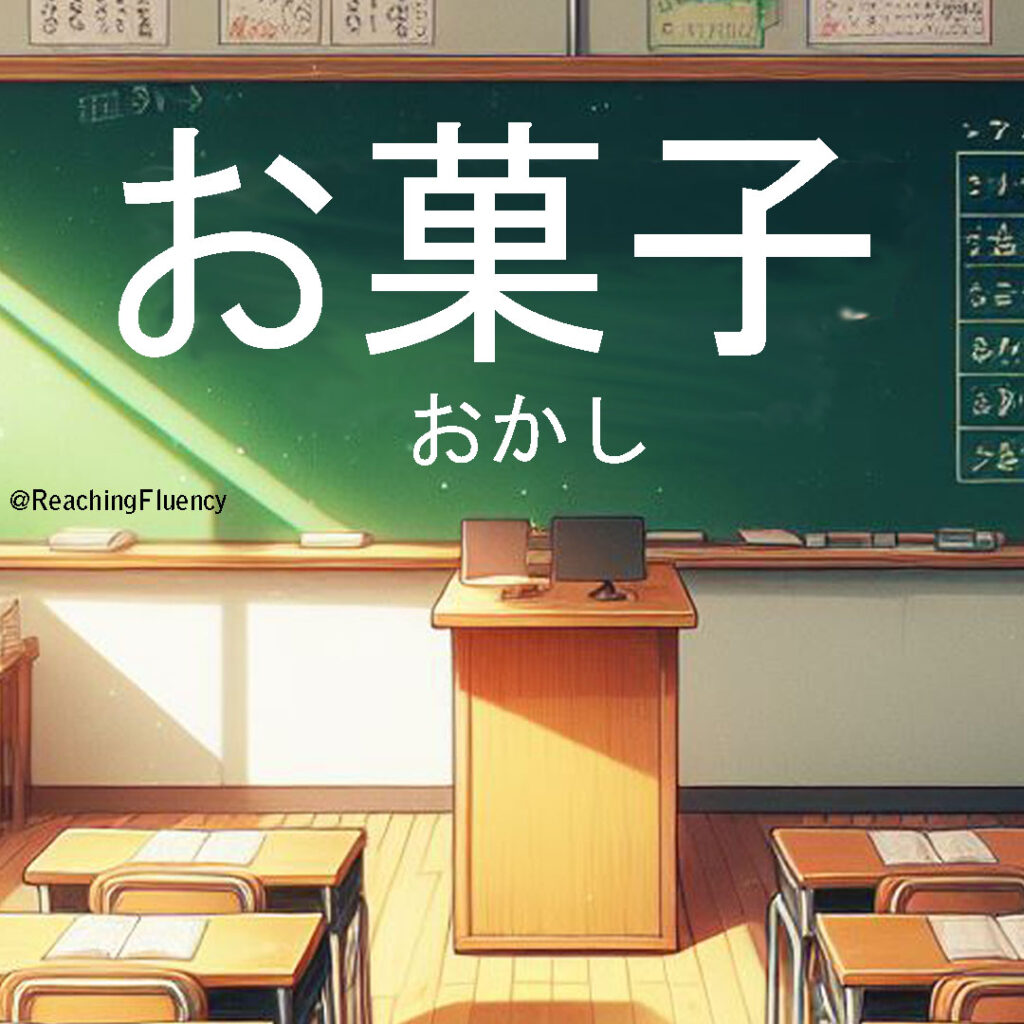
お菓子 (おかし) – Sweets/Candy
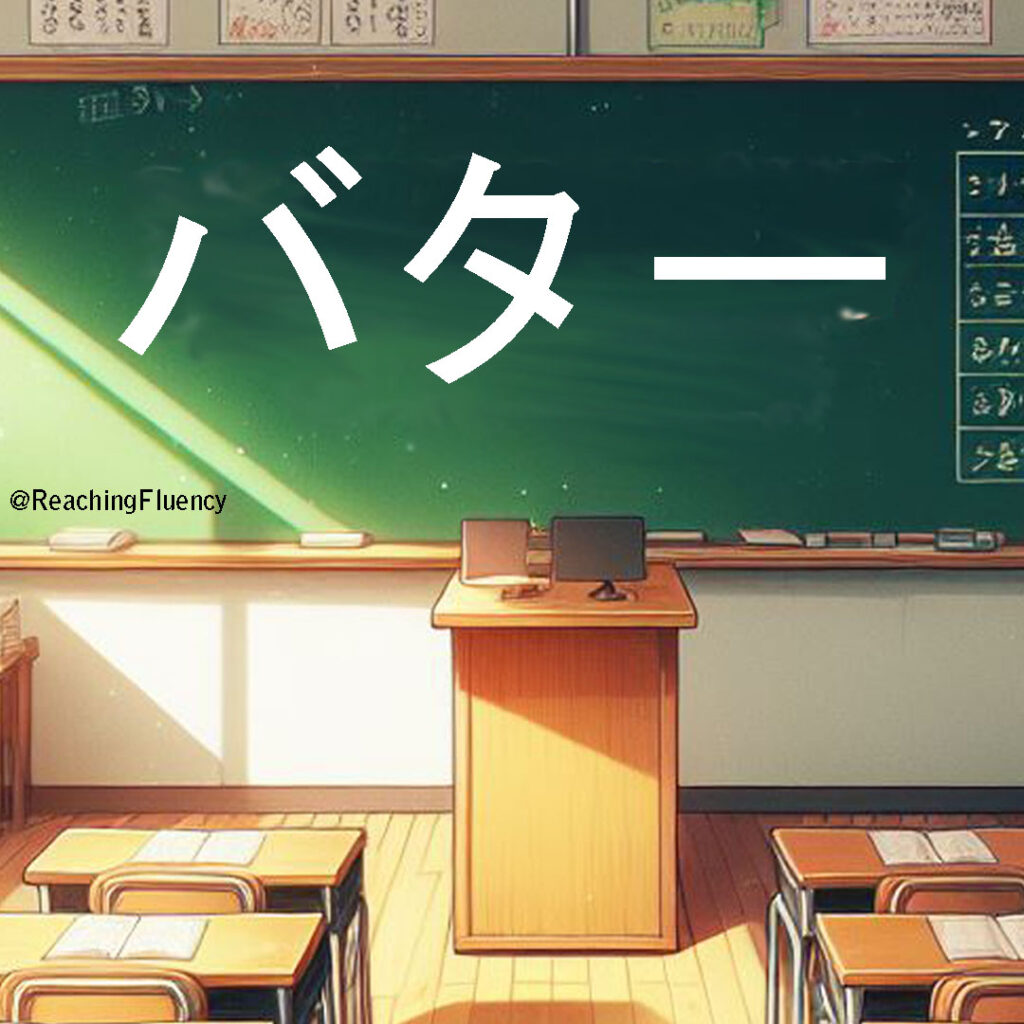
バター – Butter
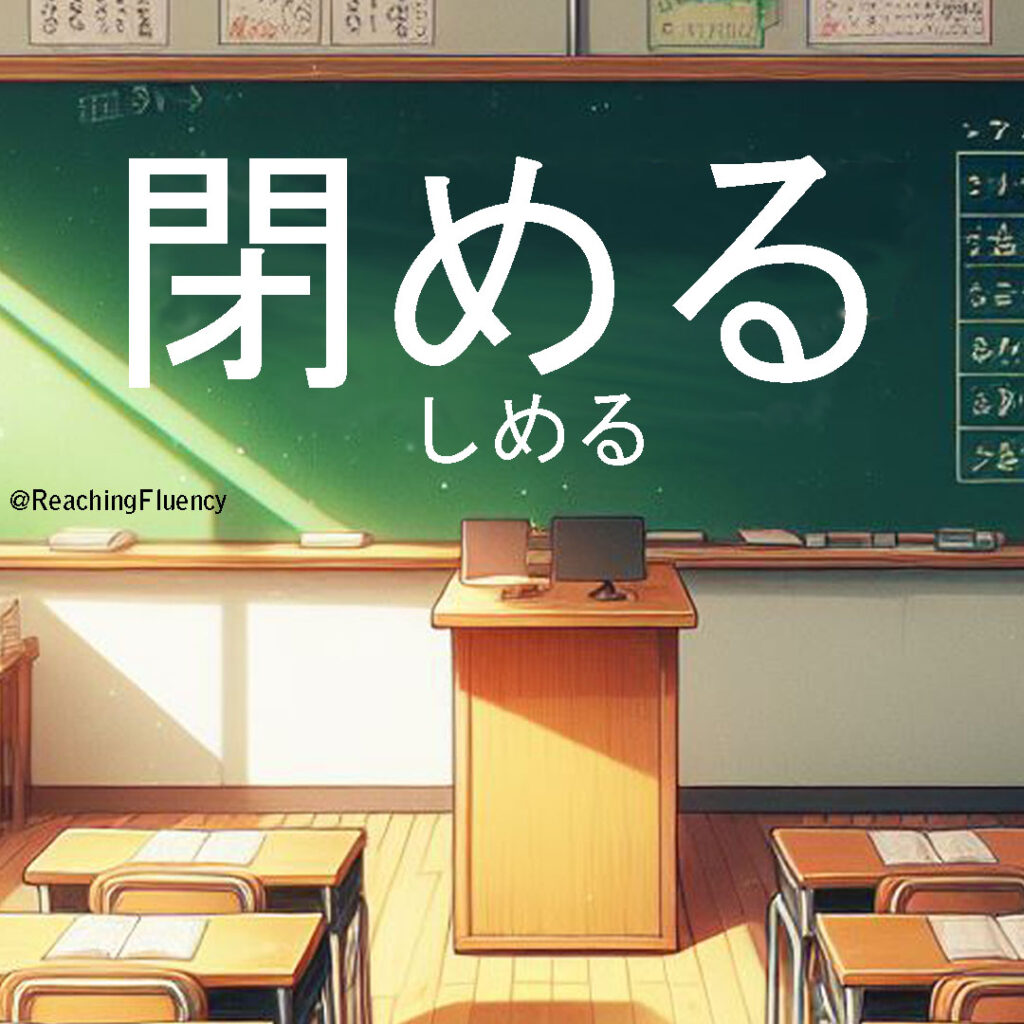
閉める (しめる) – To Close/Shut
Today’s Immersion Videos
It is taking me time to find/add more immersion videos. This section will be updated shortly!
Go To The Next Lesson: Day 28 – Saying “Why” In Japanese

Ian is the owner and main writer of Reaching Fluency. He is a native English speaker, French speaker and Japanese learner and general lover of language learning.
You can read more about him on his Authors Page or link with him on social media
日常英会話メール
ニュースレターを購読してください! - 参加無料
メールリストに参加すると、少なくとも週に 1 回 (場合によってはそれ以上) メールが届きます
メールは毎日の英会話で、読んで勉強することができます。
メールは短いですが役に立ちます。いつでも停止できます

