
Today we are looking at the ね (ne) particle, which is very common in Japanese, especially in the spoken language where you are going to hear it non-stop, so lets look at what it’s all about.
Page Contents
The ね (ne) Particle In Japanese
You will often find ね (ne) at the end of sentences, and this particle is used to confirm something that has been said. Basically it’s like saying “isn’t that right” and is simply added to the end of a statement.
おいしい- It’s delicious
おいしいね – it’s delicious, right?
You can see this particle as being used to seek validation or an agreement, depending on who is saying it, but either way it is used as a confirmation as such.
This does also mean the other person needs to able to agree with you …so whatever you use it with, the other person needs to be able to confirm it.
If I say “London is lovely” you have to have visited London to be able to agree. If you have never been, then how can you confirm/validate what I am saying?
This sounds more complicated than it needs to be, but look out for this, you will notice it is only used when the other person can actually confirm what is being talked about.
You will notice they have to be able to see/hear/experience/perceive whatever is being talked about …and if they can, you will see ね (ne) being used for confirmation by the speaker.
そうですね(sou desu ne)
One of the things you will hear countless times in Japanese conversations is – そうですね (sou desu ne)
It really just means – “yeah that’s right”, and can it be used by both speakers, as a confirmation.
You see it being used as a question of confirmation, and an agreement to the question.
You might also see it as a bit of an indirect exclamation. If we take the example from above おいしいね – you can see this as just “it’s delicious!!” where it’s more of an exclamation, rather than asking for confirmation or agreement. Really it can be either at times and the meaning can be pretty interchangeable.
You will hear ね (ne) a lot in spoken conversations and you will also notice that generally Japanese speakers do a lot of confirmation in general. This means you will hearね (ne) a lot, but You will also hear them saying “yes” a lot, either as “unn” or “hai” where they are just showing that they are both listening and agreeing to what is being said throughout the conversation.
This all goes back to how the Japanese are very polite, so they like to show that they are paying attention as this is of course respectful.
(Return To: The Full List of All The Japanese Lessons)
Today’s Vocabulary
スプーン (スプン) – Spoon
ペット – Pet
お父さん (おとうさん) – Father
ホテル – Hotel
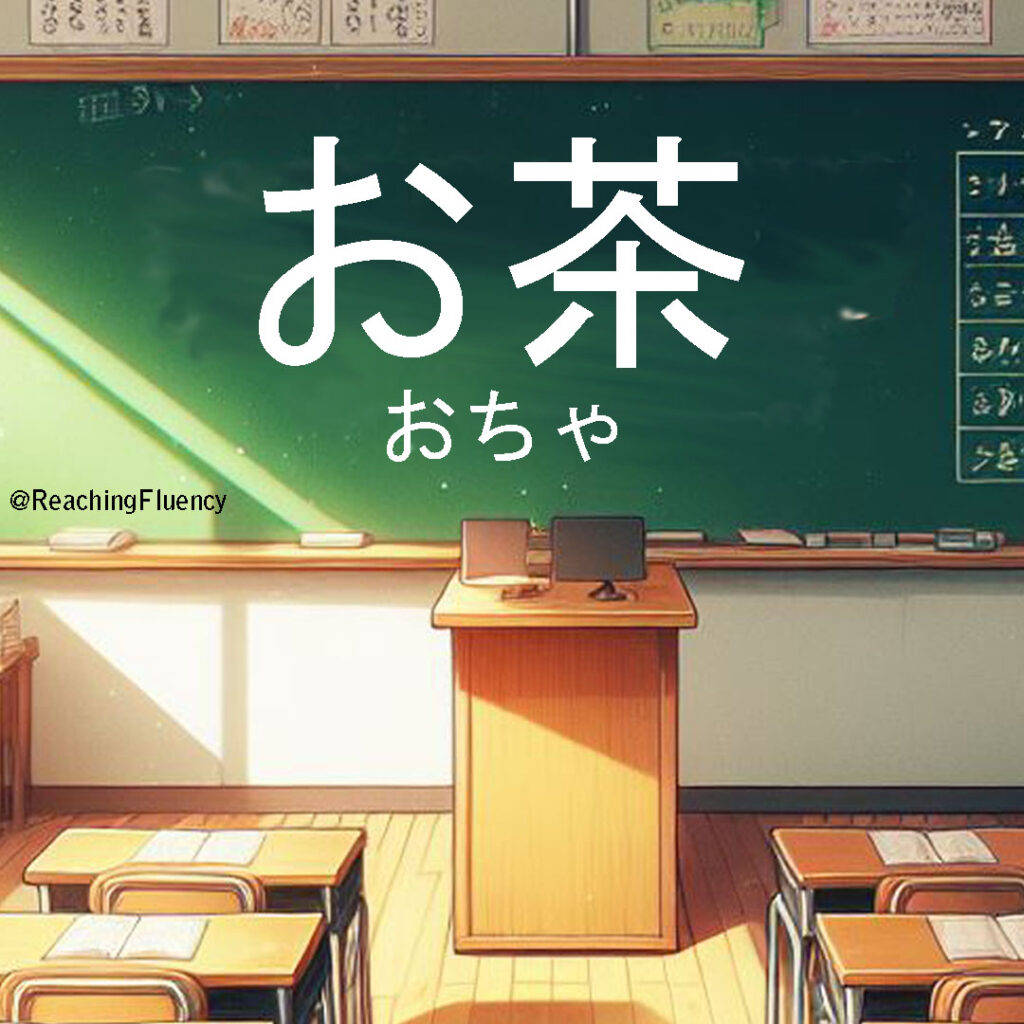
お茶 (おちゃ) – Tea
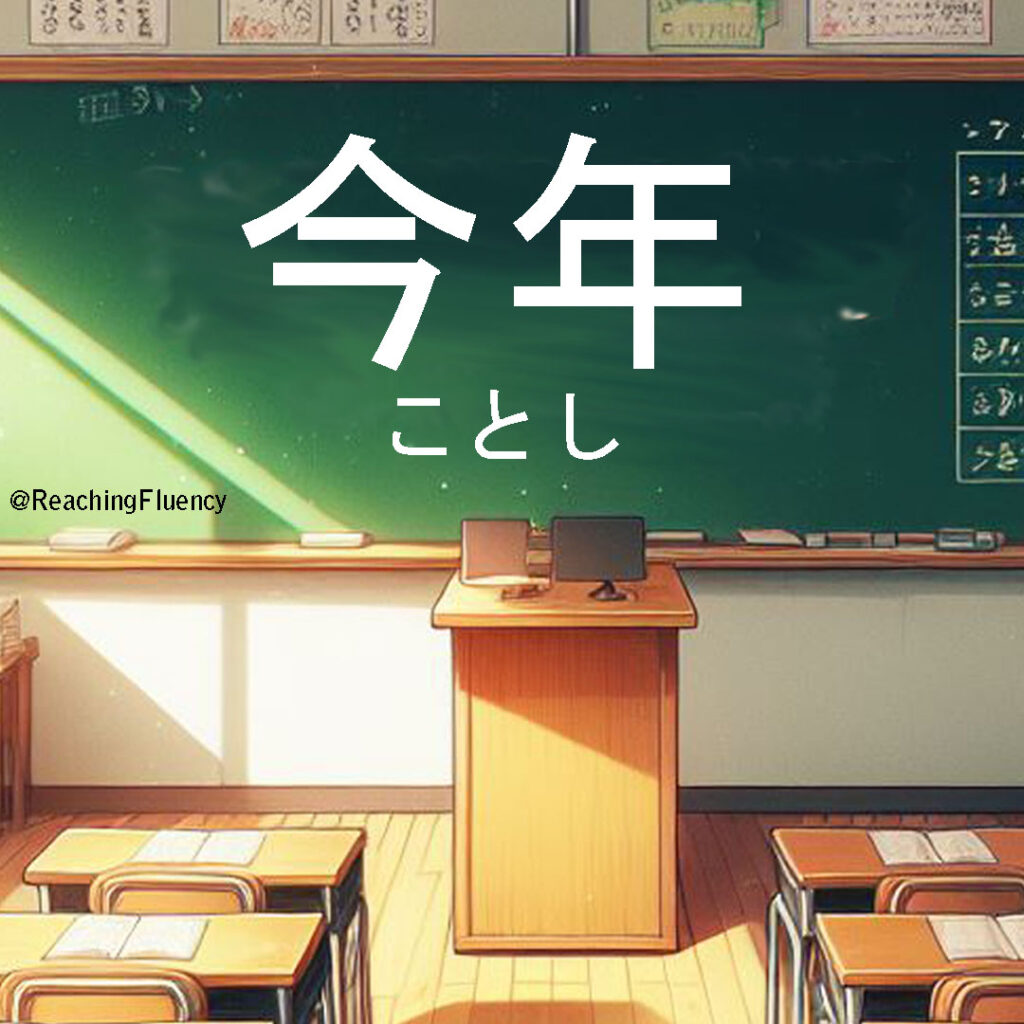
今年 (ことし) – This Year
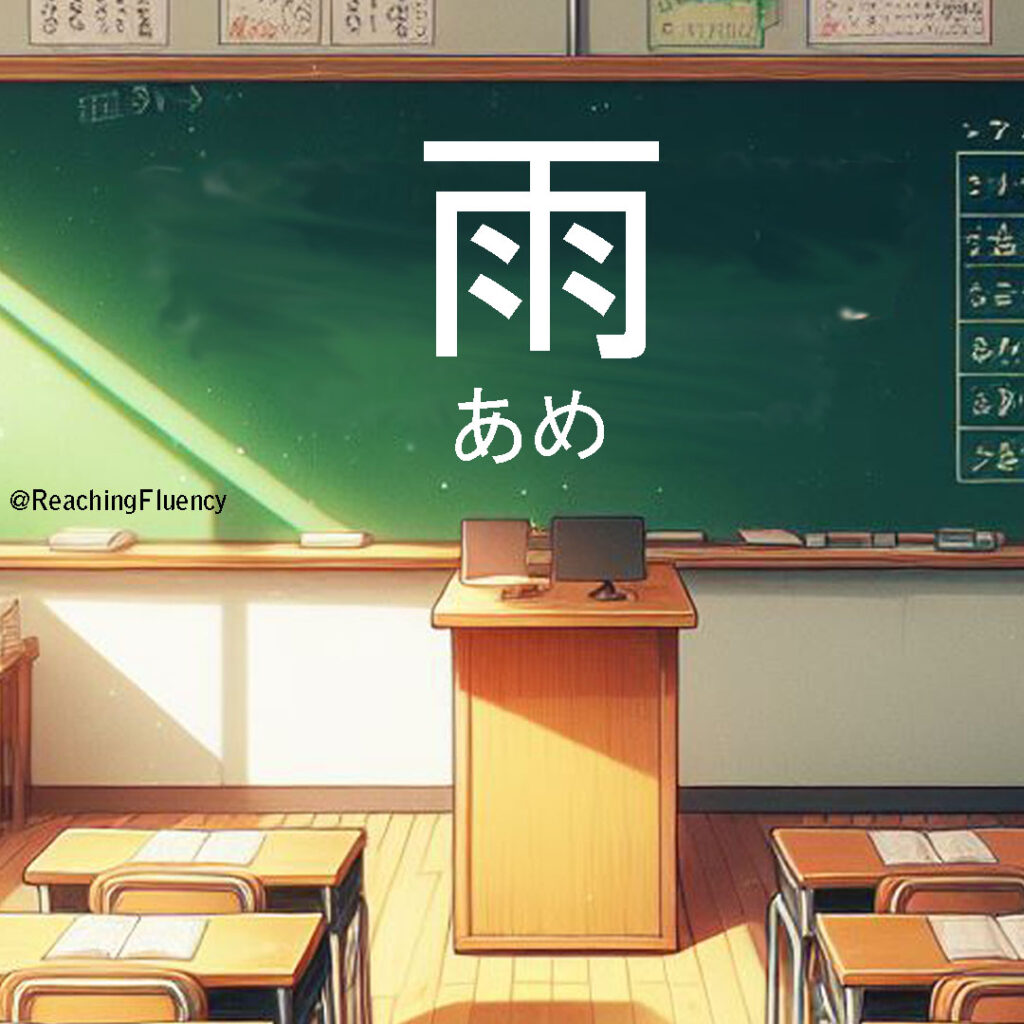
雨 (あめ) – Rain
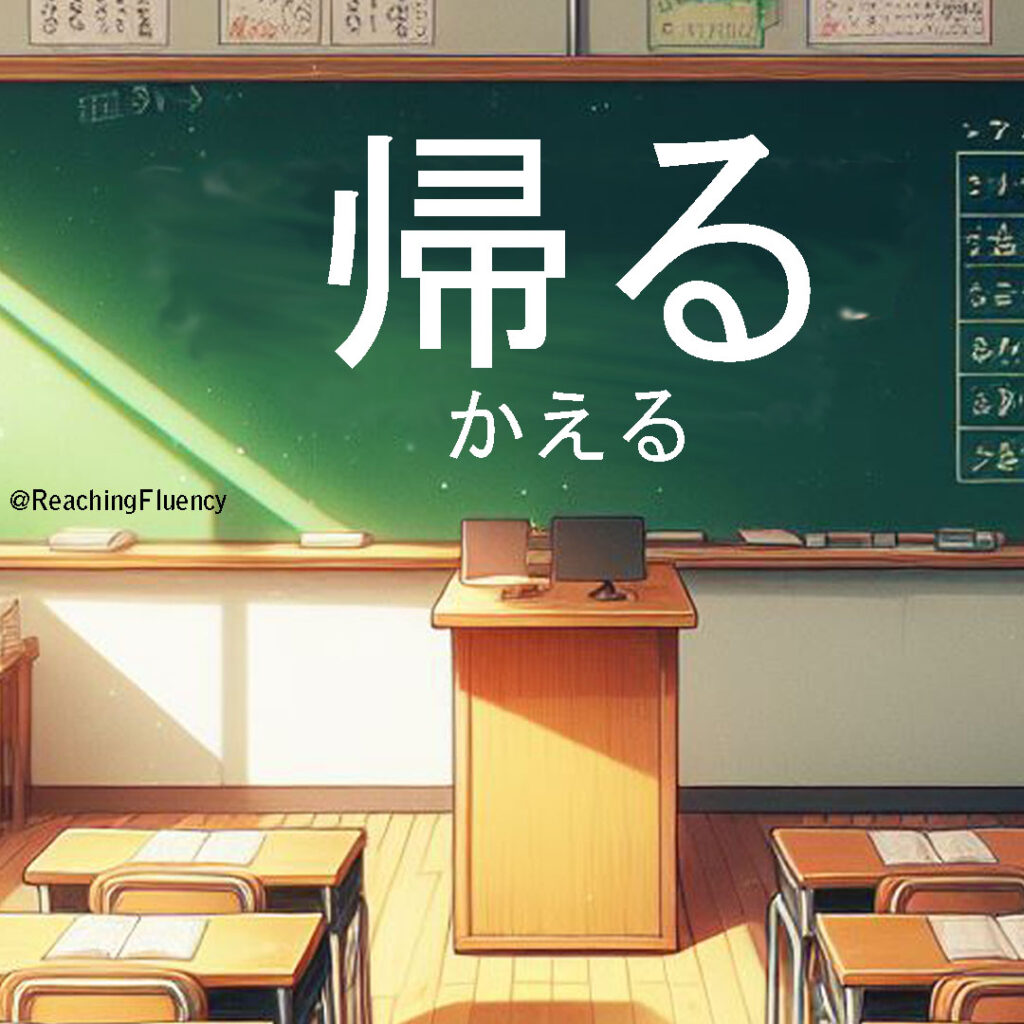
帰る (かえる) – To Return/ To Come Home
Today’s Immersion Videos
It is taking me time to find/add more immersion videos. This section will be updated shortly!
Go To The Next Lesson: Day 27 – The よ (Yo) Particle

Ian is the owner and main writer of Reaching Fluency. He is a native English speaker, French speaker and Japanese learner and general lover of language learning.
You can read more about him on his Authors Page or link with him on social media
日常英会話メール
ニュースレターを購読してください! - 参加無料
メールリストに参加すると、少なくとも週に 1 回 (場合によってはそれ以上) メールが届きます
メールは毎日の英会話で、読んで勉強することができます。
メールは短いですが役に立ちます。いつでも停止できます

