
Today we are looking at another sentence particle or maker …the も (mo) particle. This one is also pretty straightforward so let’s get into it and see how it works.
Page Contents
The も (mo) Particle In Japanese
The もparticle is used to say “also” or “too” and is used when you want to describe similarities in a conversation.
For example, if someone says “I like cats” …you could reply saying: 猫も好きです( neki mo suki desu) – I like cats too / I also like cats.
You will commonly see this particle being used in a sentence, where rather than repeating the same things twice, も(mo) is used instead.
Saying something like: “Tanaka is French. Steve is French”.
タナカさんはフランス人です。 スティーブはフランス人です
This would work …bugt it’s very robotic as such, no one talks like this and you are most likely going to see も(mo) being used in the second part of this sentence, as it just sounds more natural.
タナカさんはフランス人です。 スティーブもフランス人です
“Takana is French …Steve is also French”
You may also see something simple like私もです as a kind of “me too” type phrase, instead of just repeating the same sentence back.
Me: I like cats – 猫が好き
You: I like cats – 猫が好き
No one talks like this! A conversation is much more likely going to be:
Me: I like cats – 猫が好き
You: Me too! -私もです
Context Matters With も (mo)
If the context is implied, you can just use も(mo) in the first sentence.
For example, I was talking about the two French men before, remember. Now, if I just said バリーもフランス人です…you would get from the context that I was adding to that previous conversation we had 30 seconds and I was saying “Barry is also French”.
In this context I am sort of carrying the conversation on, so it’s fine to just the もparticle, but if this was a brand new conversation, it wouldn’t work like this. Just think about how things work in English, you wouldn’t start a conversation this way unless there was some sort of context so the person knows what you are talking about.
も(mo) Can Mean “As Many As”
You might also see the も particle being used to mean “as many as”, as if it is adding emphasis to whatever you are saying.
You might see something like – 300円もかかります (300 yen mo kakarimasu) – it costs as much as 300 yen.
This simple addition of も changes the sentence from “it costs 300 yen” to “it costs as much as 300 yen”.
I think it is going to be okay if you misinterpret this and read it is “This also costs 300 yen” I think you will get the idea that there is still a bit of emphasis on the “cost” here, so you will know it is not simply stating the cost and is implying a bit more.
This is just something to lookout for, especially when people are talking about the price of things, which is where you are most likely to see the “as much as” context.
(Return To: The Full List of All The Japanese Lessons)
Today’s Vocabulary
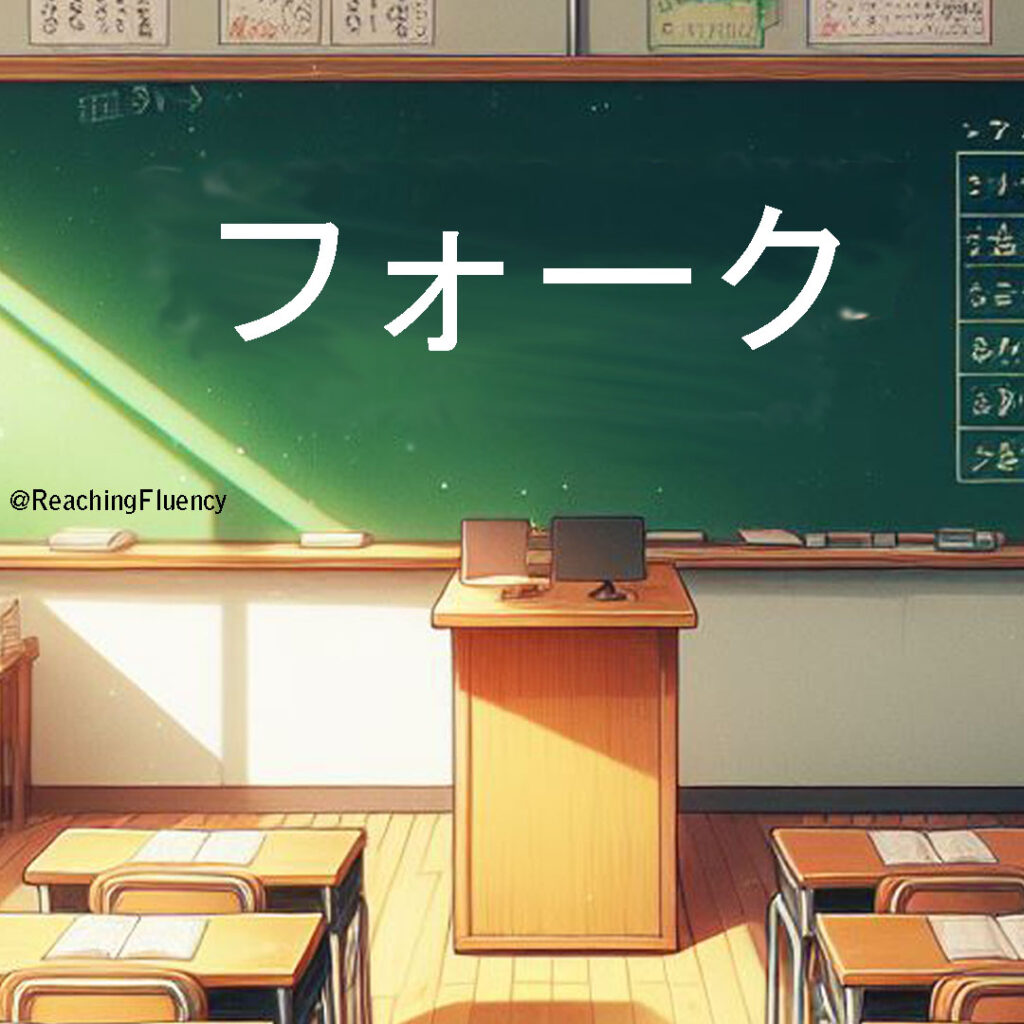
フォーク – Fork
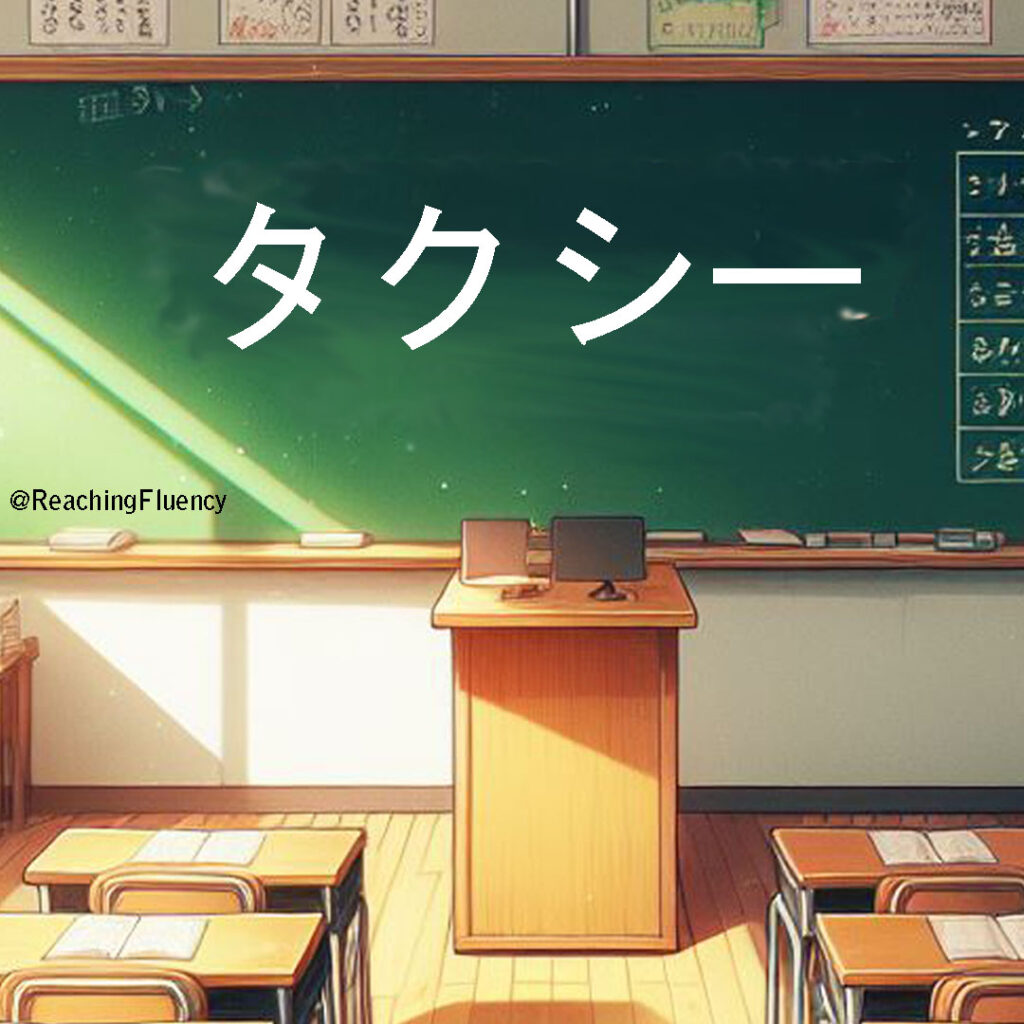
タクシー – Taxi
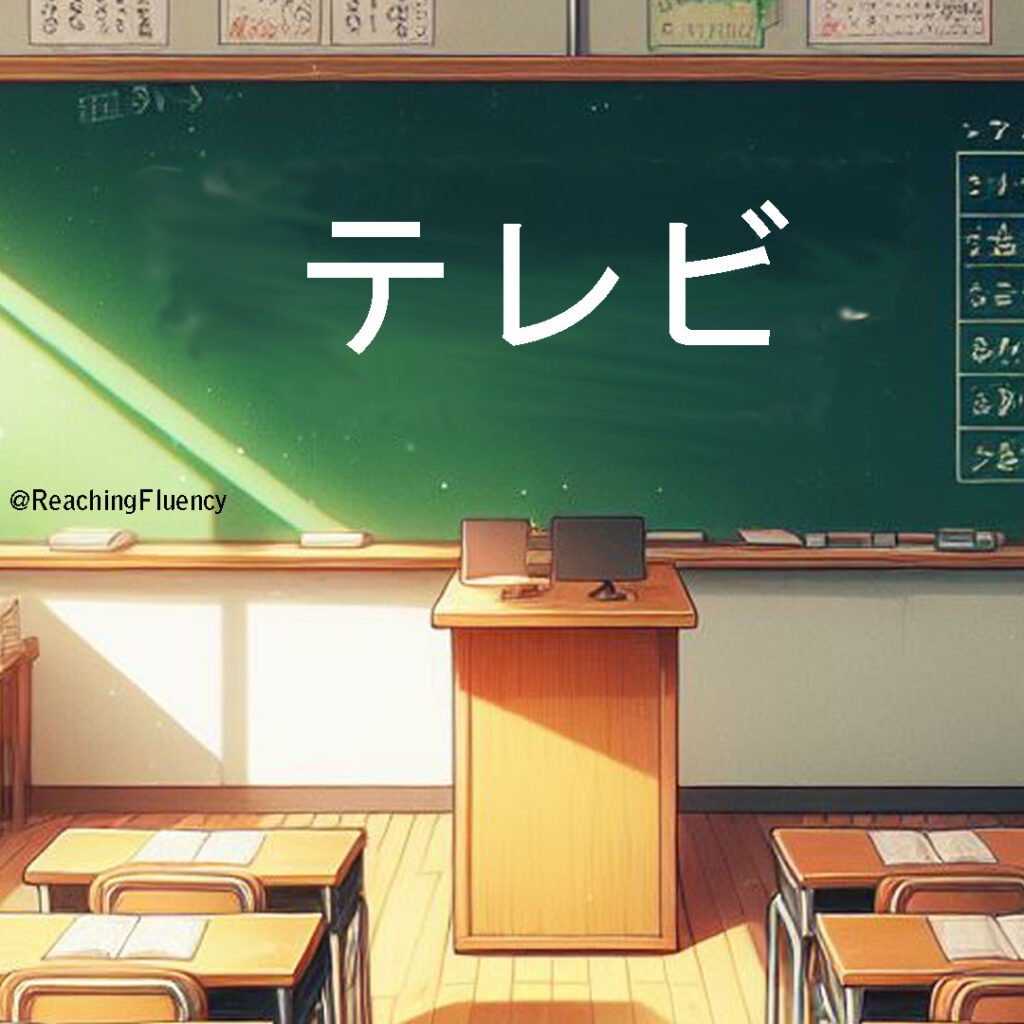
テレビ – Television
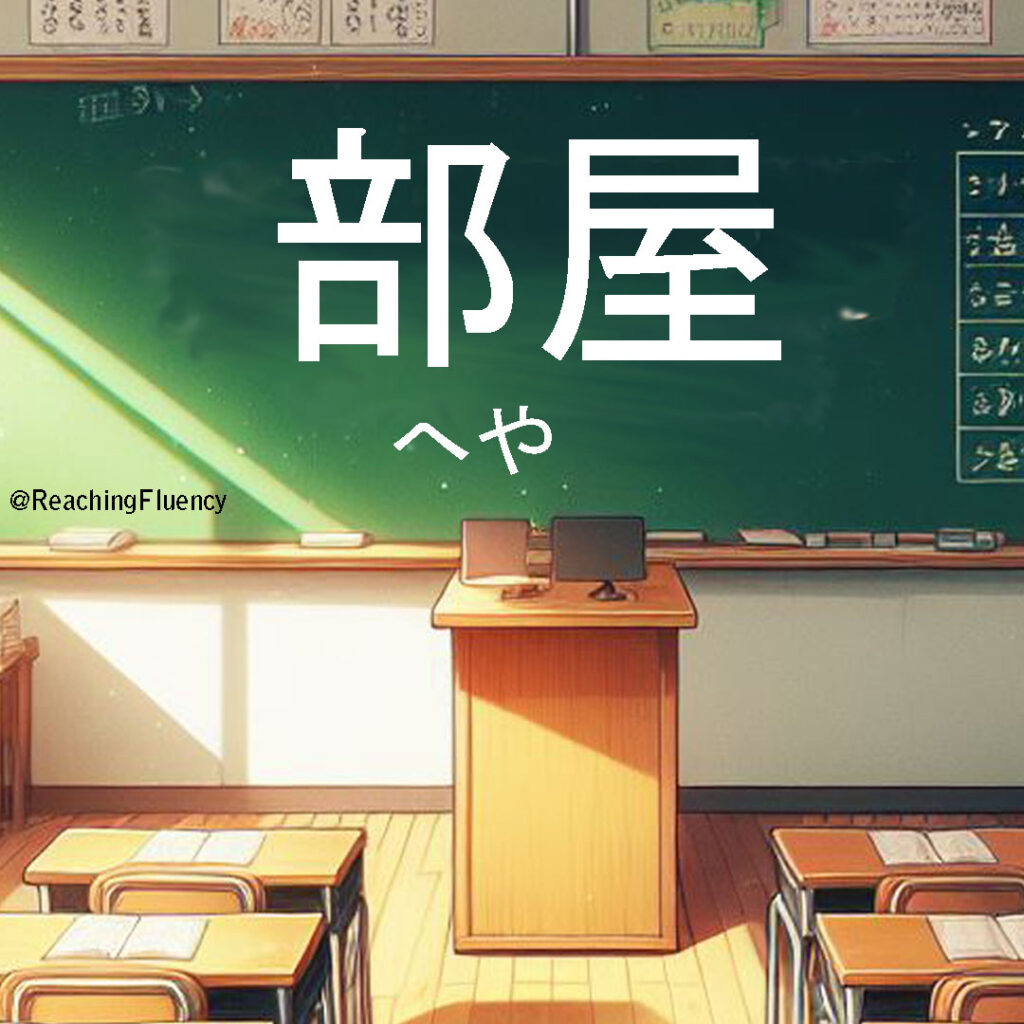
部屋 (へや) – Room
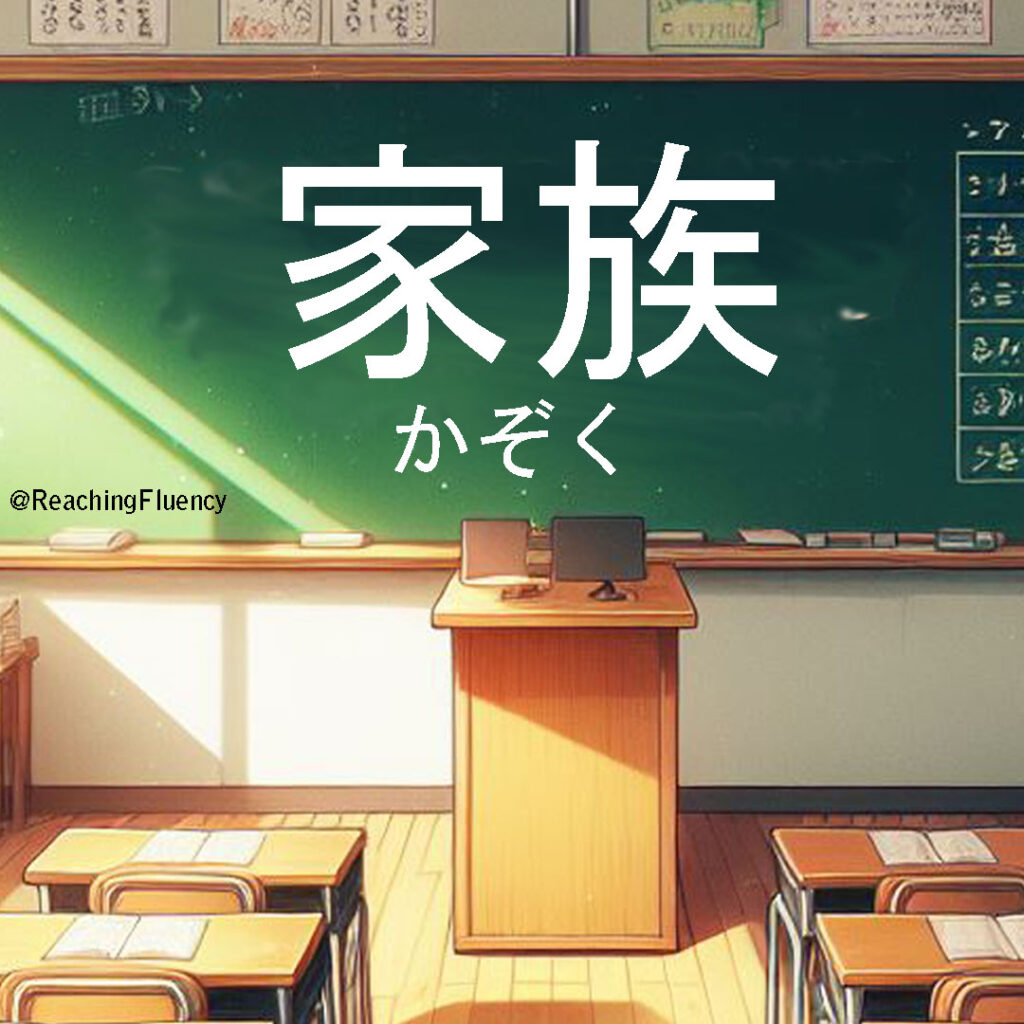
家族 (かぞく) – Family
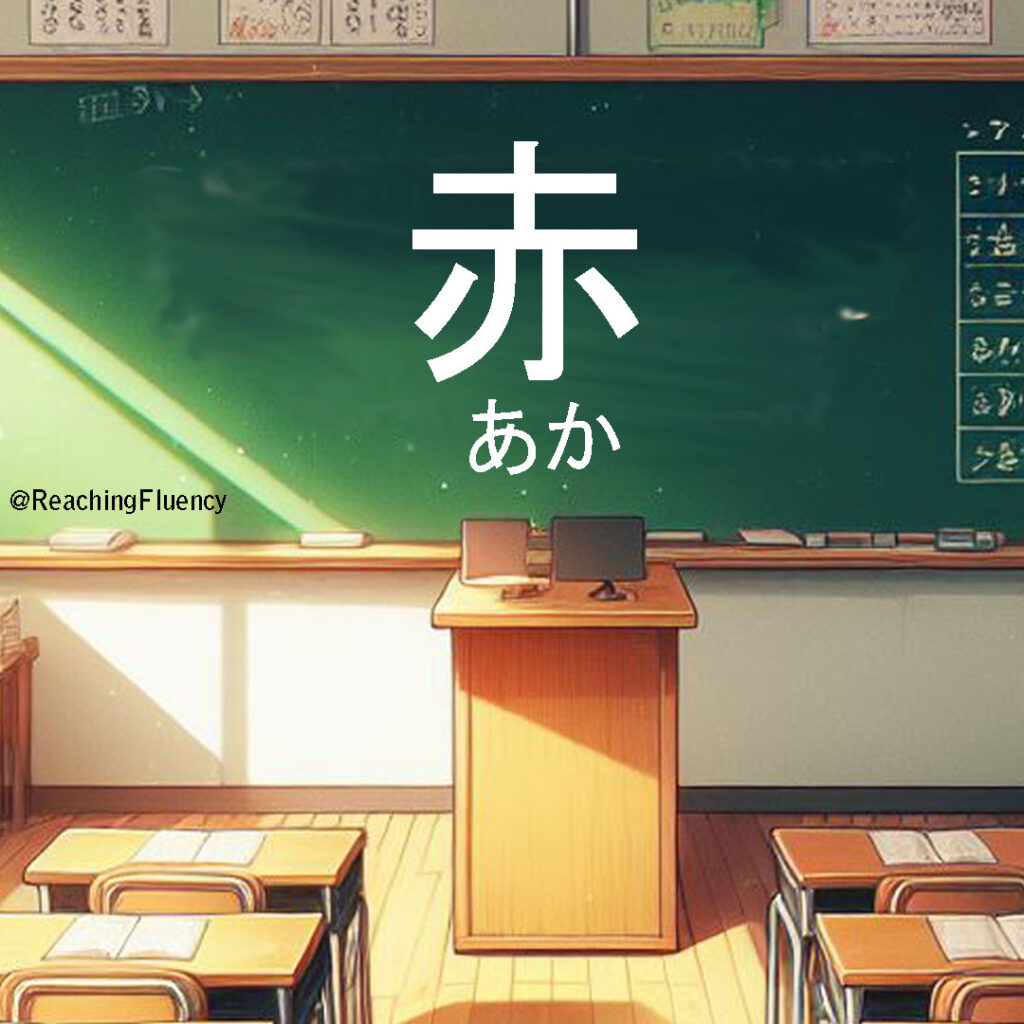
赤 (あか) – Red
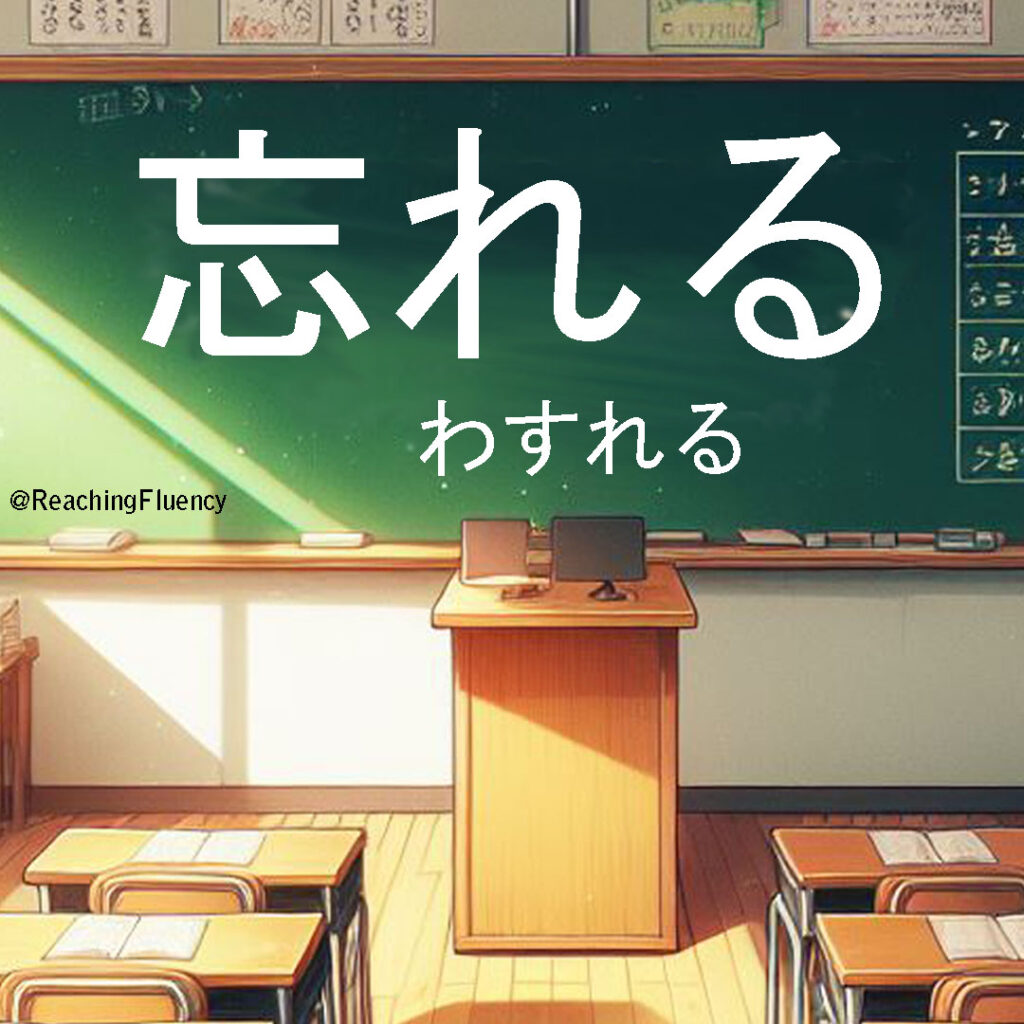
忘れる (わすれる) – To Forget
Today’s Immersion Videos
It is taking me time to find/add more immersion videos. This section will be updated shortly!
Go To The Next Lesson: Day 26 – The ね (Ne) Particle
Ian is the owner and main writer of Reaching Fluency. He is a native English speaker, French speaker and Japanese learner and general lover of language learning.
You can read more about him on his Authors Page or link with him on social media
日常英会話メール
ニュースレターを購読してください! - 参加無料
メールリストに参加すると、少なくとも週に 1 回 (場合によってはそれ以上) メールが届きます
メールは毎日の英会話で、読んで勉強することができます。
メールは短いですが役に立ちます。いつでも停止できます


Pingback: Japanese Day 24 - Using じゃない (Janai) - Not - Reaching Fluency