
Today we are looking at how to say that a noun is “not” which sounds strange, but, this is all very simple and will make sense when you see the examples.
じゃない (janai) – Not
If we think about English, we can say things like “the ball …is not …” and then whatever else we are saying about it and we can do the exact same in Japanese by simply adding a word to the noun.
To do this with a Japanese noun, you simply add – じゃない (janai) after it.
(This is just for nouns, I’ve already covered negation of adjectives in Day 3 and 11. It does look pretty similar though)
If you want to make things more polite you can just add です (desu) after it.
You can also make things more polite and formal by adding じゃありません or ではありません after the noun and it will do the same thing, just in a more polite way.
Let’s look at an example:
水 – (mizu ) – water
水じゃない – (Mizu janai) – not water
水じゃないです – (Mizu janai desu) – not water (This is polite, but still conversational)
水じゃありません – (Mizu ja arimasen) – not water (This is very polite)
水ではありません – (Mizu dewa arimasen) – not water (This version is usually found in written language, but it’s also quite formal).
So as you can see, there are multiple ways to say the same thing, and this all comes down to formality. This can see confusing for us as learners, but I promise that things get easier with time. You will slowly associate the multiple ways to do things as meaning the same thing.
See it kind of like how 3, Three and III all mean the same thing …but are different. It’s like that, just maybe a little more intense.
Don’t Use じゃない (janai) On It’s Own
It is also important to note that while these additions mean “not” …they can’t be used on their own.
If you just said “じゃない” by its self, it wouldn’t mean anything, it’s not a word by itself. It is a modifier, and only works when it is joined to noun.
Well, I assume a Japanese person would get what you meant, but grammaticality it’s wrong. These additions need to be paired with a noun to work. When you do this, they modify the noun to mean “not…whatever the noun is”, like in the example above “not water”.
(Return To: The Full List of All The Japanese Lessons)
Today’s Vocabulary
駅 (えき) – Railway Station
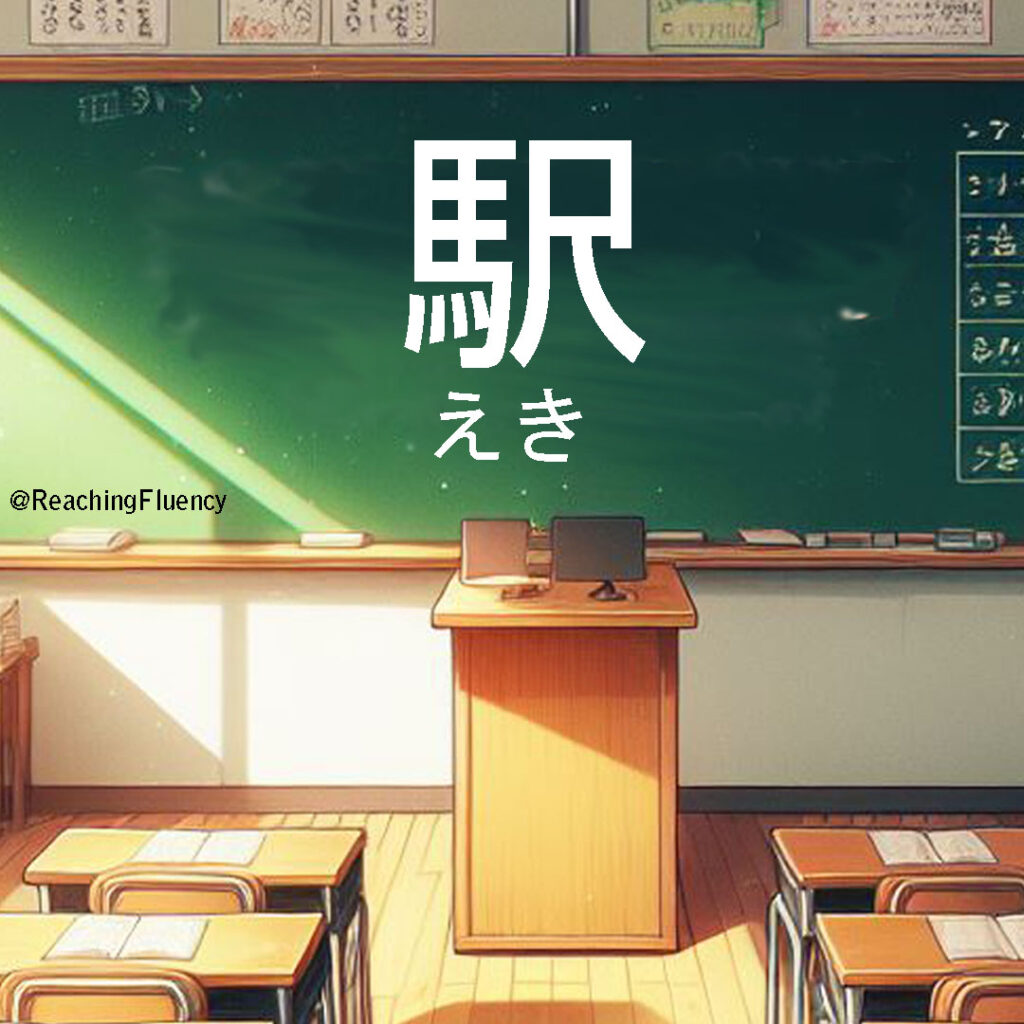
豚肉 (ぶたにく) – Pork
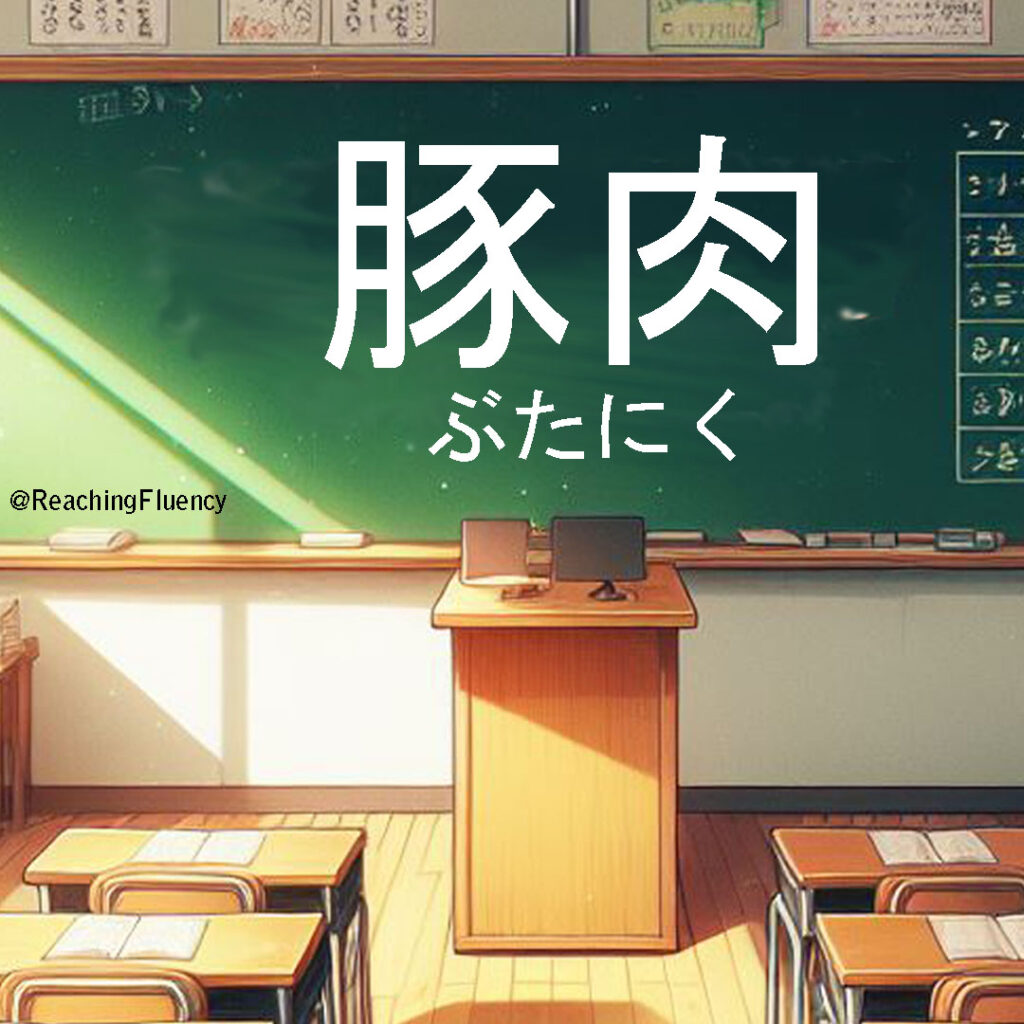
悪い (わるい) – Bad
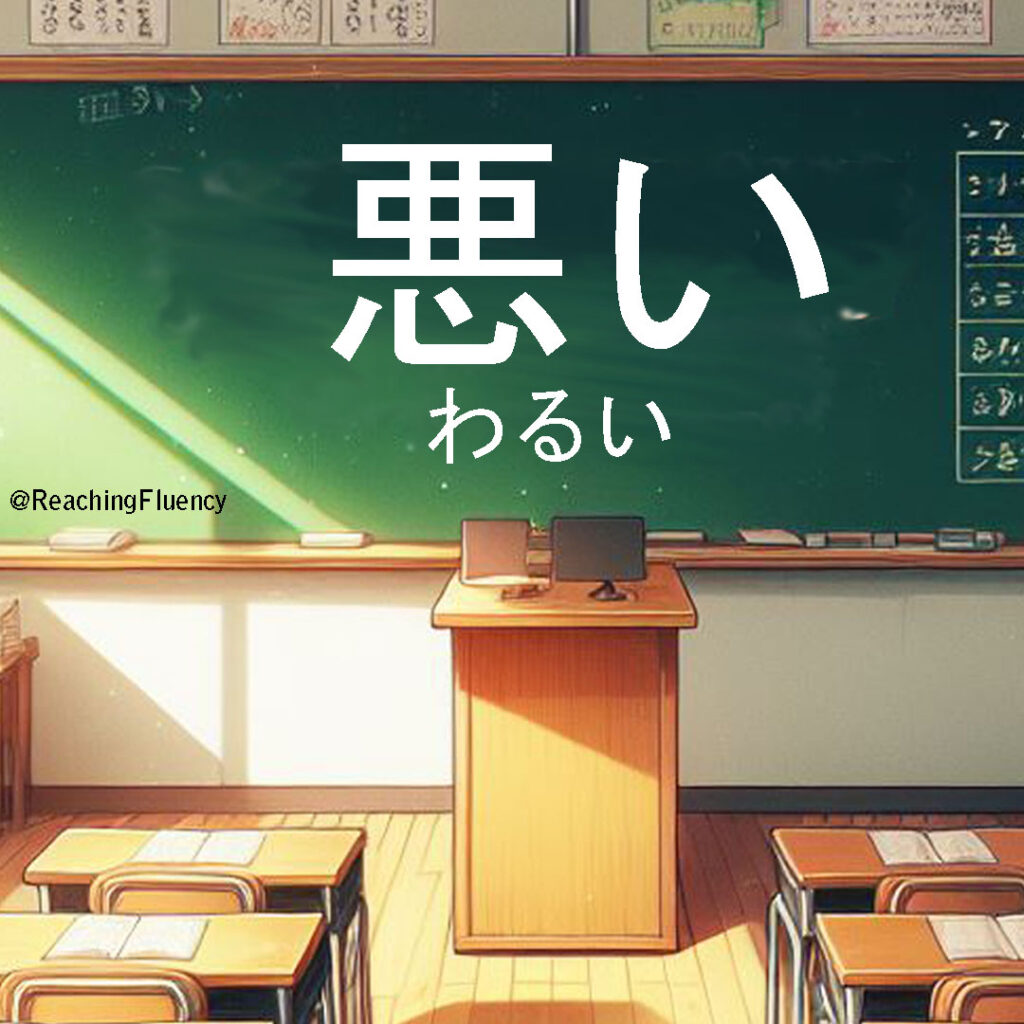
珈琲 (コーヒー) – Coffee
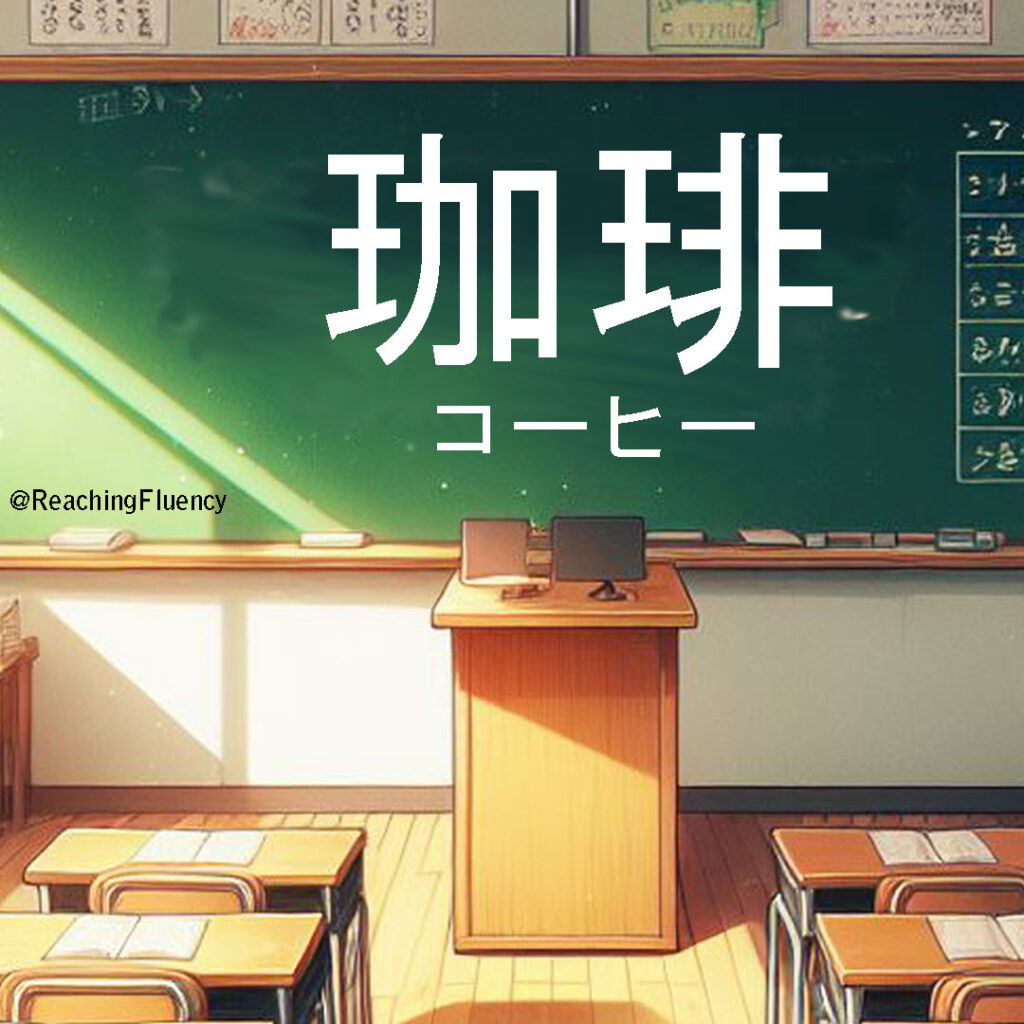
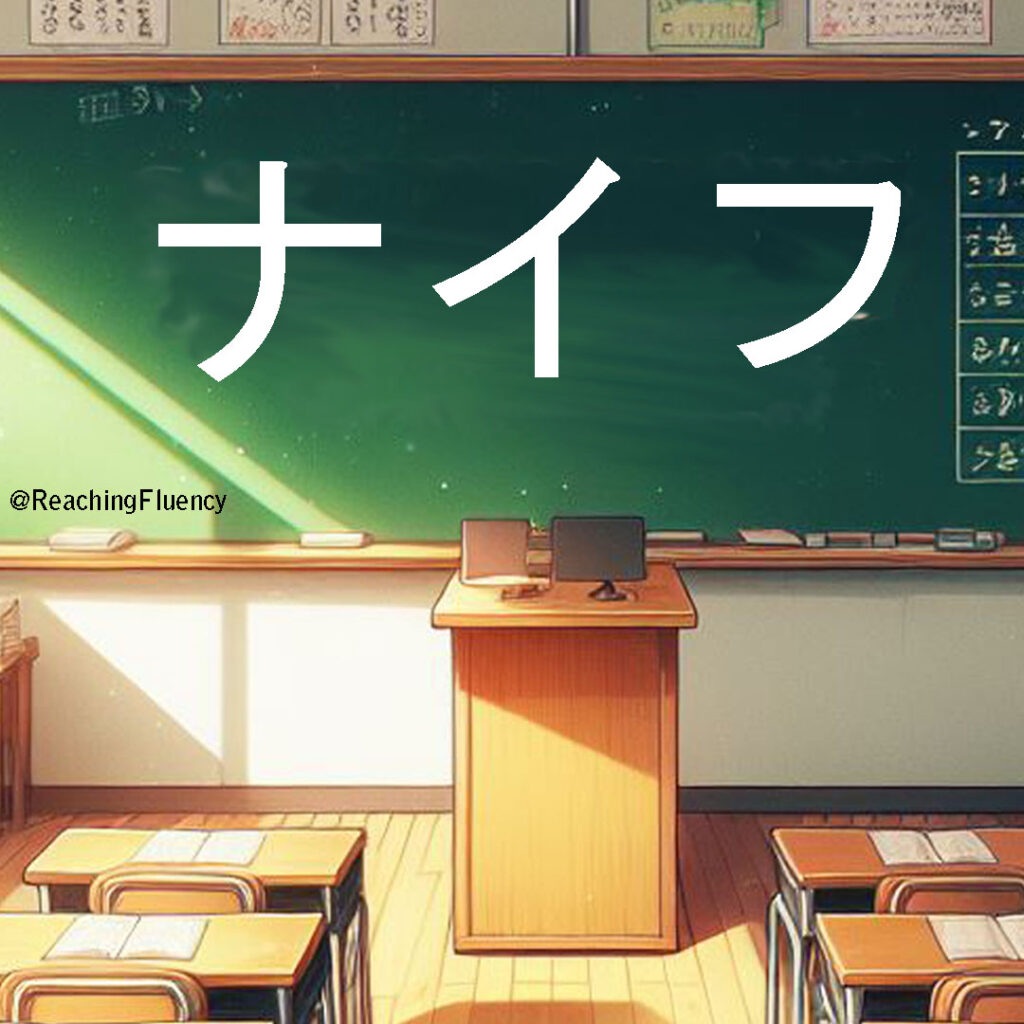
ナイフ – Knife
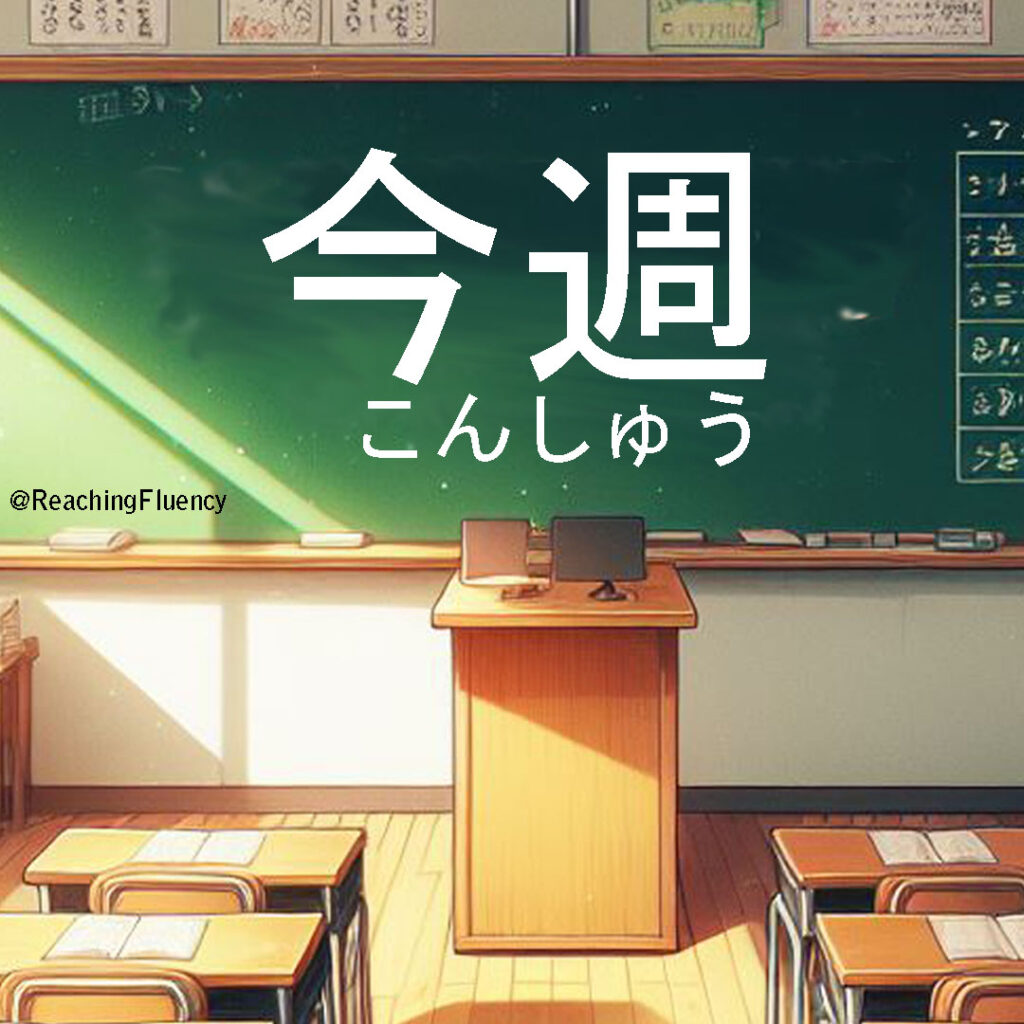
今週 (こんしゅう) – This Week
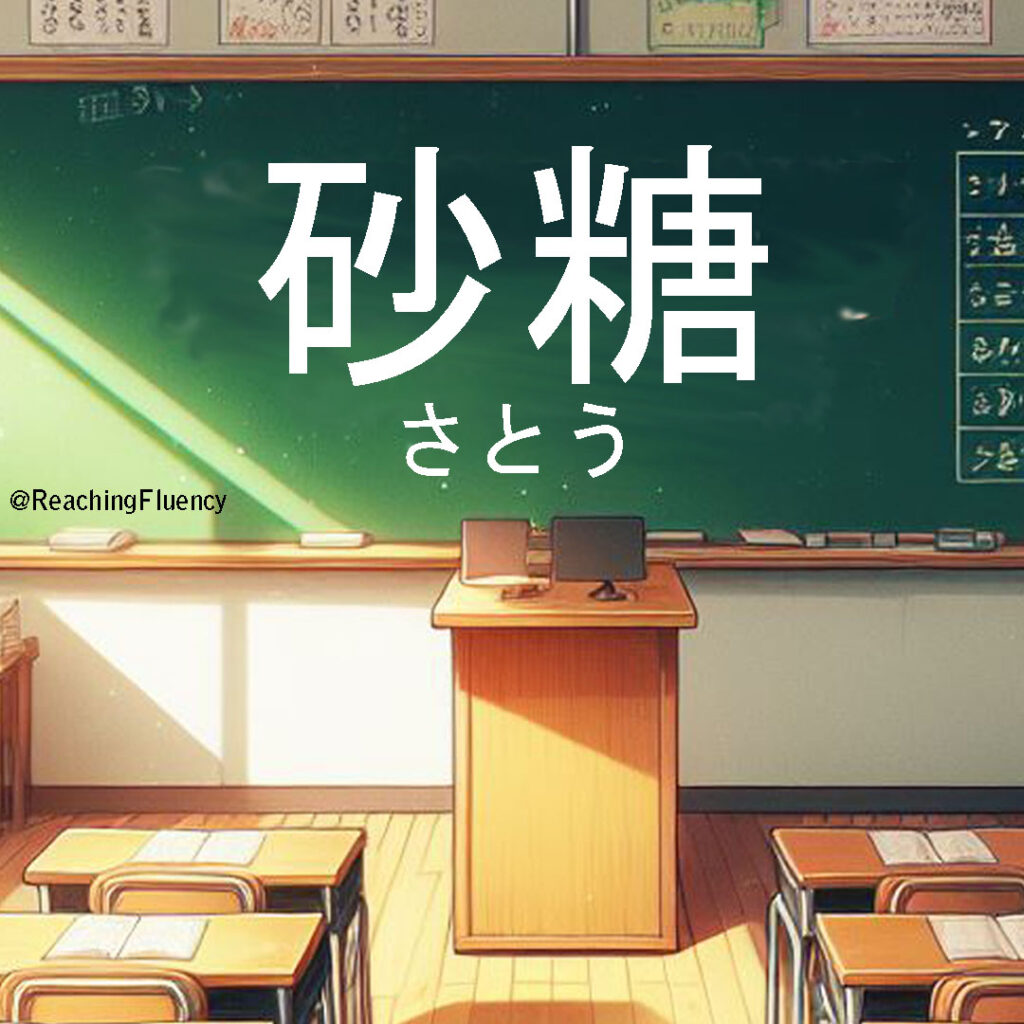
砂糖 (さとう) – Sugar
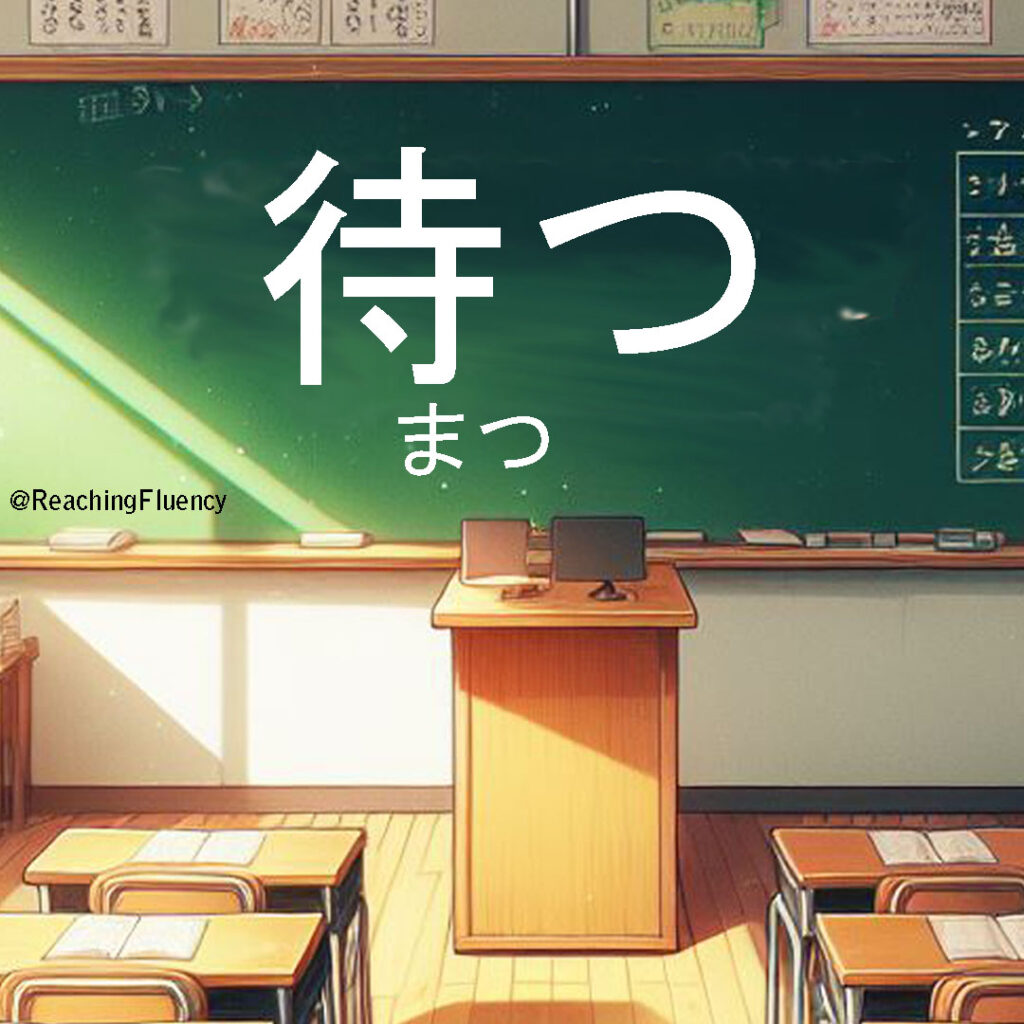
待つ (まつ) – To Wait
Today’s Immersion Videos
It is taking me time to find/add more immersion videos. This section will be updated shortly!
Go To The Next Lesson: Day 25 – The も (Mo) Particle

Ian is the owner and main writer of Reaching Fluency. He is a native English speaker, French speaker and Japanese learner and general lover of language learning.
You can read more about him on his Authors Page or link with him on social media
日常英会話メール
ニュースレターを購読してください! - 参加無料
メールリストに参加すると、少なくとも週に 1 回 (場合によってはそれ以上) メールが届きます
メールは毎日の英会話で、読んで勉強することができます。
メールは短いですが役に立ちます。いつでも停止できます


Pingback: Japanese Day 23 - Telling The Time - Reaching Fluency