
Today we are looking at how to tell the time in Japanese. This is all pretty straight forward, but very good information to know. As we have already covered how to count, you should find the extra little bit of information I give you here makes everything just fall into place, so lets get started.
時- “O’Clock”
The first thing we need to learn is時, which is pronouncedじ (ji) and is the word for “o’clock”.
So very simply 2時 or二時 (ni ji) – is 2 o’clock.
If you remember from the numbers, you can say some of them a few different ways, and this is one time when that matters, so I will quickly go through 1-12 so you know exactly what version of each number you should be using.
1 o’clock – 一時 (ichi ji)
2 o’clock – 二時 (ni ji)
3 o’clock – 三時 (san ji)
4 o’clock – 四時- (yo ni ) – This is always Yo when talking about time.
5 o’clock – 五時 (go ni)
6 o’clock – 六時 (roku ni)
7 o’clock – 七時 (shichi ni) – This is always Shichi when talking about time.
8 o’clock – 八時 (hachi ni)
9 o’clock – 九時 (ku ni) – This is always Ku when talking about time.
10 o’clock – 十時 (juu ni)
11 o’clock – 十一時 (juu ichi ji)
12 o’clock – 十二時 (juu ni ji)
Am and Pm
Just like in English, you can say if the time you are talking about is in the Am or Pm.
You simply use the following:
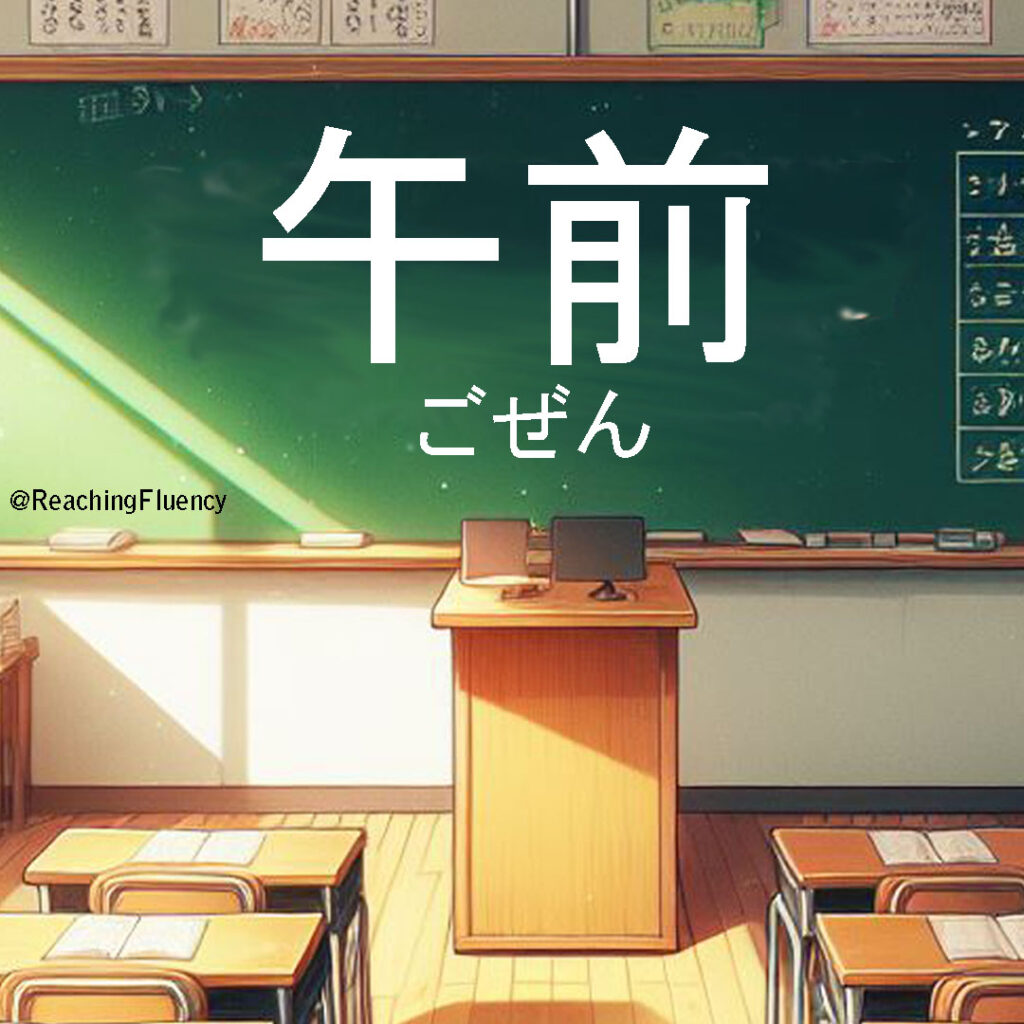
午前 (ごぜん) (gozen) – A.M / Morning
午後 (ごご) (gogo) – P.M / Afternoon
However, this actually goes at the start, rather than at the end like it does in English. So while things are a little backwards in Japanese, it should still make sense.
So it would be 午前 六 時 – Am, 6 o’clock. …or 6am.
Saying The Minutes In Japanese
To say the exact time, we need to add the minutes, which works exactly like it does English. You say the hour, then the minutes.
The word for “Minutes” in Japanese is ふん (fun), but there is a little annoying thing we need to be aware of.
Sometimes when you combine the numbers with this word for “minutes” the first letter has to change. Remember when we were counting form 10-19 and some numbers did this, they had to be pronounced slightly differently …it’s the same here.
So let’s look at them below.
| 1 minute | いっぷん (ippun) |
| 2 minutes | にふん (nifun) |
| 3 minutes | さんぷん (sanpun) |
| 4 minutes | よんぷん (yonpun) |
| 5 minutes | ごふん (gofun) |
| 6 minutes | ろっぷん (roppun) |
| 7 minutes | ななふん (nanafun) |
| 8 minutes | はっぷん (happun) |
| 9 minutes | きゅうふん (kyuufun) |
| 10 minutes | じゅっぷん (juppun) |
Luckily, we only need to remember those sound changes for the numbers 1-10! Everything after this works as expected, you just say the number, followed by ふん (fun),
For example, 34 minutes is さんじゅうよんぷん (san juu yon pun) and 40 minutes is よんじゅっぷん (yon juu ppun).
Half Past
The Japanese also use “half past” when describing the time.
They do this by adding半 (はん)(san) – after the time.
So it would look like this: ごぜん ろく じ はん (Of course you are more likely to see this all in kanji, but I have it in hiragana here to help you read it) 午前 六 時 半
Which would be – am, 6 o’clock, half past … or as we would say, half past 6 in the morning.
Asking For The Time In Japanese
A part of telling the time is being able to ask for it.
This is very straight forward and all you have to do is use the phrase – いま なんじ ですか。(Ima nanji desu ka.) – which will look like – 今何時ですか。in kanji and means:
What time is it now?
If you look at how this question is formed its “Now, what, time, it is, ?”
The cool thing is that you can basically use the same question to reply, you can say –
いま なんじ ですか (ima ni ji desu) 今何時です (basically the exactly same thing, just without the question particle か) which means – “The time now is” …then you would say what it is.
Making Everything Polite
Everything I have gone through here so far has just been pretty much the basics.
If you wanted to make anything more polite, which you would do when you are talking to a stranger …you just add です (desu) at the end.
三時です
午前 六 時半です
It’s not necessary but it’s always nice to be polite
(Return To: The Full List of All The Japanese Lessons)
Today’s Vocabulary
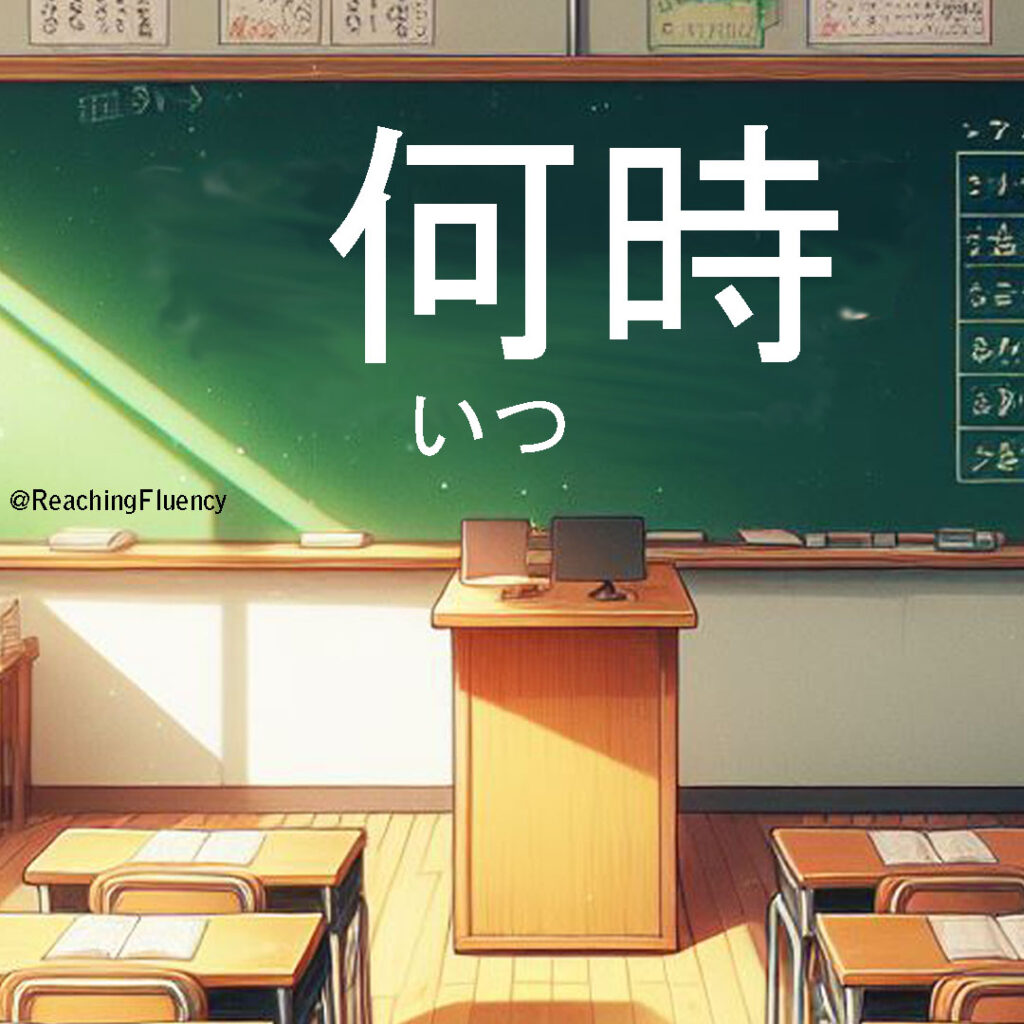
何時 (いつ) – When
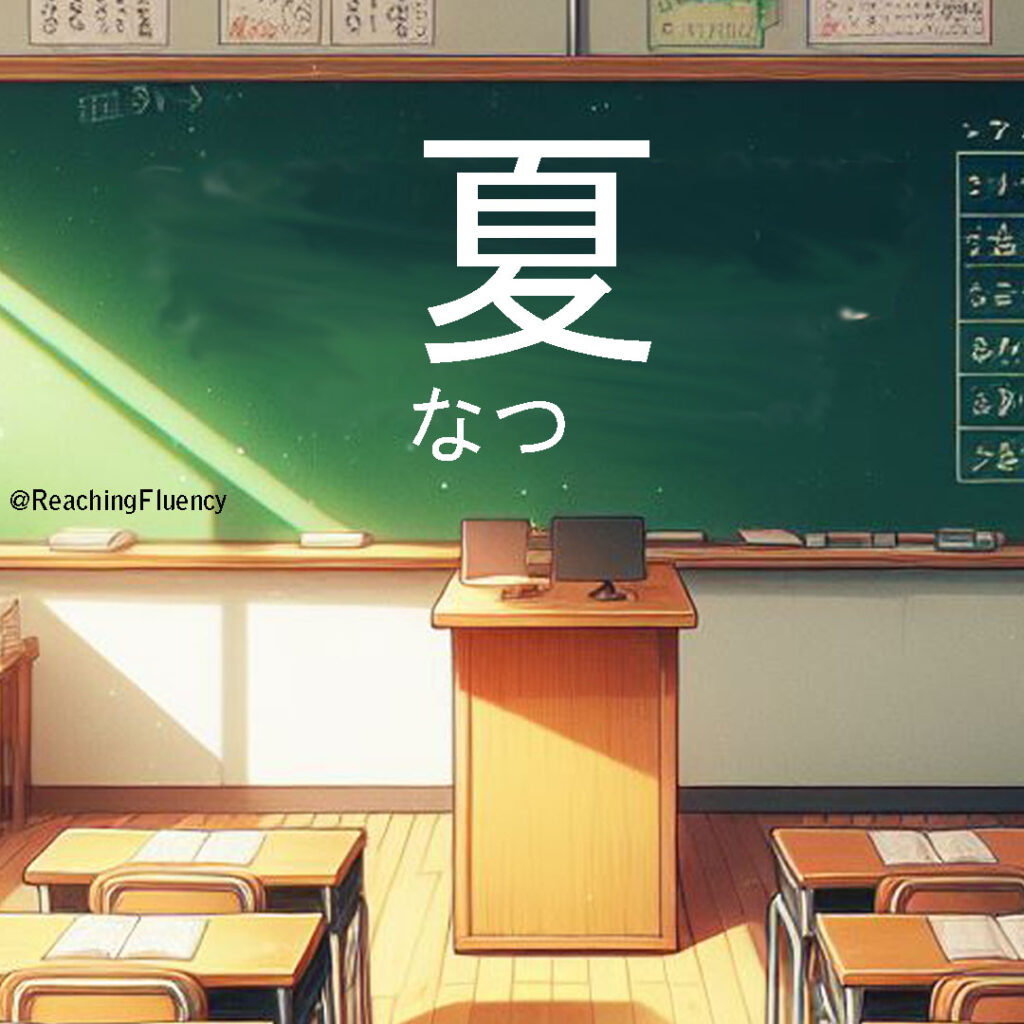
夏 (なつ) – Summer
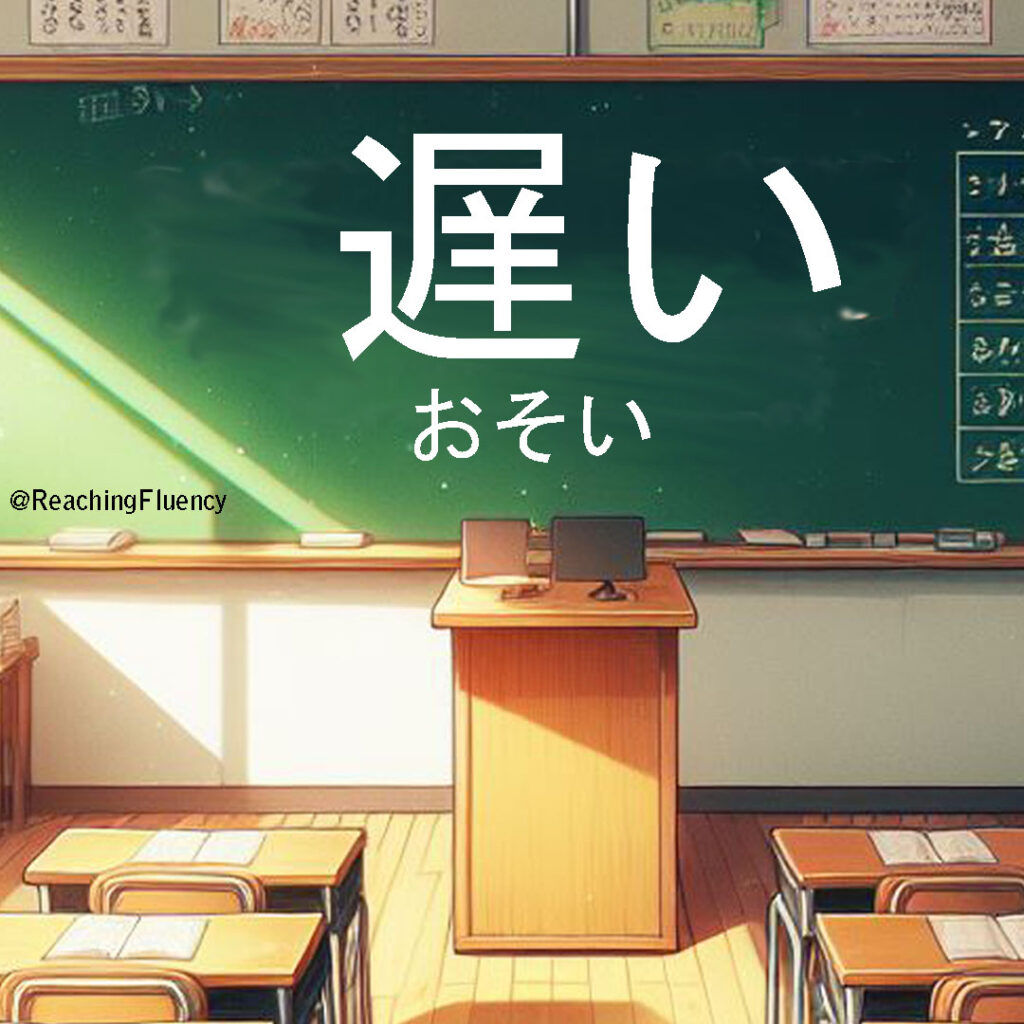
遅い (おそい) – Slow
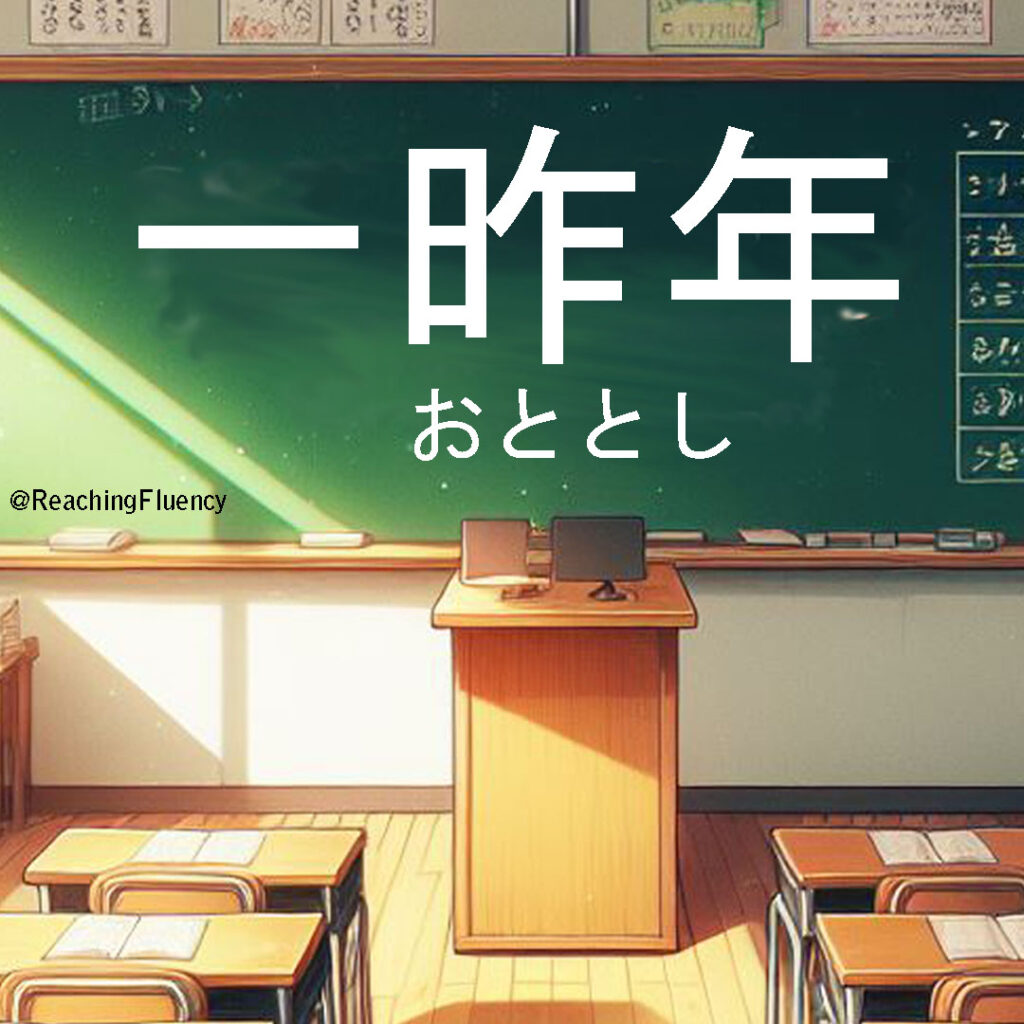
一昨年 (おととし) – Year before last
午前 (ごぜん) – A.M (Morning)
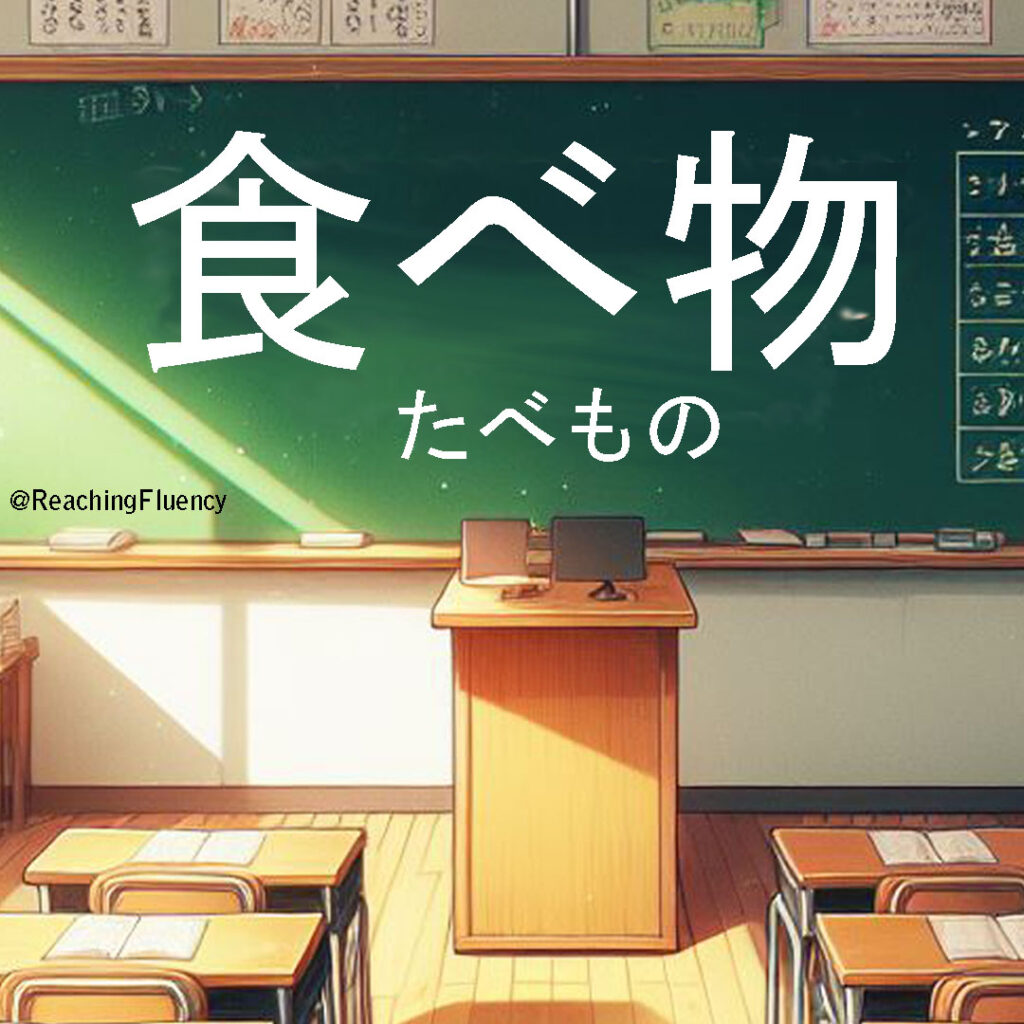
食べ物 (たべもの) – Food
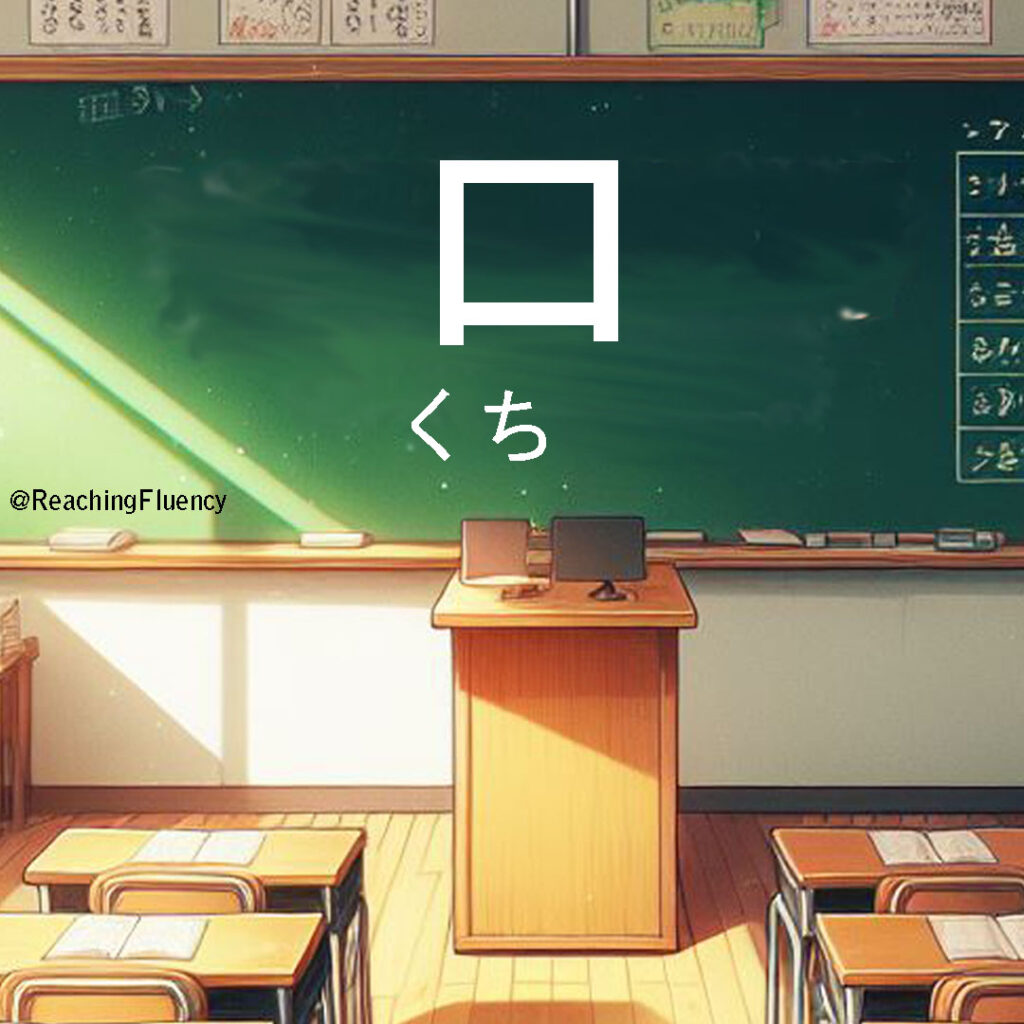
口 (くち) – Mouth
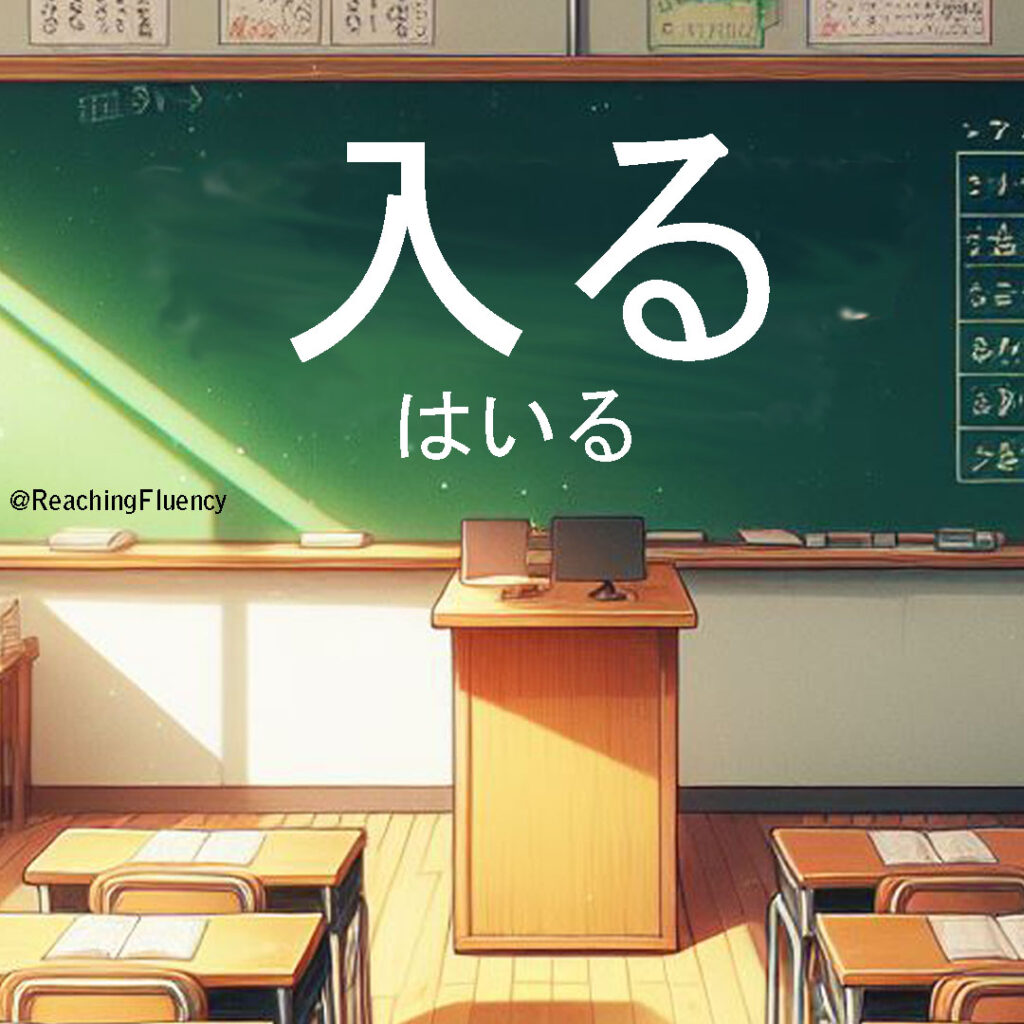
入る (はいる) – To Enter
Today’s Immersion Videos
It is taking me time to find/add more immersion videos. This section will be updated shortly!
Go To The Next Lesson: Day 24 – Using じゃない (Janai) – Not

Ian is the owner and main writer of Reaching Fluency. He is a native English speaker, French speaker and Japanese learner and general lover of language learning.
You can read more about him on his Authors Page or link with him on social media
日常英会話メール
ニュースレターを購読してください! - 参加無料
メールリストに参加すると、少なくとも週に 1 回 (場合によってはそれ以上) メールが届きます
メールは毎日の英会話で、読んで勉強することができます。
メールは短いですが役に立ちます。いつでも停止できます

