
Today will be learning how to count In Japanese
If you have been following my daily vocabulary list, you should have learned the numbers 1-10 by now, and while this is only the first few numbers, you can now count to pretty much any number you want …but we will go through that now
Page Contents
Counting From 1 to 10 In Japanese
The numbers 1 to 10 are the starting blocks to counting in Japanese and you will be surprised at how important they are as the numbers get bigger.
I’ve already covered these through the daily vocabulary list and if you don’t know them, it is worth sitting down and learning them.
Knowing these first few digits is really going to help you unlock most numbers in Japanese, so let’s look at them:
1 一 (ichi)
2 二 (ni)
3 三 (san)
4 四 (yo, yon)
5 五 (go)
6 六 (roku)
7 七 (nana, shichi)
8 八 (hachi)
9 九 (ku, kyuu)
10 十 (juu)
You will notice there is two different ways to say 4, 7 and 9. This is a little strange, but it is the way they do things. Sometimes they can be interchangeable, but other times they will only use one or the other. For example when you are telling the time, you need to use just one version only, but I will point that out where and when it happens.
It is annoying, but you do get use to it …and as usual it just takes repeated exposure then you get use to hearing one version of the number in one context compared to another.
Counting From 10 to 100 In Japanese
Counting from 10 to 100 is a fairly easy concept in Japanese, but it is different. I am sure you have heard me say “you need to look at things through a Japanese lens” many times already and counting is a great example of this.
It will take you a little while to adjust your English way of thinking to Japanese counting …and you might have to do a little bit of easy maths to help you along.
I know it sounds strange, surely numbers are numbers, and that is true, but you will quickly see how the Japanese form larger numbers is slightly different to how we do things.
If we start with the number after 10, you will see what I mean. To say 11 in Japanese, we actually say 10, 1 …which 10 add 1 …which is 11.
This concept is mathematically sound, I just think we will find it strange to audible say “ten one”, but that is exactly how it works in Japanese. 11 is 十一(juu ichi). It is the kanji for 10, followed by 1 and you just say the two numbers – juu ichi.
I am sure you are asking “how do know if they are saying ten one or eleven” and that’s a good question. It will just come down to context and if there is a pause between the numbers. You will be able to tell if someone is saying juu …ichi or juu ichi.
The same pattern is true for 12, it is 10, 2 …十二 (juu ni). This pattern continues all the way up, such as 13 is 10, 3…十三(juu san) and so on.
20 and Above
However, when we get to 20 …there is a little change, but again it’s very simple. We say 2, 10 … 二十(ni juu).
(There is a little exception here, when you are talking about 20 years old, they say Hatatchi, this is because 20 is an important age in Japanese society, so they treat that one different …but if you are just saying the number 20, then its Ni juu …in both cases, the kanji is the same – 二十)
Again the logic makes sense, if you have two tens, it would be twenty. This pattern just continues all the way up. 30 is 3, 10 …40 is 4, 10 and so on.
This makes sense for the multiples of ten, such as 50 is 5, 10 …but what happens if we want a number like 21?
This is basically a combination of the two patterns we have seen so far. If you want to say 21, the pattern is … 2, 10, 1
二十一 (ni juu ichi)
22 would then of course be 2, 20, 2. 二十二 (ni juu ni)
Then any number in between just follows this rule 53 …5, 10, 3五十三 (go juu san)
This is exactly why you have to look at things with the “Japanese lens”. You might see 二十一 and read it as 2,10,1 and think its 2101 or something. It will just take a little time to get use to their counting patterns. If you see it like lego bricks, you can start to see how the numbers join together to create different numbers. I promise it is very easy after a while.
This pattern is the same all the way up to 99 (which is of course 9, 10, 9九十九 ku juu ku)
When we get to 100 the pattern stops and we use – 百(Hyaku), so let’s look at that next
Counting From 100 to 999 In Japanese
Counting from 100 to 999 is similar to what we have seen already … but annoyingly a little different.
Basically the logic is the exact same, you do the same type of maths and link the little bricks together to get the larger number , but how you pronounce some things is a little different …and remember when I said there are two versions to some numbers and at certain times use certain ones …that happens here.
Don’t worry it’s still pretty straight forward.
As I just mentioned 百 hyaku is 100. You don’t need to say 1 hayku…. it’s like hundred and one hundred in English …you just say hundred, but its means 100. Hyaku is 100.
To say anything in between 100 and 199 we would use a similar pattern as above 101 is 100, 1, 百一.
111 is going to be 100, 10, 1. 百十一 (hyaku ju ichi).
162 is going to be 100, 6, 10, 2. 百六十二 (hyaku roku juu ni).
Things can get a bit long winded, and you might need to do some quick maths, but I promise it gets easier with practice.
Then from 200-900, the rules are pretty much the same. It will be 2, 100… 二百(ni haiku) for 200.
However, as I have already hinted at, some of the numbers are pronounced a certain way, so will just go through the list so you are clear on what is what.
200 – 2, 100 – 二百 (ni hyaku)
300 – 3,100 – 三百 (san byaku) …The hyaku is spelt with a B …Byaku. Why? I’ve no idea, but that what we just need to know.
400 – 4, 100 – 四百 (yon hyaku). We have to use the Yon version of 4 here.
500 – 5,100 – 五百 (go hyaku) This one follows the rules as you would expect.
600 – 6, 100 – 六百 (Roppyaku) The roku becomes just ro then there is small tsu and the hundred is spelt Pyaku so you end up with Roppyaku.
700 – 7 100 – 七百 (nana hyaku) You can only use the nana version of 7 here.
800 – 8, 100 – 八百 (happyaku) Again a slightly different spelling. The 8 is just Ha, followed by a small tsu and the hundred is spelt pyaku, creating happyaku.
900 – 9, 100 – 九百 (kyuu hyaku) You can only use the Kyuu version of 9 here.
So long as you follow these slight changes, you are all good. It is annoying that it’s slightly different, but apart from the spelling/pronunciation, the concept is the same. This means for listening (and if you are speaking) you need to be aware, but when it comes to reading, you won’t notice any difference.
Then for any numbers in between, it is the same formula as before. 312 would be 3 100, 10 2三百十二 (san byaku ju ni).
999 would be – 9 100, 9 10, 9 – 九百九十九 (kyuu hyaku kyuu juu kyuu).
Counting From 1,000-9,999 In Japanese
When we reach 1000, we need to learn a new word – 千 (sen). This works just like 100, Sen means 1000, we don’t need to say 1 thousand.
千 (sen) on its own equals 1000
Then luckily from here, we just need to follow the same pattern we have seen already. Hopefully by now you can start to see how things are working.
2000 – 2, 1000 二千 (ni sen)
3000 – 3, 1000 三千 (san zen) – the sen here is pronounced more like zen, but this is a very small difference
4000 – 4,1000四千 (yon sen) Here we use the yon version again
5000 – 5,1000五千 (go sen)
6000 –6,1000六千 (roku sen)
7000 – 7, 1000 七千 (nana sen) Here we use nana version
8000 – 8, 1000 八千 (hassen) this is pronounced slightly differently too, everyhtghing sort merges together to make Hassen
9000 – 9, 1000 九千 (kyuu sen) here we use the kyuu version again.
The numbers in between of course follow the same pattern as before. 9999 would be – kyuu sen kyuu hyaku kyuu juu kyuu
9, 1000 …9, 100 …9, 10 …9 – 九千九百九十九
What can I say! Japanese numbers can long when you say them out loud!
Counting From 10,000 to 99,999 In Japanese
10,000 is the part where Japanese slightly deviates from English, so we will really need to stop thinking with our English minds and start seeing things the Japanese way.
In English we can count from 100-900 and after this we jump up to the unit “thousand”, and we use this from 1 thousand all the way up to 999 thousand …so we have 999 units of 1 thousand in English. After this, we would move on to million and start using that as a measurement of each unit.
This isn’t the case in Japanese. They only use the “thousand”unit from 1,000 to 9,000. Once they hit 10,000 they use a new unit of measurement.
So, they have units of hundreds, thousands and then 10 thousands …which they call万 (man)
However, unlike 100 and 1000, where you can just say 百 or 千, to mean 100 or 1000… for man万 you say 1万 (icihi man) for 10,000 – they are saying, they have “1 unit of 10 thousand” …which is 10,000.
It is really temping for us as English speakers to say “10 units of 1000” …or 10, 1000 – juu sen 10千…which isn’t right,
We need to understand that its 1 unit of 10,000. A small difference, by massively important and hard to get your head around at first.
It can be easier to see the 万 kanji as the symbol for x,0000, which is weird for us to see 4 digits like that, but it can help. Then the number before is kind of telling you its 10,000 units of that number as such.
Once you can grasp this, the rest is easy and the pattern is the same.
1, 10000 一万 (ichi man) – 10,000
2, 10000 二万 (ni man) … 2 units of 10 thousand …so 20,000
3, 10000 三万 (san man) – 30,000
4, 10000 四万 (yon man) …This an only be yon here again – 40,000
5, 10000 五万 (go man) – 50,000
7, 10000 七万 (nana man) is nana man. never the other 70,000
8, 10000 八万 (hachi man) – 80, 000
9, 10000 九万 (kyuu man) .this is always kyuu, never ku – 90,000
This can become a problem for us with some numbers, as we are not use to counting with this 10,000 unit.
If you see 1万 2千 (ichi man, ni sen) it can easily throw us off. You have to see this as 1 unit of 10,000 and 2 units of 1000 …so 10,000 + 2000 …12,000.
We might see this as two separate numbers 10,000 and 2000, but we need to do the same as all the other numbers and sort of add them together to get the total.
Of course any number in between follows the same rules as before, so 99,999 would be:
9, 10000 …9, 1000 …9, 100, 9, 10 …9 – kyuu man …kyuu sen …kyuu hyaku …kyuu juu …kyuu
九万九千九百九十九
This is crazy long, but this is how it would be said in Japanese.
Counting From Over 99,999 In Japanese
When you get over 99,999 things change again, but only slightly. However, I am not going to go through that here.
I think I have given you a bucket load of information here already today and this should be more than enough to keep you busy and it should cover a lot of things you hear in your immersion.
I will come back to these higher numbers in a different lesson later on, so just focus what I have covered here today and get to grips with that.
Japanese Counter Units
I am also not going to really go into counters here, but I just want to make you aware of the existence of this concept.
Basically numbers in Japanese will have a certain ending …depending on what you are counting. This really makes no sense to English speakers, but for the Japanese, they love doing this.
If you want to count chopsticks, you don’t just say 5 …you need to say 5本, which is the counter unit for chopsticks.
箸5本
There are honestly loads of these and they can seem really daunting and impossible to remember.
It can seem like everything has a different counter unit, but don’t worry about it. You might notice some of these when listening, and you will find the most common ones do occur a lot, so you will slowly get use to them.
For now, just watch out for them and see if you can spot any and I will go through this in a different lesson.
(Return To: The Full List of All The Japanese Lessons)
Today’s Vocabulary
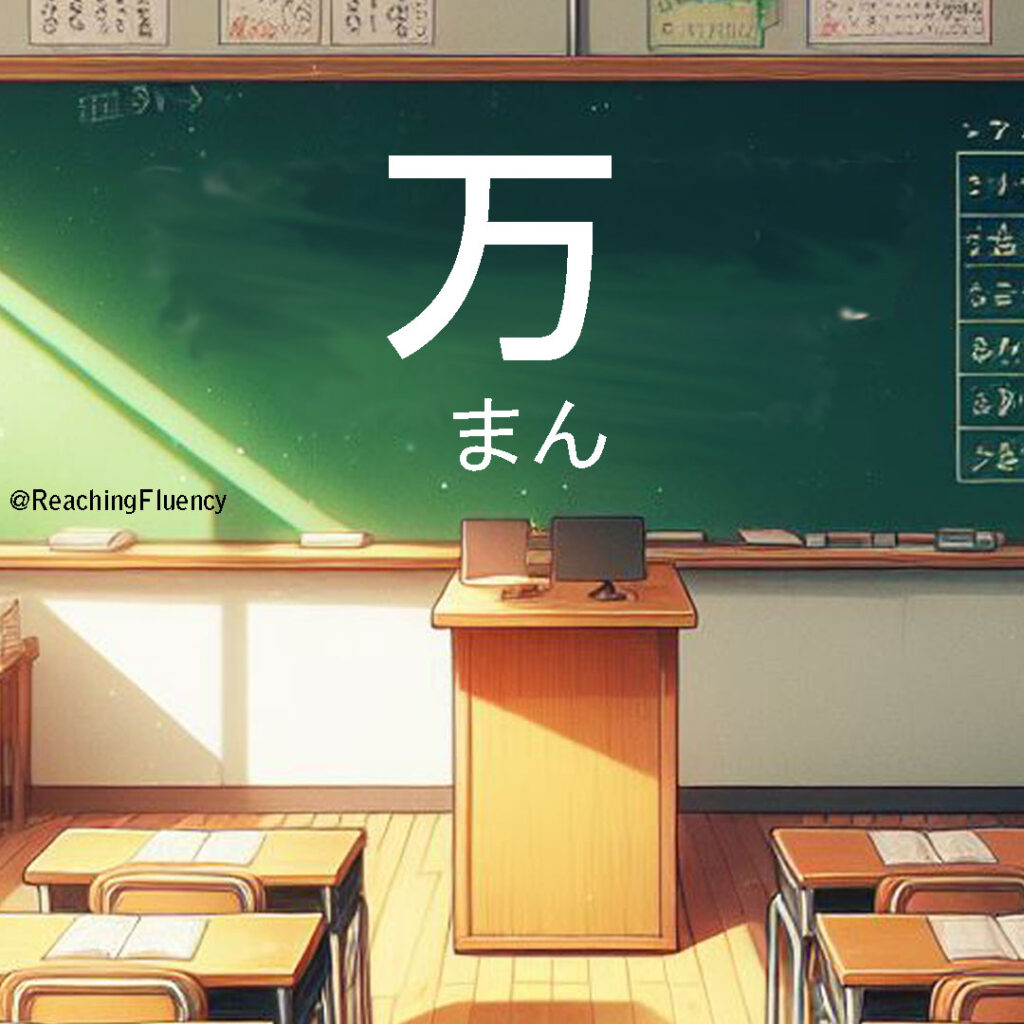
万 (まん) – 10,000
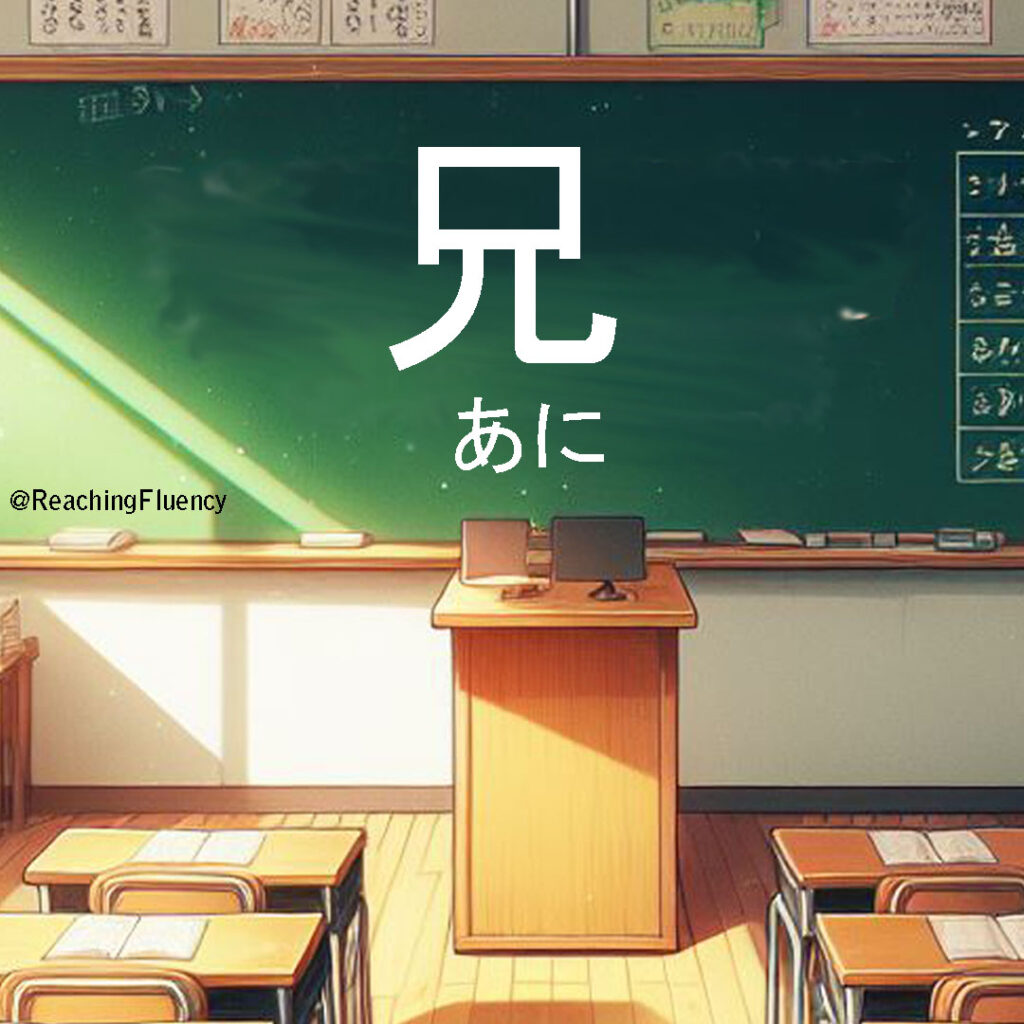
兄 (あに) – Older Brother
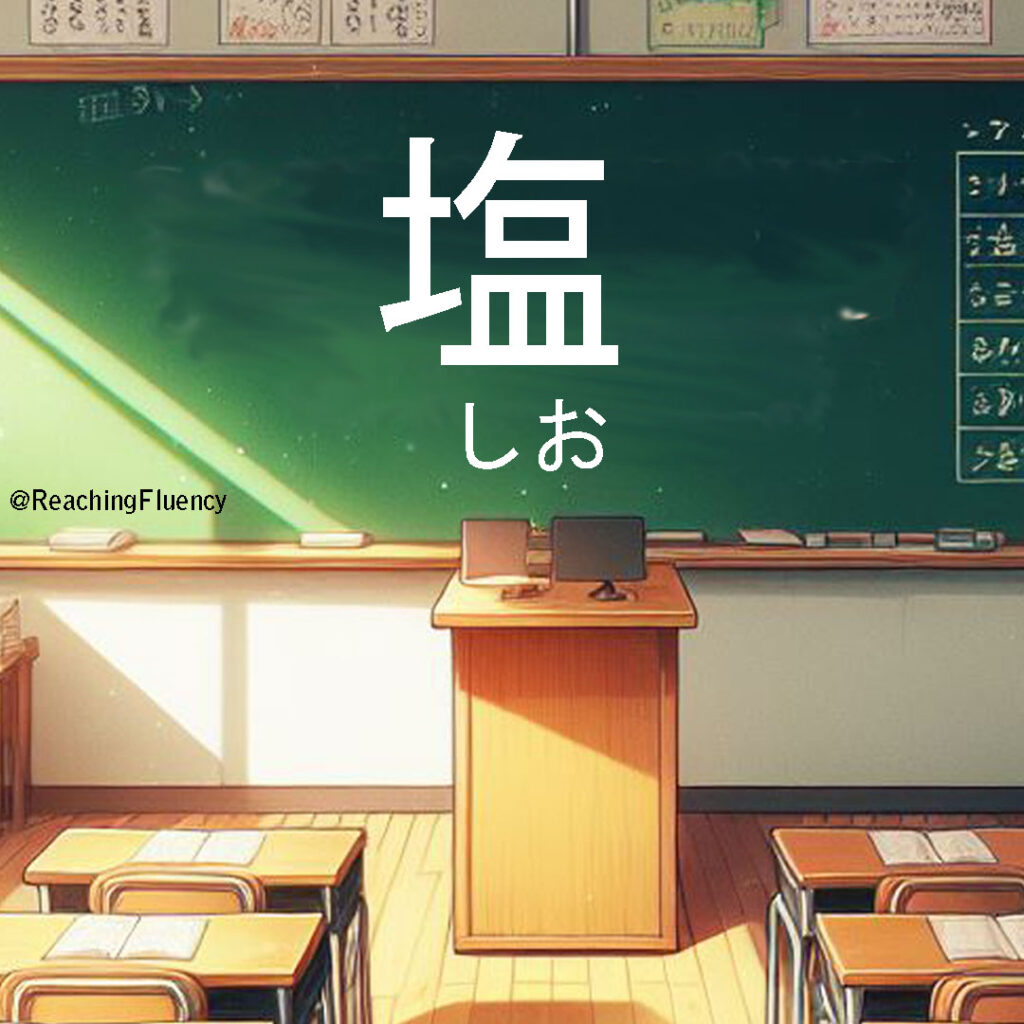
塩 (しお, えん) – Salt
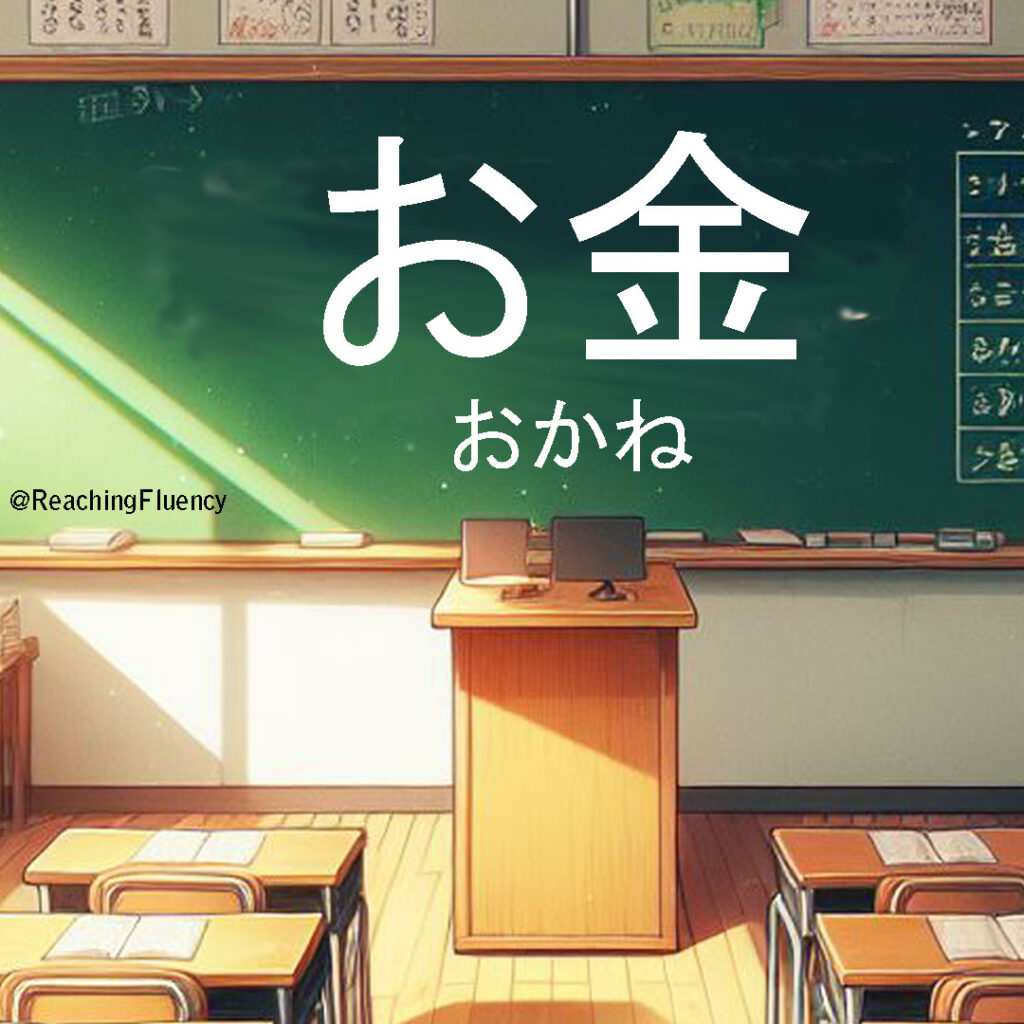
お金 (おかね) – Money
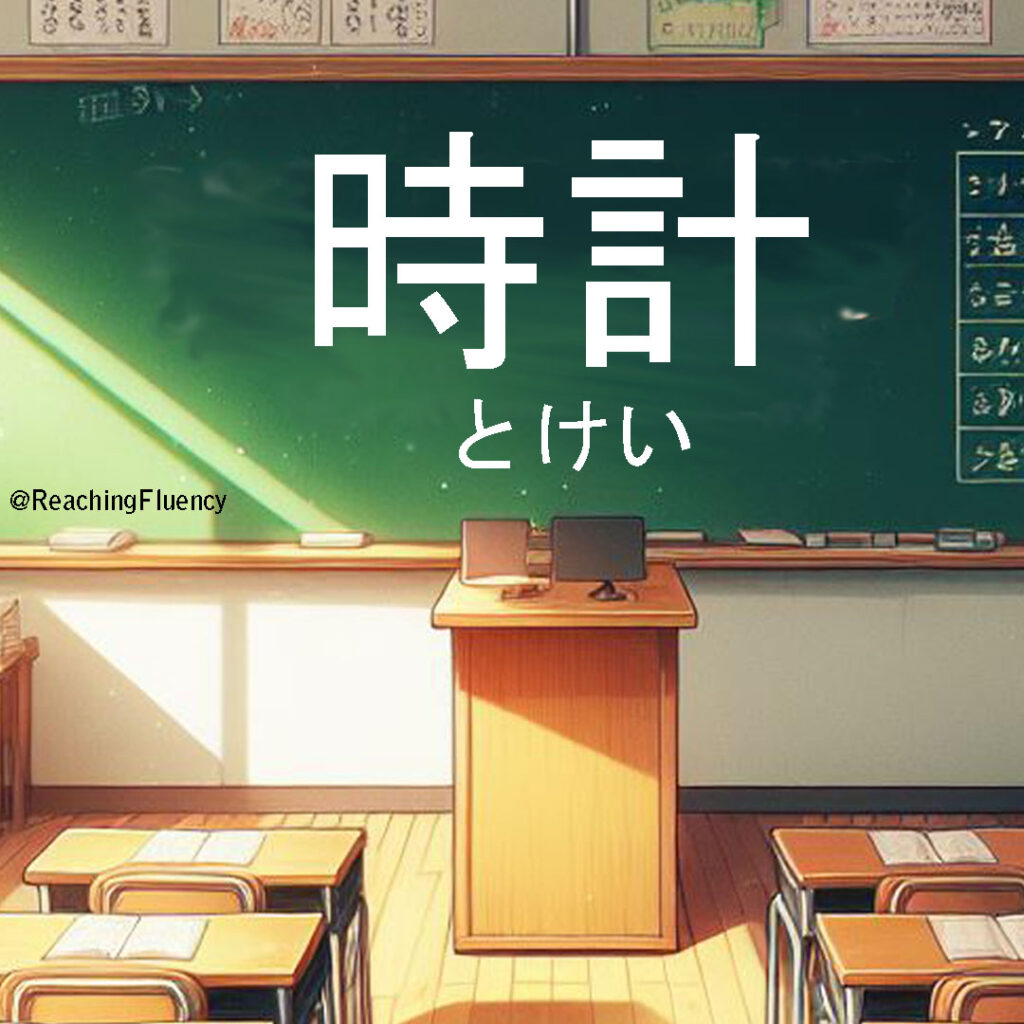
時計 (とけい) – Clock/Watch
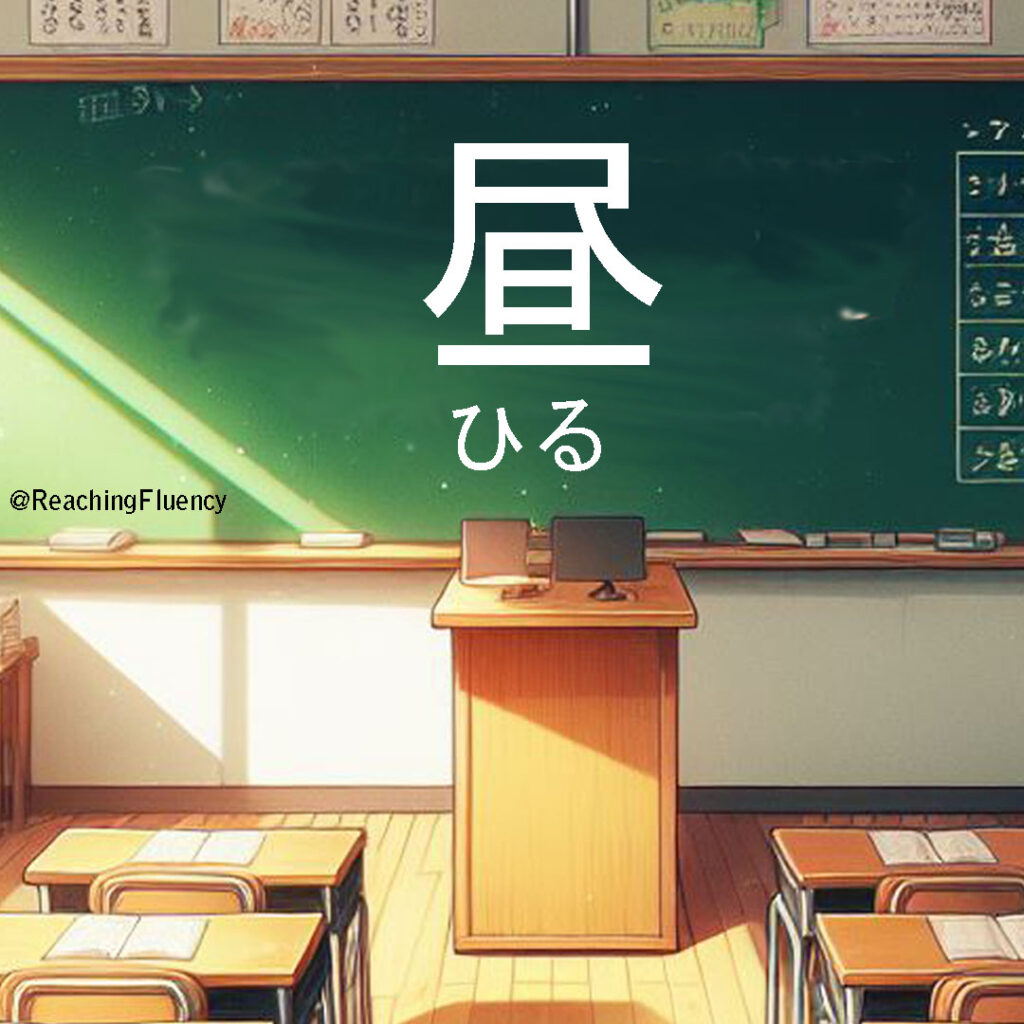
昼 (ひる) – Noon/Midday
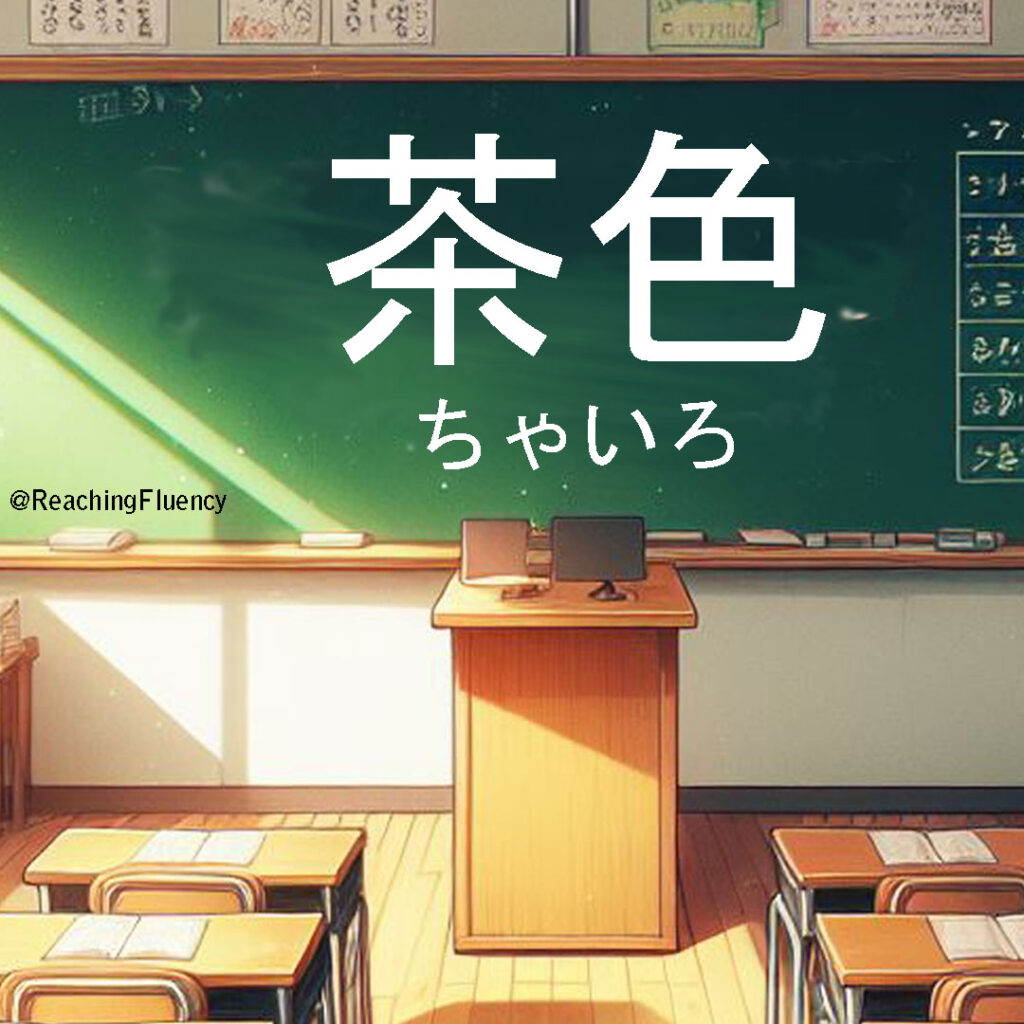
茶色 (ちゃいろ) – Brown
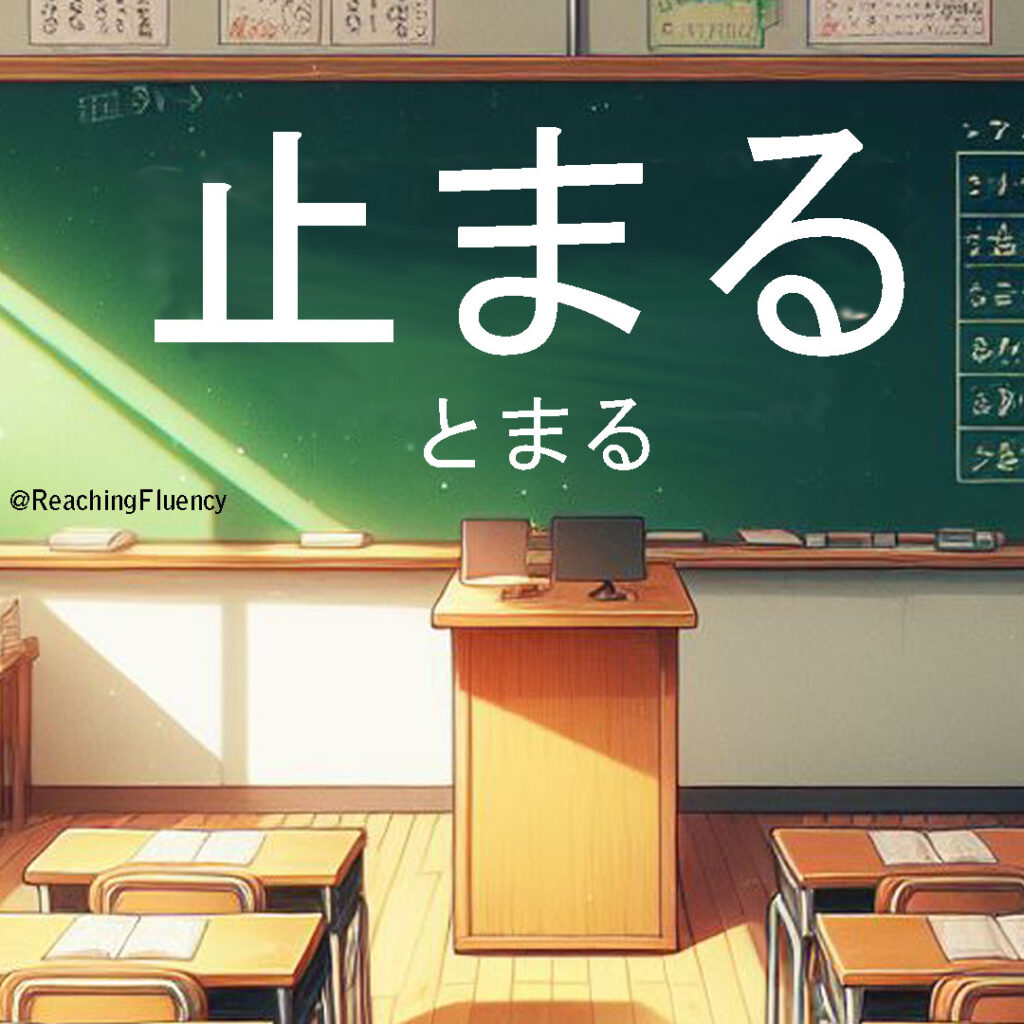
止まる (とまる) – To Stop (moving)
Today’s Immersion Videos
It is taking me time to find/add more immersion videos. This section will be updated shortly!
Go To The Next Lesson: Day 22 – The を (Wo) Particle

Ian is the owner and main writer of Reaching Fluency. He is a native English speaker, French speaker and Japanese learner and general lover of language learning.
You can read more about him on his Authors Page or link with him on social media
日常英会話メール
ニュースレターを購読してください! - 参加無料
メールリストに参加すると、少なくとも週に 1 回 (場合によってはそれ以上) メールが届きます
メールは毎日の英会話で、読んで勉強することができます。
メールは短いですが役に立ちます。いつでも停止できます


Pingback: Japanese Day 20 - て (Te) With Adjectives - Reaching Fluency