
Today we are looking at the て (te) form for adjectives, which is going to be similar to what we learned on day 16, which was how verbs worked in the て (te) form.
Te (and de) is used to connect adjectives and functions together in a sentence, like how we would use “and” in English. It’s very simple, so let’s look at it.
Page Contents
て (Te) With い Adjectives
To change a い adjective into the て (te) form, it is very simple. We just need to remove the finalい form the first word and replace it with – くて (kute)
For example:
Hot – 熱い
Cold – 寒い
Hot and Cold – 熱くて寒い
As you can see, the first adjective gets turned into て(te) form with くて …but we don’t do it for the second one.
If you see the くて part as meaning “and”, it makes sense why it would only come after the first adjective and not the second, otherwise you would be saying “hot and cold and” which make no sense.
て (Te) With な Adjectives (It’s で De)
When it comes to な adjectives, things are even easier. We don’t need to change anything and instead only have to place a でto the end of the first adjective.
This then allows us to connect two adjectives and again the second one doesn’t need to be changed in anyway.
For example:
Easy – 簡単
Cold – 寒い
Easy and Cold – 簡単で寒い
You Can Connect な and い Adjectives
I think it is important to note that you can connect な and い adjectives. There will be times when you want to describe something and you will need words that fall into both groups and that is okay.
It also doesn’t matter what order this happens in, the general rule is the same …you change the first adjective into its て (te) form, and then the second one just remains as it is.
Using Multiple Adjectives
You can also use this principle to connect multiple adjectives. You just need to keep using the て (te) form with them, then leave the last one in the list alone.
Which would look something like: Aくて Bで Cくて Dで E.
So long as each adjective is changed into its correct form and the last one is left alone, then this is perfectly correct.
(Return To: The Full List of All The Japanese Lessons)
Today’s Vocabulary
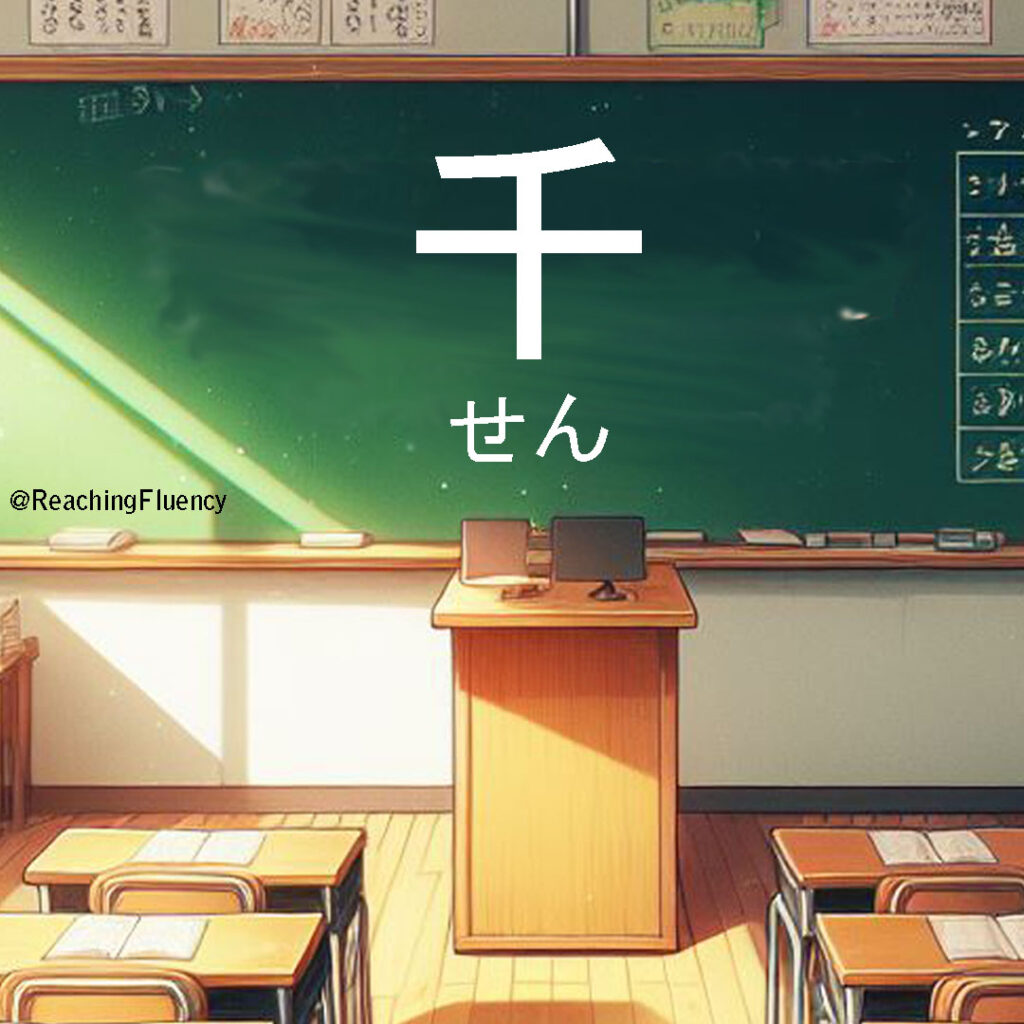
千 (せん) – 1,000
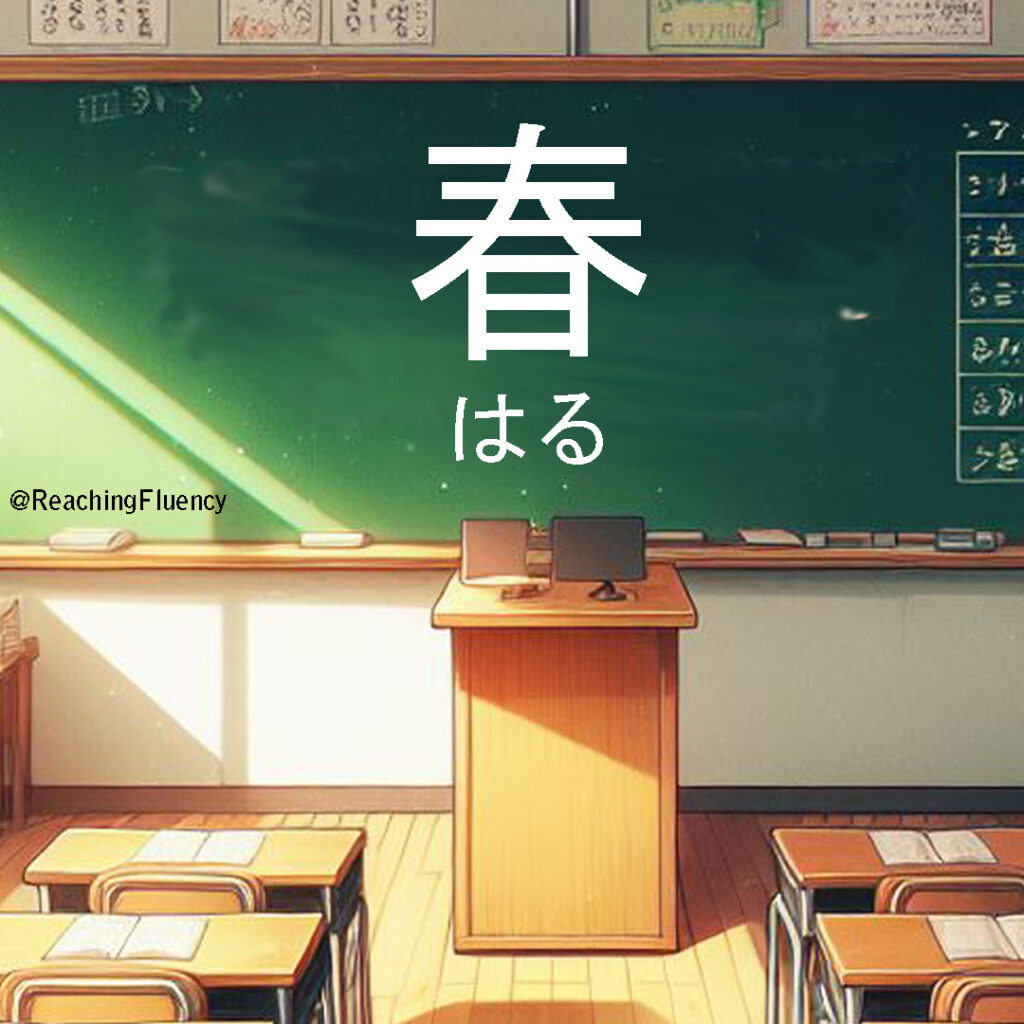
春 (はる) – Spring Time
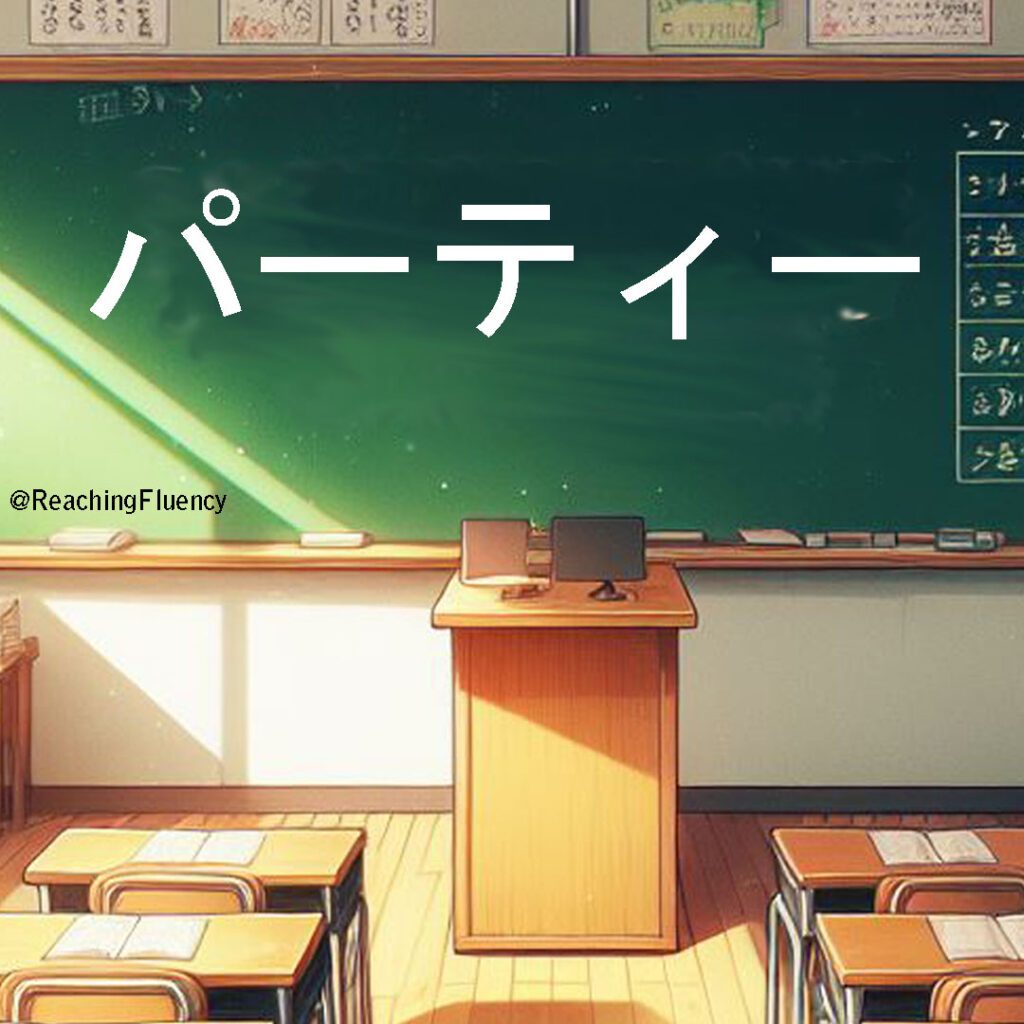
パーティー – Party
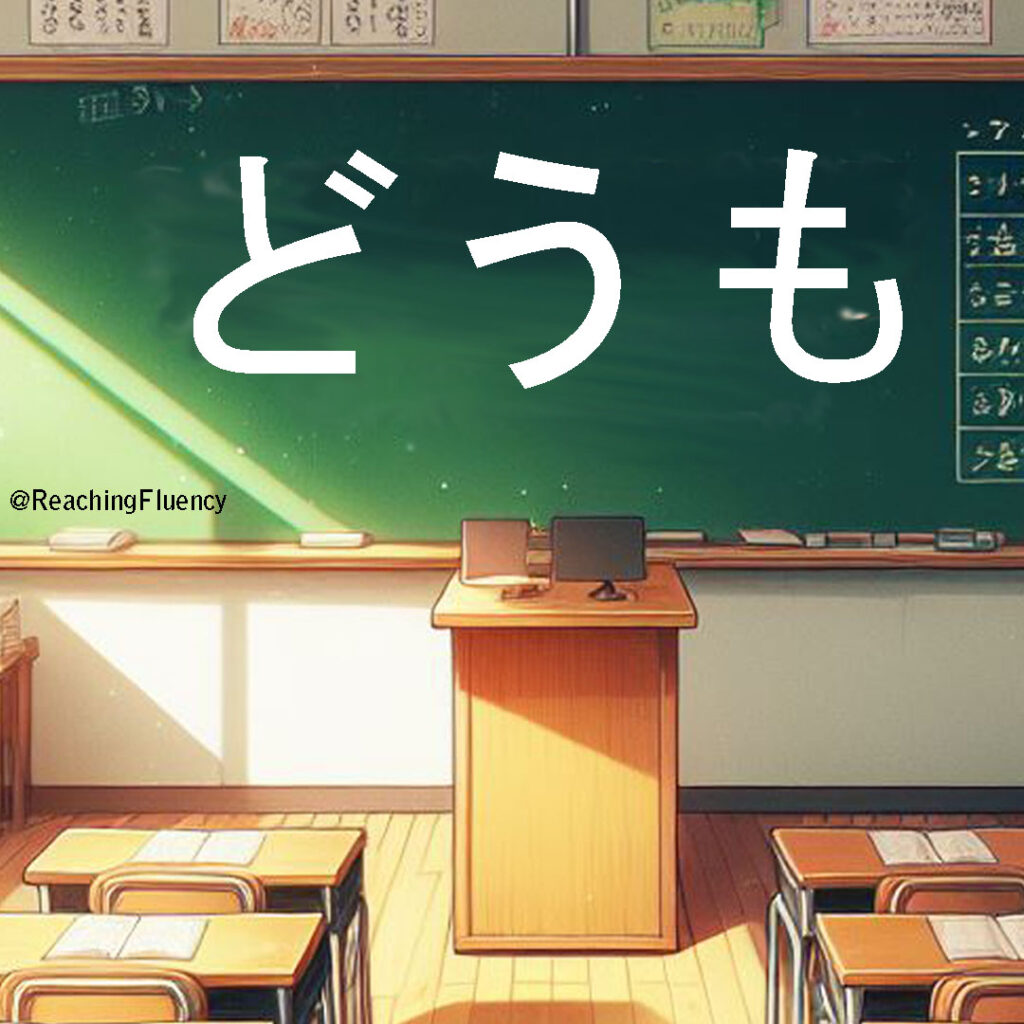
どうも – Thanks
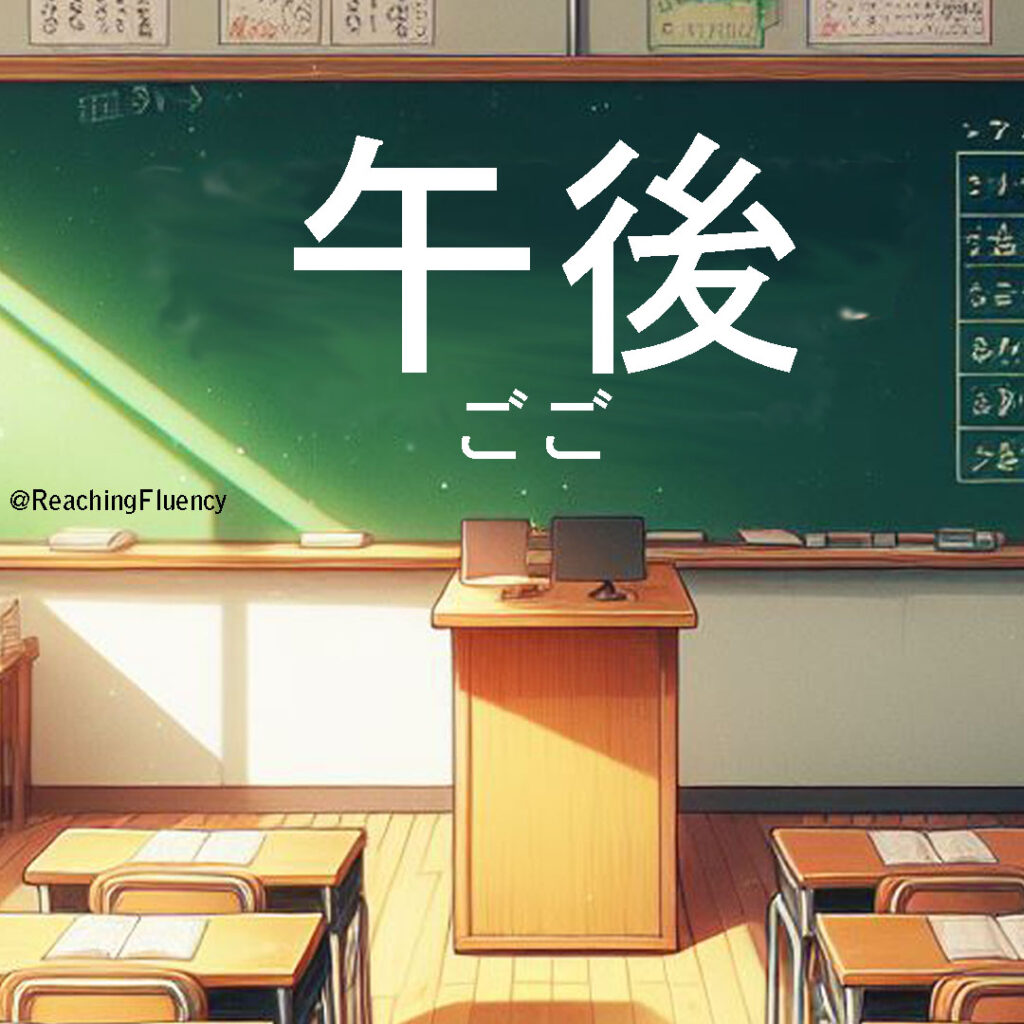
午後 (ごご) – P.M (Afternoon)
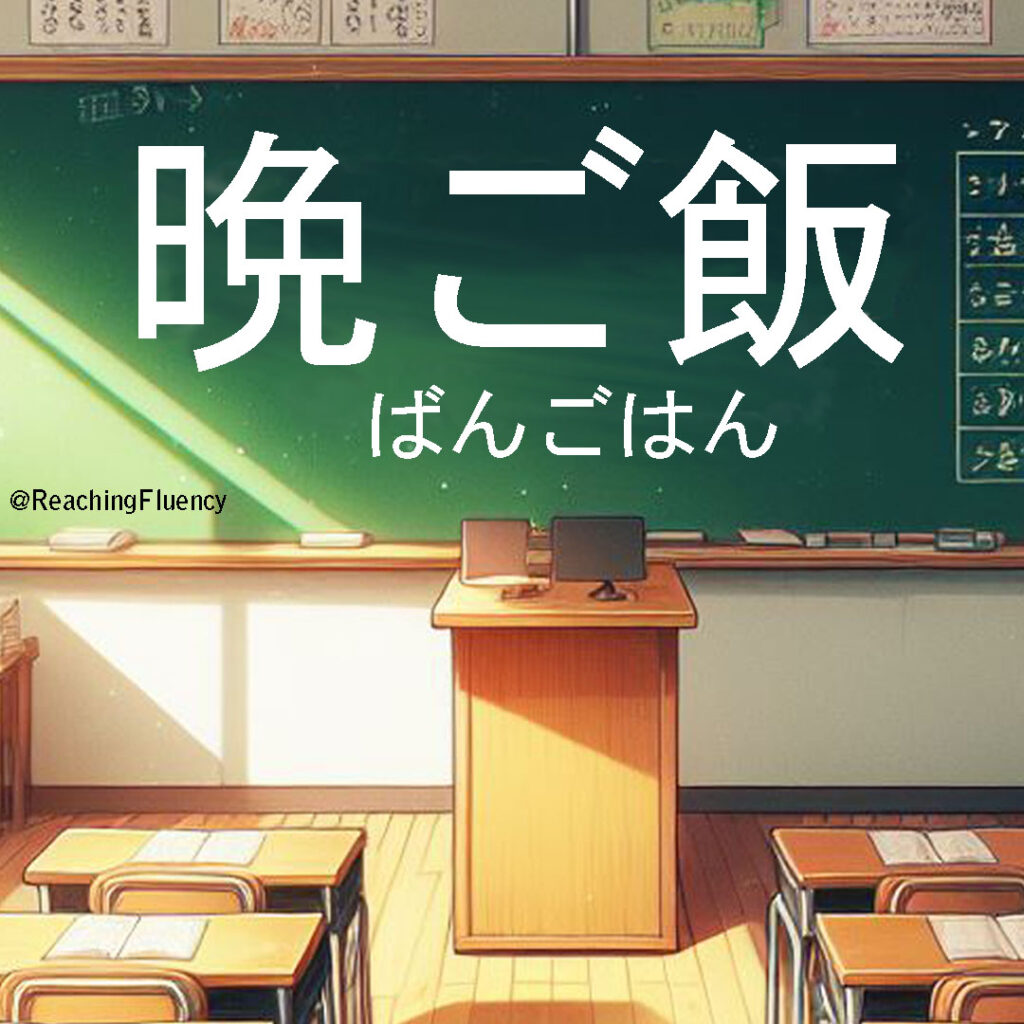
晩ご飯 (ばんごはん) – Dinner/Evening meal
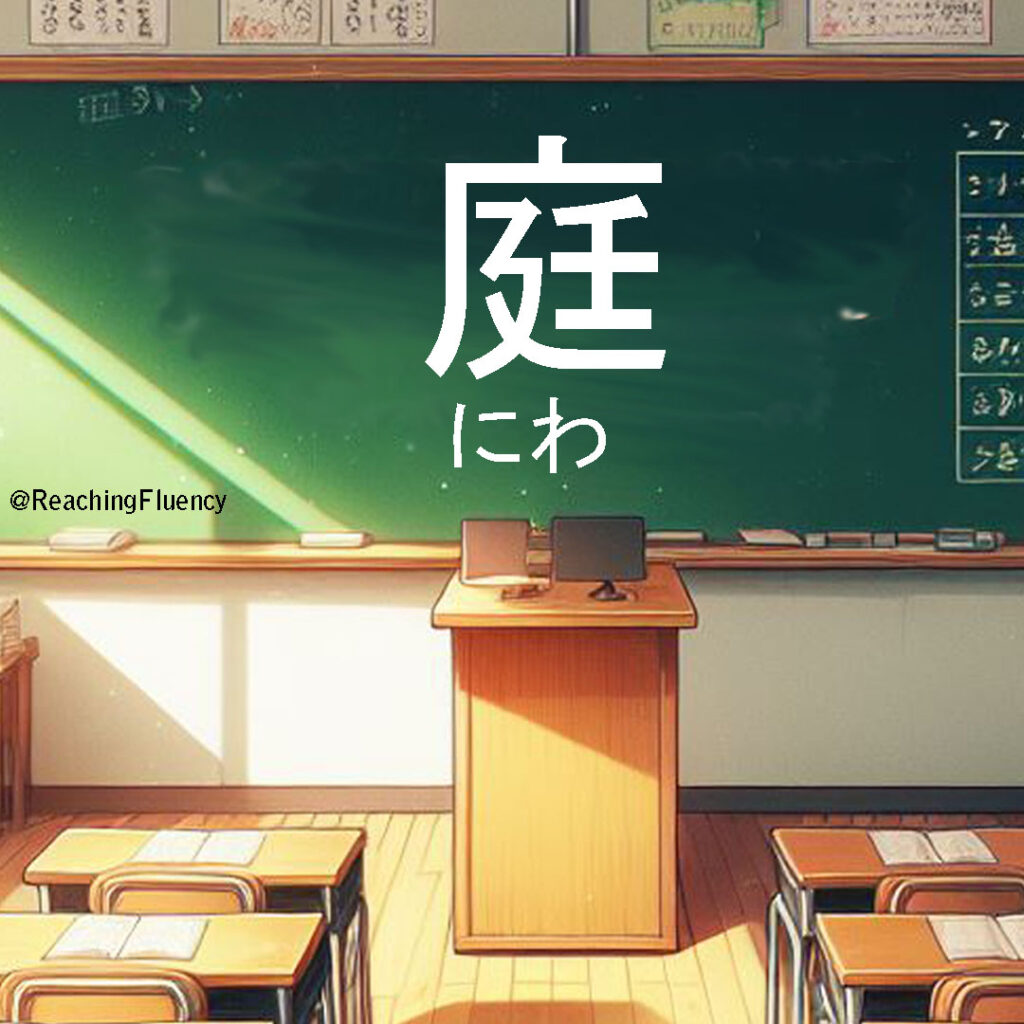
庭 (にわ) – Garden
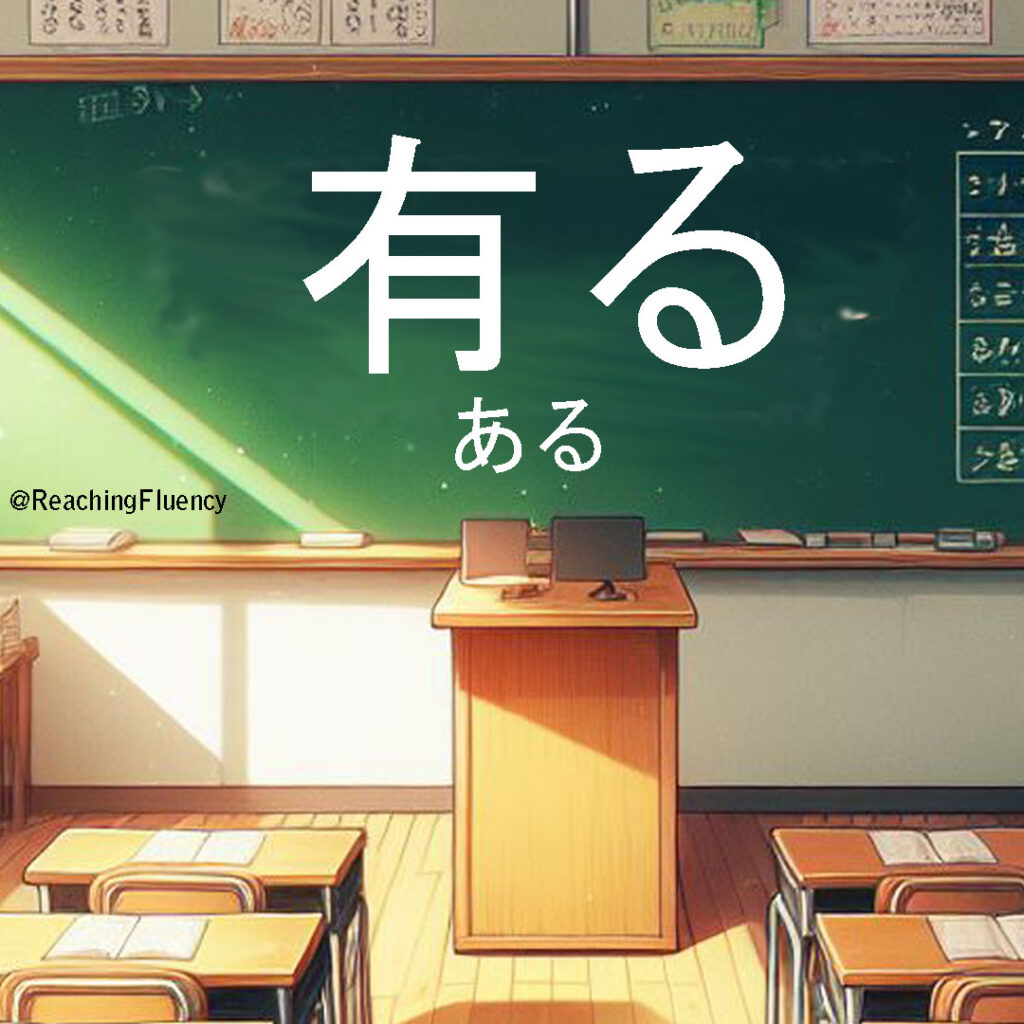
有る (ある) – To Be/Exist
Today’s Immersion Videos
It is taking me time to find/add more immersion videos. This section will be updated shortly!
Go To The Next Lesson: Day 21 – Counting and Numbers In Japanese

Ian is the owner and main writer of Reaching Fluency. He is a native English speaker, French speaker and Japanese learner and general lover of language learning.
You can read more about him on his Authors Page or link with him on social media
日常英会話メール
ニュースレターを購読してください! - 参加無料
メールリストに参加すると、少なくとも週に 1 回 (場合によってはそれ以上) メールが届きます
メールは毎日の英会話で、読んで勉強することができます。
メールは短いですが役に立ちます。いつでも停止できます


Pingback: Japanese Day 19 - The に (Ni) Particle - Reaching Fluency