
Welcome to day 2. Today we are just going to look at how kanji works and the concept of Sentence Particles. There is nothing to complicated here today, and it may seem like we are going slow, but we have to just go over these basic things. They do help you in the long run.
Remember, its not a race, if we slow and steady we will make progress.
Page Contents
Reading Kanji
I already touched on kanji the other day and of course you will have noticed that the vocabulary I have shown you so far uses kanji too.
While the plan here is to focus on listening, we can’t really escape kanji and reading so we do need to pay it some attention. I will admit that it is not easy and there will be times where they just look like squiggles on the page.
Repeated exposure will help you a lot. You will probably learn the word first by hearing it, and slowly you will start to recognise the kanji character associated with it. Just keep pushing and try not to get upset if you can’t recognise the kanji for a while.
There Are Different Readings Of kanji
One of the big issues for us as learners is the fact that the one kanji can have a few different readings. Which really means the same kanji can be said a few different ways.
The question I know you are asking is …so how do we know how to read the kanji. It’s hard, but really it comes down to context and just slowly learning what is what from repeated exposure. This is exactly why immersion is so important.
An example is the kanji – 人
It means person … but the context on how you pronounce this really matters.
If you are just pointing over at some guy over the road and talking about him, you would say Hito. However, if you where talking about his nationality, it would pronounced Jin.
This also comes back to what I was saying yesterday about the loose translations. To say someone’s nationality, you don’t really say “Japanese” you say “Japan person” It’s the kanji for Japan, or whatever country, followed by the kanji for person -日本人
We just tidy that up in English to say “Japanese” the “person” element is just implied in English.
So really if you see the “person” character after a country, its Jin, if you just see it elsewhere its Hito. This does come down to simply learning the difference pronunciations in the different context and while this may be confusing now, with exposure you will quickly notice and more importantly, remember the differences.
Then you have the opposite problem, where you have two different kanji (with different meanings) …that are pronounced the same way. For example:
箸 (hashi) – Chop stick
橋 (hashi) – Bridge
You can tell these apart by just looking when you are reading, but when it comes to listening it is about the intonation and context, but I will talk about that in a few days. Just remember we have words like this in English “to, too and two” all sound the same, but are very different.
Reading Two Combined Kanji
You will often come across two or more kanji that are joined together to form a new word. If you recognise them both, you can usually work out the meaning, but how you read them is not the same.
If we take the example from above – 日本 – this is the kanji for Japan, but it is two characters. It’s the character for Day and Book…. but of course it doesn’t mean “day book” it means “Japan”, so while you may often be able to work what the combo means, it’s not always the case.
(Coming back to the above point about different readings, 日 can also mean “sun” and 本 can mean “origin” this is where the “land of the rising sun” type things comes from, as the sun originates from the east horizon, which is where many of us find Japan)
However, when it is 3 kanji, you might work it out. So 日本人 is the kanji for Japan …and person, and this does actually mean “Japan person” …or as we would say – Japanese person.
Although, as I discussed above, how you pronounce日, 本, 人 …日本, 人 and 日本人 are all different, which is annoying, but it is just the way it is, you will just have to learn the words for the joint kanji separately, but with time it will all become easier.
Should You Use The RTK Method?
I am sure you will have heard of the RTK method (Remembering the Kanji) and you might be asking if it is worth it. Ultimately I feel this approach is not as helpful as you might want it to be.
You can end up recognising a lot of the characters …but you only know the English meaning. This can help you read in a way, but really you only are able to look at a Japanese sentence and understand what it means in English.
This isn’t really what we want. We want to see a Japanese sentence and understand it as Japanese, a subtle difference, but an important one.
I think just trying to learn the kanji in context and through repeated exposure is harder …but better in the long run for your Japanese ability.
I have written about this in more detail – Why “Remembering The Kanji” Is Great …But Also Isn’t The Best Way To Learn Japanese
Japanese Sentence Particles
I think starting with sentence particles is a good place to begin with grammar. These appear in every sentence and they are like flags, marking what each part of the sentence does.
We don’t have this in English, so it sounds very strange, but when you get the hang of it, it’s all very logically.
You will also notice Japanese doesn’t have space between words and it’s just a stream of text, which is terrifying, but luckily these particles break up the sentence and you can quickly see how kanji, hiragana and katana are broken up.
If we look at this sentence, you will see the particles come in between each word, and eventually we will know what all these little flags are trying to tell us.
私の友達のイアンはケーキを食べますか
This will look like a mess at the start, but slowly you will start to notice where one word stops and one ends. This is much easier to notice in spoken Japanese as speakers tend to use particles like commas to catch a breath.
The sentence may read more like this. 私の …友達の …イアンは …ケーキを …食べますか
I know it can be a little confusing as they are also letters of the alphabet, so when you see one it can be hard to be sure if it a particle or part of the word, but it will make sense after a while.
Each particle has a different meaning and they tell us what the subject is and the object and who is doing the verb and also connecting words together like how use “and” and similar in English.
We will of course go into more detail in the follow lessons about what they all mean, but for now just try and notice them when you are listening. They are massively important and everywhere and sometimes they might be there, but you don’t see them, which I won’t confuse you with now. Just know there is always a particle. ALWAYS, even if it’s a one word sentence.
か(Ka) Sentence Particle
We may as well start with learning one of these particles, and we will start with an easy one.
You will notice that Japanese doesn’t use question marks …well this isn’t isn’t fully true, they do occasionally use them in causal text, but technically they do not have question marks.
They actually use the か particle. This is the “question particle” and it works exactly like a question mark … although they actually say it out loud in Japanese.
This simply means if you hear か at the end of a sentence, it’s a question.
If you want to turn a statement into a question in English, you add a question mark, and it’s the same in Japanese …add the か to the end and you now have a question, it’s as easy as that.
I do need to warn you though, you will occasionally hear this か particle in the middle of a sentence and this might confuse you. This actually means something else but we don’t need to worry about that for now, just try and notice it at the end of a statement, which makes it a question.
(Return To: The Full List of All The Japanese Lessons)
Today’s Vocabulary
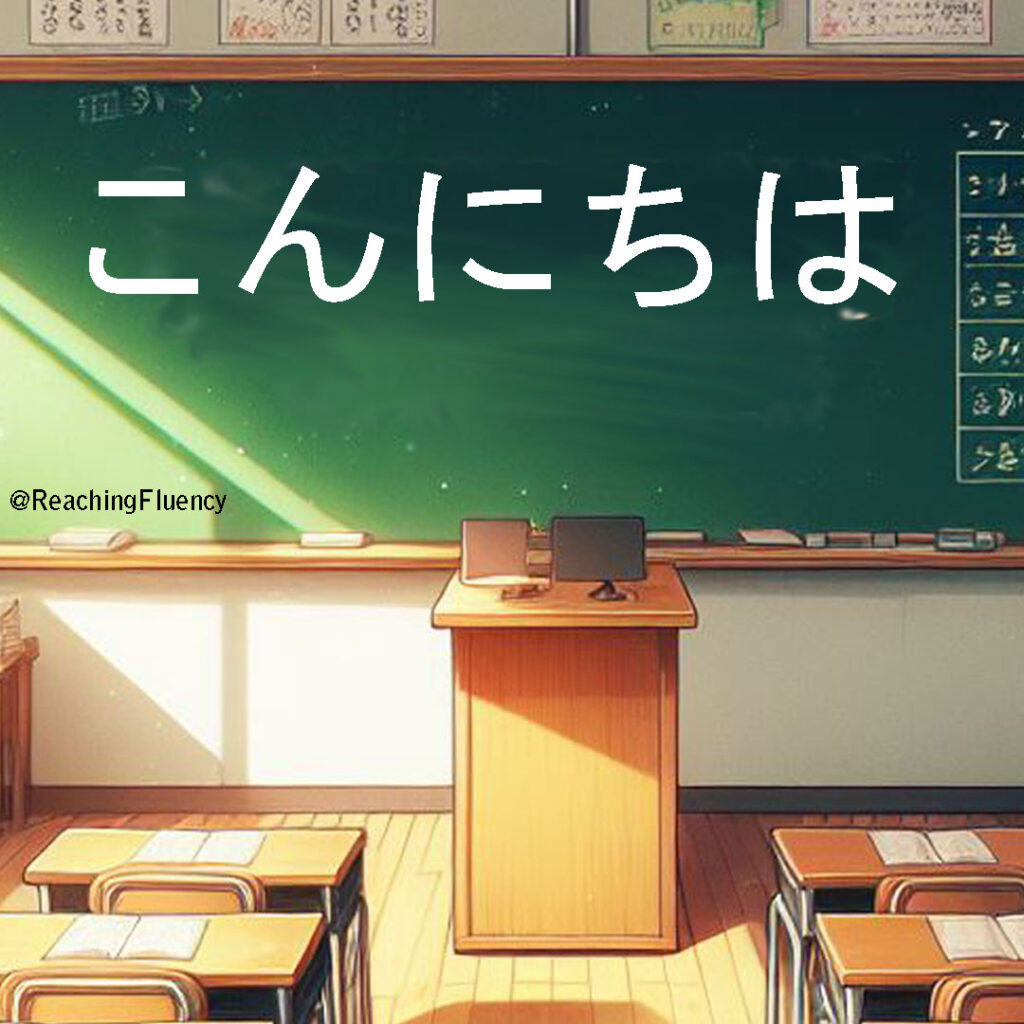
1. こんにちは – Hello
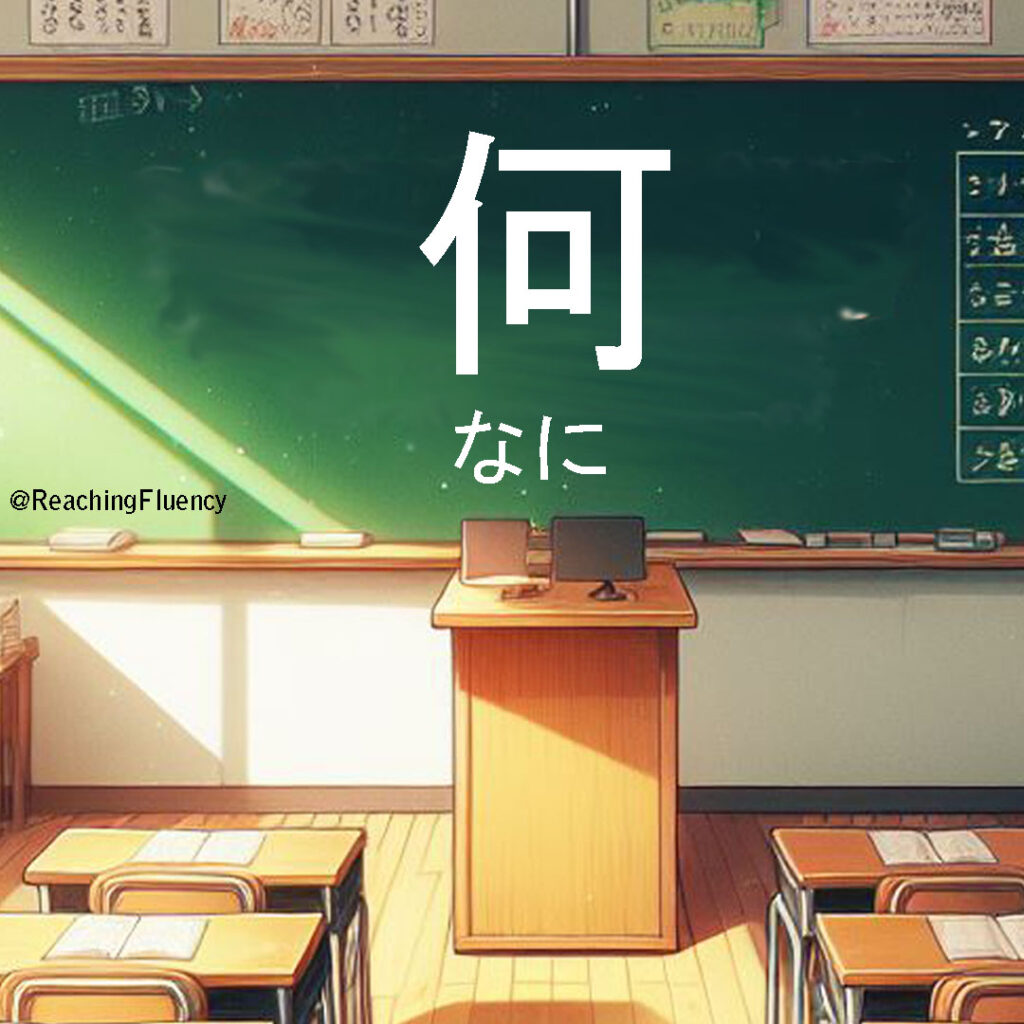
2. 何 (なに) – What
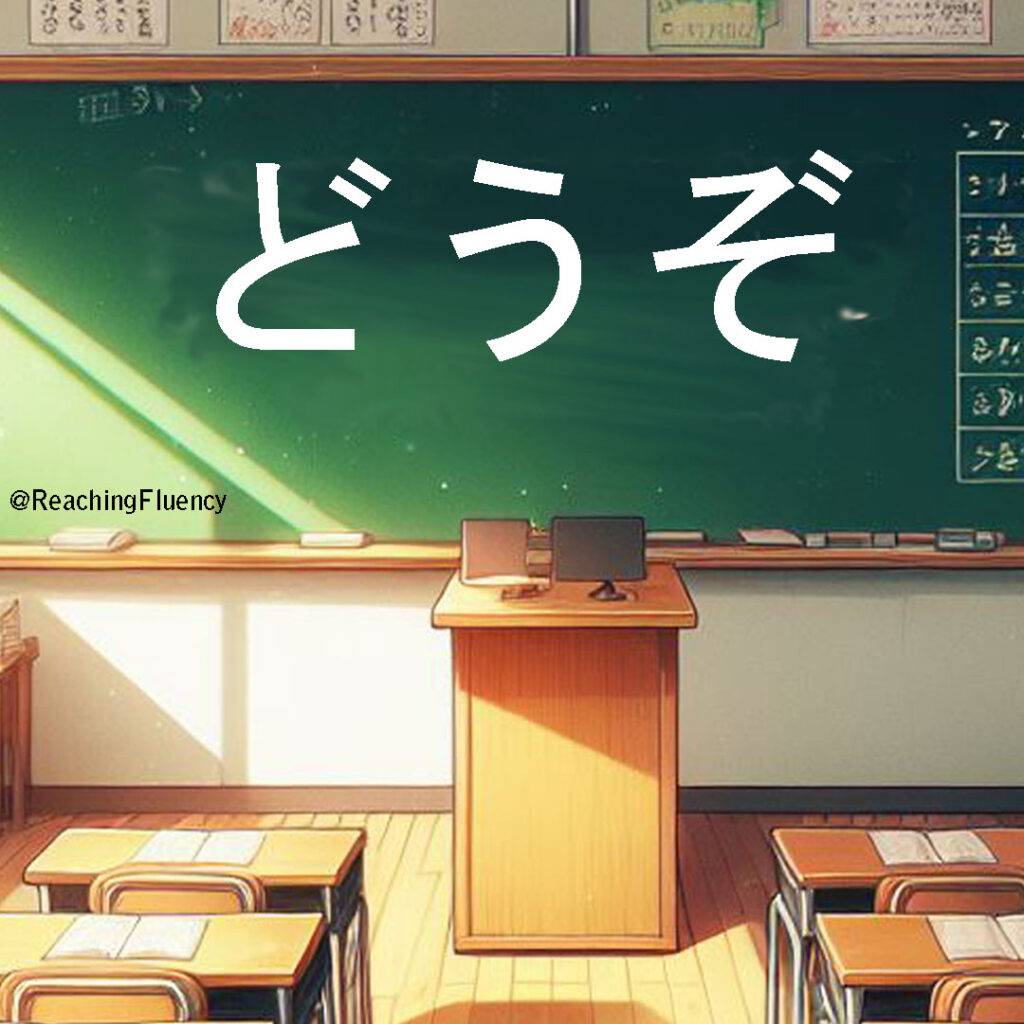
3. どうぞ – please; kindly; by all means; certainly; of course; (go) ahead
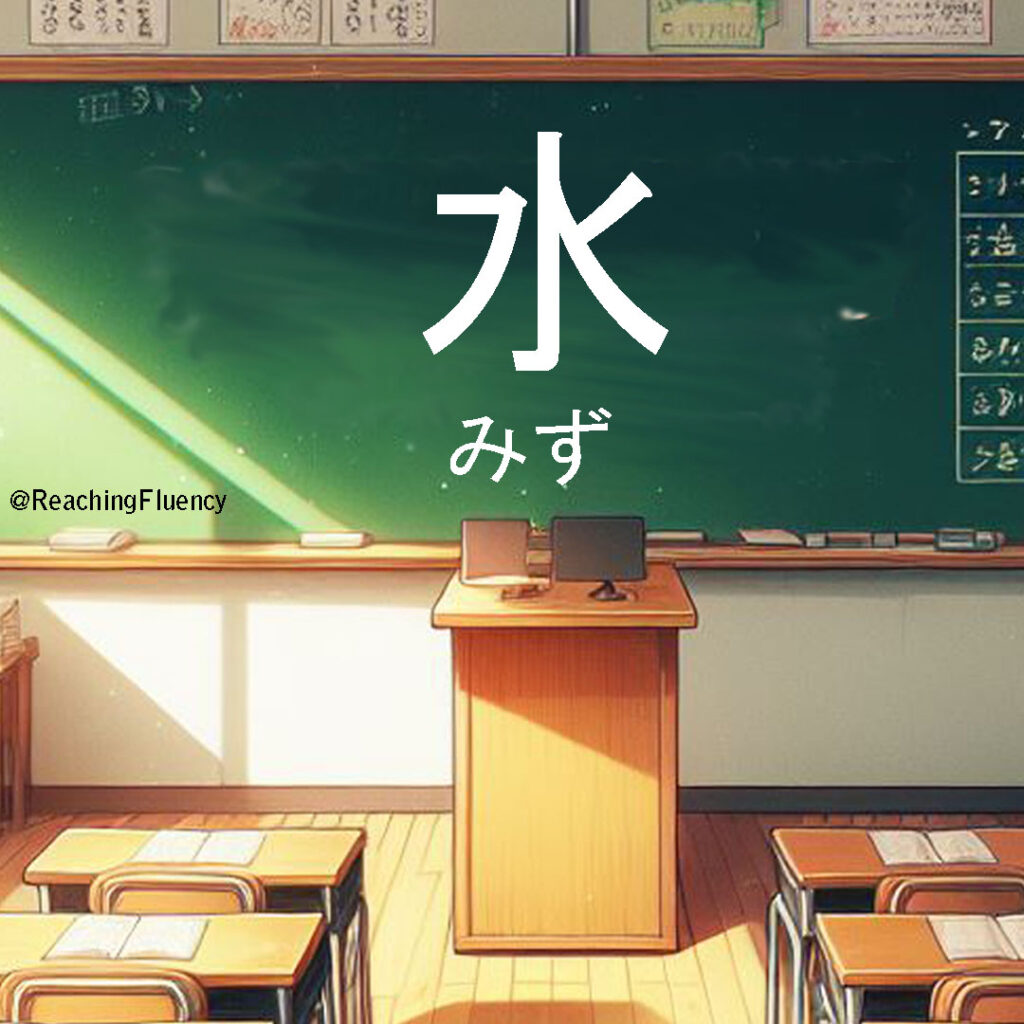
4. 水 (みず) – Water
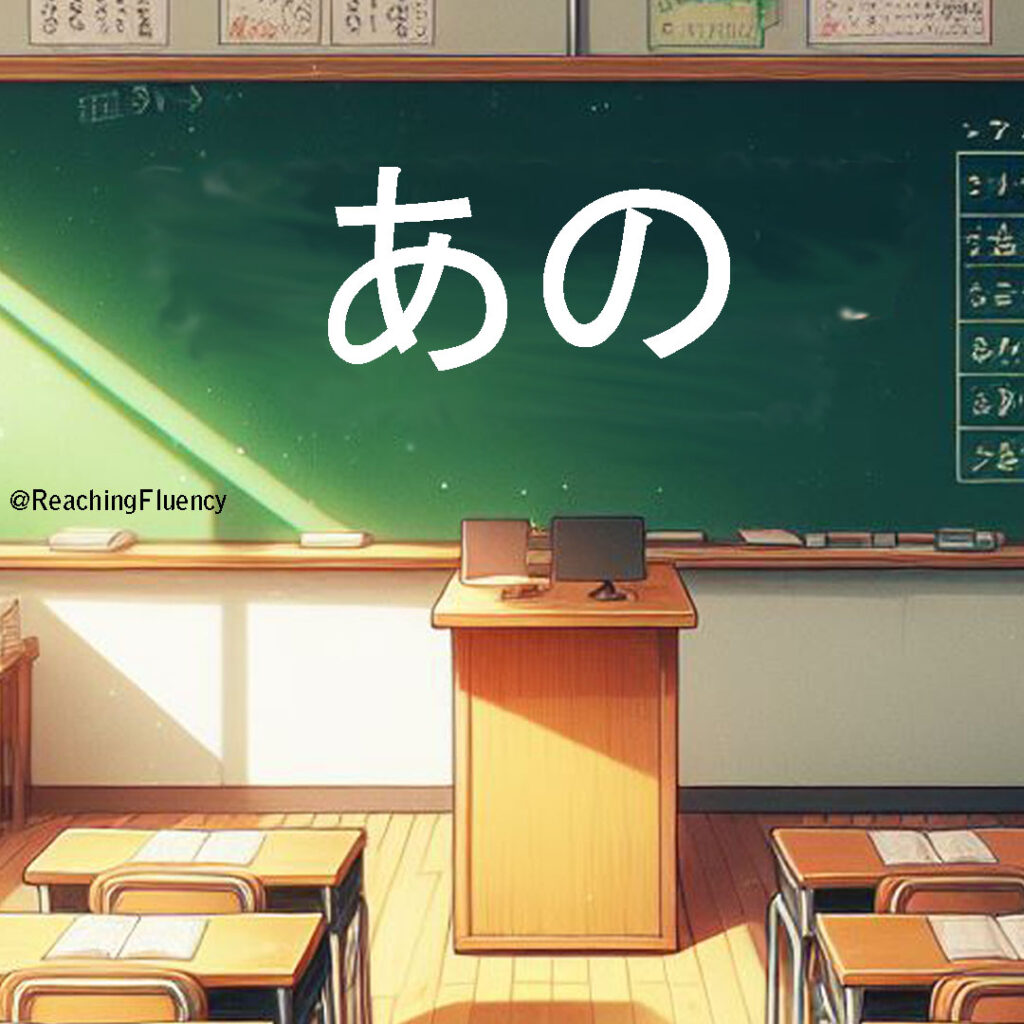
5. あの; あのー; あのう – umm
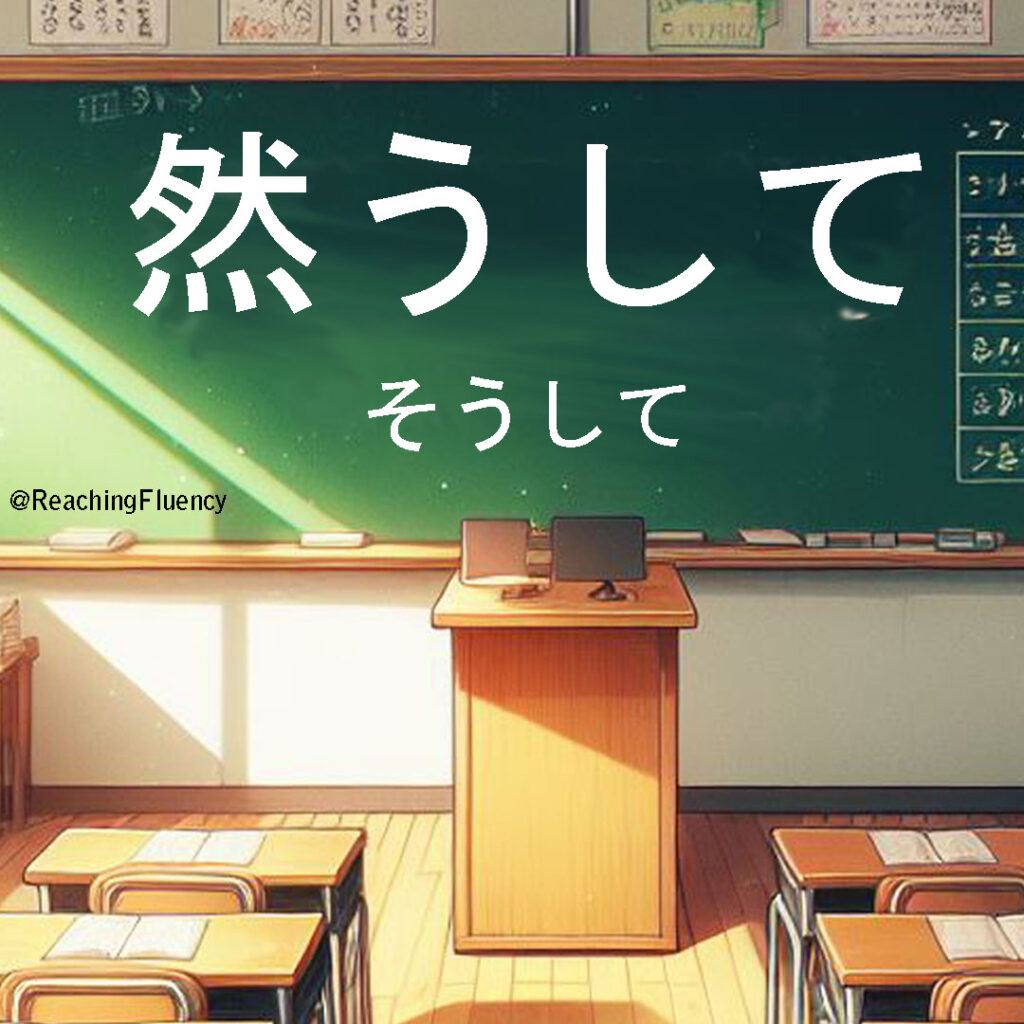
6. 然うして (そうして) – And
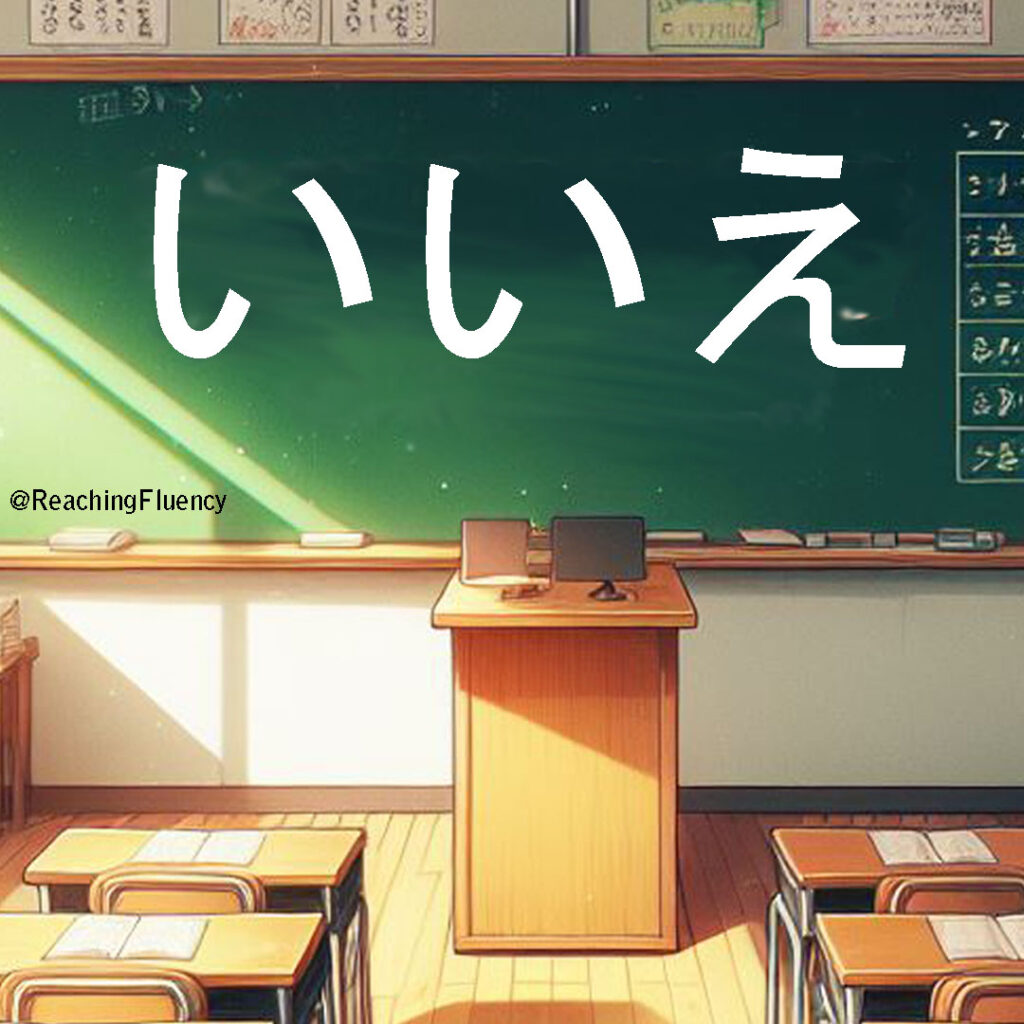
7. いいえ – No
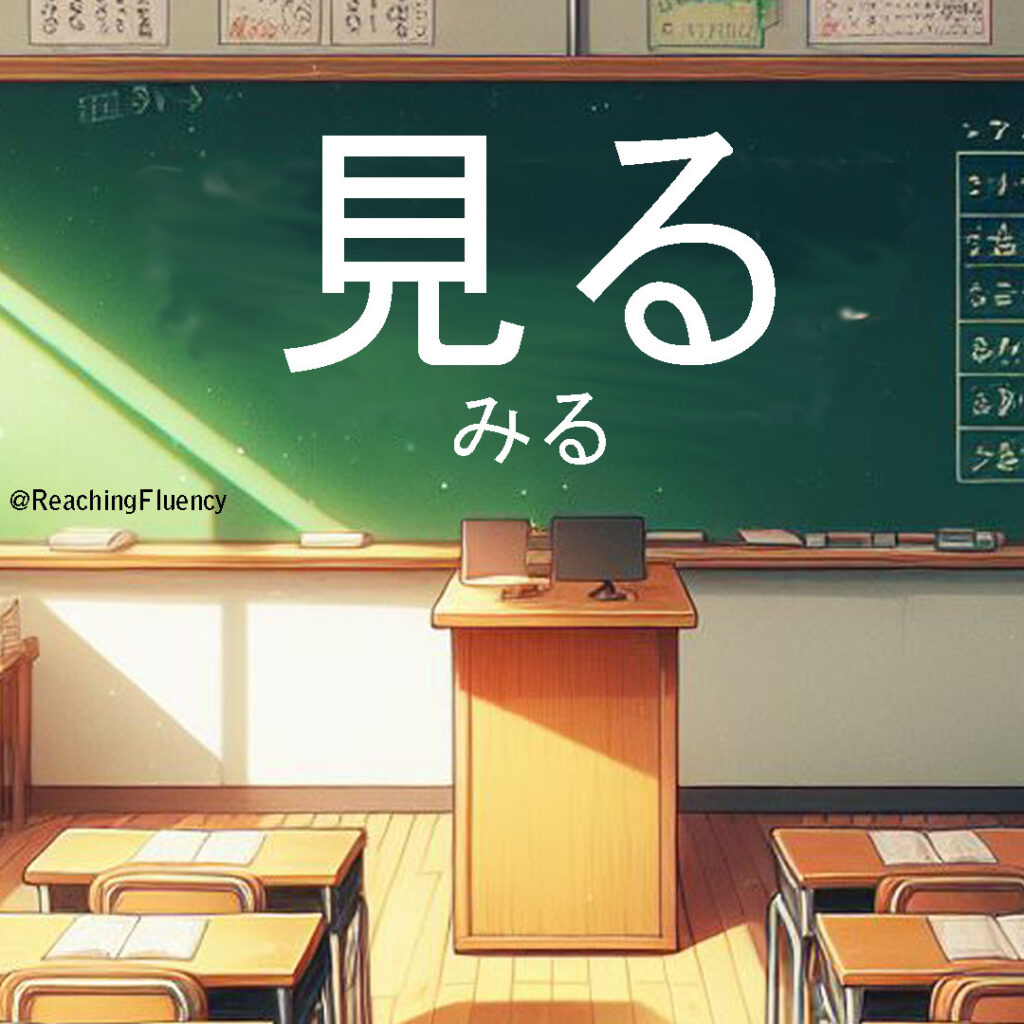
8. 見る (みる) – To See
Today’s Immersion Videos
It is taking me time to find/add more immersion videos. This section will be updated shortly!
(Go To The Next Lesson: Day 3 – Names and い Adjectives)

Ian is the owner and main writer of Reaching Fluency. He is a native English speaker, French speaker and Japanese learner and general lover of language learning.
You can read more about him on his Authors Page or link with him on social media
日常英会話メール
ニュースレターを購読してください! - 参加無料
メールリストに参加すると、少なくとも週に 1 回 (場合によってはそれ以上) メールが届きます
メールは毎日の英会話で、読んで勉強することができます。
メールは短いですが役に立ちます。いつでも停止できます


Pingback: Japanese Day 1 - Basic Sentence Structure - Reaching Fluency