
Today’s lesson is another particle, or sentence marker …the Ni particle. This has a few different roles within Japanese sentences, so let’s get in to it.
Page Contents
The に (ni) Particle – The Destination Particle
Theに (ni) particle is also known as the “destination particle” ….which as the name suggests, marks the destination of something within a sentence..
If we look at an example: 私は公園に行きます- I am going to the park.
The に (ni) particle is just after the word for park, meaning it is marking it …as it is the destination of where we are “going”.
Interestingly the に (ni) particle can be used when the destination has been achieved – such as – 私は公園にいた – I was at the park
While this seems weird, it does make sense. The park is still the destination …it’s just that you are at the destination.
Probably more confusingly, it can be used as “on” …but again when you think it through, it is still a destination.
A classic example is talking about objects. If you want to say something is on the table, you would use に to mark the table …as the table is the destination of the object. It has been moved to the table and once it is there, it has reached the destination and more importantly, it will probably be moved again in the future, so it is no different than you “going to the park”.
The same can be said if you throw something to someone. The object is going to that person …so the person is marked with に …they are the destination for that object as such. Of course in English we would say that we “threw it at them”, but they are still the final destination of the action of throwing.
This is just one of those “see thing through a Japanese lens, not English” type situations, but with time it gets easier.
Another example of the にparticle being used as on, would be for “getting on the train” This one can confuse people, as the train is a mode of transport, but in Japanese, the train is the destination. You get there, and stop …of course the train is moving, but you are not, so in this sense, you would use に to say you where getting on the train.
The に (ni) Particle Can Also Mark A State Of Existence
You will also see the に (ni) particle being used to mark a state of existence.
This sounds vague, but again if you think about things quite loosely, it makes sense as again, the state of existence is the destination.
If we think of something like “to be quiet” the action you are taking is transforming into a quiet state. The “quiet” is the destination.
Maybe you can see this as “to be in quiet” – 静かにする …you exist in quiet. It is a bit like the object on the table, it is there for a while, but may move from that destination again later. You may change state too, you may be quiet now, but maybe later you will change to be being loud, so in this sense, you can see this state of existence like the destination.
The same can be for something like “to be in school – 学校にいる” where the school will be marked with に(ni). You “exist in the school” at that time.
The に (ni) Particle Can Also Mark Time
You will also see the に (ni) particle being used when talking about time. You will usually see it as something like “I woke up at 8am”
午前8時に目が覚めました
The 8am will be marked with に. You again can see this like the “destination”. Maybe we are getting a bit abstract, but you can see 8am as your destination and this is the place where you woke up.
Of course this would be translated into English as “woke up at 8am” rather than “8am is the destination where I woke” but hopefully you can grasp the concept of how they are using this particle in Japanese.
(Return To: The Full List of All The Japanese Lessons)
Today’s Vocabulary
百 (ひゃく) – Hundred
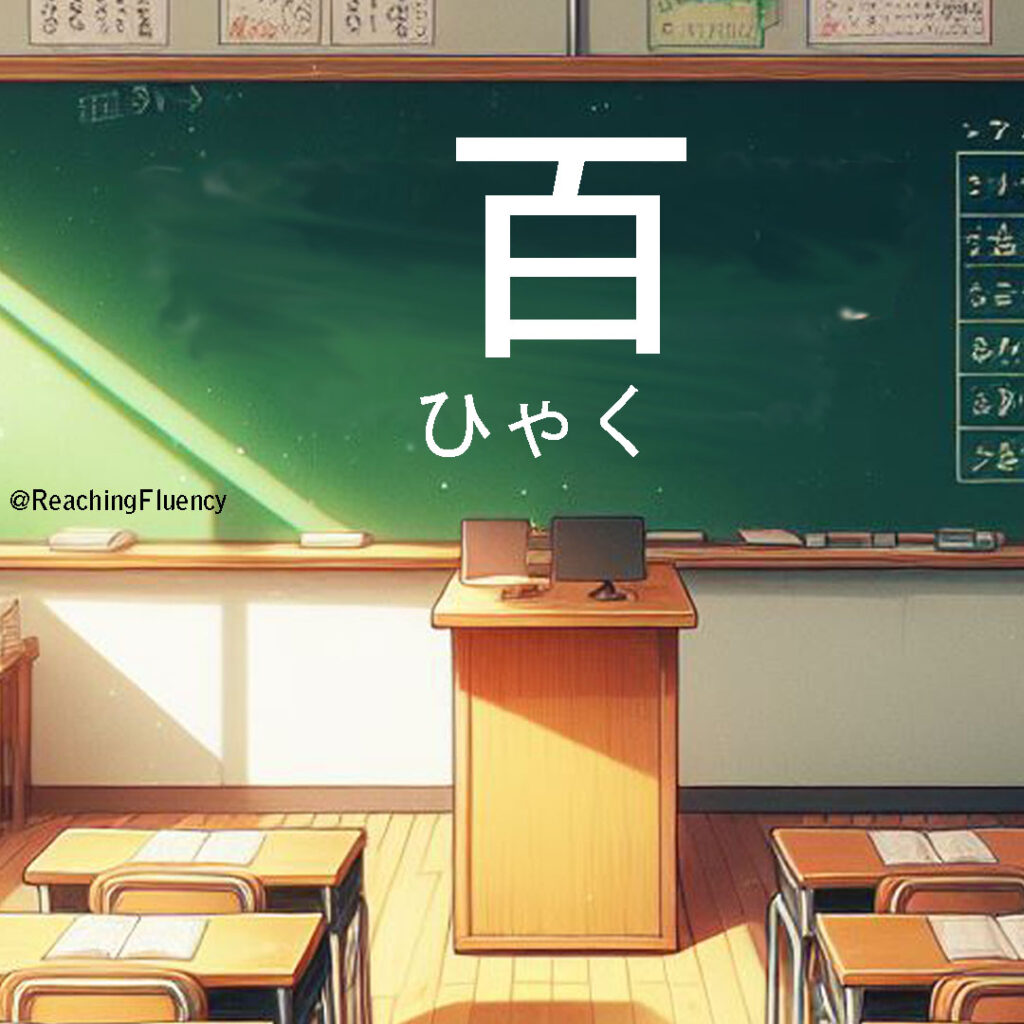
窓 (まど) – Window
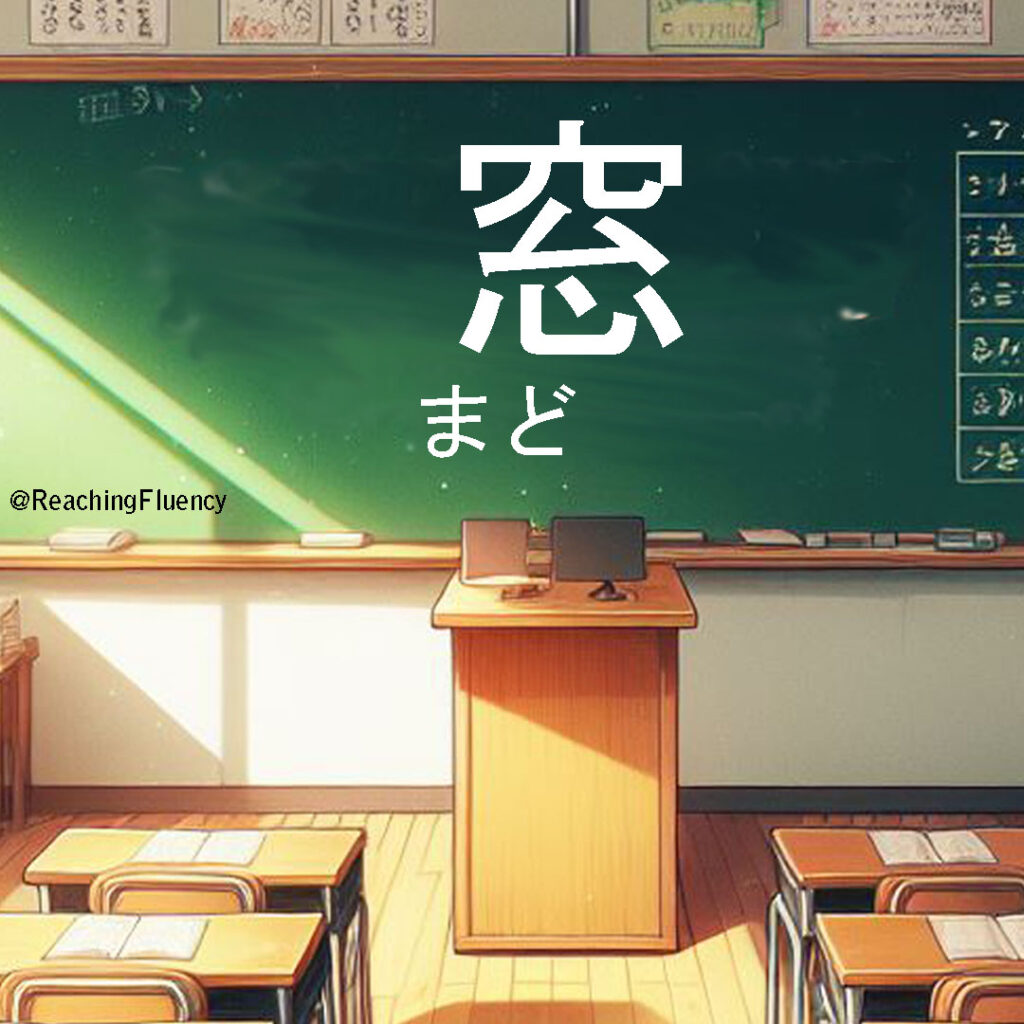
肉 (にく) – Meat
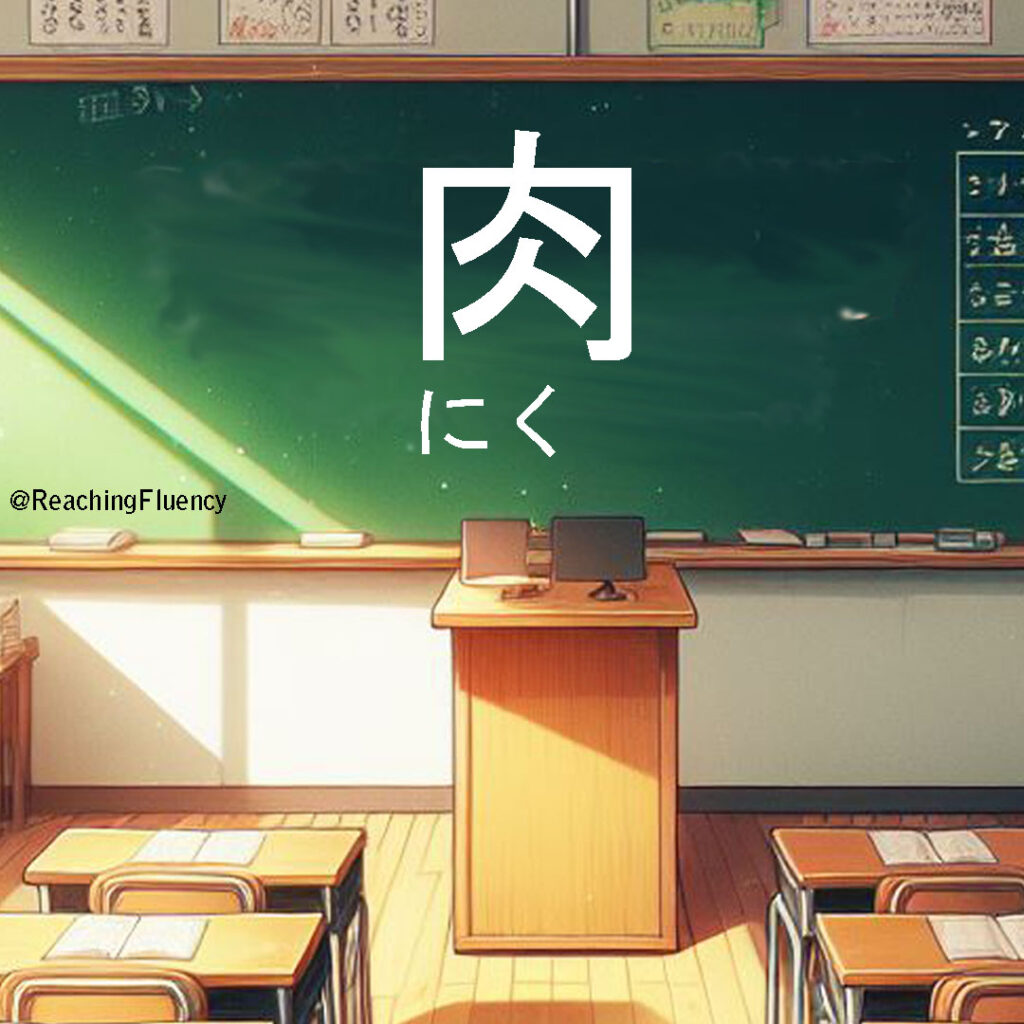
冷蔵庫 (れいぞうこ) – Fridge
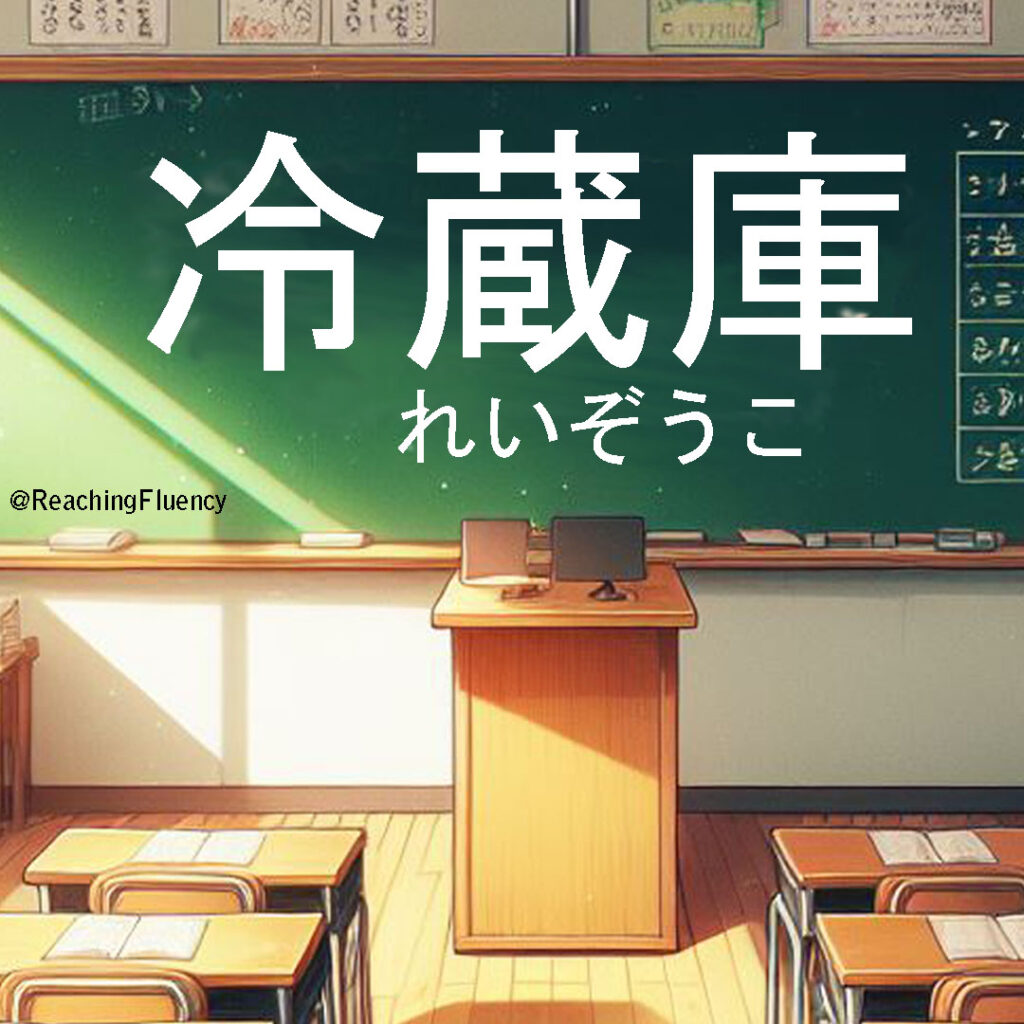
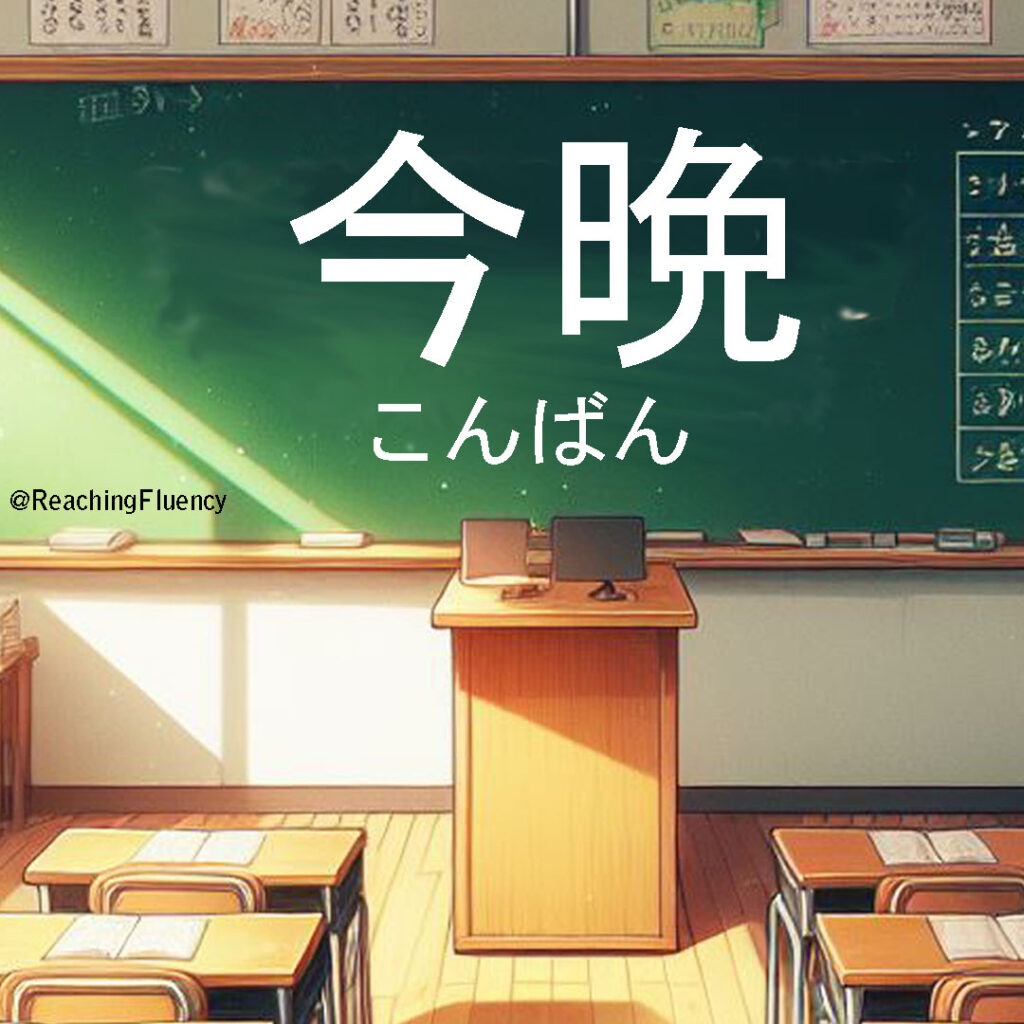
今晩 (こんばん) – Tonight/This Evening
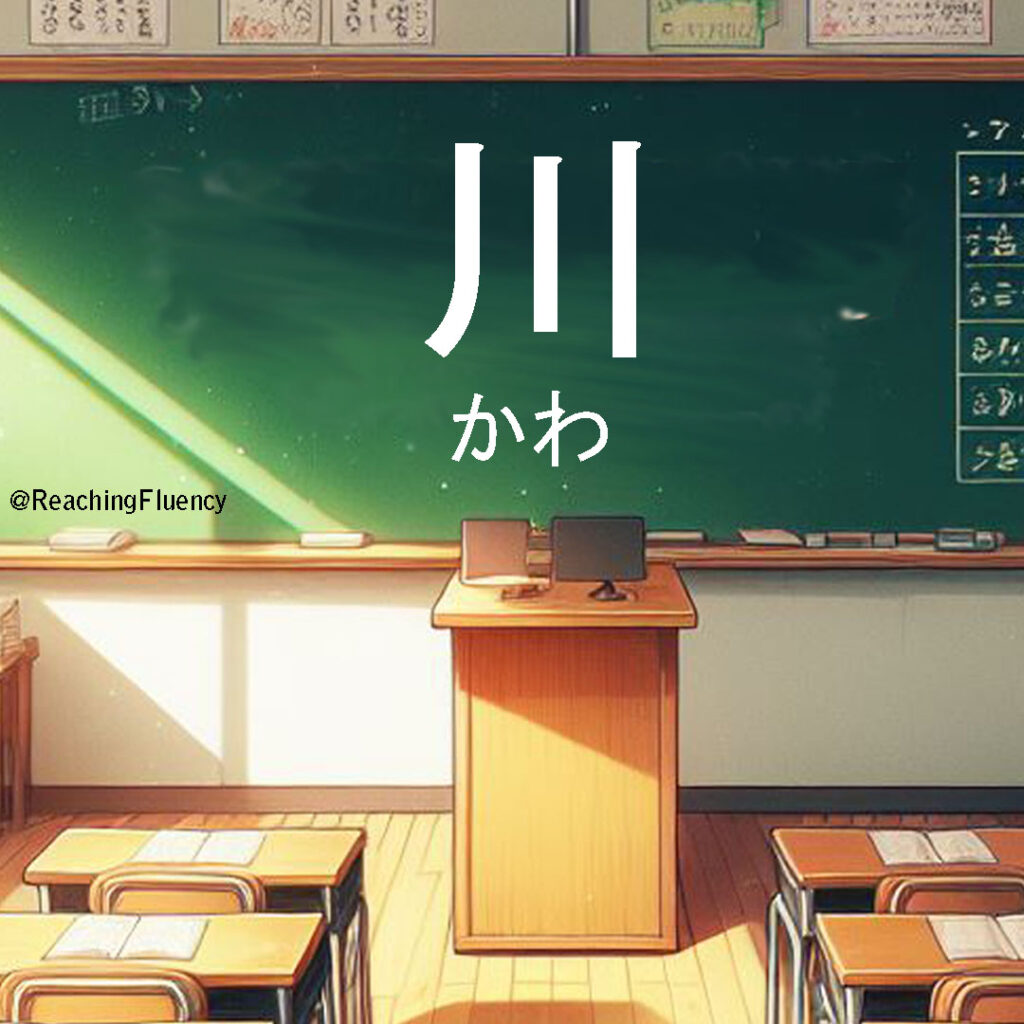
川 (かわ) – River
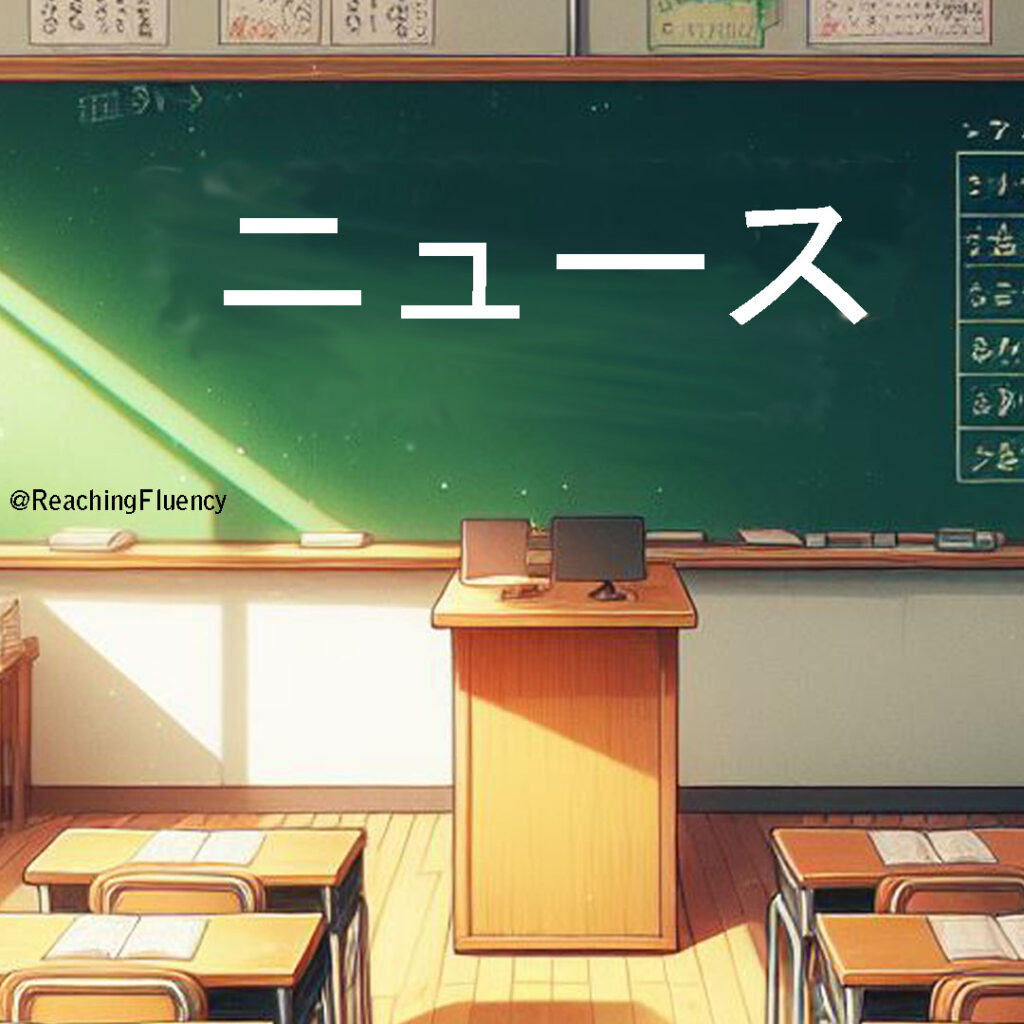
ニュース – News
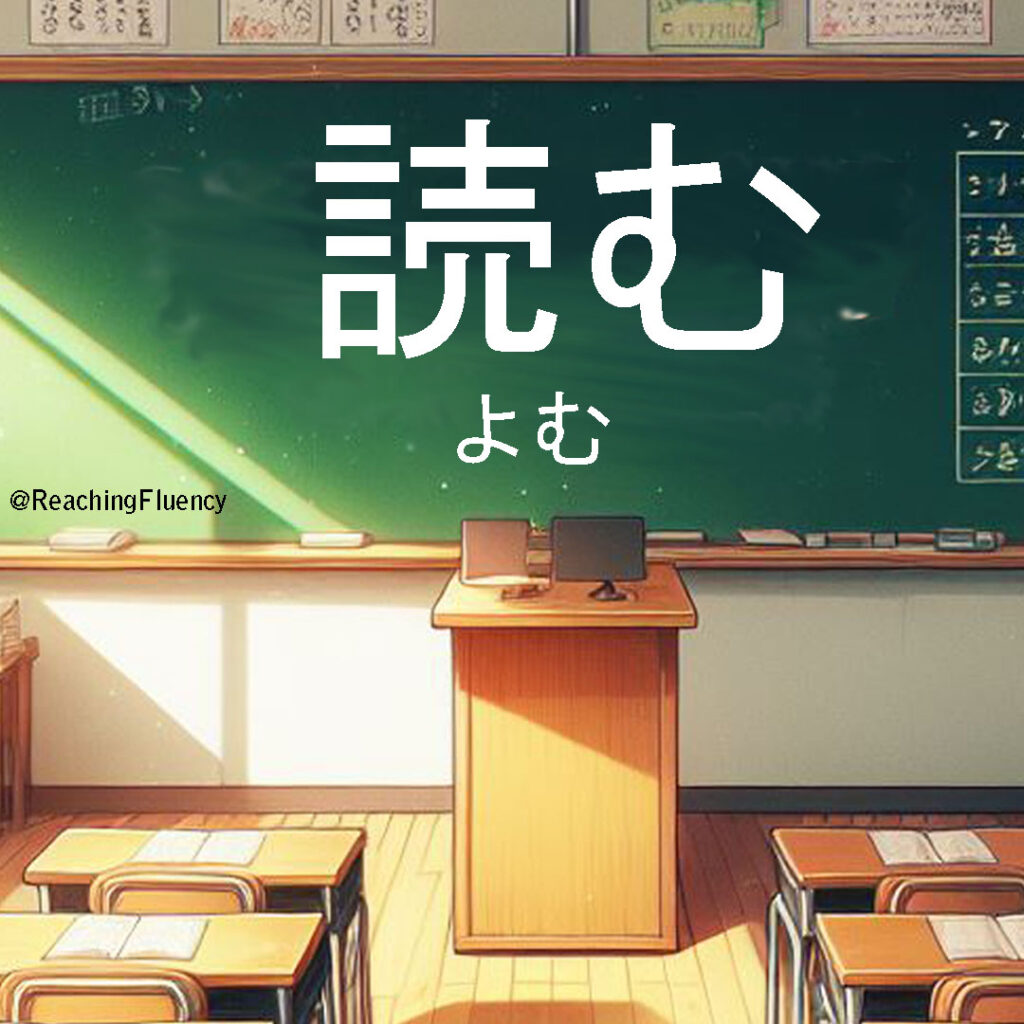
読む (よむ) – To Read
Today’s Immersion Videos
It is taking me time to find/add more immersion videos. This section will be updated shortly!
Go To The Next Lesson: Day 20 – て (Te) With Adjectives

Ian is the owner and main writer of Reaching Fluency. He is a native English speaker, French speaker and Japanese learner and general lover of language learning.
You can read more about him on his Authors Page or link with him on social media
日常英会話メール
ニュースレターを購読してください! - 参加無料
メールリストに参加すると、少なくとも週に 1 回 (場合によってはそれ以上) メールが届きます
メールは毎日の英会話で、読んで勉強することができます。
メールは短いですが役に立ちます。いつでも停止できます


Pingback: Japanese Day 18 - Irregular Verbs - Reaching Fluency