
Today we are looking at the two irregular verbs in Japanese, which are する (suru) To Do and 来る (Kuru) To Come.
It should be no surprise to you that “to do” and “to come” are commonly used words in every day Japanese, so it’s really important that we know how these two verb work, especially since they do not follow the usual rules that every other verb follow.
Page Contents
Learning The Japanese Irregular Verbs
Irregular verbs are annoying in any language and you could say the same for Japanese. Learning the difference between Ichidan and Godan verbs is be hard enough without having to deal with exceptions.
However, there are only two and they are common, so it honestly is just going to be easier to learn the different conjugations of these two verbs and be done with them.
I don’t think you should learn any rules about how to form them or anything like that. I would just learn them off by heart for each different form you need and this will be easier. Although I would suggest you make sure you understand how the regular verbs work before tackling these two.
You are also going to see these verbs a lot, so you should get plenty of exposure to them from your immersion.
来る (Kuru) – To Come
I will just go through all the most common forms you will find verbs in and show you how来る should be conjugated for each one.
- Masu form – The polite form.
来ます (kimasu) – To come (but polite)
- Tai form – Which adds “Want” to the verb
きたい (Kitai) – Want to come
- Nai form – Which ads “Not” to the verb.
来ない (konai) –Do not come / will not come
- Reru form – The Passive form, usually translated as “get …verb” or “be …verb” such as “Get washed, or Be washed” but you can’t get “get/be come” so you have see it more as “coming” or “will come” or even “is able to come”.
来られる (korareru) – Is able to come
- Seru form – the Causative form, which changes the verb to me “allow” or “to make” so this would be “make them come” or “allow them to come”
来させる (kosaseru) –Make them come
- Ru form – The potential form, which roughly changes verbs to mean “you can do …the verb” so in this instance it would be – “can come”.
Those of your with a sharp eye will notice that this Ru form is the exact same as the Reru form. The words are exactly the same. When you look at other verbs, the difference between the Passive and Potential are actually noticeable, but here they are basically the same thing, both meaning “is able to come”
Can the Japanese tell them apart? Maybe through context they can, but I wouldn’t worry too much about that, the general meaning is the same, and the words are the exact same.
来られる (korareru) “can come”
- U form – The volitional form, which changes the verb to mean “lets…”
来よう (koyou) – let’s come
- Te form – Hopefully you read the lesson on the Te form and under how it can be used in a few different ways, but basically it doesn’t change the meaning.
来て (kite) -come
- Ta form – The past tense
来た (kita) – came
する (suru)- To Do
Again I will just go through all the most common forms you will find verbs in and show you howするshould be conjugated for each one.
- Masu form – The polite form.
します (shimasu) – To do (but more polite)
- Tai form – Which adds “Want” to the verb
したい (Shitai) – Want to /want to do it
- Nai form – Which ads “Not” to the verb.
しない (shinai) – Do not
- Reru form – The Passive form, usually translated as “get …verb” or “be …verb” such as “Get washed, or Be washed” which doesn’t make sense as “get do” or “be do” …so this would be more “ be done”.
される (sareru)- Be done
Seru form – the Causative form, which changes the verb to me “allow” or “to make” so this is going to become “to let”
させる (saseru)- Let
- Ru form – The potential form, which roughly changes verbs to mean “you can do …the verb” so in instance, it would be “you can do …do” I am sure there is a childish joke there …but really it is more likely going to make more sense as just “can”
できる (dekiru) – Can
- U form – The volitional form, which changes the verb to mean “lets…verb” so you can have it as “lets do” but it will usually just mean “let’s”
しよう (shiyou)- Let’s
- Te form – Hopefully you read the lesson on the Te form and under how it can be used in a few different ways, but basically it doesn’t change the meaning.
して (shite) – Do
- Ta form – The Past tense
した (shita) – Did
This Isn’t Everything
I think it is very important to note that I have not covered everything here. I have gone through the most common forms you will find these verbs in, but they are certainly not the only versions.
With what I have given you here, you should have more than enough to get by, but you will bump into other forms of the verbs when you are immersing, especially the really formal, polite versions.
Maybe I will cover these in a different lesson, but for now you should have more than enough to keep you busy for a while.
(Return To: The Full List of All The Japanese Lessons)
Today’s Vocabulary
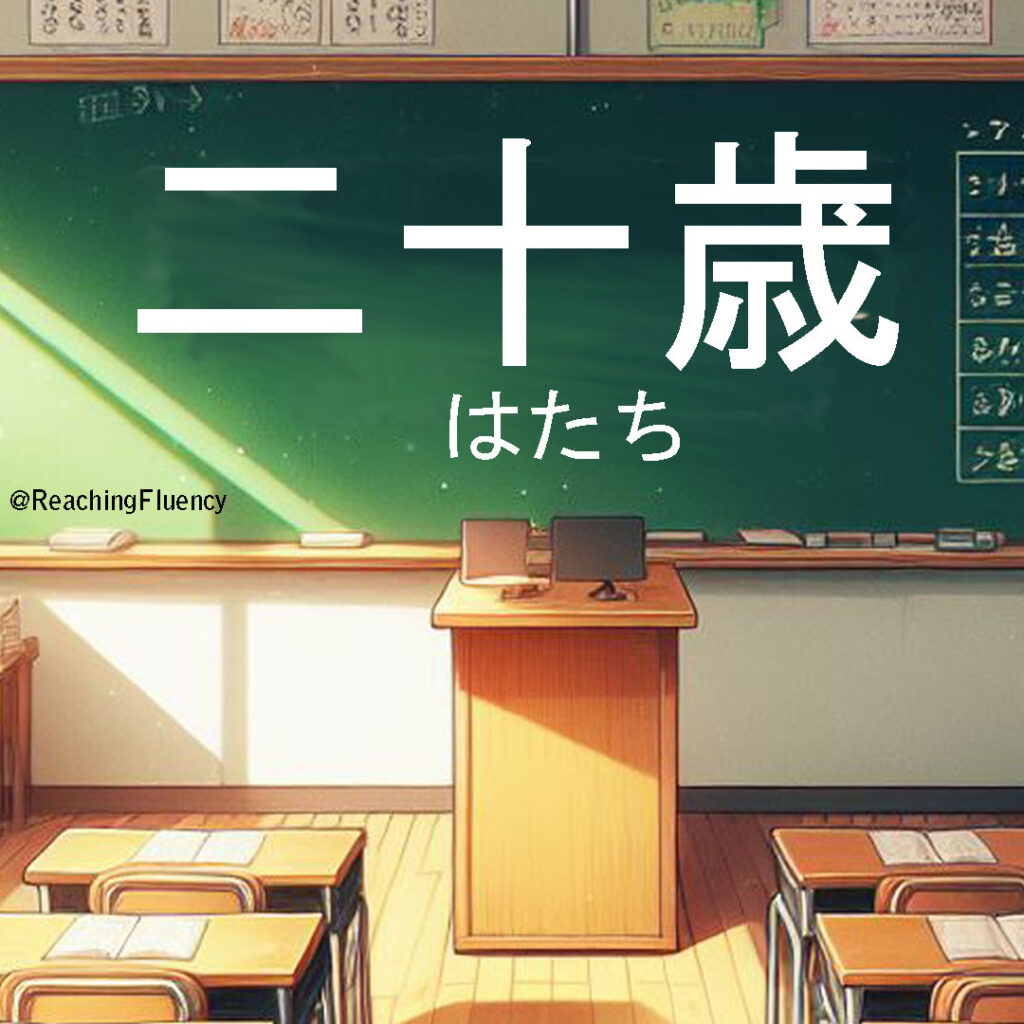
二十歳 (はたち) – 20 Years Old
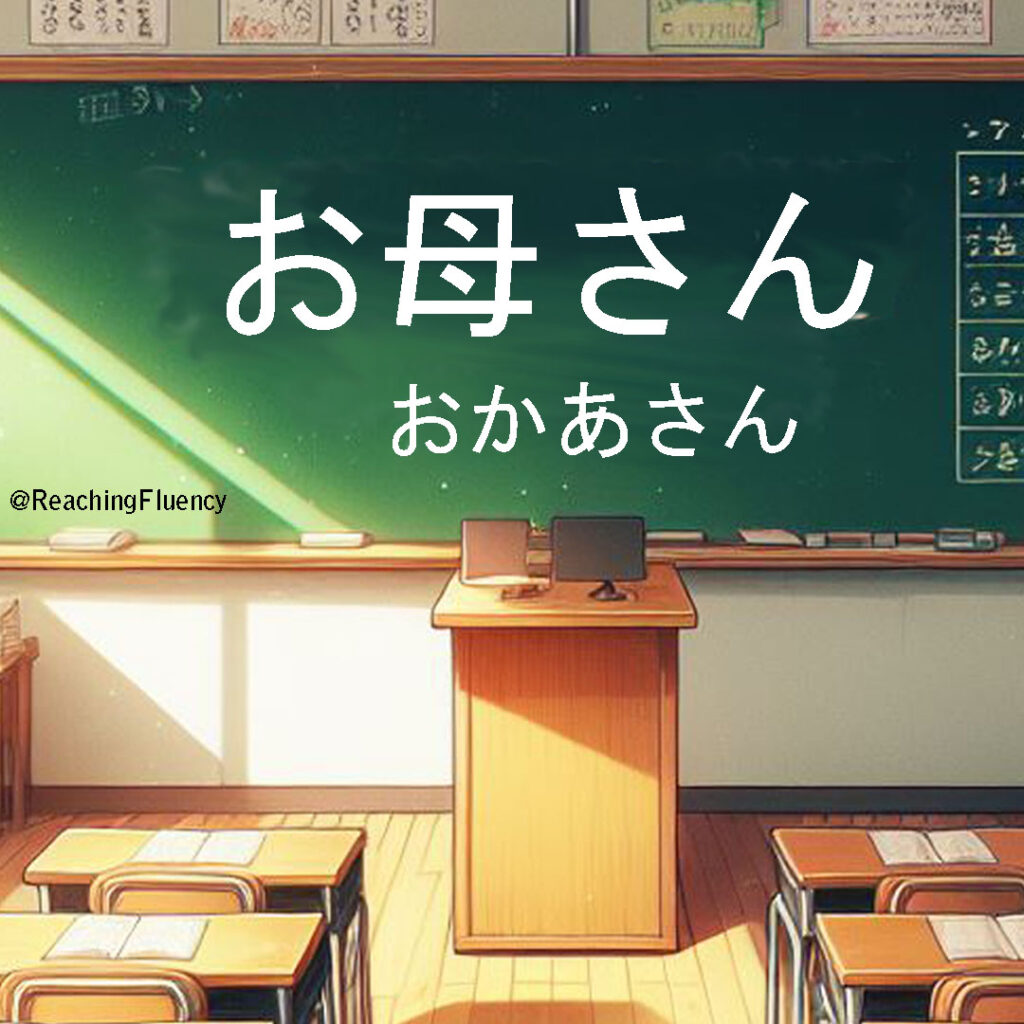
お母さん (おかあさん) – Mother
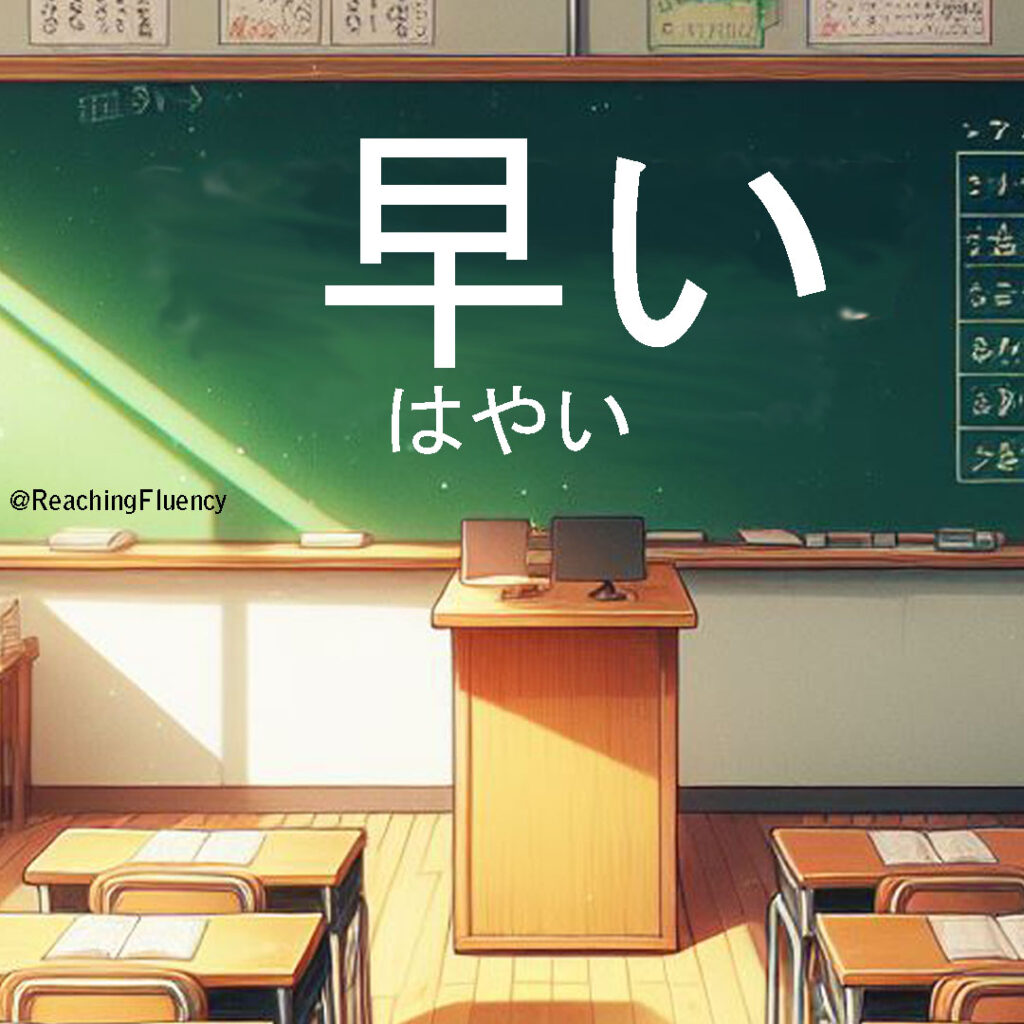
早い (はやい) – Fast
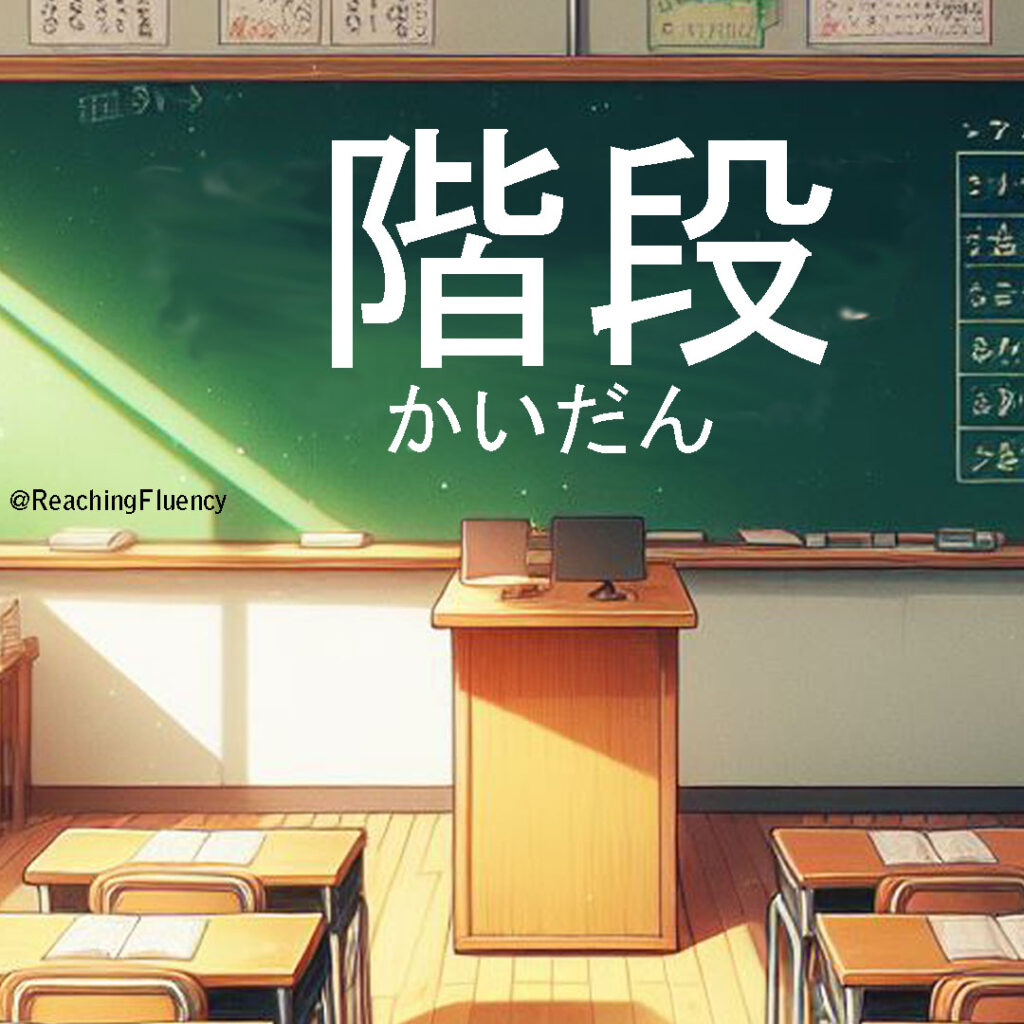
階段 (かいだん) – Stairs
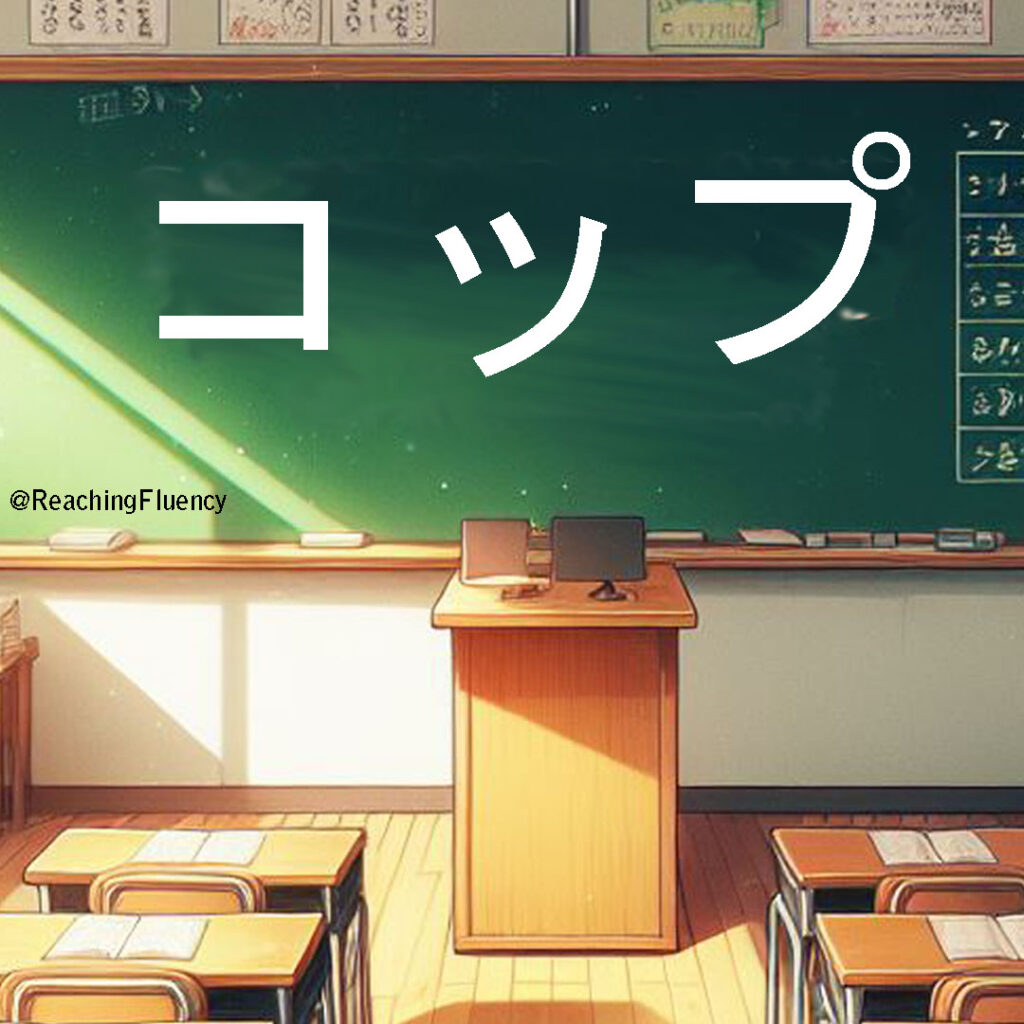
コップ – Glass (drinking vessel)
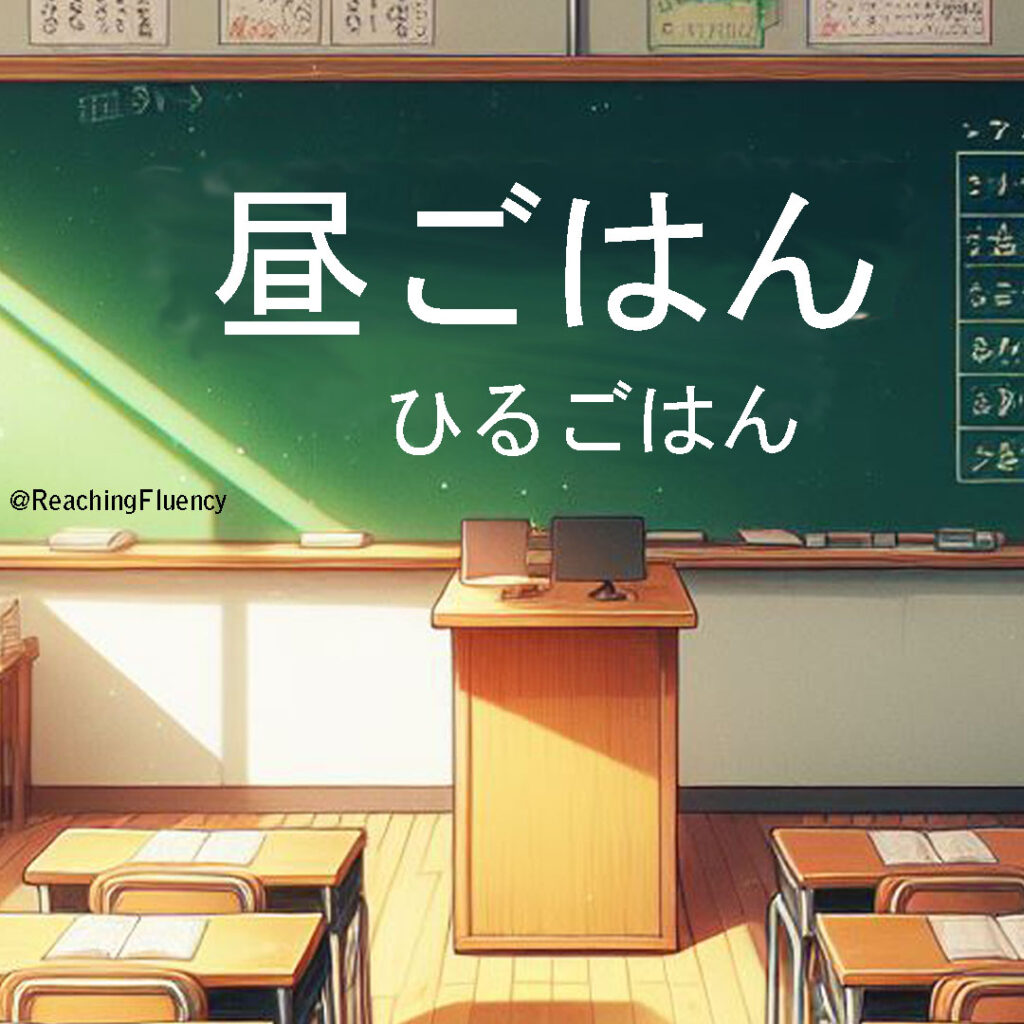
昼ごはん (ひるごはん) – Lunch
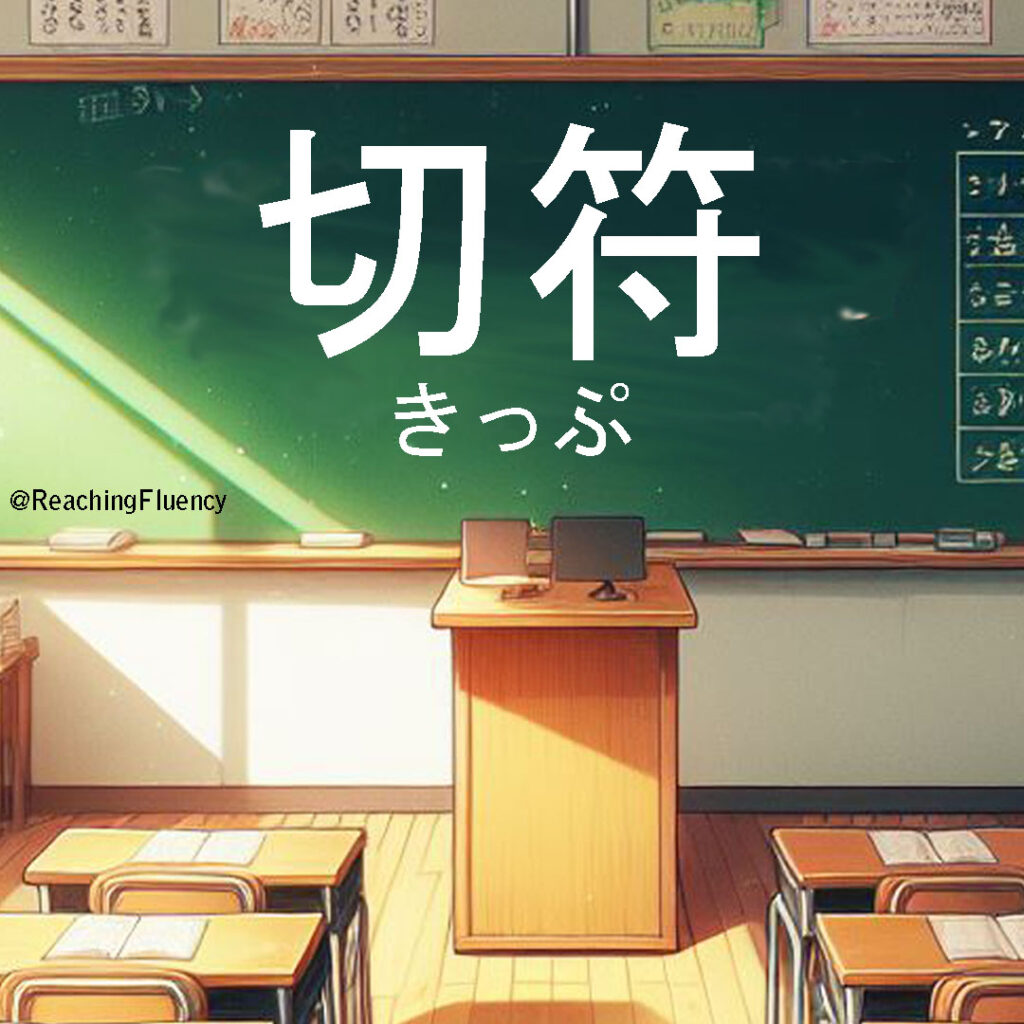
切符 (きっぷ) – Ticket
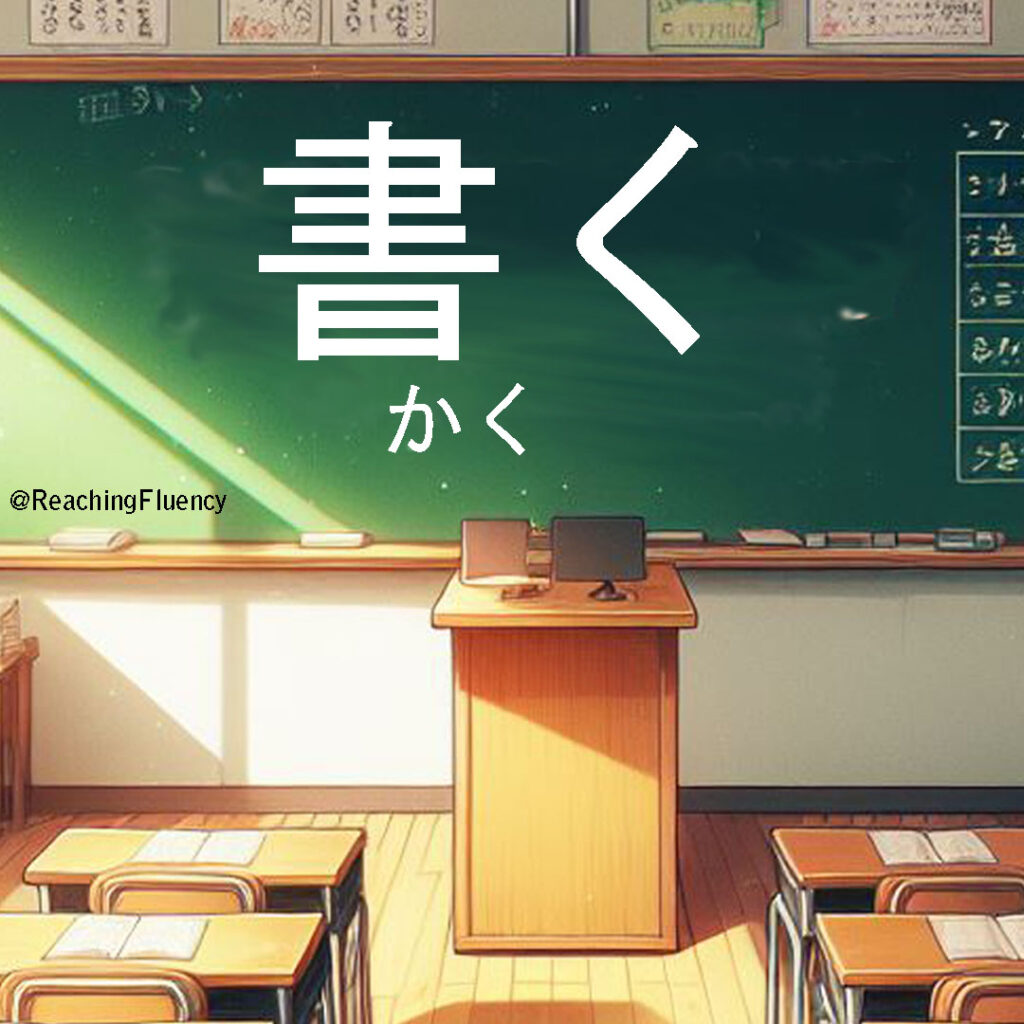
書く (かく) – To Write
Today’s Immersion Videos
It is taking me time to find/add more immersion videos. This section will be updated shortly!
Go To The Next Lesson: Day 19 –The に (Ni) Particle

Ian is the owner and main writer of Reaching Fluency. He is a native English speaker, French speaker and Japanese learner and general lover of language learning.
You can read more about him on his Authors Page or link with him on social media
日常英会話メール
ニュースレターを購読してください! - 参加無料
メールリストに参加すると、少なくとも週に 1 回 (場合によってはそれ以上) メールが届きます
メールは毎日の英会話で、読んで勉強することができます。
メールは短いですが役に立ちます。いつでも停止できます

