
Today we are looking at the De particle, which is the utilisation particle. It sounds more complicated than what it actually is, but you will see this appearing a lot, so it’s good to get an understanding of how it works.
Page Contents
The で (de) Particle
で(de)is the utilisation particle, which is another important sentence marker in Japanese.
Really it just shows that the noun that comes before it is “is being utilised to do something” …which doesn’t sound any clearer, so let’s look at an example.
バスでいきます( busu de ikimasu) this means “I go by bus”. You can see the で particle is after the word “bus” which tells us that this is the part that is being utilised.
So really you can see this sentence as “I utilise the bus, to go”. The で (de) is marking the bus; it is showing us that it is the bus that is being used, and then the rest of the sentence explains that is being utilised “to go”.
I know it’s very weird wording, but hopefully you can get the concept.
で (de) Is A Place Of Action
You might also hear this particle being called the “place of action marker”, but really it still a utilisation.
You can use a location do some sort of action. Again I am getting a bit vague with the wording, but the concept makes sense.
If we look at: 図書館で勉強する – I study at the library.
You can see that the で is marking the library …although you can see this more as “I utilise the library …to study”.
The Library is the palace of action, so that does make sense too, but it is also the noun that is being utilised. Then of course the rest of the information tells that studying is being done …but the で (de) shows us where this takes place as such.
When you bump into this particle being used in your immersion, it will make sense.
You will commonly see it used in this format: Subject は + location で + verb.
私はうちでねます- I sleep at home.
Home is being marked as the location with で …it can also be seen as what is being utilised. The home is being utilised for sleeping.
This particle is pretty straight forward once you get your head around the whole “utilisation” thing, but like I said, in the context of your immersion it will make more sense and with time you be comfortable with it.
It is just another one of those things where you need to see things through a slightly more Japanese lens, not direct English.
(Return To: The Full List of All The Japanese Lessons)
Today’s Vocabulary
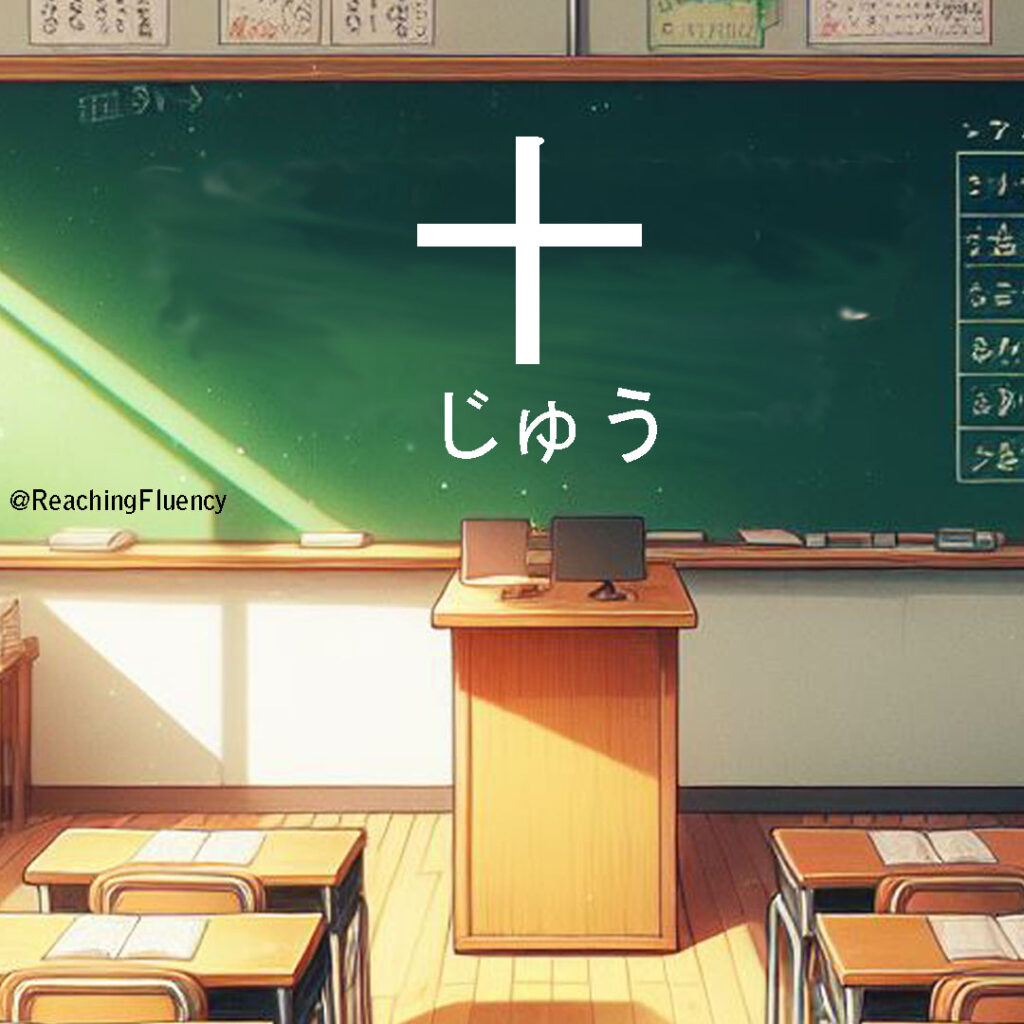
十 (じゅう) – Ten
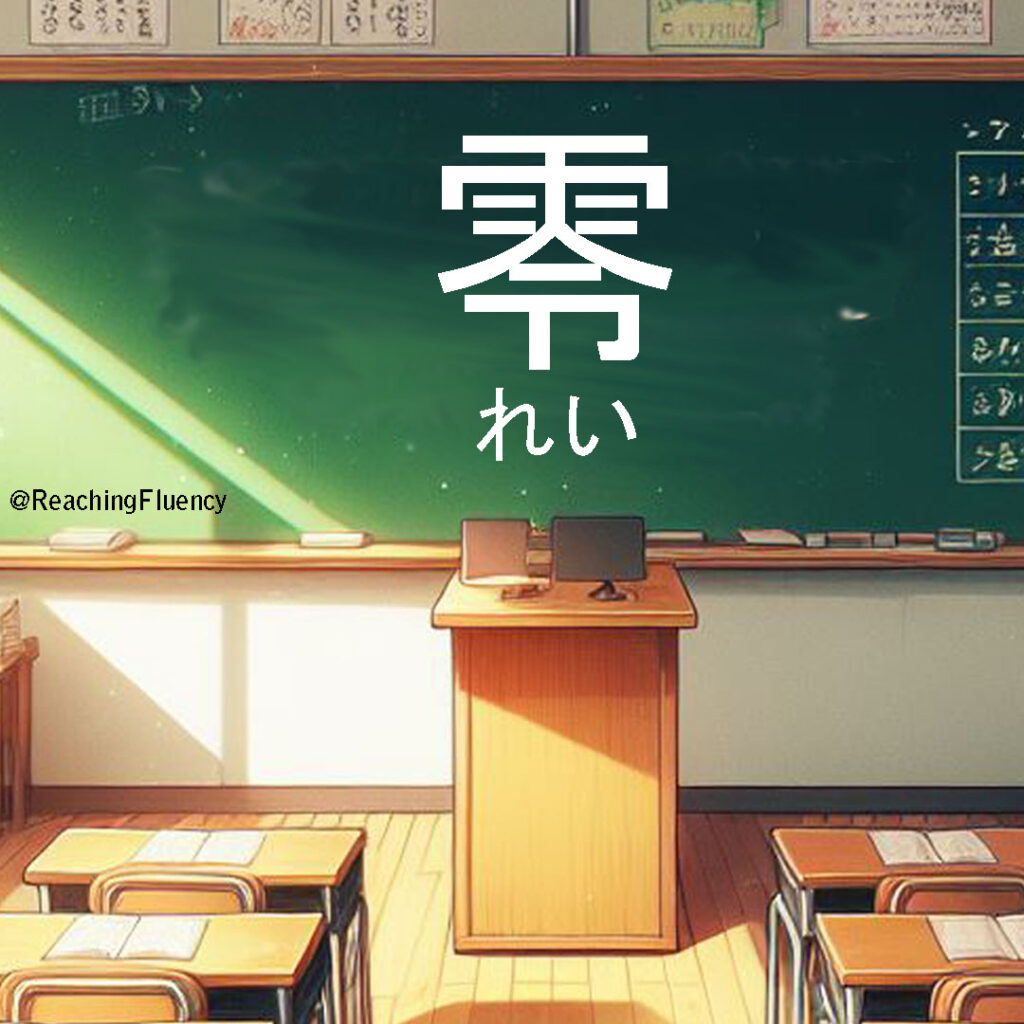
零 (れい) – Zero
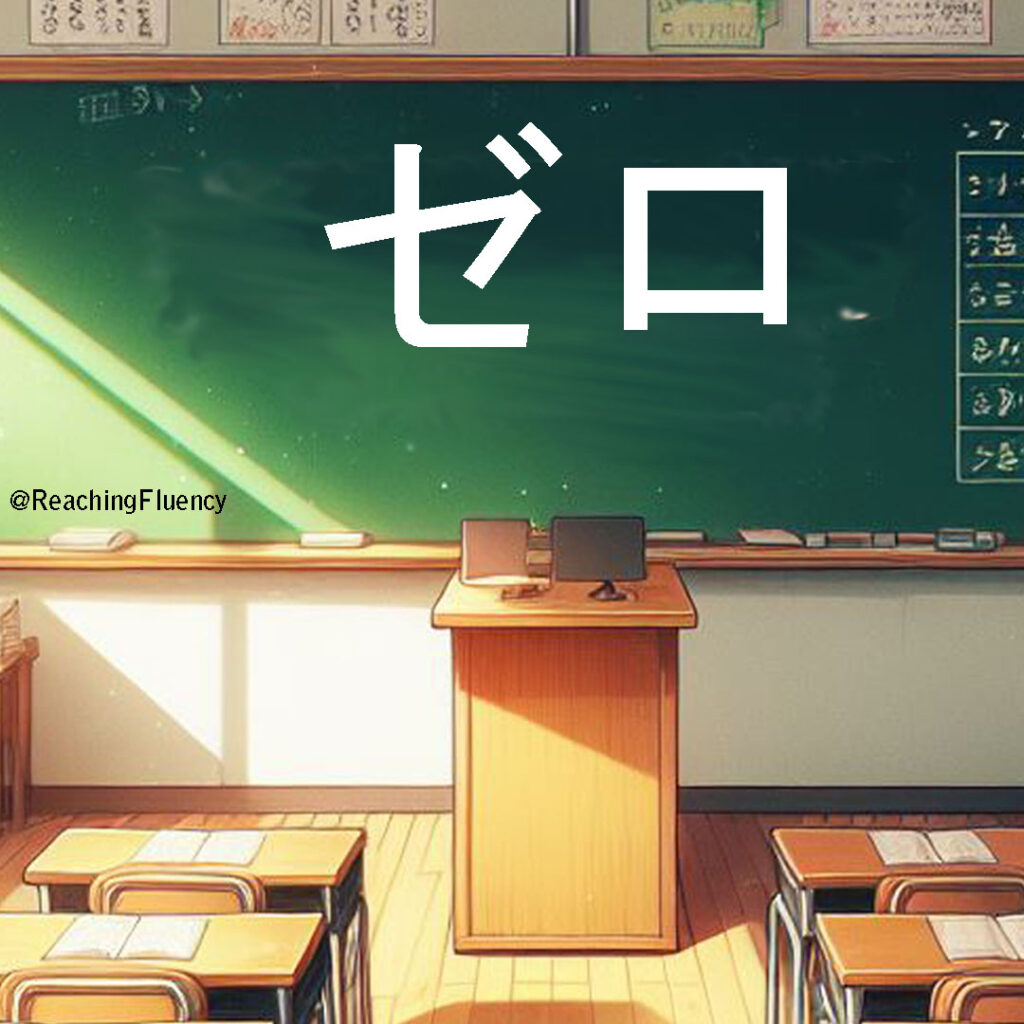
ゼロ – Zero
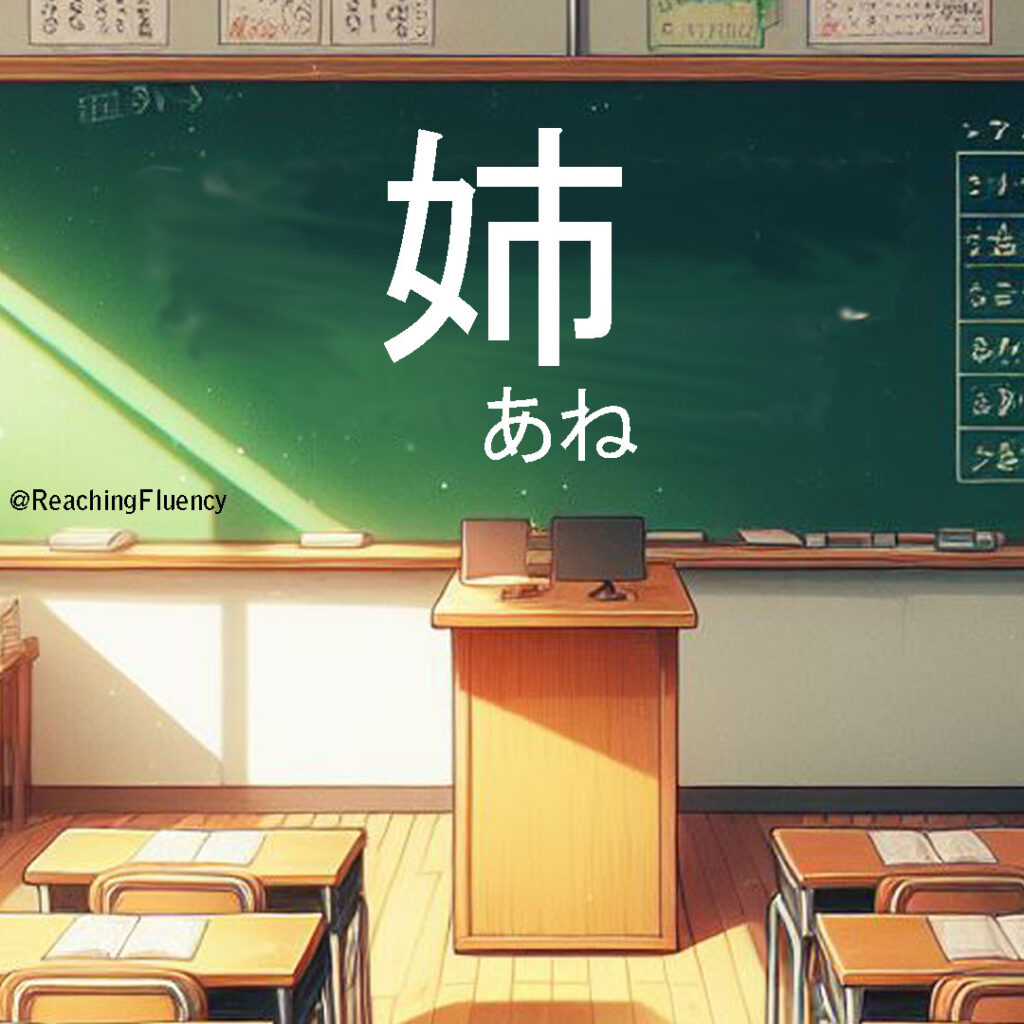
姉 (あね) – Older Sister
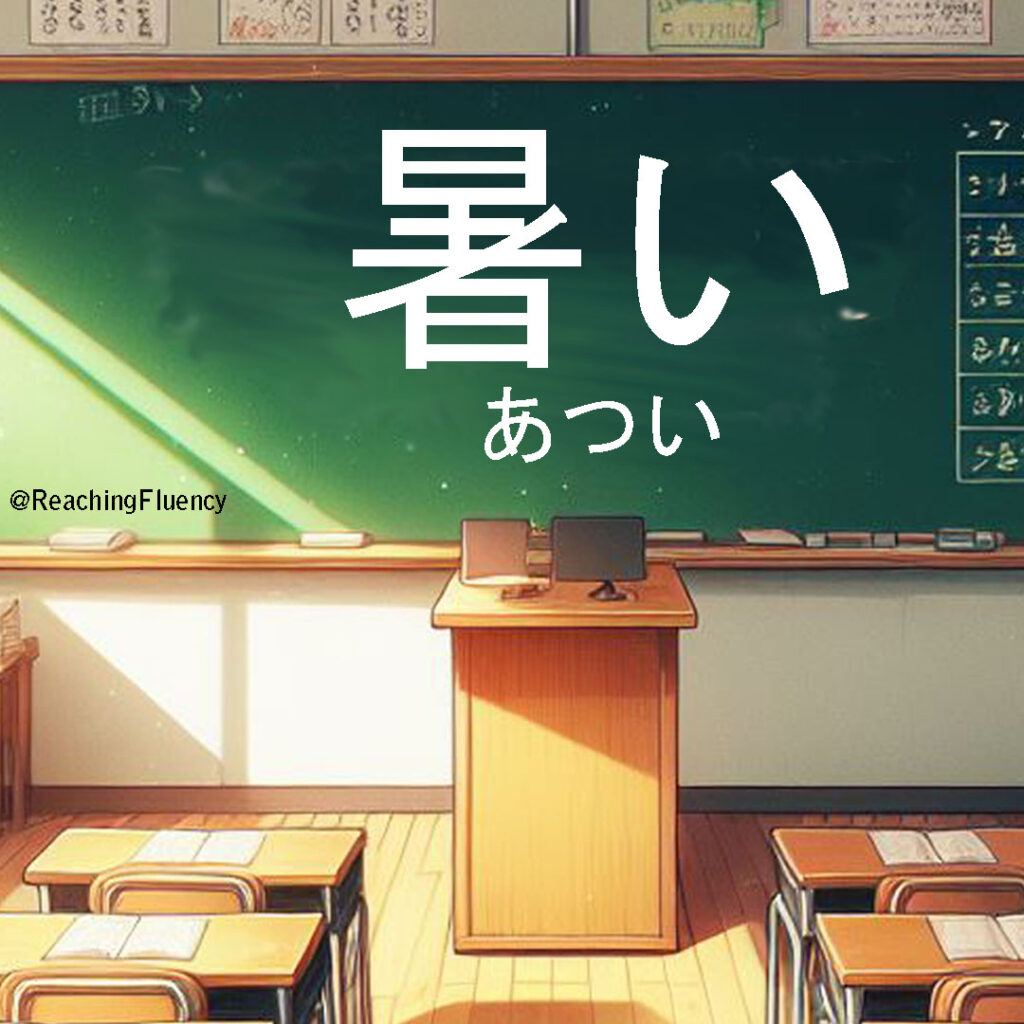
暑い (あつい) – Hot
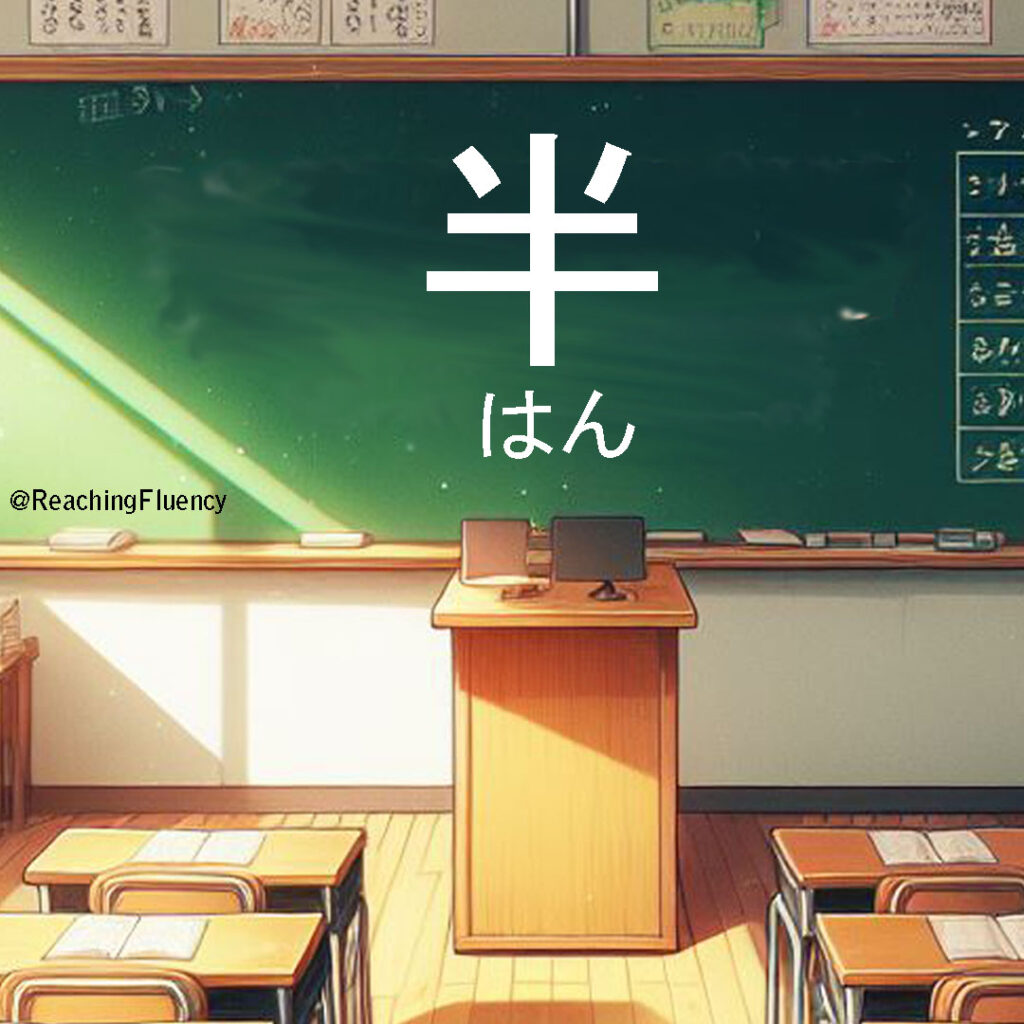
半 (はん) – Half
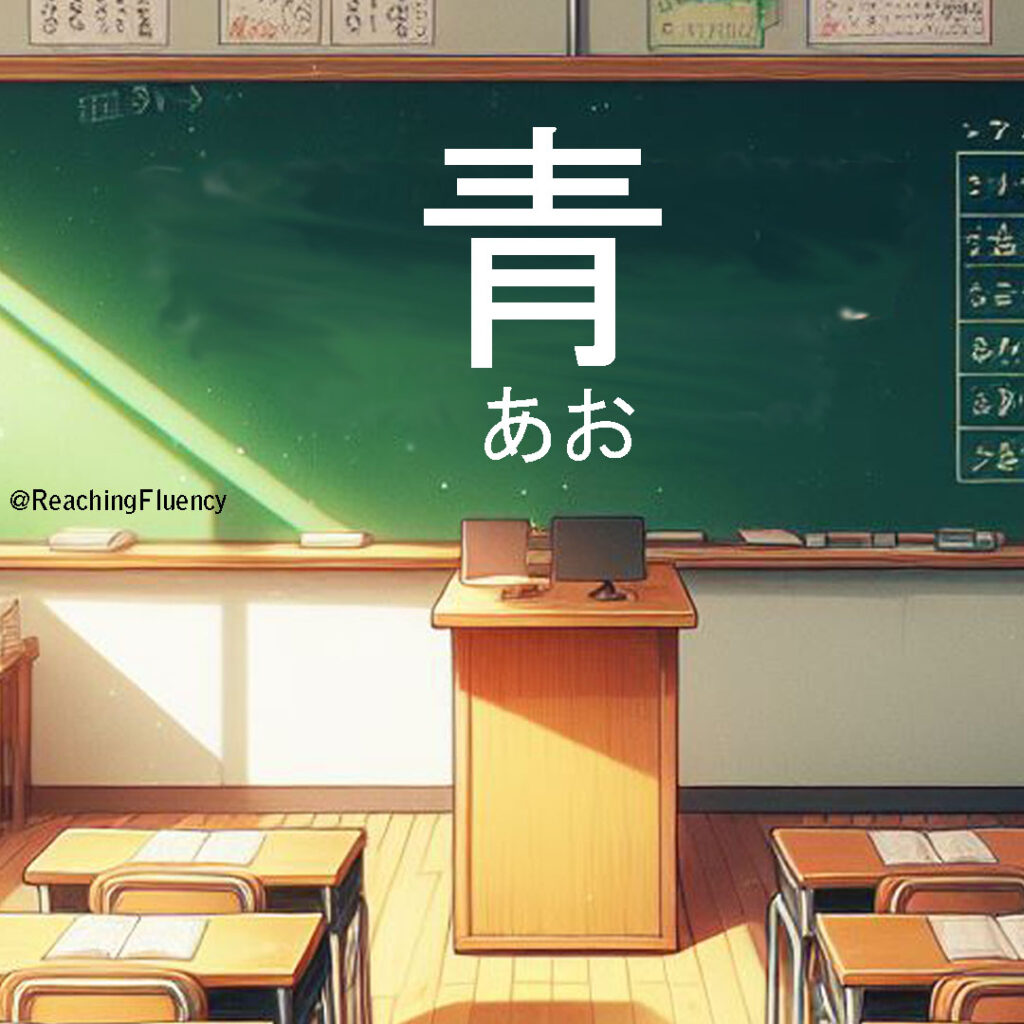
青 (あお) – Blue
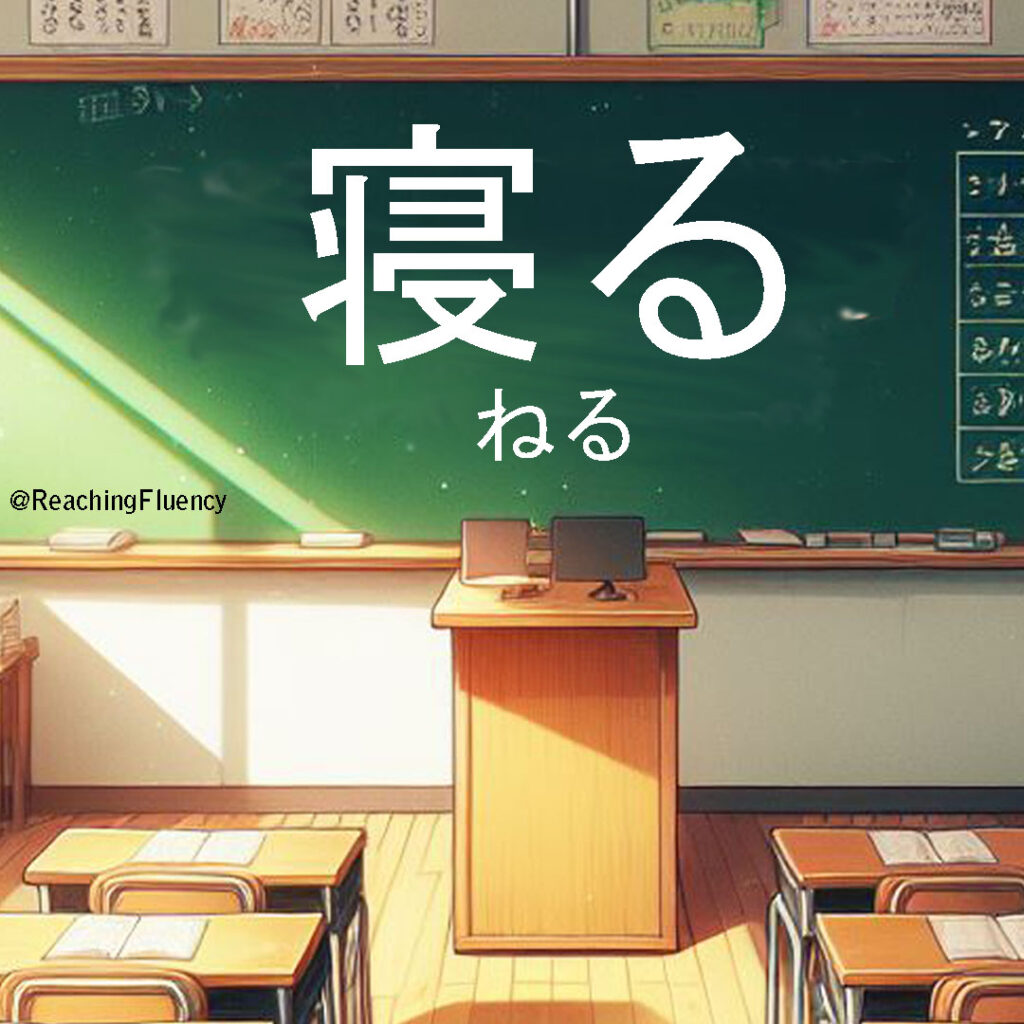
寝る (ねる) – To Sleep
Today’s Immersion Videos
It is taking me time to find/add more immersion videos. This section will be updated shortly!
Go To The Next Lesson: Day 18 – Irregular Verbs
Ian is the owner and main writer of Reaching Fluency. He is a native English speaker, French speaker and Japanese learner and general lover of language learning.
You can read more about him on his Authors Page or link with him on social media
日常英会話メール
ニュースレターを購読してください! - 参加無料
メールリストに参加すると、少なくとも週に 1 回 (場合によってはそれ以上) メールが届きます
メールは毎日の英会話で、読んで勉強することができます。
メールは短いですが役に立ちます。いつでも停止できます


Pingback: Japanese Day 16 - The て (Te) Form - Reaching Fluency