
Today we are looking at another big part of the Japanese language, the Te and Ta forms. This will be another long lesson, but the information isn’t too intense, there is just a lot to explain, so let’s get in to it.
Page Contents
Theて (Te) Form In Japanese
You will often her the about the て (Te) form, and understanding what it is, can be confusing, but it doesn’t need to be. Annoyingly it can be used for a few different things, which is why it can seem so unclear as to what it is, or what it does
Then て (Te) form can be used to make a request, connect verbs, ask for permission and also to prohibit things. This all sounds very vague, but basically you use the て (Te) form with verbs when you want to achieve one of the things I just mentioned. It will make more sense when I go through it below in more detail.
Then like most things in Japanese, you can say things in a more polite way. The て (Te) form in its more polite form would be まして (mashite). I am not covering that here today, but it’s good to be aware that it’s really the same thing as you will spot both versions in your immersion.
1. Using て (te) To Make A Request
A common way you will see て (Te) being used is to request something. Usually you would change the verb you are using into the て form and add on ください (kudasai) which means “please”.
This would then mean you are now requesting that “they please do something”.
For example – 食べてください – Please eat
(I will cover how to create the て form below)
2. Using て(te) To Connect Two Verbs Together
You will also see て(te) connecting two verbs together, usually like “verb て verb”.
You would use this when you wanted to say you did X THEN did Y. Such as “eating, then drinking”.
You could say that the て is almost like how a comma would work in English as you could say “eat, drink” in Japanese and it would work.
It would also work if you wanted to say “X and Y” so you can see て is quite versatile and means a few different things, although really they all roughly translate to the same thing, they are just linking two verbs.
For example: 食べて飲む – Eat and drink
It is important to note that the first verb should be in the て(te) form to connect it to the second verb …and then the second verb does not need to be in the て(te) form. (I will cover how to form it below)
Also, If you remember from day 12, I went over the と(to) particle, you would use this to connect two nouns …if you are connecting verbs, it’s て(te). This might only seem like a small difference, but it is important and you should look out for it.
3. Using て (te) To Ask for Permission
If you wanted to ask for permission, you can use a verb in the て(te) form, with もいいですか(moii desu ka), which will turn it into “Can I/ Is it okay to…”.
For example: 食べてもいいですか – can I eat / is it okay to eat?
You can drop the です(desu) and even the か(ka) to make things more informal, so long as you have a verb in theて (te) form and add もいい(moii), it will mean “is it okay to…”
4. Using て (te) To Prohibit Someone
If you want to prohibit someone from doing something, then you would use the て (te) form with はいけません (waikemasen).
This would give the verb a very strong meaning and it would be like “must not…”
For example – 飲んで-はいけません – Don’t drink/ You must not drink
This is very formal, but you will hear this and also see it on signs out in public. If you hear or see this, respect it.
How To Form Verbs Withて (te)
Changing verbs into the て (te) form is pretty straight forward.
Ichidan Verbs:
For Ichidan verbs you just have to remove the る(RU) ending and add て (te) …It’s that simple.
食べる – 食べて
Taberu – Tabete
Just remember that both words still mean “eat”, but having the word in the てform now allows you to use it in one of the four ways I described above.
Godan Verbs:
When you want to change a Godan verb into the て form, we need to go back to the 5 different types of verbs you can find within this group.
We then have to remove the current ending, and add on the following new て endings.
1. Verbs ending in – u, tsu, ru – Remove these ending and replace with って (small tsuTe) – The small tsu makes a small gap in the sound, so don’t forget it.
2. Verbs ending in – nu bu mu – Remove these ending and replace with – んで(nde) *note its de, not te here.
3. Verbs ending in – ku – Remove this and replace with – いて (ite)
4. Verbs ending in- gu – remove this and replace with – いで (ide) *again note its de, not te here.
5. Verbs ending in – su – remove this and replace with – して(shite)
There is one exception here, which is – 行く- to go. To change this you remove the く(ku) and add って(small tsuTe) – 行って
Then of course there is Suru and Kuru, but this should be no surprise as they are the two main exceptions, and I will cover how to change them into theて(te) form in another article.
The Godan verbs are a little annoying as there is a few different versions. This is going to be more important when you are trying to create the language yourself, for now, you should be able to notice that there is always a てor で involved, so you should be able to tell when this form is being used.
The Past Tense In Japanese – The た(Ta) Form
If you want to talk about stuff in the past tense in Japanese, then you need to know the て(te) form, that I’ve just covered above.
Now you know that, you can unlock the past tense, which really comes down to …swapping て(te) for た(ta).
If you want to make things more polite, it’s pretty similar. You would of course use ます(masu) in present tense, which becomes ました(mashita) if you want to use it in the past tense.
Forming た(Ta) With Ichiban Verbs
This is really as simple as replacing て(te) for た(ta).
So just follow the same rules as above by removing theる (ru), and just add た(ta) …now your verb is in the past tense.
食べる – Eat
食べた – Ate
Forming た(Ta) With Godan Verbs
This is also really simple; you just need to replace the て (te) for た (ta). (or replace de with だ)
1. Verbs ending in u, tsu, ru – Remove these and add った (small tsuTa)
2. Verbs ending in nu, bu, mu – remove these and add – んだ (nda) *note its da here.
3. Verbs ending in ku remove this and add – いた (ita)
4. Verbs ending in gu – remove this and add – いだ (ida) *again, note that its da
5. Verbs ending in su – remove this and add – した (shita)
So the た(Ta) form really is the same as the て (te), and if you can learn one, you have automatically unlocked the other by simply switching one letter.
Now you can change any verb into the past tense.
The Continuous Present Form In Japanese
The continuous present form (sometimes called the progressive form) is something we need to kirunow.
It sounds complicated, but really it just means that something that is happening now (I am eating) or that it is in the state of something (he is dead).
I’ve probably just made that sound more confusing, but when you think it through, it makes sense. It is just one of those times when the literal translation needs to be a little loose to understand it.
This form uses the verb いる(iru) as its helper verb, which we know means “to be” …so really when you are using this continuous present form …are saying that you are “being in the state of” for example “being in the state of eating”. If we translate this to more normal English, we are saying it is happening right now …We are eating.
I think we can usually grasp the concept of eating as something “we are in the state of being”, but things get a little more confusing with other verbs, such as being “in the state of dead” or in the state of married.
However, these work in the same way, we just wouldn’t translate these into English with a –ing ending. You are just dead or married … but it’s still happening now, you are still now married/dead as such. You are in that state of being.
It can seem a little confusing, but you will get used to it.
How To Form The Continuous Present
Changing verbs into the continuous present state is very easy, and again you need to know how to create the て(Te) form.
Ichiban Verbs:
This is as simple as removing the る(ru) and addingている (te iru)
You will often see this as てる (teru) in casual language (the いis dropped) so look out for that. It means the exact same thing; it is shortened for some reason.
たべる – Eat
食べいる – Eating
Godan Verbs:
This is again very straight forward. You just need to change the verb into the て form as I have explained above. Each different ending has its own slight difference … and then you add いる (iru) on to the end.
This really shows how important theて form is, as it allows you to create this “-ing” continuous present form, as well as the past tense as I discussed above.
Altering The いる(iru) Ending
As I just showed above, you can use いる as a helper verb along with the て form, but as this is a “verb” it can also be altered into different forms too, so I will go through some common alterations you may see so you can understand where they have come from.
The Formal Version
The more formal version is ています (te-imasu)
食べています- Eating (more polite)
You will see this version a lot in your immersion as Japanese people are just overly polite.
The Negative Form
The negative forms is -ていない (te-inai)
食べていない – Have not eaten
The Formal Negative Form
The formal negative version ていません (te-imasen)
食べていません- Have not eaten (more polite negative form)
The Past Tense
If you wanted to put ている (te iru) into the past tense you would use -ていた (te-ita)
食べていた – Was eating
The Formal Past Tense
The more formal past tense would be – ていました (te-imashite)
食べていました – Was eating (more polite)
There are other variations of theて (te) form too, but we will not look at them today. We have covered quite a lot here, so just go through it until it makes sense and as always, be on the lookout for all of this in your immersion.
It shouldn’t take you too long to start spotting it as these forms are used a lot.
(Return To: The Full List of All The Japanese Lessons)
Today’s Vocabulary
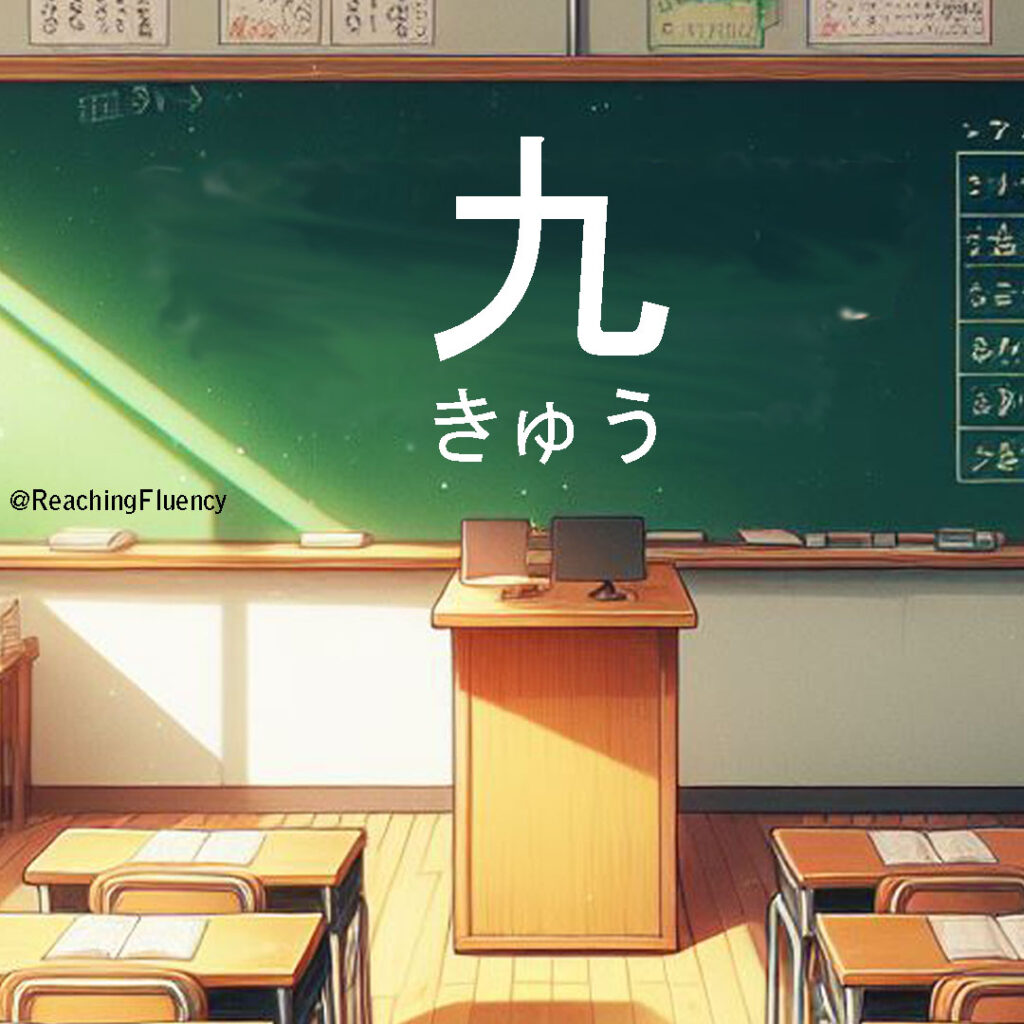
九 (きゅう) – Nine
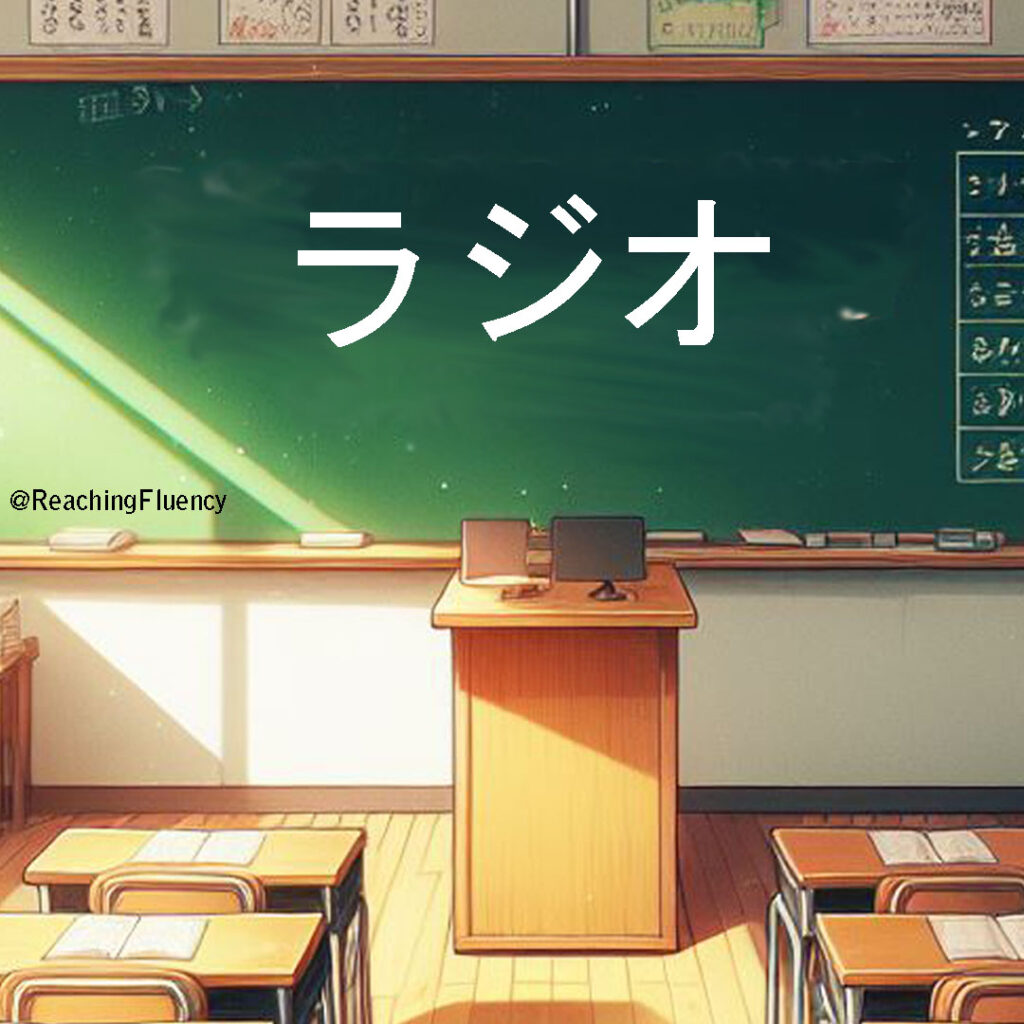
ラジオ – Radio
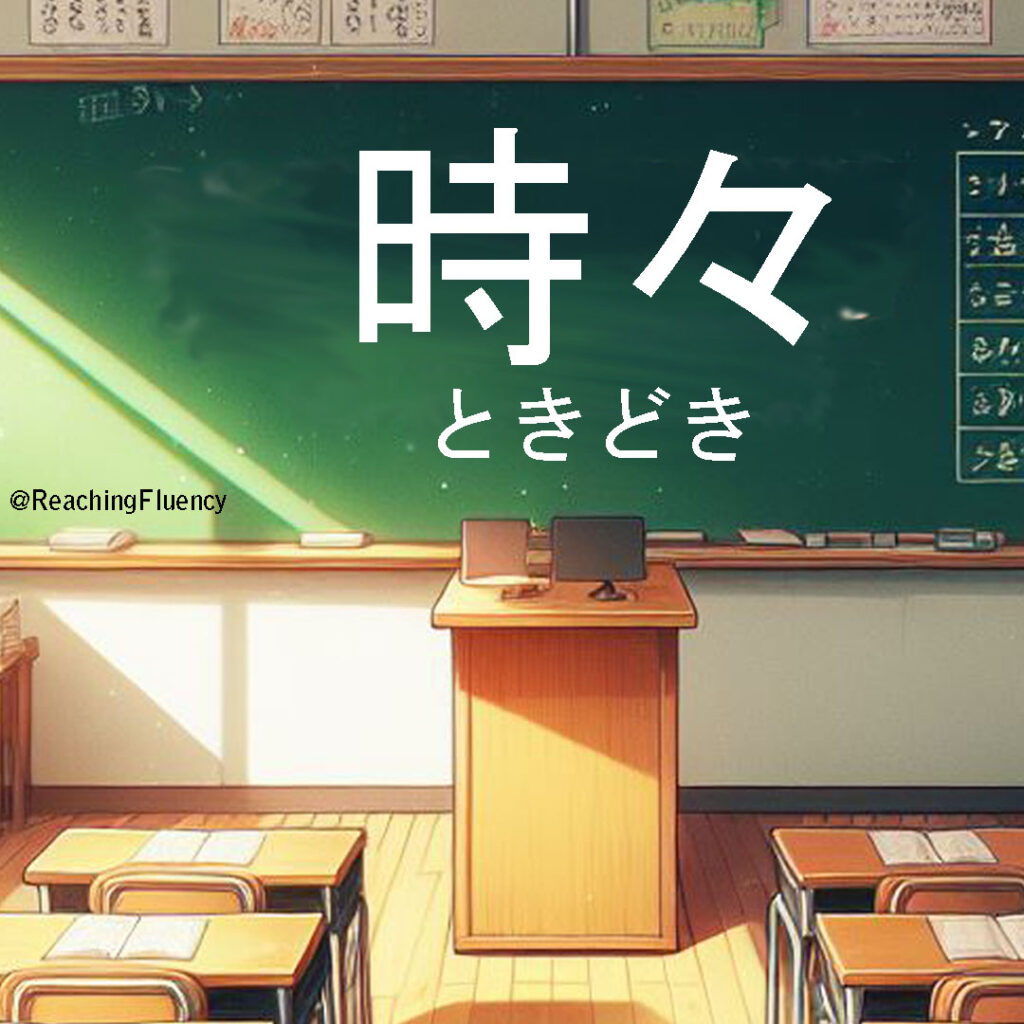
時々 (ときどき) – Sometimes
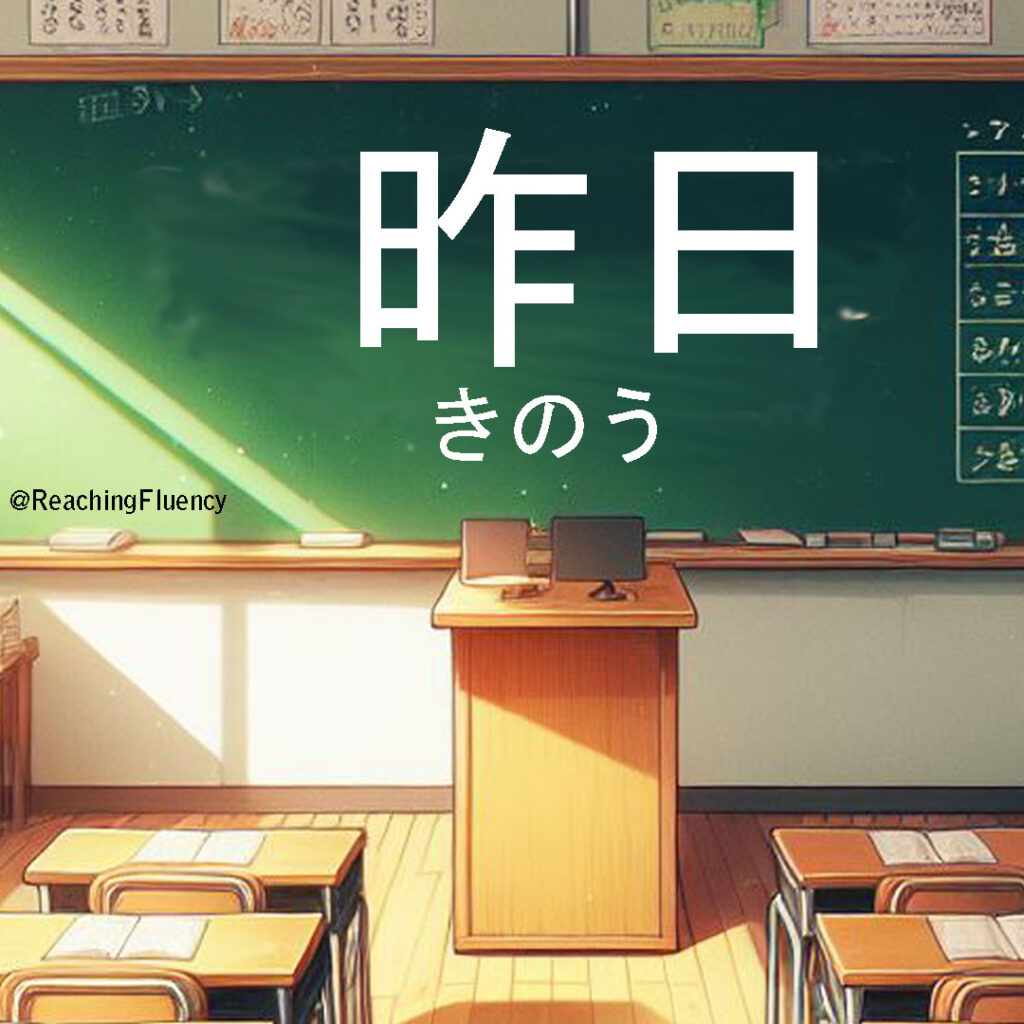
昨日 (きのう) – Yesterday
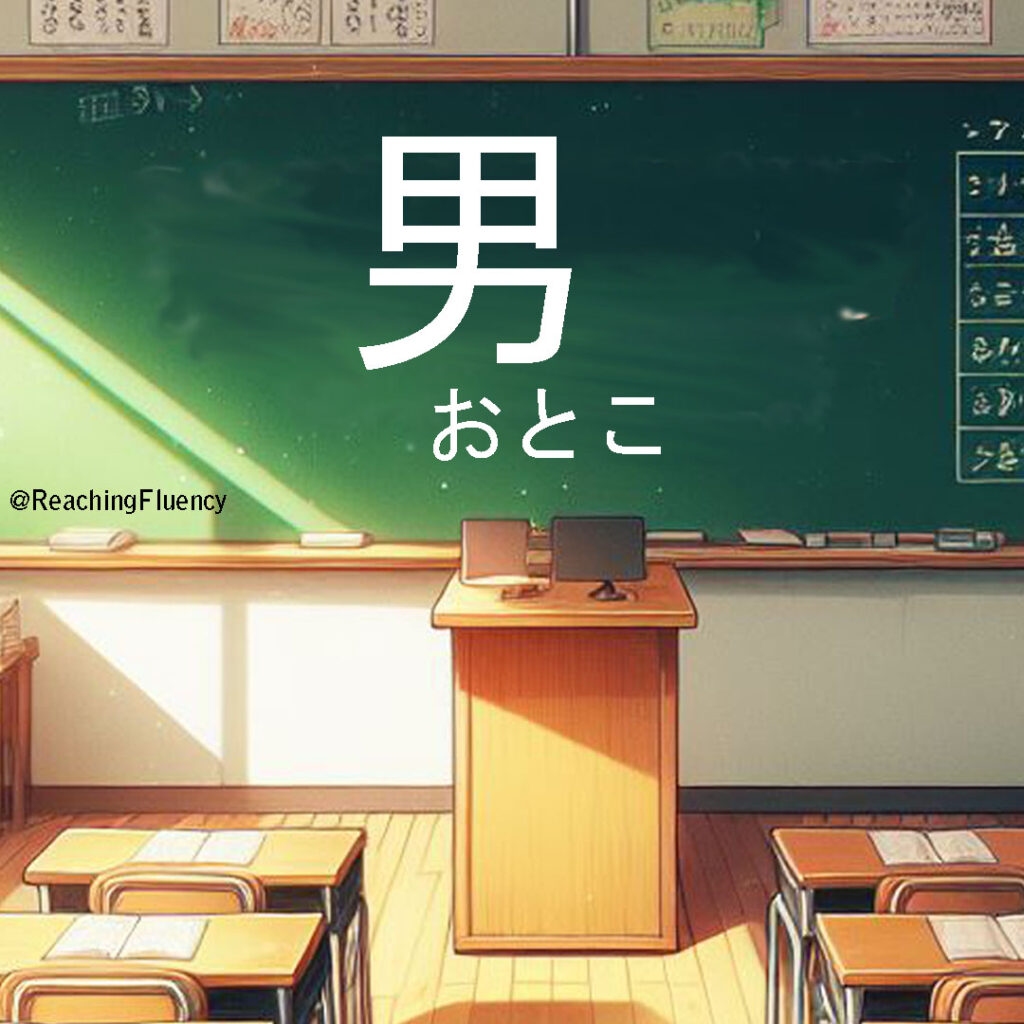
男 (おとこ) – Man
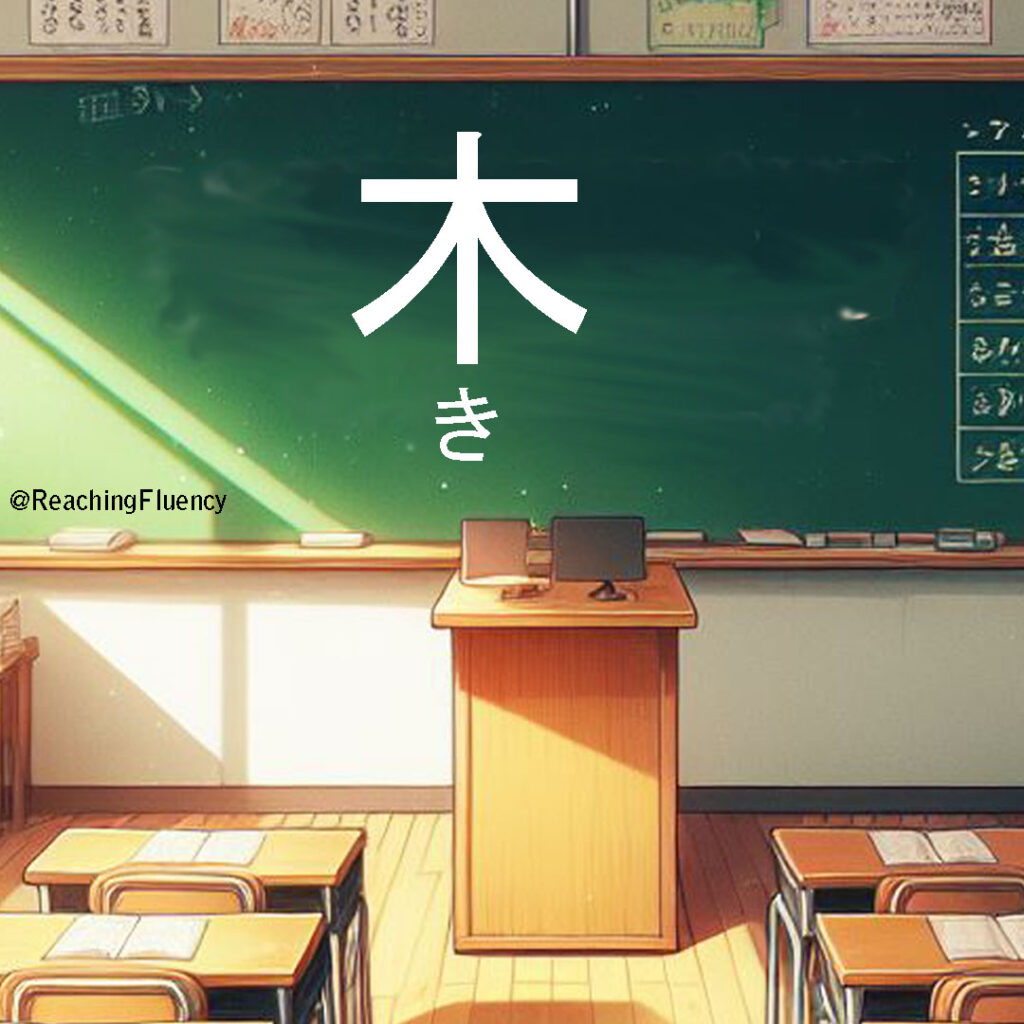
木 (き) – Tree
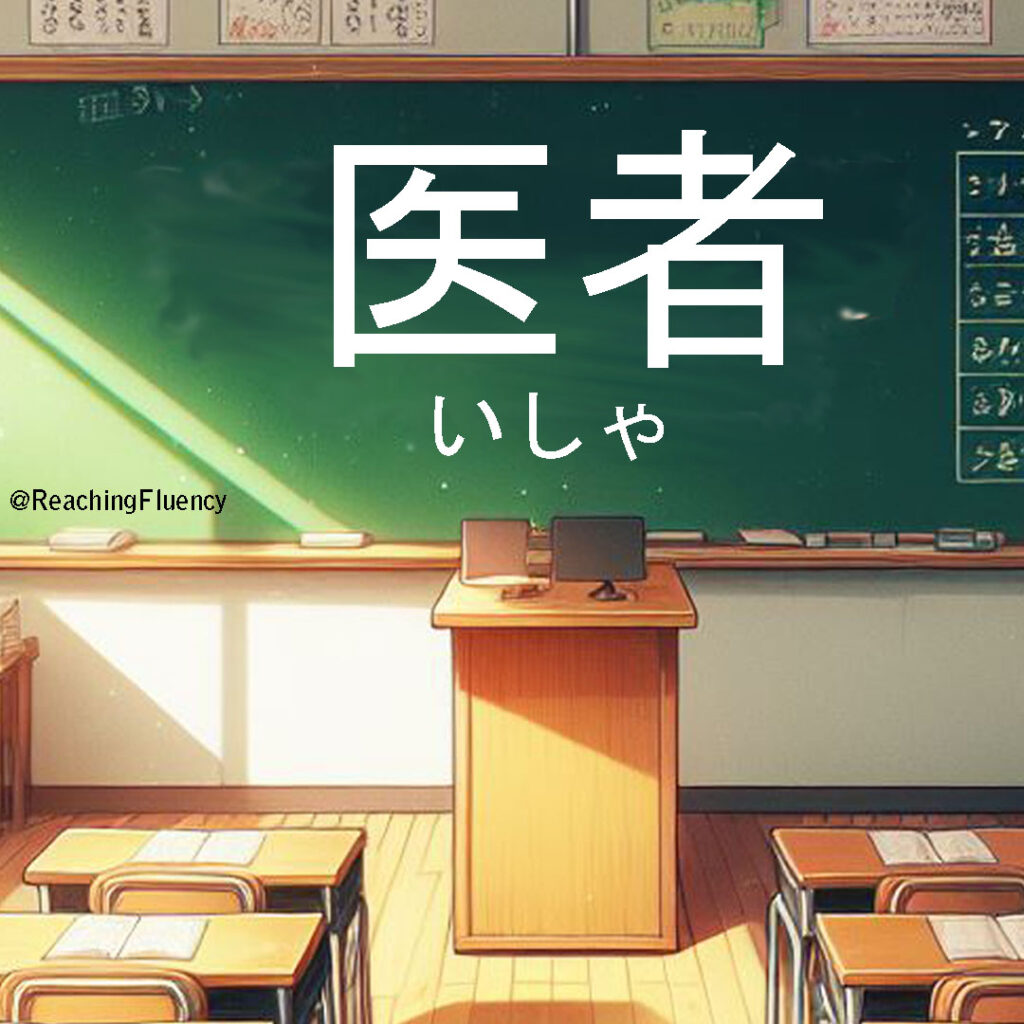
医者 (いしゃ) – Doctor
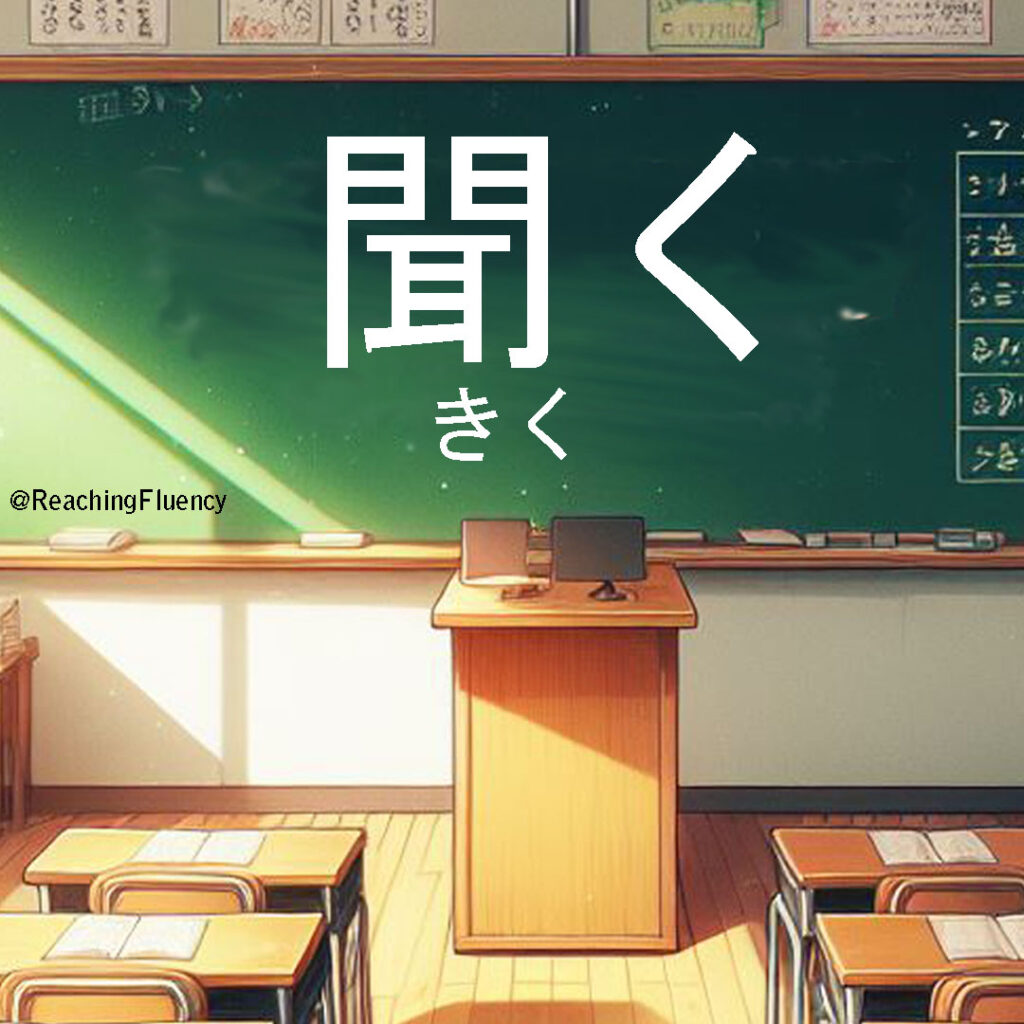
聞く (きく) – To Listen/Hear
Today’s Immersion Videos
It is taking me time to find/add more immersion videos. This section will be updated shortly!
Go To The Next Lesson: Day 17 –The で (De) Particle
Ian is the owner and main writer of Reaching Fluency. He is a native English speaker, French speaker and Japanese learner and general lover of language learning.
You can read more about him on his Authors Page or link with him on social media
日常英会話メール
ニュースレターを購読してください! - 参加無料
メールリストに参加すると、少なくとも週に 1 回 (場合によってはそれ以上) メールが届きます
メールは毎日の英会話で、読んで勉強することができます。
メールは短いですが役に立ちます。いつでも停止できます

