
Today we are looking at the other main group of Japanese adjectives – Na adjectives. These types of adjectives work in the same way, as in they are used to add more description to things, but how they are formed or altered is slightly different.
We have already looked at the い adjectives on Day 3, so after today you will know how to deal with any adjective in Japanese.
Page Contents
な (Na) Adjectives
The なadjectives work a little differently to the いadjectives, but the core principle is the same, they both add more detail to something.
However, theなadjectives are basically nouns …that you can turn into an adjective. (Where as い-adjectives are only adjectives).
To help convert these nouns into adjectives we simply add な (Na) to the end of the word. It really is that easy.
For example:
すき – like, becomes すきな – liked
We Need To Add A Declarative
If you remember the rule with い-adjectives, they had the declarative build in. Theい at the end acts as a self contained “is”.
This is not the case with な adjectives, since really they are nouns, which means you would need to add だ or です(da/desu)if you wish to use the word alone.
The good news is that you don’t need to alter it in any way you just add the だ /ですand you have an “is…whatever the adjective is” sentence.
上手 – good/skilful
上手です – IS good/ skilful …this would actually be a complete grammatically correct sentence now.
Modifying Other Nouns With な (Na) Adjectives
If you want to use one of these な adjectives in conjunction with another noun, to give it more detail, you simply link the two by placing な (na) in between.
(For い-adjectives you would just stick the adjective in front of the noun, such as – かわいい猫kawii neko – Cute cat )
For example:
活発な猫 (genki na neko) – Lively cat
裕福な猫 (Yūfuku na neko) – Rich cat
You just put the modifier (the adjective) before the noun to add the detail and the great thing is that the な does the same job as the だ (da) here, it acts as the declarative. So you are saying “wealthy (is) cat” by adding the な, and the sentence is now grammatically correct.
Without the な, the sentence doesn’t work, unlike いadjectives where it will, you don’t need any na’s or da’s, as theい does the function of the な.
The な (Na) Adjective Exceptions
As I’ve said before, Japanese has very few exceptions and the following 3 words are exactly that. It is not every complicated, basically these 3 words look like い adjectives …because, well they end in い.
However they are in fact な adjectives and must be treated as so.
Disliked – けらい
Pretty – けれい
Famous – ゆうめい
So really you just need to need learn these 3 so you can ignore the い ending and instead add な if you are joining it to another noun and of course if you are just wanting to use it on its own, you would need to add the だ or です (da/desu ) at the end to make it have an “is”.
All very simple, but 3 words you may come across frequently enough, so it’s good to know they are slightly different.
I am also sure there will be one or two more that fall into this group, but they are not too common, and you will notice they are different if you do stumble upon them.
な (Na) Adjectives Negation
If you want to make the negative form of a な adjective, it’s very easy. As they are nouns, you can just treat them exactly the same which means you add じゃない (Janai) at the end.
静か – Quiet
静かじゃない – It’s not quite
You can of course also add です (desu) to make it polite, so you would add – じゃないです (janai desu).
静じゃないです- It’s not quite (polite)
Like the い adjectives you can change the ない (nai) part of this negative form, to the more formal, じゃありません(Ja arimasen) which would just be a very polite negative.
静じゃありません – it’s not quiet (more polite version)
(Return To: The Full List of All The Japanese Lessons)
Today’s Vocabulary
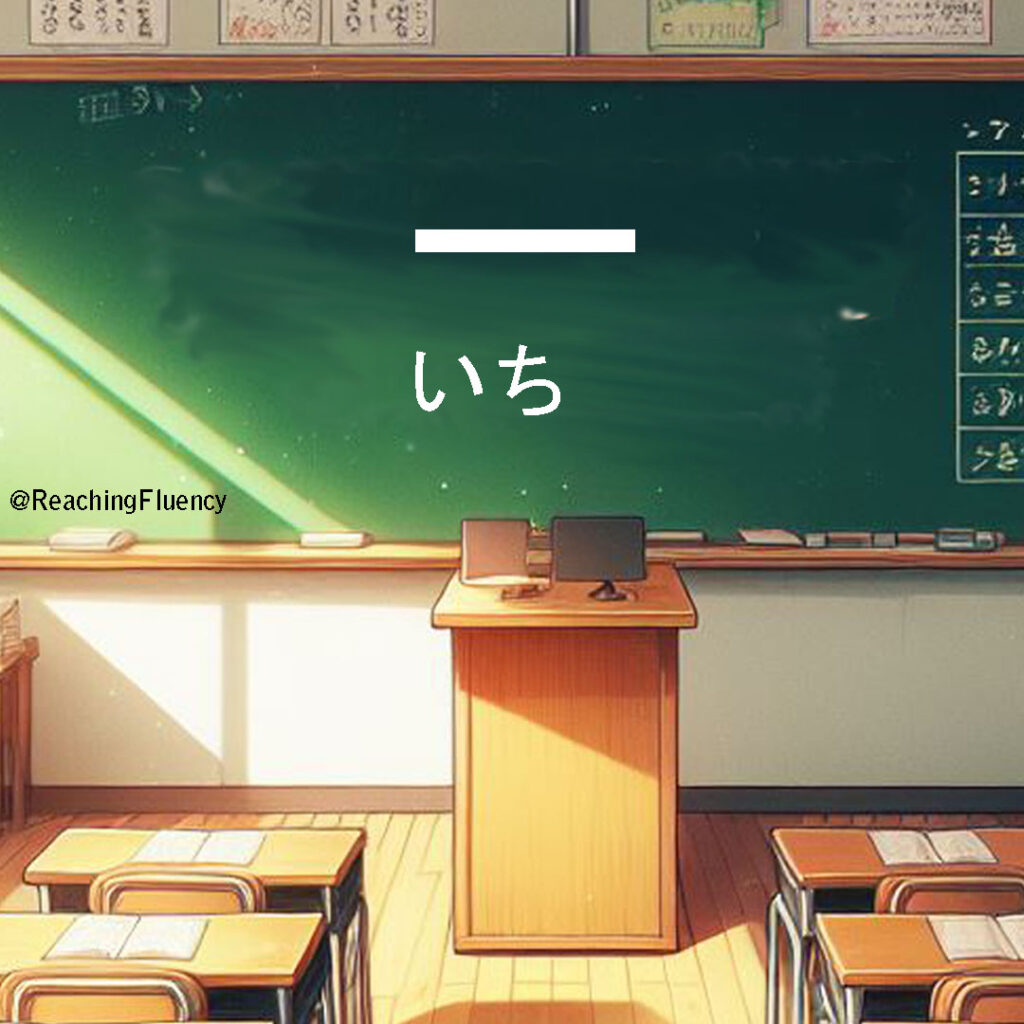
一 (いち) – One
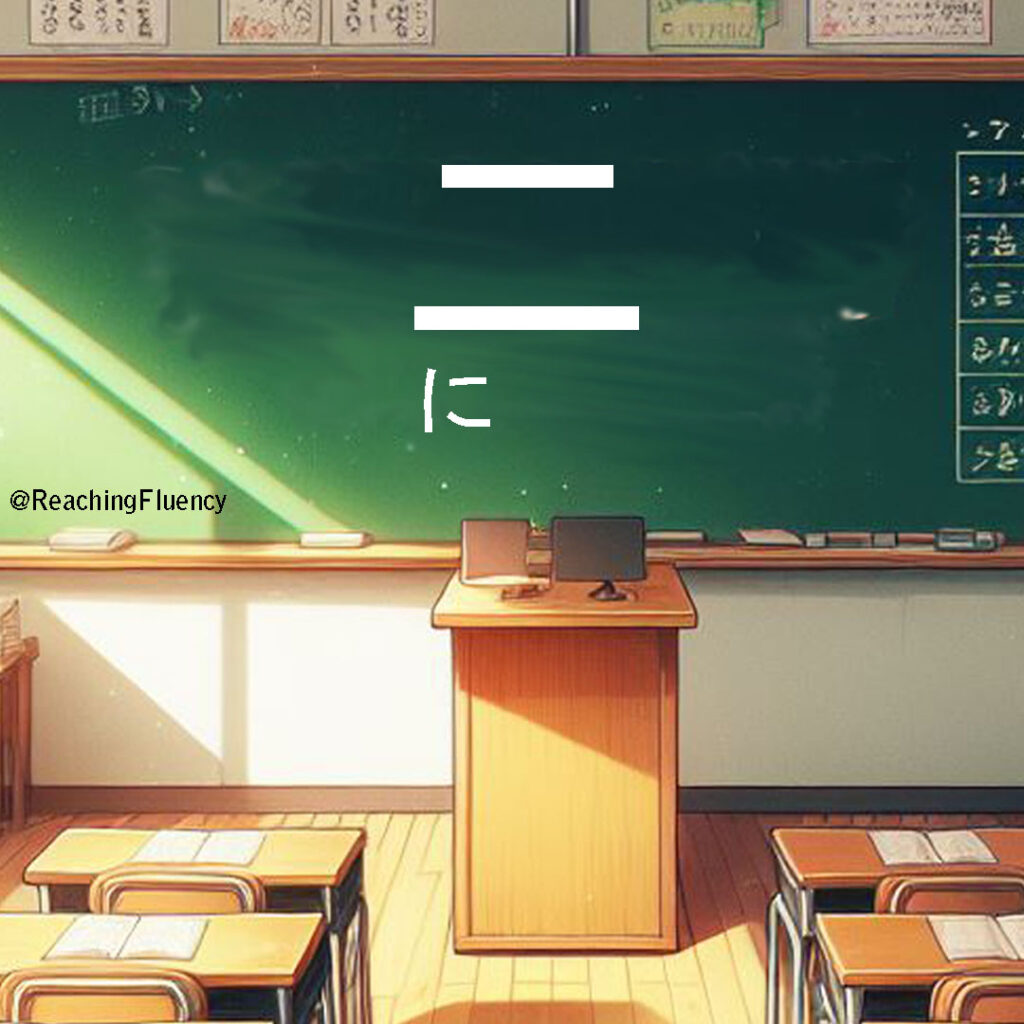
二 (に) – Two
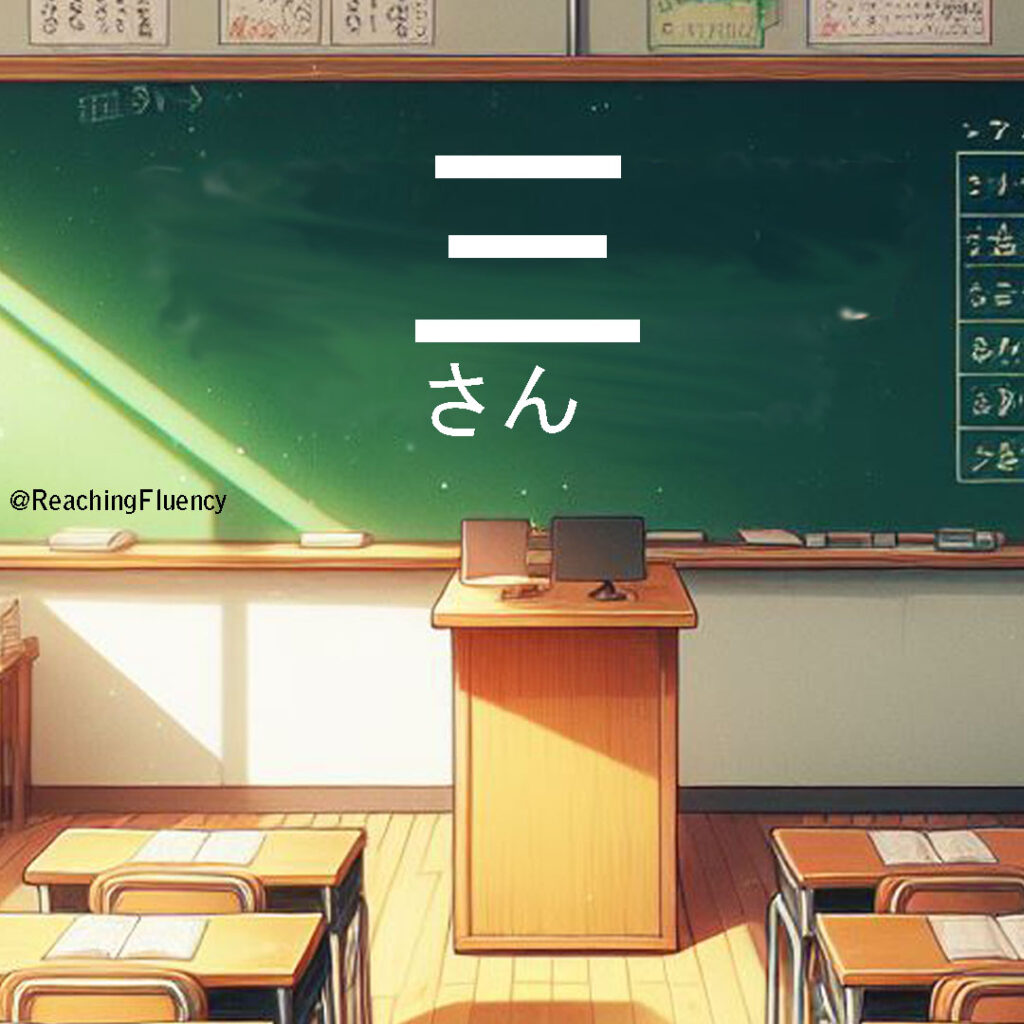
三 (さん) – Three
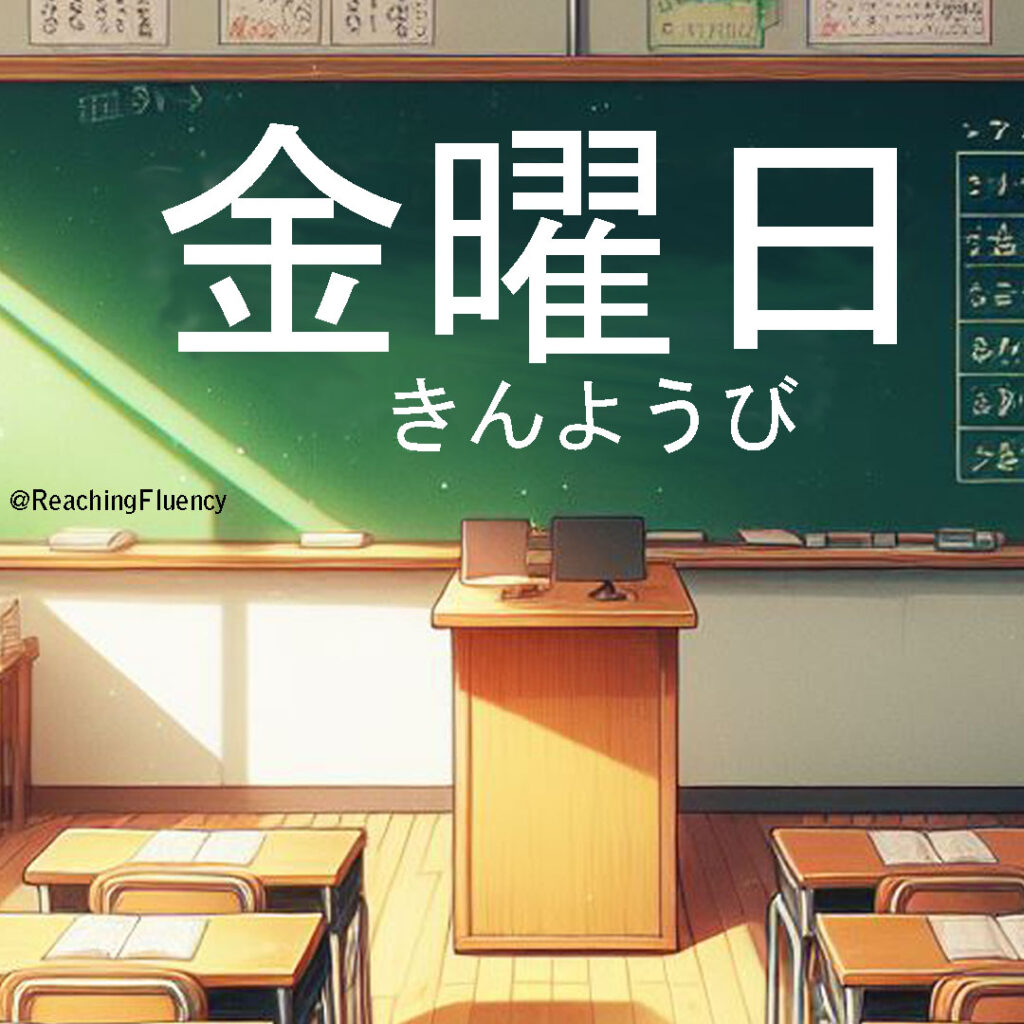
金曜日 (きんようび) – Friday
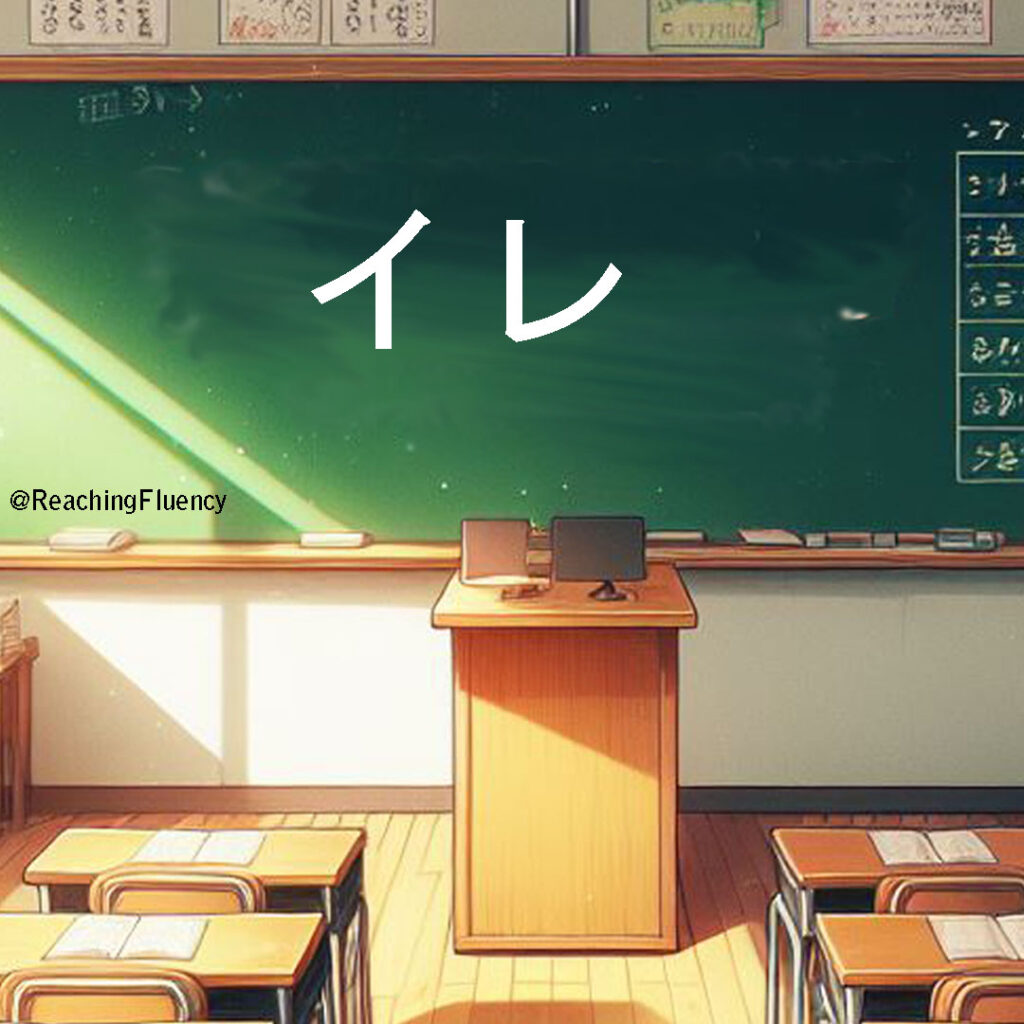
イレ – Toilet
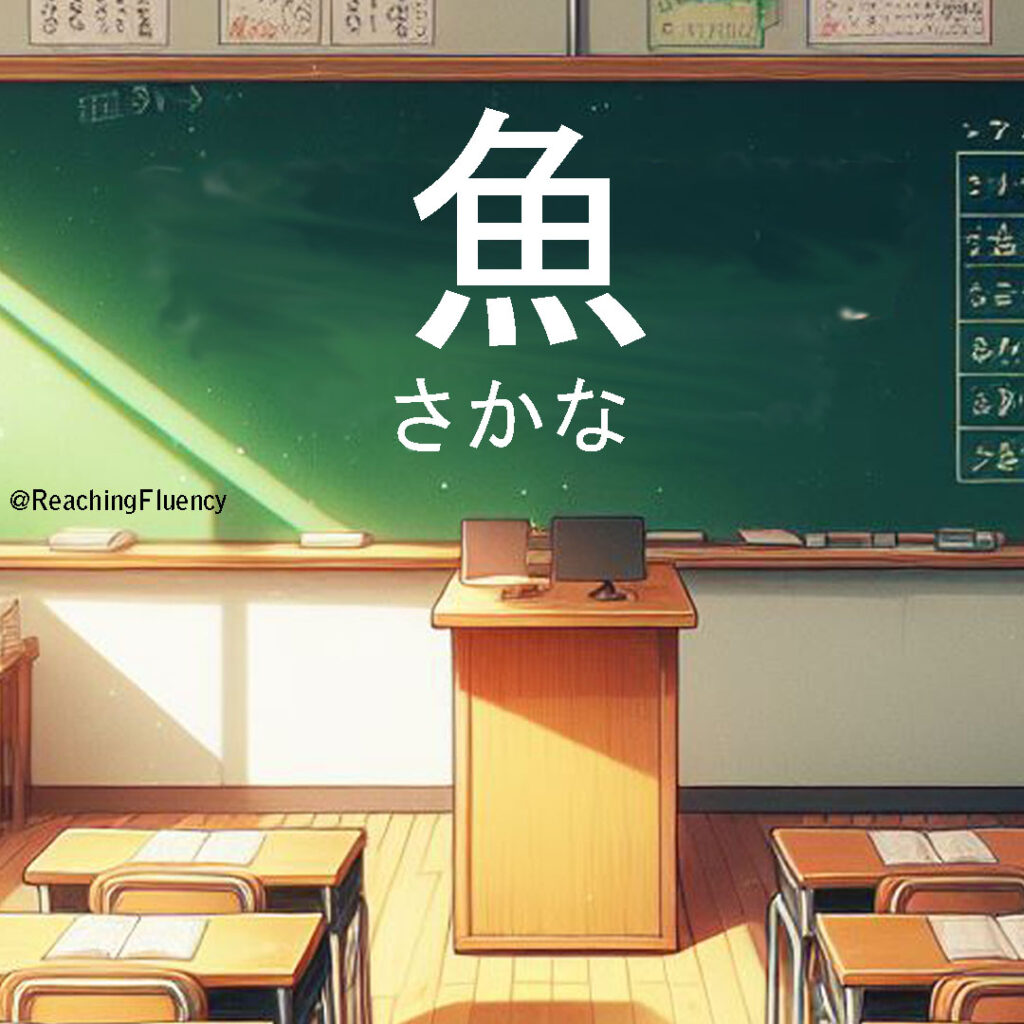
魚 (さかな) – Fish
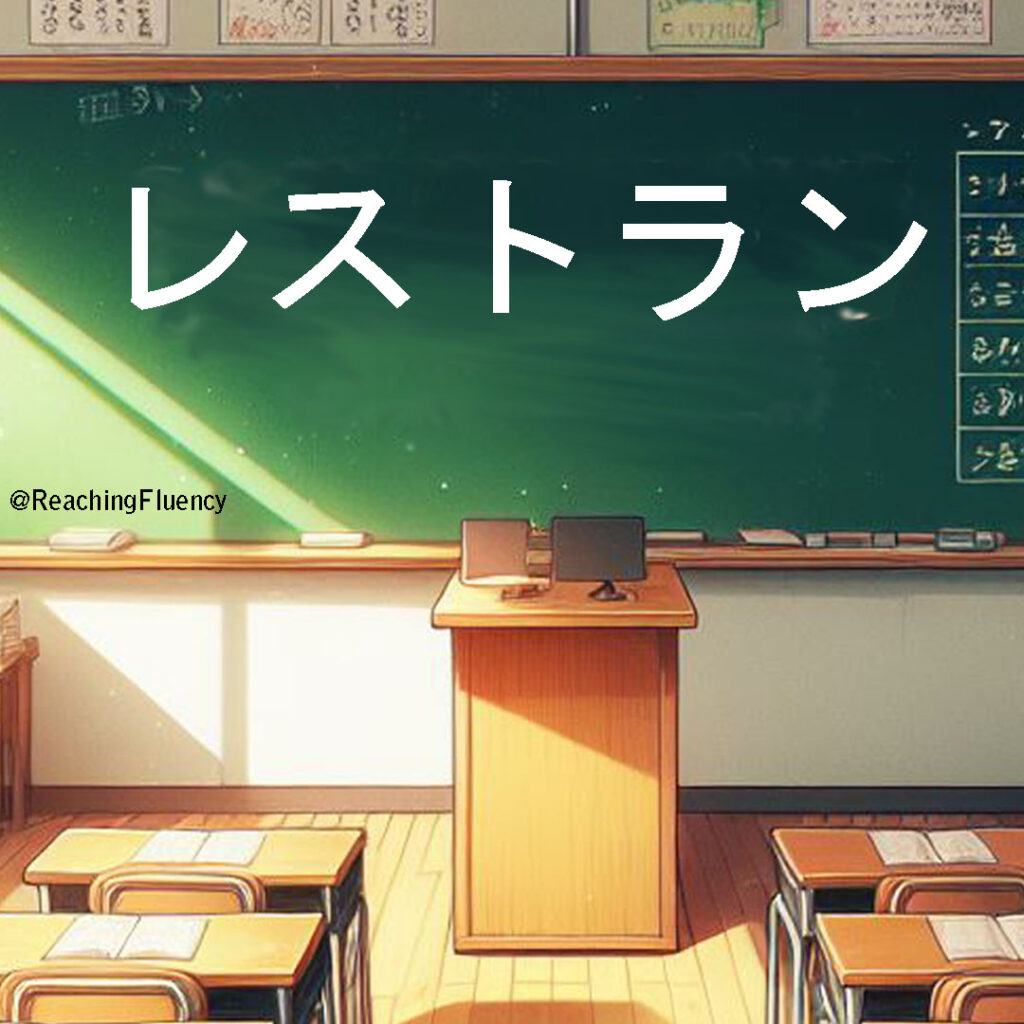
レストラン – Restaurant
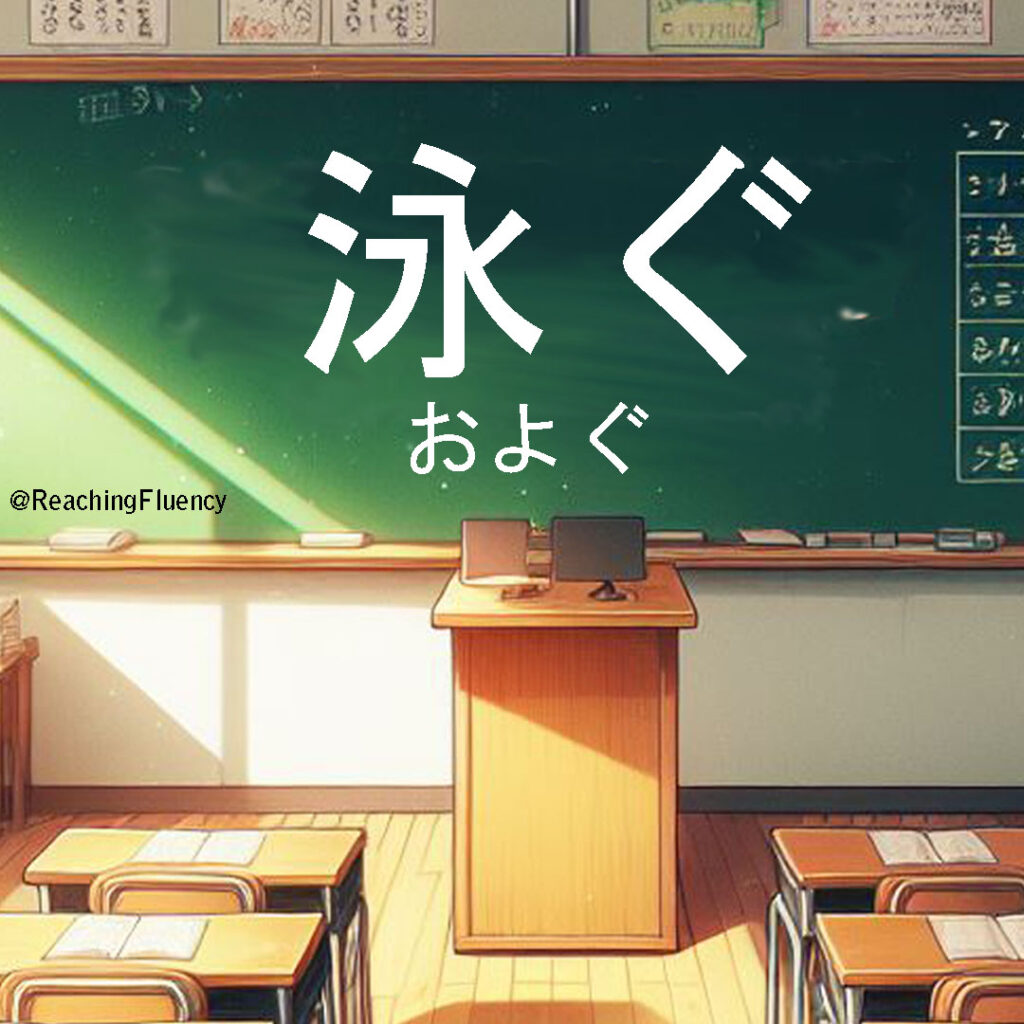
泳ぐ (およぐ) – To Swim
Today’s Immersion Videos
It is taking me time to find/add more immersion videos. This section will be updated shortly!
(Go To The Next Lesson: Day 12 – The と (To) Particle)

Ian is the owner and main writer of Reaching Fluency. He is a native English speaker, French speaker and Japanese learner and general lover of language learning.
You can read more about him on his Authors Page or link with him on social media
日常英会話メール
ニュースレターを購読してください! - 参加無料
メールリストに参加すると、少なくとも週に 1 回 (場合によってはそれ以上) メールが届きます
メールは毎日の英会話で、読んで勉強することができます。
メールは短いですが役に立ちます。いつでも停止できます

