
Hopefully now you have learned hiragana and katakana and have Anki installed and are ready to learn some actual Japanese.
We are going to take things easy, remember the aim of me showing your grammar is so that you have a rough idea what is going on and you can start to notice these things in your immersion. The goal isn’t to have a perfect understanding of this grammar and be tested on it …you just need to be aware of it.
Then of course there will be your daily vocabulary and some immersion videos at the end.
Page Contents
Japanese Sentence Order
We may as well start with the real basics and something you will quickly notice …Japanese sentences are in a different order compared to English. This is very jarring at the start, but it gets easier.
In English we have: Subject – Verb – Object (SVO) so a sentence may be – He ate the cake.
Japanese is often backwards so you will usually see: Subject Object Verb (SOV) and then to confuse things more, you will see that there is often no subject. Things like “I, he, she, them” etc are often not used. This sounds insane as how do you know who is being talked about, but it is fine. The context of the conversation will allow you to make sense of things.
Just trust me.
The issue with textbooks is that they don’t explain this. Early on they will teach you phrases like “I am doing this” etc “my name is” bla bla bla.
When you actually listen to Japanese this is often missing. You might just get one word and that’s the whole sentence and it all makes sense.
Take a simple sentence like “do you want to eat this cake?” in English, we need to say who (you) and what (cake) and what you’re doing with it (eat).
In Japanese it would be fine to just say “eat” and the “do you want and the cake” is just kind of implied. Of course the context here is that you are holding a piece of cake up to someone and moving it towards them, so it’s obvious you are offering the cake …to them …and then the simple “eat” is all you need to add to allow them to work out that you are really saying “do you want to eat this cake”.
Translating Japanese To English Isn’t A Great Idea
I think it is important to establish early on that this is now Japanese you are learning, not English and what I mean by that is basically summed up by the above point about word order.
You are often going to read a sentence and it is going to be all backwards and jumbled and if you translate it into English directly, it will just seem funky.
The reality is that the two languages do not just switch back and forth and this can really confuse people.
You need to realise right from the start that things should not be literally translated and you often have to just go for a general feel of things. This is exactly why you hear every one (including me) saying you have to think in your new language.
Although at the start this is impossible and you will need to think in English to sort of make sense of things, but at the same time you need to be very loose with your interpretations of things, so sentences may be a little strange but so long as you can get a sense of what the Japanese is roughly saying in English, you are doing fine.
Just don’t take things too literally, as this will end up actually confusing you more.
As a quick example, you may the read sentence like “speaking of me, I am hungry” and it is just going to make more sense by loosely translating it to something a lot simpler like “I am hungry”.
You will see stuff like this time and again and I will do my best to point it out as we go along, but the sooner you can get into that slightly wonky worded mindset of Japanese, the easier you will find it to think in Japanese when you get better at the language.
Basically just try not to get too caught up in the direct translation of things and think more about the general vibe of the sentence.
Japanese is Japanese it’s not a European language so we need to not think it terms in of that and just try and see Japanese for what it is and go from there. In the long run we will be a much better place than others trying to learn it.
This is also why immersion is so important. We will see Japanese from the Japanese people, not just textbooks.
Types Of Sentences In Japanese
I think it is also important to point that that you can basically only have two types of sentences in Japanese, no matter how complex. This can be hard to see at times, but if you strip things back, it will be one of these two types:
A is B
or
A does B
This all sounds a little vague, but it can be helpful later on when you are looking at more complex sentences and you are struggling to work out the context things. I am only going to quickly touch on this here, but it is something we will come back to later on down the line.
Different Forms Of Language (Politeness) In Japanese
I will also go into this more detail in a few days, but for now, just be aware that you will see various forms of the language being used depending on who is speaking to who.
As English speakers this will be very confusing, but basically there are different levels of formality when it comes to Japanese and these are three common types you will see a lot:
- Informal – kids learn this first and so will we, This is used for family and close friends
- Formal – This is used with teachers, boss, strangers /neighbours – basically anywhere you have to be polite.
- Honorific – this is mega polite. You would use this in business or with a shopkeeper.
I think this is a fairly easy concept to understand, we would speak differently to these types of people in English, the difference is that we just use different words.
We might informally say “hey what’s up” to our friends …“good morning” to our boss and …“Hello sir” in some sort of business meeting.
The issue with Japanese is that they take the same words and slightly alter them, to make them more formal, and they look very different …and we get confused.
Let’s not worry about this too much right now, but you will notice it early on when you are listening and it is often described as “decorative Japanese” as these changes make the language more formal and it’s like you are adding decorations to make them fancier.
As I go through the lessons I will try and keep things basic and explain how you can add parts on to make things more formal, like adding desu or masu to things.
This is another issue with textbooks, they teach the very polite version of the language, I guess so that if you speak to someone, you sound polite, but then when you hear the causal form, it doesn’t make sense how they are different and it can seem more like a totally different language, rather than just a slight alternation to the basics.
It is a lot easier to learn the basic core, and then realise how you can alter things to make whatever fancy from you need from that.
They also describe this as “conjugation” and make it very complicated, but hopefully I can explain this over the next few lessons in a much simpler way.
We are also focusing on understanding the language, not speaking, so it’s okay if we are not focusing on the formal language. We will focus on it all and everything will hopefully make a lot more sense to us at the end.
It can be important to notice this and know when to use what, but it’s more important to understand the language first so we can worry about all that later.
You will also notice the verb endings can be different and we will get to those in a few days. This can be sort of linked to formality, but not always, but again, we will go into more detail in the coming days, for now, just try and look out for that.
(Return To: The Full List of All The Japanese Lessons)
Today’s Vocabulary
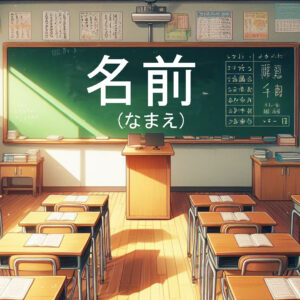
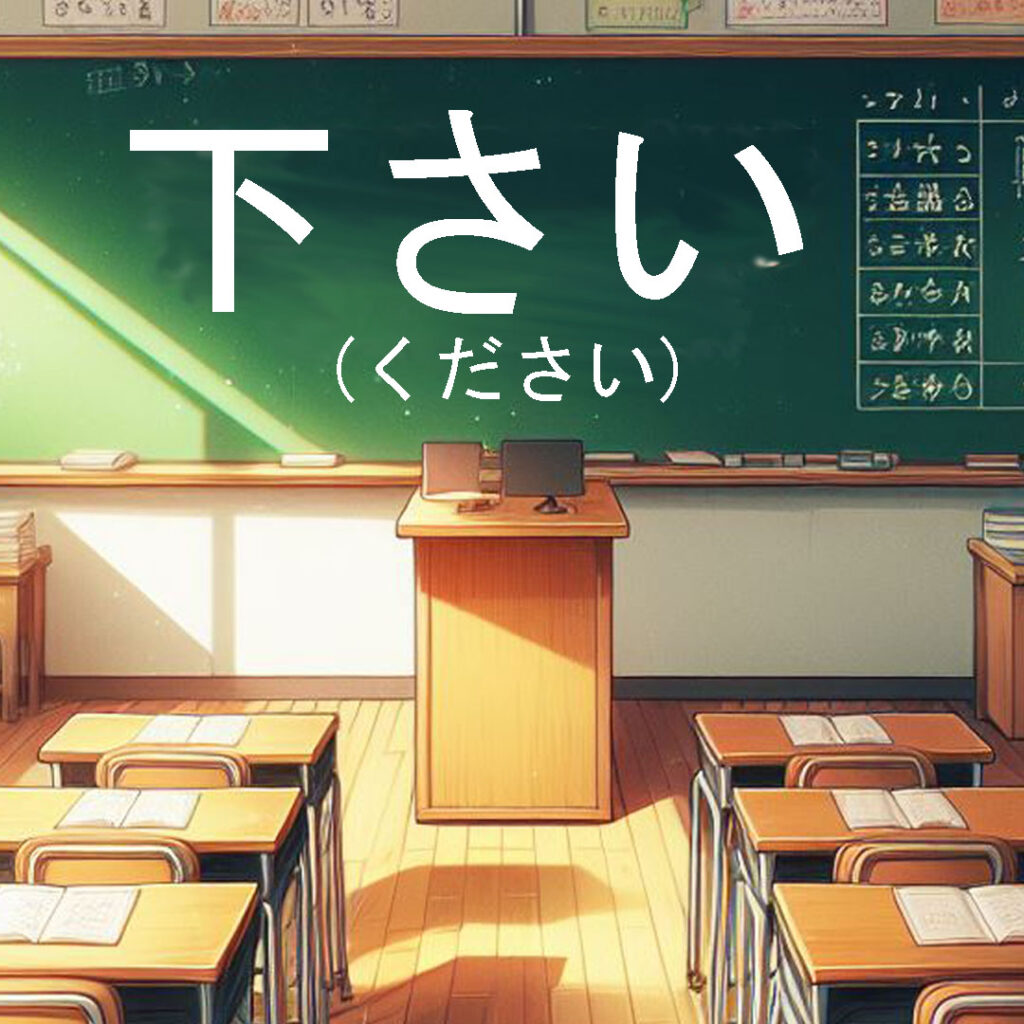
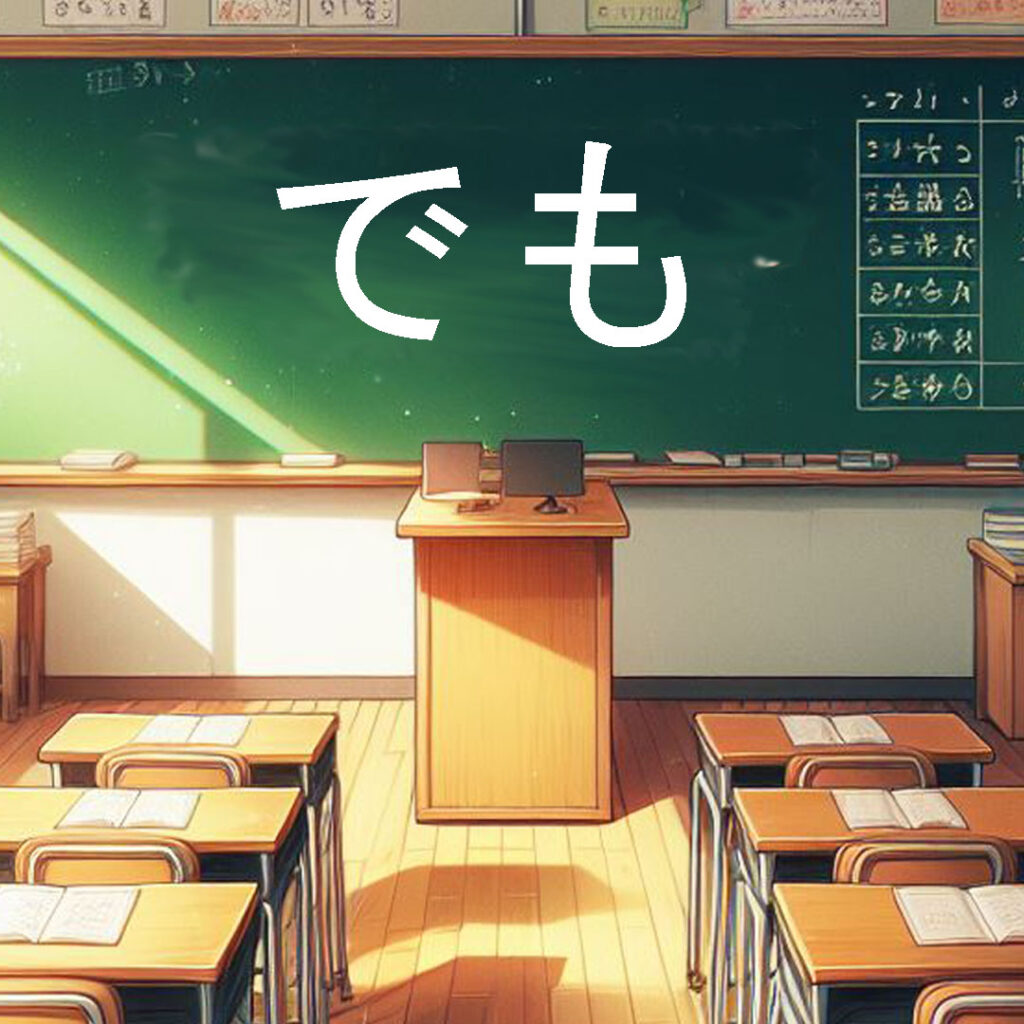
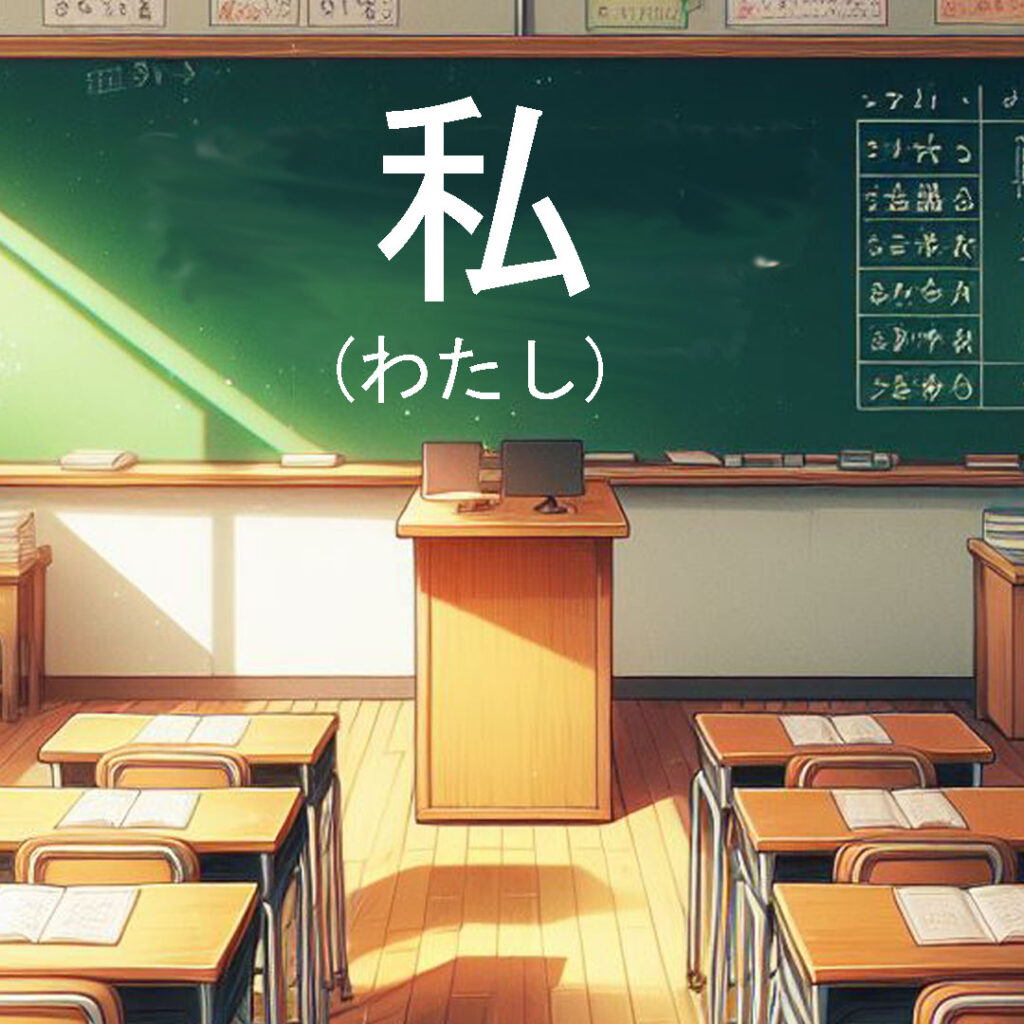
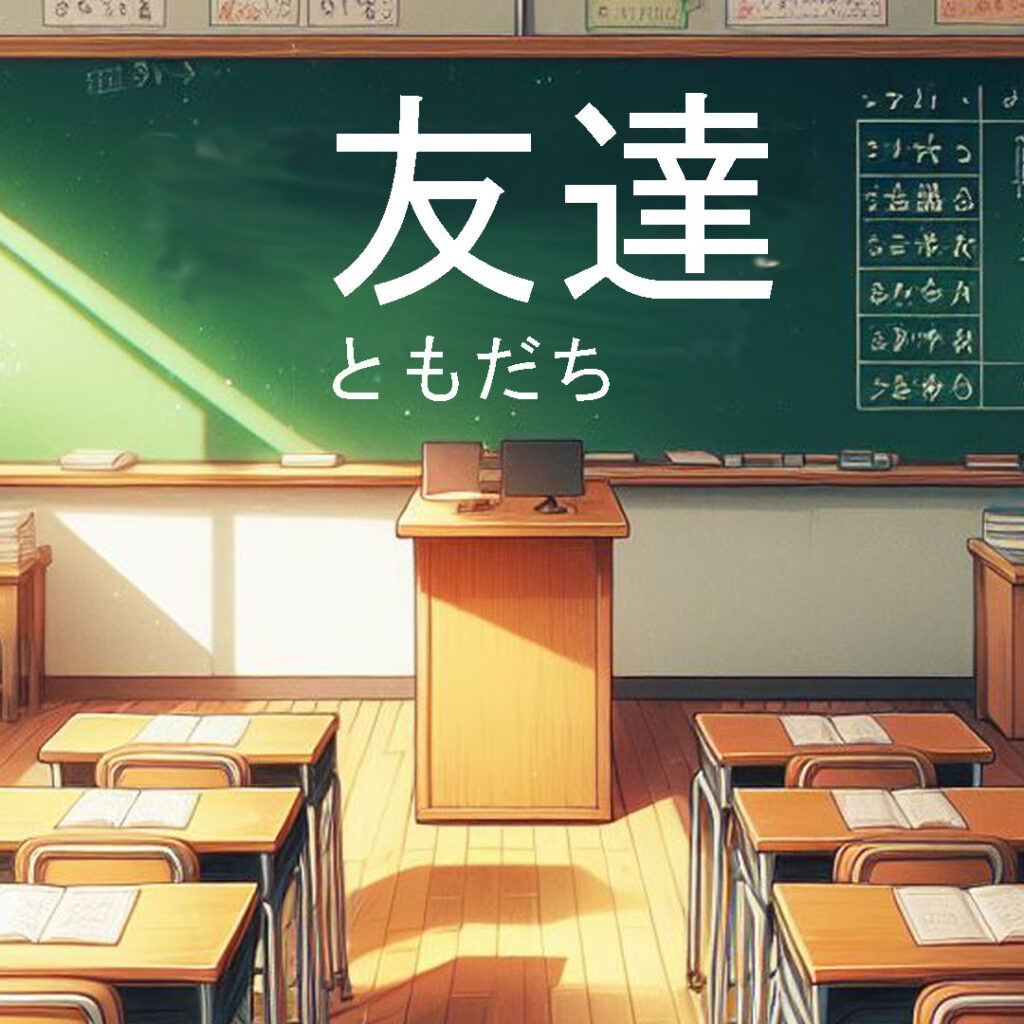
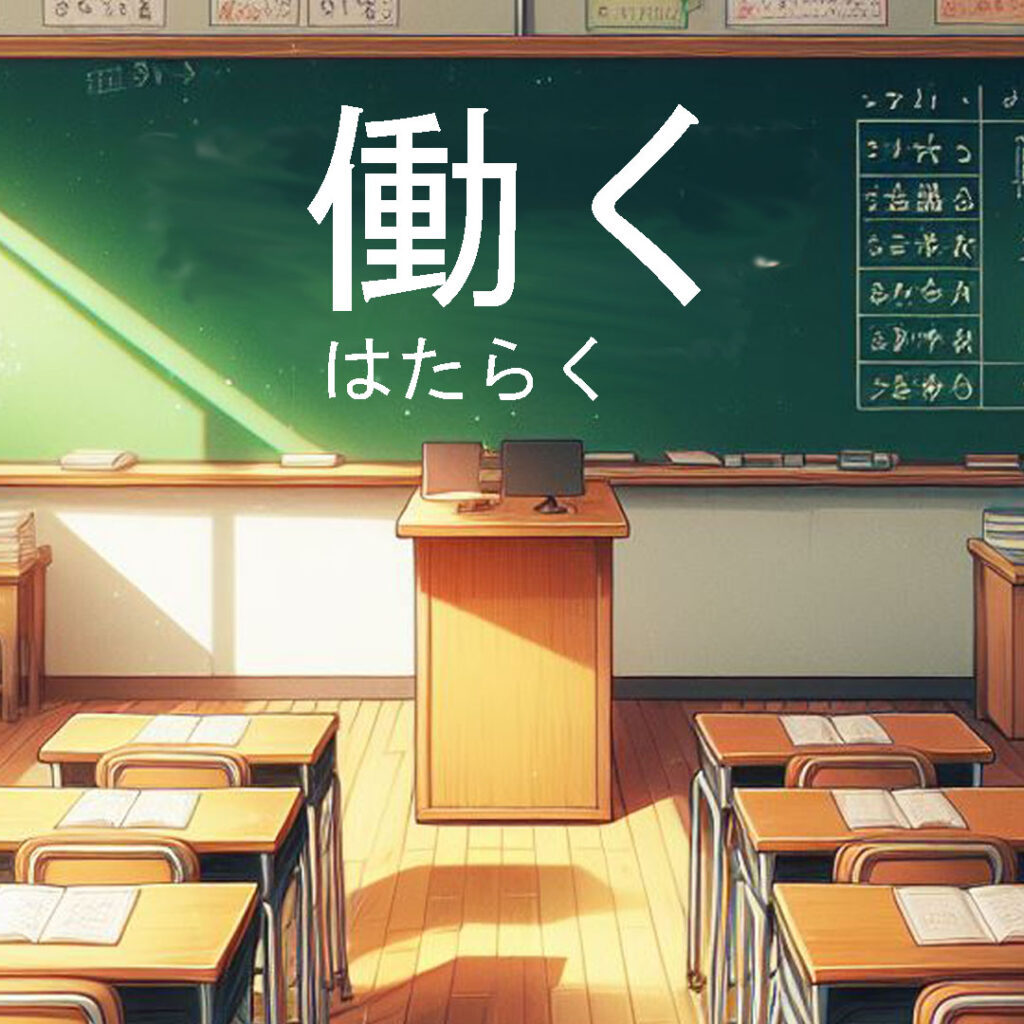
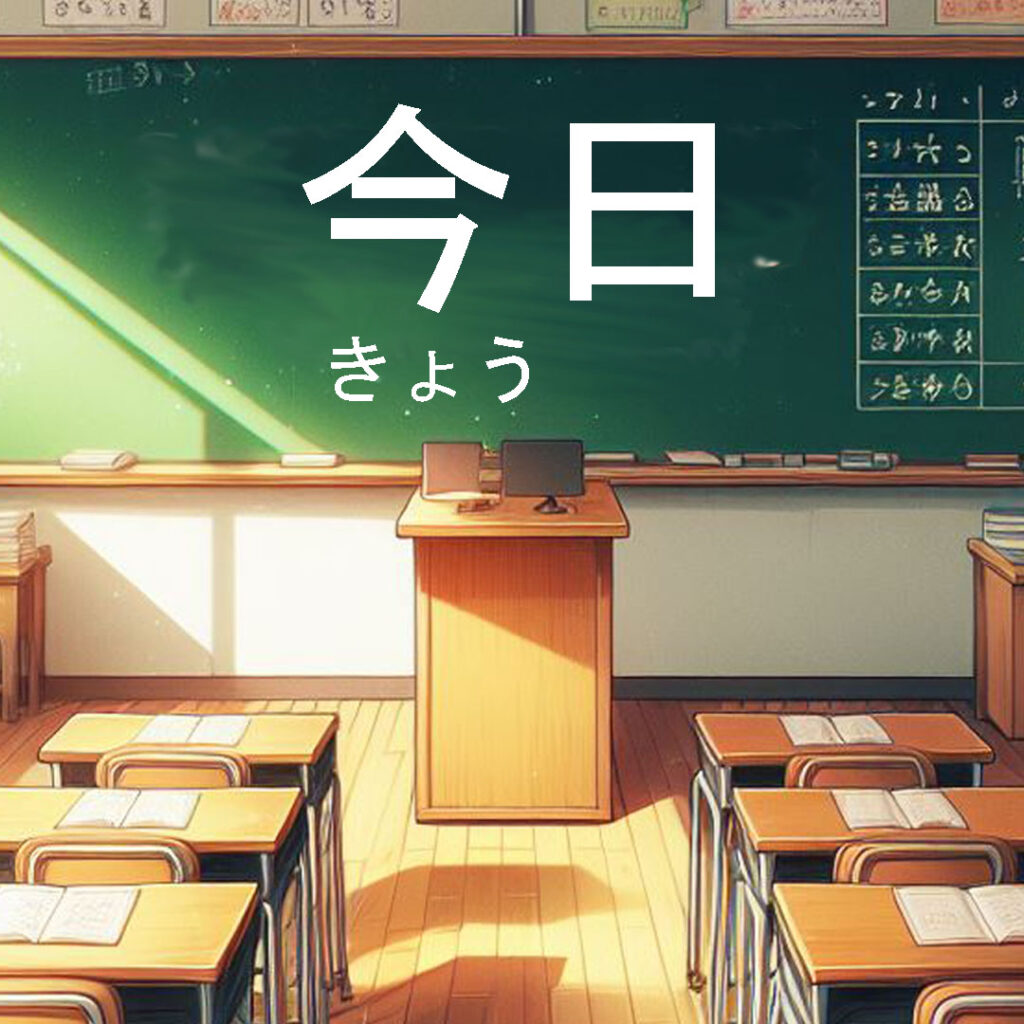
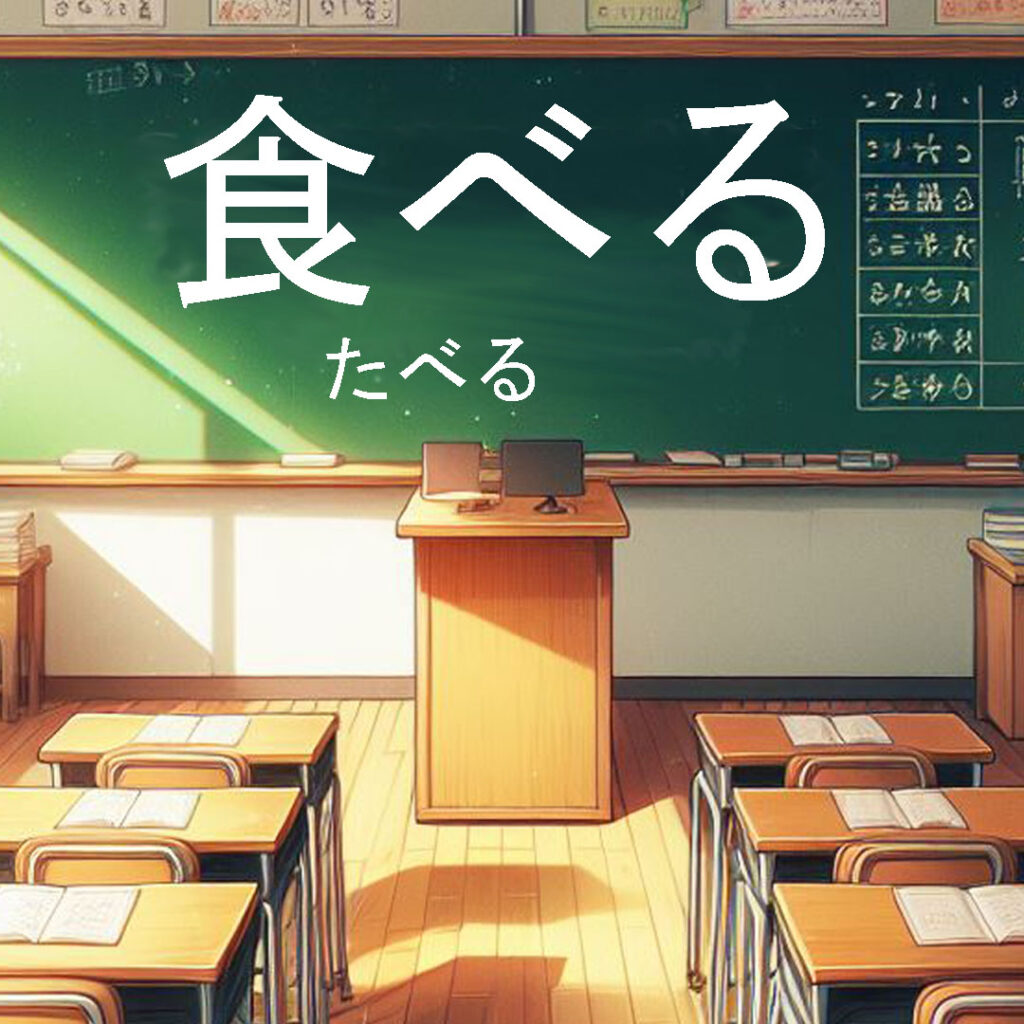
So here is the first of your daily vocabulary. I have placed the Japanese word in bold followed by the English word. If the word uses kanji, which is likely, then you will find the hiragana in brackets next to it, so you can read it.
I’ve added a picture, because why not. These can also be found on my Instagram, but regardless, take the words and copy and paste them into your Anki deck and get learning. Just take your time, you will get these into your head eventually.
1. 名前 (なまえ) – Name
2.下さい (ください) – Please
3. でも – But
4. 私 (わたし)- Me
5. 友達 (ともだち) -Friend
6. 働く (はたらく) -To Work
7. 今日 (きょう) – Today
8. 食べる (たべる) -To Eat
Today’s Immersion Videos
And this is the start of your daily immersion. I will just embed some youtube videos here. You can watch them below, or add them to your watch later list. You can watch these as many times as you feel is right. You should also try and spot any words you have learned, or any grammar I have told you about. Have fun!
It is taking me time to find/add more immersion videos. This section will be updated shortly!
(Go To The Next Lesson: Day 2 – Starting With Kanji and Particles)

Ian is the owner and main writer of Reaching Fluency. He is a native English speaker, French speaker and Japanese learner and general lover of language learning.
You can read more about him on his Authors Page or link with him on social media
日常英会話メール
ニュースレターを購読してください! - 参加無料
メールリストに参加すると、少なくとも週に 1 回 (場合によってはそれ以上) メールが届きます
メールは毎日の英会話で、読んで勉強することができます。
メールは短いですが役に立ちます。いつでも停止できます


Pingback: Japanese Day Zero - Getting Started With Japanese - Reaching Fluency