When you are learning a language you can feel like there is a lot of pressure to start speaking. You can really feel as if your progress is only based on your ability to speak.
While speaking can show you how much progress you have made, it is not always the best way to learn a language, especially early on.
Don’t get me wrong, speaking is an important part of learning a language, but I will go through why it may or may not be the best thing to focus on when you are learning.
Page Contents
Speaking Will Give You Confidence
One of the best things about speaking is that it can give you confidence. If you are able to hold a conversation and actually communicate this can really make you feel like you are making progress in your language.

While Speaking is one of the best ways to show you exactly how well you are doing, this can have a negative effect on some people. If you mess up it can really knock your confidence, but in general speaking is a good thing and usually keeps you motivated, which you will need a lot of.
Most of your speaking will probably be done through language exchange apps and as your friendships grow on these apps, you will become more and more motivated to actually learn the language and your confidence will grow as you can actually see that you are able to successful interact with a native speaker.
(You can read more about – How To Improve Speaking In A New Language)
Speaking Will Show Your Weak Areas
While speaking will not teach you anything new, it is one of the best ways to work out what you do need to learn.
When you are speaking it will become painfully obvious if you do not know something and you can really start to notice your weak areas very quickly.
Having your knowledge gaps exposed like this is annoying when you are trying to have a conversation with someone, but it can actually be extremely beneficial. It shows you exactly what you need to focus on and what words you need to learn.
Speaking really is one of the best ways to identify your knowledge gaps; you cannot hide from the fact that you don’t know a word.
(You can read more about – What Are The Benefits Of Practising Your Speaking Skills In A Second Language?)
Speaking Is Only Practice
One reason why speaking is maybe not the best technique to focus on, is due to the fact that you don’t learn anything new.
Speaking is just practice and if you actually want to grow you language skills you will need to focus on other areas of the language such as listening and reading, which is where you are going to learn new words and be exposed to more grammar.
However, the fact that speaking is only practice is really not a bad thing. You actually need this practice to reinforce what you have already learned and to really solidify everything. You will still improve by practicing.
(You can read more about – What Are The Most Common Challenges When Speaking In A Second Language?)
Speaking Helps With Your Memory
Speaking is a very good way to improve your memory, which is usually most leaner’s biggest problem.
You remember words far better if you are actually using them and speaking is probably the best way to use the words you know. When you want to say something you need to recall the words from your memory, the more you do this, the stronger the ability to recall the words become.
The old saying “use it or lose it” is very true when it comes to vocabulary, so if you are speaking a lot it is very good thing for your vocabularies memory bank.
Speaking Can Make You Quicker
Speaking actually speeds up your ability to process the language. When you speak you have to process what you want to say and how to say it in your new language which can take you a few seconds if you are still learning.
This can be slowed down further if you are speaking to someone, as you will need to process what they have said to you as well.
By speaking more often, you start to get used to this process and become more comfortable with the language. As you get better at this your processing speeds will increase. You will also find that you can now start thinking in your new language, rather than translating in your head, basically everything starts to become automatic which will always be faster than manually processing the language yourself.
(You can read more about – Frequently Asked Questions About – Speaking In Your New Language)
It Is Better to Focus On Input
It can be hard to say that one thing is the best thing to do as really you should focus on all areas of the language.
However, if you really want to learn the language, the best way to do this is to focus on input, which means reading and listening.
Speaking will certainly help you solidify what you already know, but input is going to allow you to expand you knowledge and actually learn new things.
This is especially true when you are beginning. You will not really know anything at this stage and it can be wise to delay speaking for a while until you build up some basic knowledge, then you can start speaking.
(You can read more about – The Input vs Output Language Learning Methods)
Conclusion
In conclusion, speaking is maybe not the best way to learn a language, but it is very much a necessary part of the system.
Input will teach you new things, but these are pointless if you do not master them and the best way to do this is through speaking.
Speaking is what is going to ingrain the language into your memory and also what is going to build your processing speed. The fact that it can also build your confidence and help you spot weak areas is an excellent bonus.
Speaking is something you should be doing; it will help you make progress.
(You can read more about – Resources To Help With Your Speaking In A New Language)
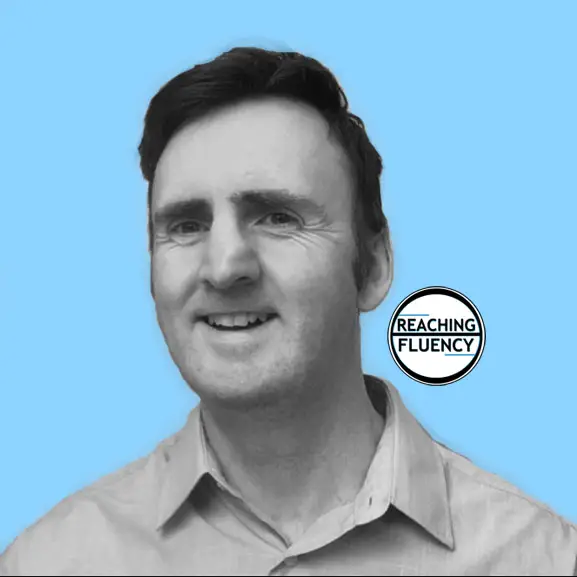
Ian is the owner and main writer of Reaching Fluency. He is a native English speaker, French speaker and Japanese learner and general lover of language learning.
You can read more about him on his Authors Page or link with him on social media
日常英会話メール
ニュースレターを購読してください! - 参加無料
メールリストに参加すると、少なくとも週に 1 回 (場合によってはそれ以上) メールが届きます
メールは毎日の英会話で、読んで勉強することができます。
メールは短いですが役に立ちます。いつでも停止できます