
Being able to speak in your new language is really good sign that you are making progress and are starting to reach a decent level.
I have covered various aspects of speaking in your new language across this site, which I will link to throughout, but I still get asked a lot of great questions around speaking, which I have compiled here.
They are in no real order, but hopefully they can help clear up any confusion you have around speaking in general, but if you are still unsure about anything, just ask and I will try and answer it.
Page Contents
How To Improve Your Speaking Skills In A Second Language?
It sounds kind of stupid, but the best way to improve your speaking abilities is to speak more. Of course increasing your abilities in other skill areas will help too, but to really get good at speaking you need to speak a lot.
You need to train your brain and mouth to work together and while that sounds easy, it’s not. We are extremely proficient in our native language as we have been speaking for years, but go and look at a little toddler speaking …that is you in your new language. The only way you can improve is practicing more, just like the little kids do.
You can read more about – How To Improve Speaking In A New Language
Are There Any Techniques Or Strategies For Overcoming Speaking Anxiety In A Second Language?
Anxiety around speaking is a huge problem in the language learning community. We are all just terrified of making mistakes and this reluctance to speak can really affect our progress.
Part of the solution is to tell yourself to shut up and just do it, which isn’t easy, but if you can …you will realise after that you where worried over nothing.
The next best thing you can do is have conversations in controlled situations. You can use a tutor or language partner and explain to them that you want to keep the conversation on one small topic area and then just talk around something that you are comfortable with.
You can read more about – How To Overcome The Fear Of Speaking A Foreign Language
How To Expand Vocabulary When Speaking In A Second Language?
If you want to be able to say more words, you will need to go and learn these words from somewhere.
This really means you need to go and get more input of the language and just get exposed to more of it through more immersion. You can do this by watching more videos and just listening to the language, but reading is probably going to your best option.
Reading will expose you to a lot of new words very quickly and easily. Then all you need to do is start trying to incorporate these new words into your own conversations and try to use to use them yourself.
Over time you can noticeably expand your vocabulary by just doing this.
What Are The Best Ways To Practice Speaking A Second Language With Native Speakers?
If you are in a country that speaks the language you are trying to learn, then things are very easy. You just need to go out and start trying to talk to people.
However, for the vast majority of us, we will need to use the internet, which means you need to use a language exchange app.
These are going to allow you to meet native speakers of the language you are learning and you can talk to them through audio messages or voice calls. This is probably the best way to get a lot of practice in.
It is all very informal, but it can be a really great way to practice. If you would like some more structure, or better feedback, you can hire a tutor and spend your session with them practicing your speaking skills.
(You can read more about – What Are The Benefits Of Having A Language Exchange Partner?)
Are There Any Effective Online Resources Or Language Learning Apps To Help Improve Speaking Skills?
Really the best resource you can use is another human, preferably a native speaker, which probably isn’t something you can find in person …but luckily we have the internet.
There are plenty of great language exchange apps where you can meet native speakers and they can help you improve your speaking skills.
I have made a more detailed list, which will help you no matter what language you are learning, you can read about that here – Resources To Help With Your Speaking In A New Language.
What Are The Common Mistakes Made When Speaking In A Second Language?
There can be many mistakes when you are speaking a new language, but really the biggest mistake is probably just being too scared to actually speak.
Too many of us avoid speaking and all this does is limits our progress. We all need to get over the fear and actually just start speaking. It doesn’t matter if we make mistakes, that is how we learn.
You can read more about – What are the most common challenges when speaking in a second language?
How To Maintain Language Fluency In A Second Language?
This is an interesting question, because if you are “maintaining” it implies you already have the ability.
It doesn’t really matter what level you are at, you can still maintain that level and it is extremely easy …you just use the language.
In fact even if you did not learn anything new, and just used what you already know, you would still get stronger. You would get very comfortable with the small amount of the language that you do know and you would get very good at using this.
Just make sure you are always speaking, and you will maintain what you have and even strengthen it.
The worst thing you can do is stop studying and practicing, as your brain will just assume the information is not needed and it will allow you to forget it.
Are There Specific Cultural Aspects To Consider When Speaking In A Second Language?
Most languages have some sort of cultural aspects around speaking, although it really depends on what the language is and who you are talking to.
As a learner you will get a bit of a pass, so if you do say something that would be culturally quite rude it’s not the end of the world. However, you should make the effort to find out what the cultural considerations are and try and adhere to them.
Just think about any one learning English. They can often be super short and direct when they talk and this can make them seem very blunt and almost rude. However, we usually don’t get upset about this. We can understand they are not the best in the language and it is clear they just don’t enough of the language to go though the usual cultural pleasantries that native speakers will do.
(You can read more about – How Important Is Cultural Immersion When Learning A Language?)
How To Improve Pronunciation When Speaking In A Second Language?
Pronunciation can really make a difference to your speaking skills and while you don’t need to try and work on sounding like a native, you do need to work on actually producing the proper sounds in the language.
Really this is just going to require practice. Your mouth is just a bunch of muscles and they are used to moving in a certain way, which produces the sounds of your native language. You basically have to retrain your mouth to move in a new way when you are speaking in your new language and this can take time.
Just take your time and really focus on making the correct sounds. Even slowly saying one sound at a time, over and over again while on your own will really help you. It can also be wise to record yourself and listen to yourself so you can try and fine tune your voice to get the pronunciations sounding right.
(You can read more about – How To Improve Pronunciation When Learning A New Language)
What Are Some Common Language Barriers In Second Language Communication?
When it comes to speaking to someone in a second language, the biggest barrier is just simply going to be a lack of vocabulary.
If you have only been learning the language for a small amount of time, you can probably only talk about a small number of topics, and you can probably only talk about these on a very surface level.
Just think about the classic “holiday phrases” that people will often learn before they go somewhere. These are great …but what happens when the native speaker steps outside of this small pool of knowledge and says something unexpected …the learner is instantly lost.
The only way to overcome this is just keep learning. Keep increasing your ability to understand and keep increasing your ability to speak and eventually you should be able to communicate around most things in daily life and a few other topics you are interested in.
Are There Any Specific Tips For Better Conversational Skills So That You Can Communicate More Effectively In A Second Language?
As I just mentioned above, usually the main issue with conversations is a lack of vocabulary. This means that you cannot really have a random conversation about anything, in the same way you can in your native language.
If you want to get around this, you need to have more controlled conversations. You need to explain to whoever you are talking to, that you want to talk about x, y and z …as these are the areas of the language you can actually talk about.
When you start having conversations like this, things will seem better. You will feel like you can actually have a conversation and feel like you know what you are talking about.
After a while you will also start to predict what people are usually going to ask you, and you can focus on learning vocabulary around this.
A classic question you will get is “why are you learning this language?” …do you know how to answer that? If not, go away today and learn how to and the next conversation you have, you will be able to give your answer.
How To Adapt To Different Accents When Speaking A Second Language?
I am not quite sure what this question means. As a speaker, you shouldn’t be adapting your accent, just speak normally.
Of course your native accent is probably going to shine through, but that shouldn’t be a problem so long as you speak the language clearly and enunciate the words properly. If you do this you will be understood regardless of your accent.
If this question is referring to adapting your listening skills to hear different accents, well this comes down to practice. If you are learning a language with different accents, you need to listen to speakers from these different areas and train your ears to hear the language with that accent.
If we look at English …Americans, English and Australians all sound different and if you want to get used to these accents you have to listen to people using them all. The more you listen, the more comfortable you will get with them.
How To Sound More Natural When Speaking In A Second Language?
When people think about sounding natural when speaking, they usually think about having a native like accent. While this can be good, it does take an extremely large amount of effort to reach this level and really there are much easier things you can focus on first. Accent isn’t everything.
The first way to sound natural is just to be comfortable with the language. Those who are not will be very slow and stumble through their words and often have long pauses while they think about what to say next. The more comfortable you are, the more confidently you will speak and your pace and rhythm will just sound a lot more natural.
You should also focus on your pronunciation. Being able to actually make the right sounds, regardless of your accent is going to make you sound so much more natural. People will actually be able to understand you properly and this alone can really make you sound a lot more natural.
You can read more about – Is Shadowing Useful For Language Learning?
Are There Any Recommended Language Exchange Programs For Practicing Speaking Skills?
Unless you live in a county that speaks the language you are learning, language exchanges are going to be the best option for practicing your speaking.
You can easily sign up and start speaking with a native speaker right away. There are a lot of these apps and some of them will depend on what language you are learning, as one app may be full of native speakers compared to another.
I have written a more detailed guide about this, where I go into the different options you I like to use – What Are The Best Apps For Language Exchanges?
What Are Some Effective Self-Study Methods For Improving Speaking Skills In A Second Language?
When it comes to speaking in your new language it is always going to be better to practice with someone else, preferably a native speaker.
However, this isn’t always possible, and you are just generally going to have more time alone. You can still use this time to practice your speaking, but it will maybe not be in the same way as speaking to someone else.
You can spend time just practicing your pronunciation of words and generally getting your mouth moving so that you get comfortable with creating the correct sounds. I have written about this in more detail, which you can read about here – How To Practice Speaking A Language On Your Own (Without Mistakes)
Conclusion
As you can see there are a lot of good questions around speaking in your second language. Hopefully you have a better understanding around how to do this and why it is important, but if you are still unsure about something, just ask and I can add your question to the above.
If you are thinking it, so will many other people, so just ask.
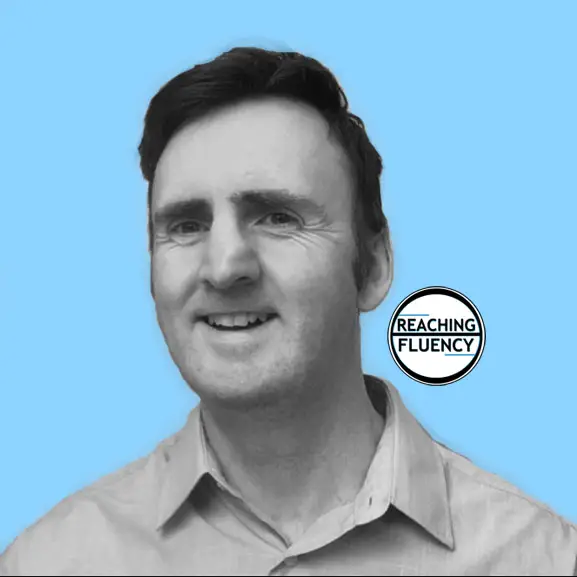
Ian is the owner and main writer of Reaching Fluency. He is a native English speaker, French speaker and Japanese learner and general lover of language learning.
You can read more about him on his Authors Page or link with him on social media
日常英会話メール
ニュースレターを購読してください! - 参加無料
メールリストに参加すると、少なくとも週に 1 回 (場合によってはそれ以上) メールが届きます
メールは毎日の英会話で、読んで勉強することができます。
メールは短いですが役に立ちます。いつでも停止できます


Pingback: What Are The Most Common Challenges When Speaking In A Second Language? – Reaching Fluency