Some people claim you can learn a language in a month. Well, the honest truth is you cannot.
You can learn a lot in a month, you can probably get a basic understanding and have some simple conversations, but you will be far from fluent and that is totally okay.
It takes your brain long time to understand and get comfortable with a language and a month is not long enough to allow this to happen.
If you want to spend a month trying to see how much you can learn, there will be a number of factors that will determine how successful you are and I will discuss these below, after explaining why a month is not enough time to get fluent.
Why You Shouldn’t Even Try To Learn A Language In A Month
Being able to tell people you want to do this is cool, but the reality is, it’s not worth it as its impossible.
If you want to learn a language, do it properly and go at a normal speed. It is going to take many months to get anywhere and trying to squeeze it all into a month is just going to give you problems.

Your Brain Cant Process A Language In A Month
The first problem is that languages are huge and complex and your brain just can’t take in this much information so quickly.
At some point you’re going to overwhelm yourself with too much information. You won’t be able to remember anything new and you will also probably forget a lot of what you have already tried to learn.
You might also find the things you do remember become muddled and mixed up.
If you take a step back and allow your brain to absorb all this information over the long term it will be far more successful.
A lot of language is processed in the subconscious and it takes time for links to be made between different parts of the language. Something you learn today may not click into place until many months later after you have been exposed to something a number of times.
A month is just not long enough for this process to happen.
You Will Get Language Fatigue After A Month
The second problem is that when you do become overwhelmed, you will become exhausted. You will just not want to carry on. I know this will happen as I have had this happen so many times.
I try and do a little bit every day, but occasionally I have a free day and I go crazy. The next thing I know I’ve spent all day learning and my brain sore from overloading it. The next few days I just can’t face doing anything. My subconscious is overwhelmed and I need break to digest everything.
I have also had this happen on a more serious level when I went pretty hard for about a month. I was quite new to learning languages and every day I was taking in a lot of new information.
After about a month my brain just became maxed out. I had to stop and it actually took me about 6 week to get back into the mood to learn again.
When I think about that now I wish I could tell myself to slow down. It’s not a race.
What Can You Achieve In A Month of Language Learning?
While it is going to be impossible to become fluent in a month, you can certainly make a lot of progress in a language in this short amount of time.
However, how much progress you can make will actually be determined by a few different factors which I will go through below.
I think it can be a fun project to spend a month really getting into a language, but just remember that you will only be scratching the surface and you should really set your mind to doing this for the long term.
The Language You Decide To Learn Can Affect How Quickly You Can Learn It
If the language you are learning has similar words to your own, or a similar structure or even the same alphabet, this will help massively with how long it takes to learn.
If you are an English speaker, you will probably be able to learn French a lot quicker than Arabic, simply as many French words are pretty similar in English and the alphabet is also the same.
You probably don’t need a French dictionary to understand Romantique means Romantic, where as seeing it in Arabic might be a bit more difficult – رومانسي. Although to be fair, when you hear this word pronounced you would probably be able to give it a good guess, it does sound quite similar.
If you only have a month to learn a language, having a head start by roughly understanding some words already is going to really make a difference.
Your Previous Experience With The Language Will Help
If you studied a language at school and got nowhere with it (which many of us can say happened) this can still be a help to you.
If you try and learn this same language now, over the next month, you will actually have a huge head start. It might not seem like it, but doing any sort of study in the past, no matter how long ago, can have a huge affect on how well you do.
You might not have paid attention in Spanish class, but I assure you, deep down in your brain you will have some of that information stored and you will notice it weirdly comes to the surface when you try and start learning the language again, even if its 20 years later.
It Helps If You Can Speak Other Languages
If you already speak other languages, this will also massively help you. If the languages you already know are similar to the one you are now trying to learn in a month, this will give you a huge advantage.
Lots of the words and grammar will be very similar and you will be able to pick up the new language really quickly.
However, even if the language you want to learn now is totally unrelated to the ones you already know, it can still help you. The fact that you have already been on a language learning journey before and you already know the ups and down of it will help you massively.
If you only speak one language (your native one) and are starting your language learning, it’s much harder as the whole process is new to you, but don’t let that stop you.
The Amount Of Time You Dedicate Will Help You Learn A Language In A Month
If you are going to learn a language over the next month the amount of time you put in to it matters. If you only do 5 minutes a day you will learn nowhere near as much as someone who spends 14 hours a day doing it.
Obviously not everyone cannot commit a crazy amount of time to something like this, but simply put, the more you do the better you will get.
However, there is a limit to this. You need to remember that you brain can only process so much information at one time.
If you did spend 14 hours a day, you would probably find a vast majority of this would be wasted.
You can quickly become fatigued and you brain will just stop absorbing information. I find if I push my learning too far I actually get a headache. Once that happens I can’t think straight until I sleep and rest my brain.
Learning a new language can be a real strain at first. Your brain is in over drive trying to process everything and trying to develop new neural pathways.
This is why language learning takes times and shouldn’t be rushed into just a month. It takes a while for your brain to take all this information and process it and then store it properly.
What You Learn Will Matter
If you want to learn fast, you need to focus on what is important to you. You need to learn the words and phrases you are actually going to use.
You could easily spend all month just learning to talk about zoo animals, but if you want to travel to Germany and talk to locals about food, being able to say “hippopotamus” in German probably isn’t that essential.
In this example it is going to make a lot more sense to focus on everything around food and restaurants and try to master this. While you will not know everything in the language, at least what you do know will have some practical use.
How You Learn Will Matter
How you go about learning is also going to be important if you are on the clock and only have a month.
Again if you want to go to Germany and eat at restaurants, there is probably no point in learning how to write the language. It is not going to be any use to you.
You would be far better focusing on listening and speaking and trying to focus on short conversations, so you can actually have some sort of conversation after a month with a waiter.
(You can read more about – How To Learn A Language Quickly)
Take Your Time To Learn A Language
As you can see from the above points, trying to rush things into a month is not ideal. You are just doing yourself a disservice by rushing like this.
It’s better to take your time and go over things at your own pace. A month is far too short to actually achieve much.
You will get much further by going at a steady pace over the long term. There is no rush when it comes to learning languages so give your brain the time to process everything.
The reality is that you will be learning this new language for the rest of your life, but don’t worry, you will get competent soon enough so long as you put the work in, it just takes a little time.
(You can read more about – How Long Will It Take To Learn A Language?)
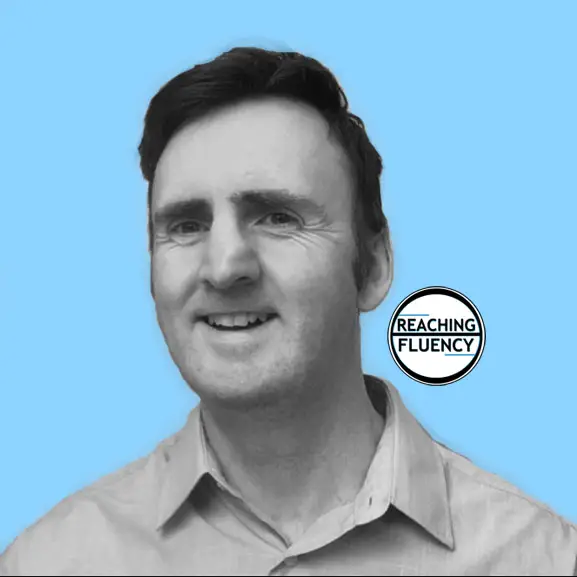
Ian is the owner and main writer of Reaching Fluency. He is a native English speaker, French speaker and Japanese learner and general lover of language learning.
You can read more about him on his Authors Page or link with him on social media
日常英会話メール
ニュースレターを購読してください! - 参加無料
メールリストに参加すると、少なくとも週に 1 回 (場合によってはそれ以上) メールが届きます
メールは毎日の英会話で、読んで勉強することができます。
メールは短いですが役に立ちます。いつでも停止できます