If you have been learning a language you may have asked yourself it is possible to learn just by speaking.
Asking this question can be especially common if you want to learn a language with a different alphabet. The thought of learning Japanese kanji for example, can put a lot of people off and make them wonder what would happen if they just focused on speaking.
The reality is that you can get pretty far by focusing on speaking, but really it is not the only thing you will need to do. A language is much more than just speaking and I will explain why below.
(you can read more about – How Important Is Speaking When Learning A Language?)
You Can’t Speak Without Listening First
Unfortunately it is impossible to learn a language by just speaking it. You will need to focus on some form of input before you can speak.
Speaking is a form of output, you need to produce the language on your own, but if you do not know the language, then how are you going to do this.
It makes sense that you are going to have to have to do some form of listening or reading first. You need to get the language from somewhere before you can speak it.
(You can read more about – Is Listening The Best Way To Learn A Language?)

Speaking Doesn’t Teach You Anything New
Speaking a new language is great, but as I have already mentioned it is a form of output. This means that you can only say what you already know and you will not learn anything new.
You can speak all day, but you will never suddenly start saying new things. The only way to learn more and expand your knowledge is to focus on language input like reading and listening.
Basically it’s going to be hard to get good at speaking without a good understanding of the language first, so it is best to focus on input learning and not just speaking.
This is also going to be important for your overall progress. If you just try and speak you are really going to end up imitating what you just heard, rather than fully understanding it.
This is why it can be more beneficial to focus more on the input and gain an understanding of the language, especially in the early days.
It may seem like you are making slower progress by focusing on the understanding, but in the long run it will work out better for you.
(You can read more about – What Are The Most Common Challenges When Speaking In A Second Language?)
Speaking Is Practice
You can’t escape that speaking is important as it will help you to get good at the language, but at the same time, it is more a form of practice than anything else.
As I discussed above, you do not learn anything new, you are only able to say what you already know.
While this may seem like a bad thing, it’s not. Just because you know how do to something, doesn’t mean you are efficient at it, but the more you practice, the better you will get.
Speaking more will speed up your processing skills and also increase the strength of your memory. The more you use words the more comfortable you will be with them and this will just improve your skills without actually learning anything new.
Strengthen your foundation like this is really important and is going to allow you progress easier when you do try and learn anything new as your current knowledge will be so strong.
(You can read more about – Should You Focus On Speaking In A New Language Last?)
Some People Will Use Speech More Than Others To Learn
How everyone learns a language is slightly different and some of us may end up speaking more than others while we are learning.
This is going to be very true for those who have moved to a country that speaks the target language. If you have done this then you are going to need to speak pretty much immediately, even if you are only a total beginner.
You are going to need to use some form of speech to get through your daily life. You are going to be interacting with natives more often and you will naturally just end up speaking a lot more compared to someone like me, who is learning alone at home, in a total different country.
There is no right or wrong way here, it just that they are very different approaches. It also doesn’t matter what approach we take, speaking by itself will not be enough, even if you are in a country that speaks the language, it is still important to focus on the other areas of the language too.
(You can read more about – Making Your Language Apart Of Your Daily Life)
Speaking Is Still An Important Part Of Language Learning
While speaking is more like a form of practice, this isn’t a bad thing. Focusing on speaking can actually help your overall progress with your language.
Speaking is going to make you use what you know, and using this is only going to make that knowledge stronger. Your memory is going to become stronger and you processing speeds will get faster, which makes your overall handling of the language better.
(You can read more about – Frequently Asked Questions About – Speaking In Your New Language)
Speaking More Will Improve Your Pronunciation
If you want to get better at pronunciation, the only way you can do this is to speak more. You really need to get your mouth into the correct position it needs to be in and the only way to do this is to actually speak and the more you do this, the better you will become.
(You can read more about – How To Improve Pronunciation When Learning A New Language)
You Can Build Deeper Connections Through Speaking
Speaking is going to allow you to make deeper connections than someone who doesn’t speak. This might not seem too important, but you will find that making friends in a language will actually motivate you to keep going. You will actually have a reason to keep pushing and you will want to improve.
Although you could argue that you can do this all through text, which is true, but really speaking is going to be a much more powerful way to communicate and you shouldn’t avoid it.
Do Not Forget About Other Areas Of Language Learning
While focusing on speaking is important, you should try and keep your studies balanced. You still need to focus on your reading, writing and listening.
You are going to make a lot more progress overall if you have a balanced approach to learning the language, speaking alone is not going to get you to the same level as someone who is covering everything.
(You can read more about – Resources To Help With Your Speaking In A New Language)
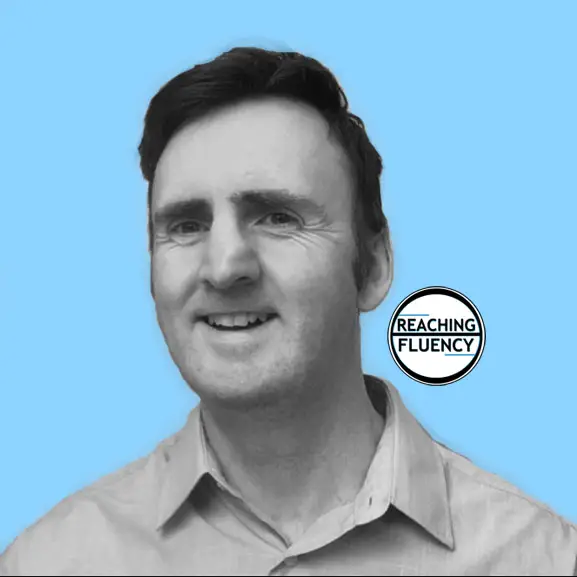
Ian is the owner and main writer of Reaching Fluency. He is a native English speaker, French speaker and Japanese learner and general lover of language learning.
You can read more about him on his Authors Page or link with him on social media
日常英会話メール
ニュースレターを購読してください! - 参加無料
メールリストに参加すると、少なくとも週に 1 回 (場合によってはそれ以上) メールが届きます
メールは毎日の英会話で、読んで勉強することができます。
メールは短いですが役に立ちます。いつでも停止できます